Italy
Europa
Italy's elongated shape, with the Alps to the north and the Apennines running down it like a spine as far as Sicily, produces an exceptional ecological gradient that goes from glacier to coastal desert in under a thousand kilometres. The Alps keep ibex, marmots, chamois and a growing bear population in Trentino; the Apennines hold the Italian wolf, which never quite died out and from there has recolonised France and Switzerland, and the Marsican brown bear, an isolated subspecies of which little more than sixty animals survive. The Mediterranean south and the islands add endemics: Sardinia keeps the mouflon, the Sardinian red deer and the occasional monk seal; Sicily already looks towards Africa in its fauna. The Strait of Messina and the Sicilian Channel are migration funnels for raptors, and the Tyrrhenian Sea forms part of the Pelagos Sanctuary, the largest protected area for cetaceans in the Mediterranean.
The nature of Italy
National animal: The Italian wolf is the de facto national animal; the eagle is the historical heraldic emblem
Did you know?
Every Alpine ibex alive in Europe today descends from a single surviving population: by around 1820 hunting had reduced the species to barely a hundred animals sheltering in the Gran Paradiso massif, protected as a royal hunting reserve by the House of Savoy. From that small nucleus came the animals that restocked the entire Alpine arc, which is why the species has very low genetic diversity today.
Biodiversity profile
Climate
- •Mediterraneo (Csa) en el sur e islas (Sicilia, Cerdeña)
- •Continental humedo en el valle del Po (norte)
- •Clima de alta montaña en los Alpes y los Apeninos
Main biomes
- •Bosque y matorral mediterraneo (centro-sur e islas)
- •Bosque de coniferas y mixto alpino (norte, Alpes y Dolomitas)
- •Bosque caducifolio de los Apeninos (columna vertebral montañosa del pais)
- •Alta montaña alpina
- •Bosque de hayas apenínico
- •Matorral mediterráneo
- •Humedal deltaico
- •Litoral rocoso
- •Mar profundo del Tirreno
- •Volcán activo
Marine and coastal ecosystems
- •Mas de 7.400 km de costa mediterranea, con praderas de posidonia y comunidades coraligenas
Flagship wildlife
- •Lobo italiano (poblacion en fuerte expansion natural)
- •Oso pardo marsicano (subespecie endemica en peligro critico)
- •Camuza de los Apeninos (endemica)
- •Aguila real
- •Íbice alpino
- •Rebeco de los Apeninos
- •Muflón
- •Flamenco común
- •Cachalote
- •Delfín listado
- •Tortuga boba
Notable endemic species
- •20% de la fauna terrestre y de agua dulce de Italia es endemica o casi endemica, con tasas particularmente altas en anfibios (31%) y peces oseos de agua dulce (18,3%)
- •Oso pardo marsicano, subespecie endemica de los Apeninos centrales, en peligro critico
- •38.500 especies de insectos registradas, una de las faunas entomologicas mas ricas del Mediterraneo
- •Oso pardo marsicano
- •Rebeco de los Apeninos
- •Ciervo sardo
- •Tritón de las gafas
- •Salamandra de Lanza
Notable threatened species
- •Oso pardo marsicano (En Peligro Critico, poblacion muy reducida y aislada en los Apeninos centrales)
- •Numerosas especies de anfibios y peces de agua dulce endemicos amenazados por alteracion de cursos fluviales
- •2.500 taxones de la flora nacional evaluados por la Sociedad Botanica Italiana por su estado de conservacion
Notable protected areas
- •Parque Nacional de Abruzzo, Lacio y Molise (oso pardo marsicano)
- •Parque Nacional del Gran Paradiso (primer parque nacional de Italia, Alpes)
- •Dolomitas (Patrimonio Mundial)
- •Parque Nacional de los Abruzos
- •Parque Nacional del Stelvio
- •Parque Nacional del Circeo
- •Parque Nacional del Golfo de Orosei
- •Santuario Pelagos
Main conservation threats
- •Cambio climatico proyectado a alterar significativamente los habitats de las tres regiones biogeograficas del pais (Alpina, Continental, Mediterranea)
- •Fragmentacion de habitat de agua dulce, afectando a peces y anfibios endemicos
- •Especies invasoras en zonas costeras y de agua dulce
Notable natural phenomena
- •El regreso natural del lobo a gran parte del territorio italiano en las ultimas decadas es uno de los procesos de recuperacion de grandes carnivoros mas documentados de Europa meridional
Conservation
The Marsican bear is one of the most fragile brown bear populations in the world, threatened by road deaths and inbreeding. The return of the wolf, now present across almost the whole peninsula, has reopened the debate over how to manage it.
Where and when to watch wildlife
Gran Paradiso in June and July for ibex and marmots. Abruzzo in autumn for the deer rut and bear sightings. The Pelagos Sanctuary between June and September for fin whale and sperm whale.
Sources: Biodiversity Gateway - The numbers of biodiversity in Italy | BioDB.com - Italy | biorxiv - Climate risk Italian habitats | PMC - Aquatic Plant Diversity Italy
Parks and reserves
Cilento e Vallo di Diano
Karst mountains and coastline in southern Campania, a World Heritage cultural landscape and a biosphere reserve.
View parkNational ParkDolomitas Bellunesi
The southern face of the Dolomites, with vertical limestone walls and an exceptional endemic flora.
View parkRegional ParkEtna
Europe's highest active volcano, with more than two millennia of documented eruptions and a strict reserve of 19,237 hectares.
View parkNational ParkForeste Casentinesi
Old-growth Apennine beech forests with the Sasso Fratino strict reserve, among the ten oldest deciduous forests in the northern hemisphere.
View parkWorld Heritage Site (Natural)Islas Eolias
A Tyrrhenian volcanic archipelago that gave science the terms Vulcanian and Strombolian.
View parkNational ParkAbruzzo, Lazio y Molise
A refuge for the Marsican brown bear and the Apennine wolf
View parkNational ParkArcipelago Toscano
The largest marine park in the Mediterranean: seven Tyrrhenian islands between Tuscany and Corsica, a biosphere reserve since 2003.
View parkNational ParkCirceo
One of Italy's first national parks: coastal dune, coastal lagoons and an isolated limestone promontory.
View parkNational ParkSila
The forested plateau of Calabria, with Calabrian pine woods, reservoirs and biosphere reserve status since 2014.
View parkNational ParkVesubio
The volcano that buried Pompeii, with the Gran Cono and the half-circle of Monte Somma around it.
View parkDiving and snorkelling
Costa Amalfitana
A steep UNESCO World Heritage coast with Roman archaeological remains submerged by seismic movement.
View dive siteActively volcanicAeolian Islands (Panarea/Stromboli)
An actively volcanic UNESCO World Heritage archipelago, with underwater fumaroles visible near Panarea.
View dive siteSubmerged statue / Rocky wallCristo degli Abissi (San Fruttuoso)
THE ORIGINAL CHRIST. A bronze statue some 2.50 m tall and weighing 260 kg, the work of the sculptor Guido Galletti, lowered on 22 August 1954 with the help of the Italian Navy. The idea came from Duilio Marcante, a legendary figure in Italian diving, in memory of his friend Dario Gonzatti, who died on a dive. The arms are raised and open as a sign of peace. After the descent the dive continues along the wall, where at around 30 m a tall crevice full of life opens up.
View dive siteSea caveGrotta di Nereo (Cueva de Nereo)
Reckoned to be the largest underwater cave in the Mediterranean. It opens in the limestone cliffs of Capo Caccia, about 100 m north of the famous Neptune's Grotto. The cliff falls vertically to some thirty metres, where the deepest entrance lies; there are further mouths at 18 and 16 m. It is possible to follow a complete ring through the interior, passing through wide chambers with walls covered in red coral, an ascending tunnel into a hall lit from outside and a broad passage with a white sand floor that returns to the starting point, exiting through a window at around 18 m.
View dive siteVolcanic/ReserveUstica Island
A volcanic island with basalt rock bottoms, arches and caves, protected for almost forty years. Zone A, the fully protected core, extends some 60 ha from the headland north of Punta Spalmatore to Punta Megna.
View dive siteCave/WallAegadian Islands (Favignana)
A marine protected area with underwater caves and amphora remains from the Battle of the Aegates (241 BC).
View dive siteWall/CaveTremiti Islands
A little-known Adriatic archipelago, with rock walls and caves inside a protected marine park.
View dive siteCave/ReefPlemmirio Marine Reserve (Sicilia)
A marine reserve with underwater karst formations and clear water off Syracuse.
View dive siteRock wallPortofino Marine Reserve
The Portofino promontory has been regarded for decades as a Mediterranean oasis for the concentration of organisms it holds. There are more than twenty dive sites among walls, rockfalls and wrecks, most of them suitable for novice and experienced divers alike.
View dive siteWall/CaveTavolara (Cerdeña)
A marine protected area with granite walls and spectacular islets in the Tyrrhenian Sea.
View dive siteEspecies documentadas en Italy
674 species found
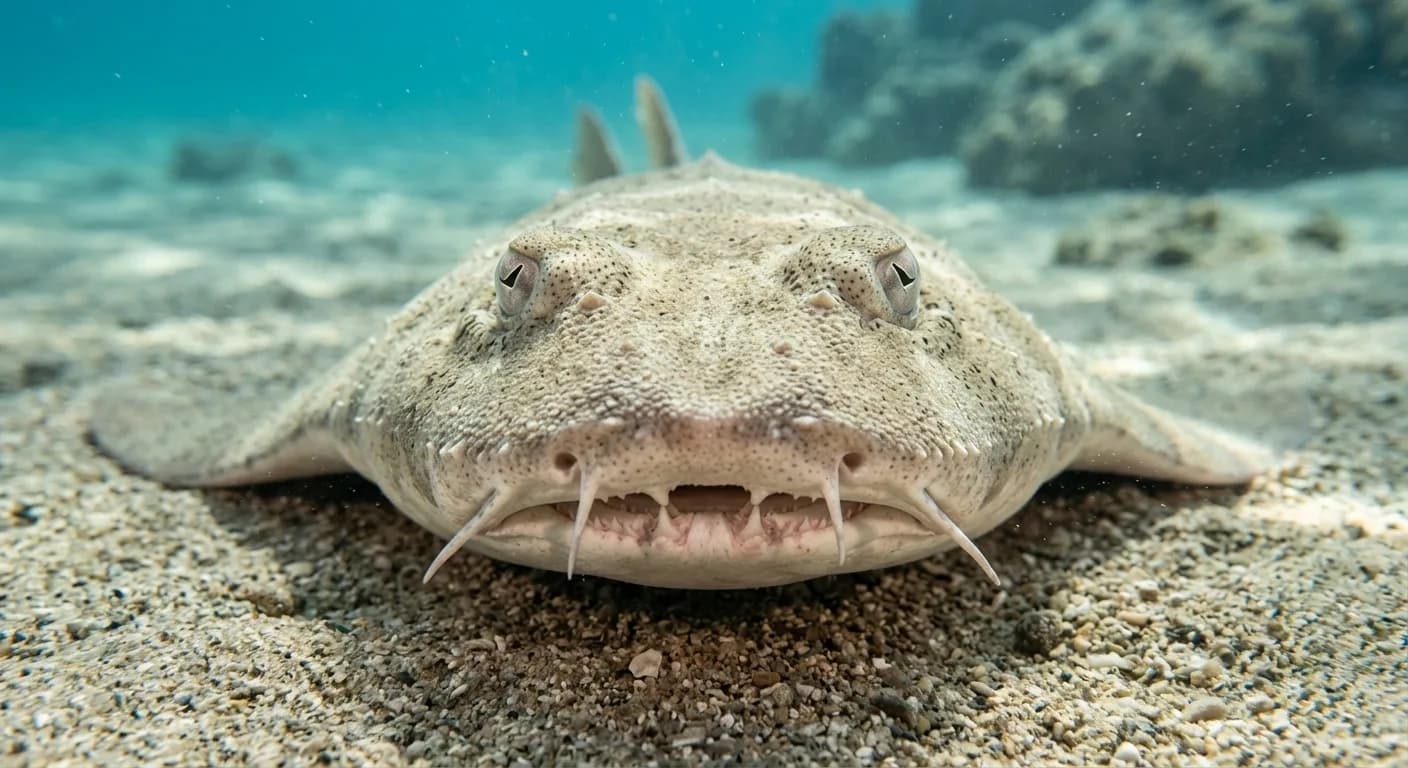 Critically Endangered
Angelshark
Squatina squatina
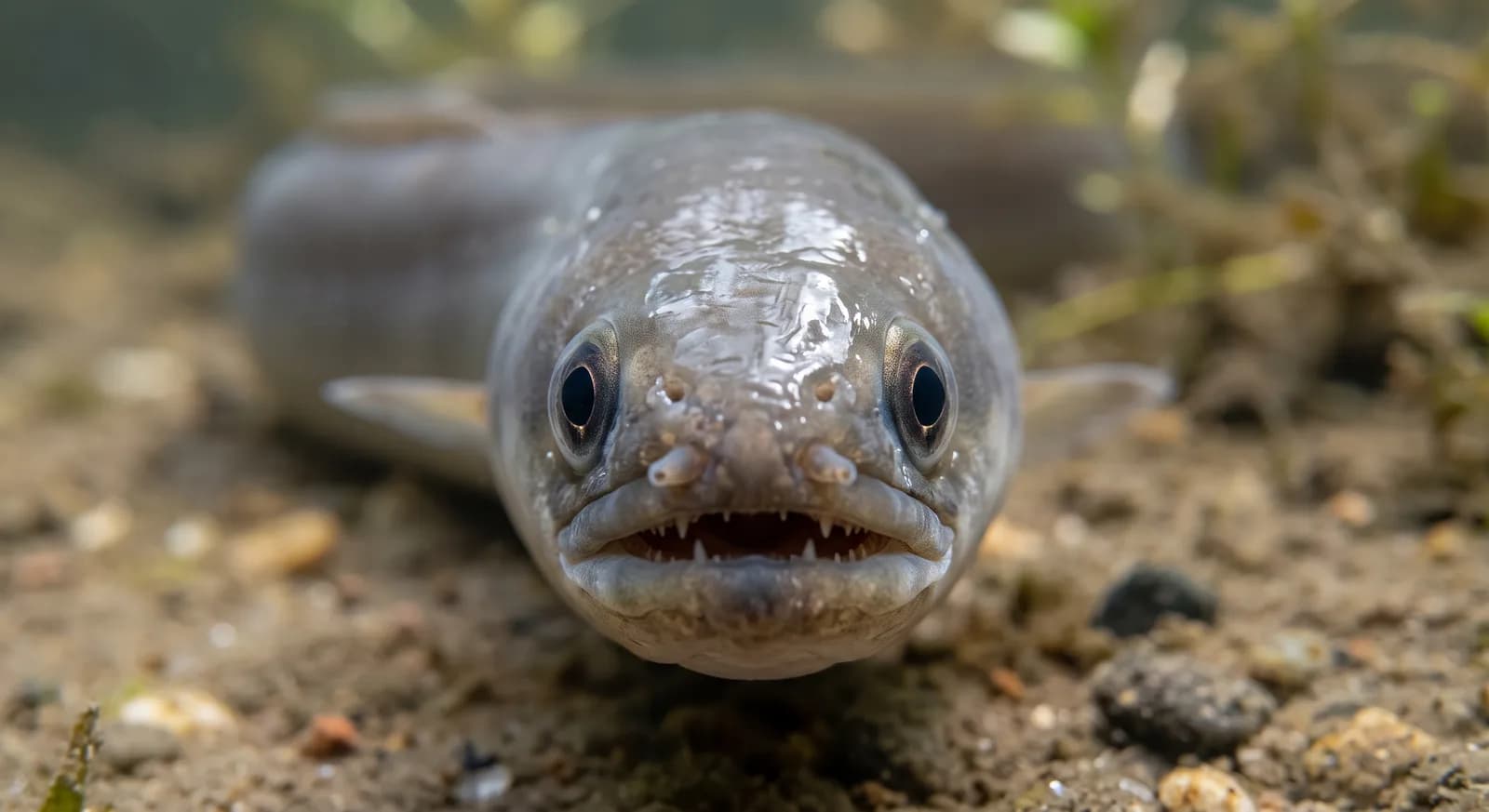 Critically Endangered
European Eel
Anguilla anguilla
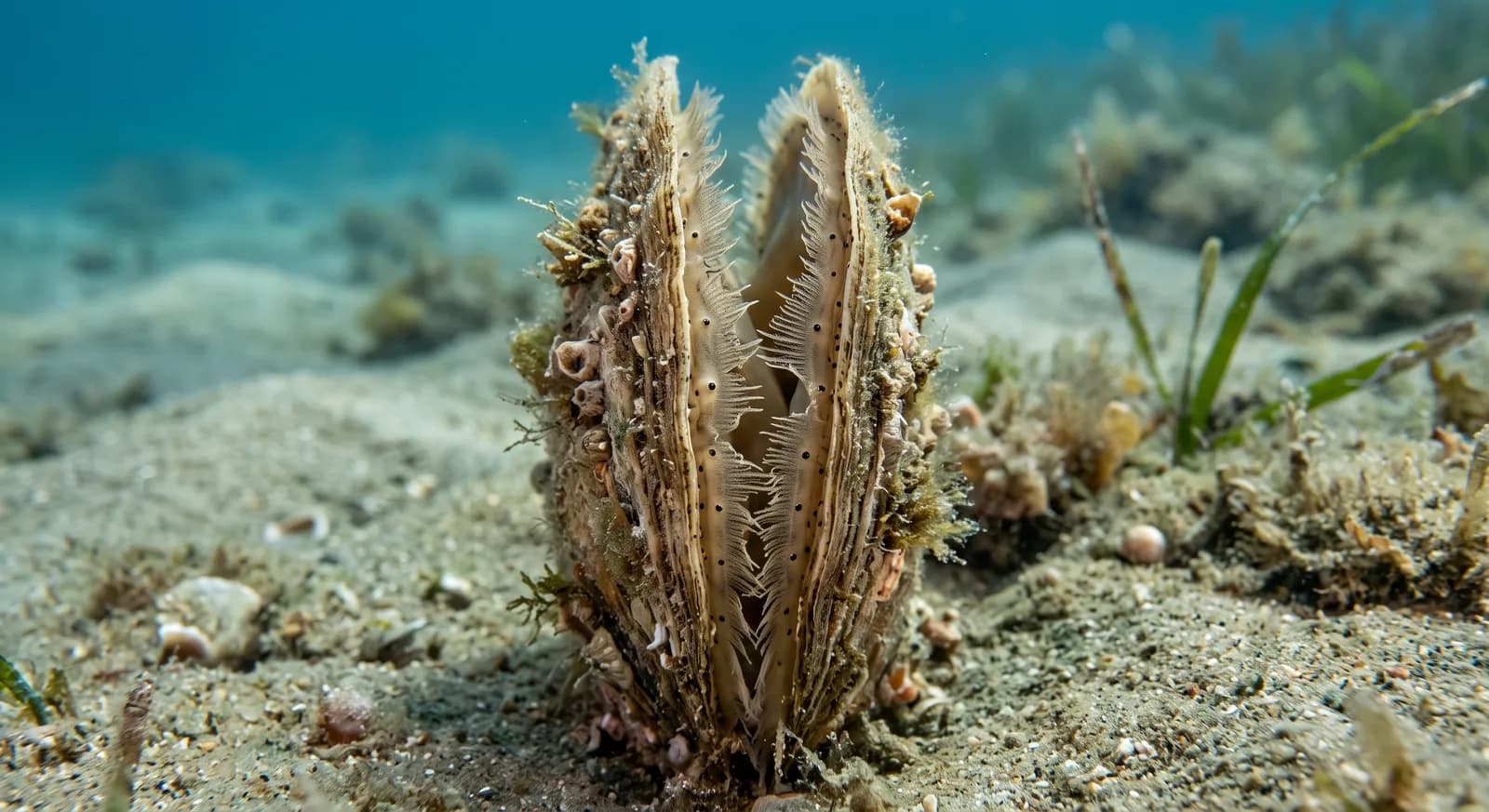 Critically Endangered
Fan Mussel
Pinna nobilis
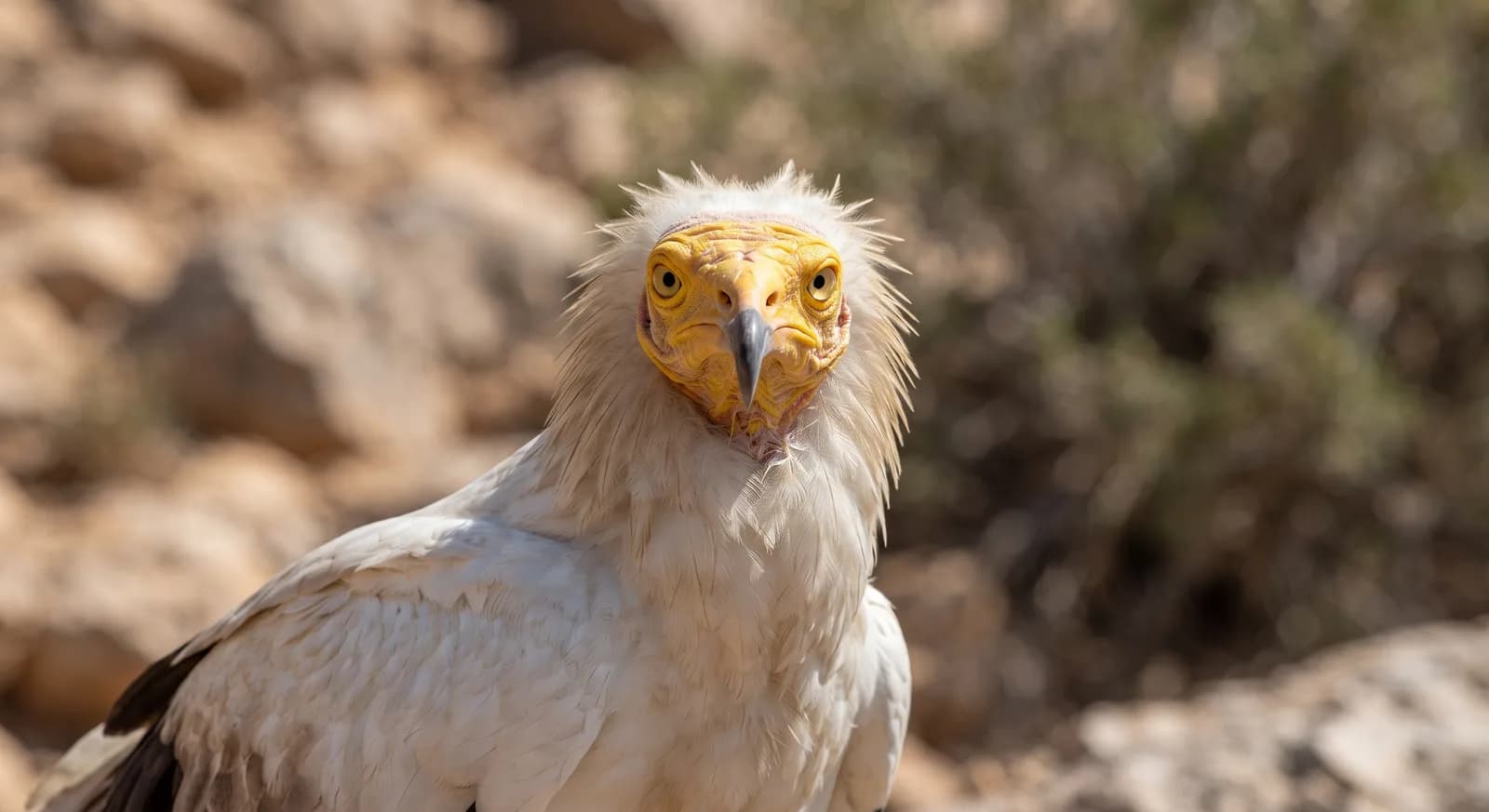 Endangered
Egyptian Vulture
Neophron percnopterus
 Endangered
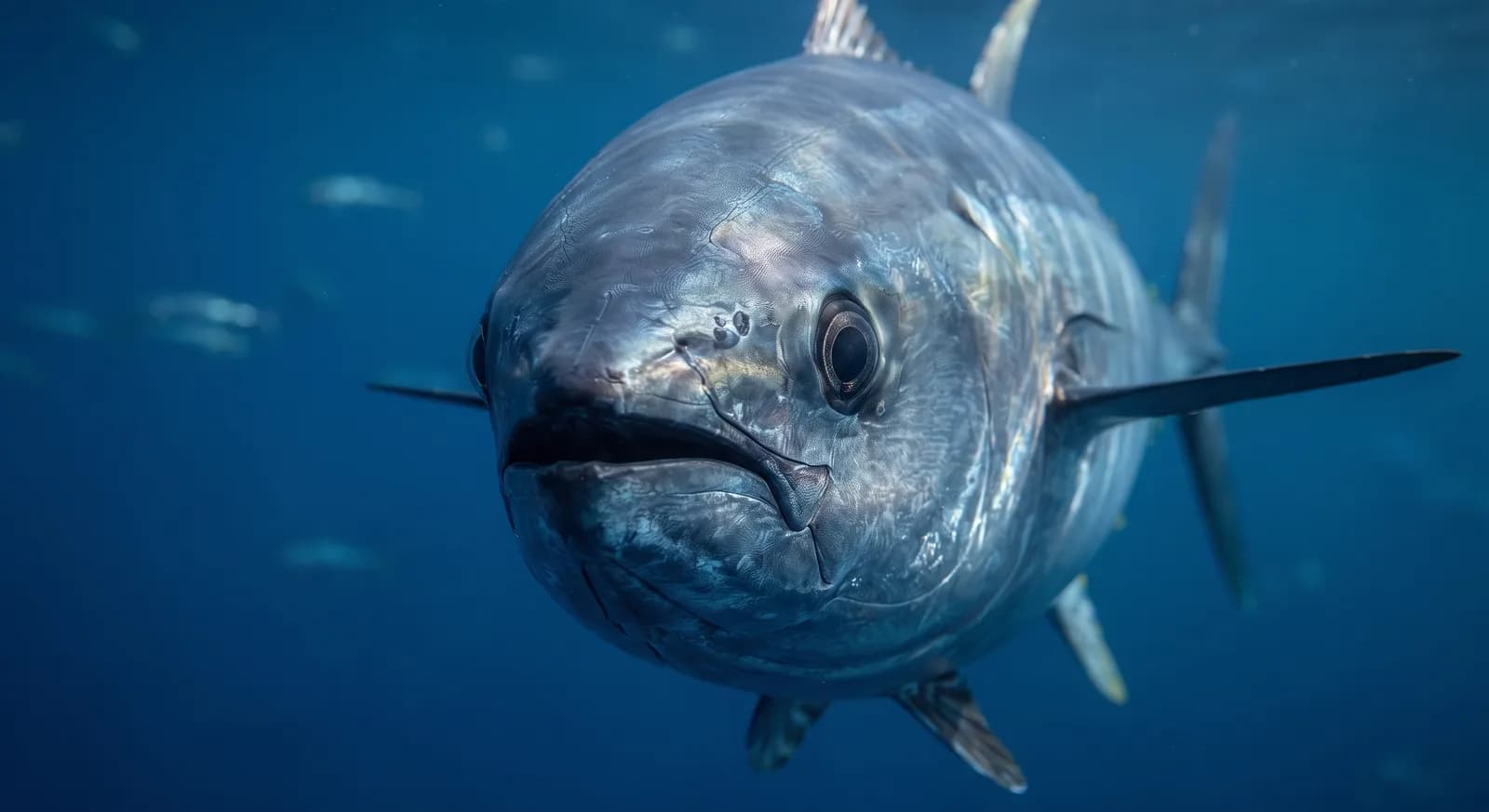
Atlantic Bluefin Tuna
Thunnus thynnus
 Endangered
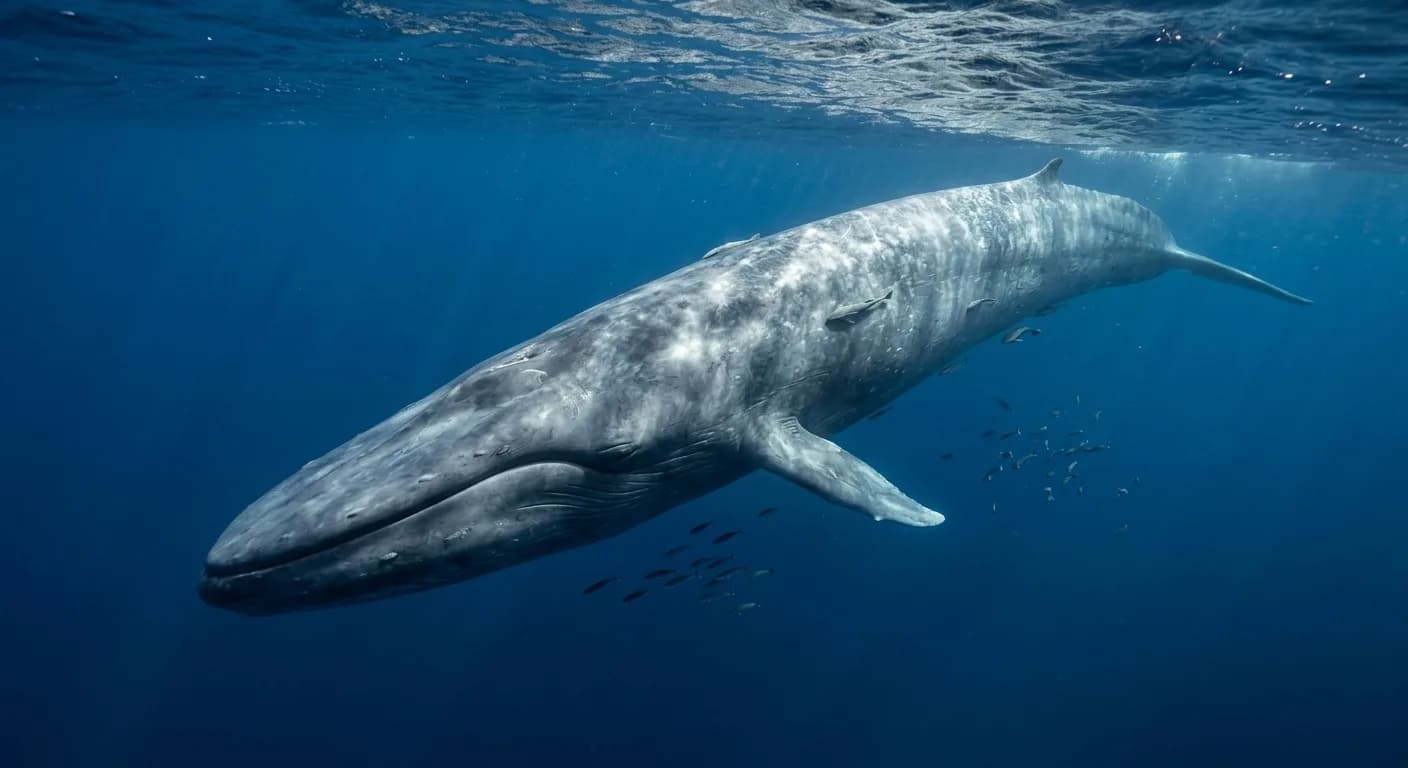
Blue Whale
Balaenoptera musculus
 Endangered
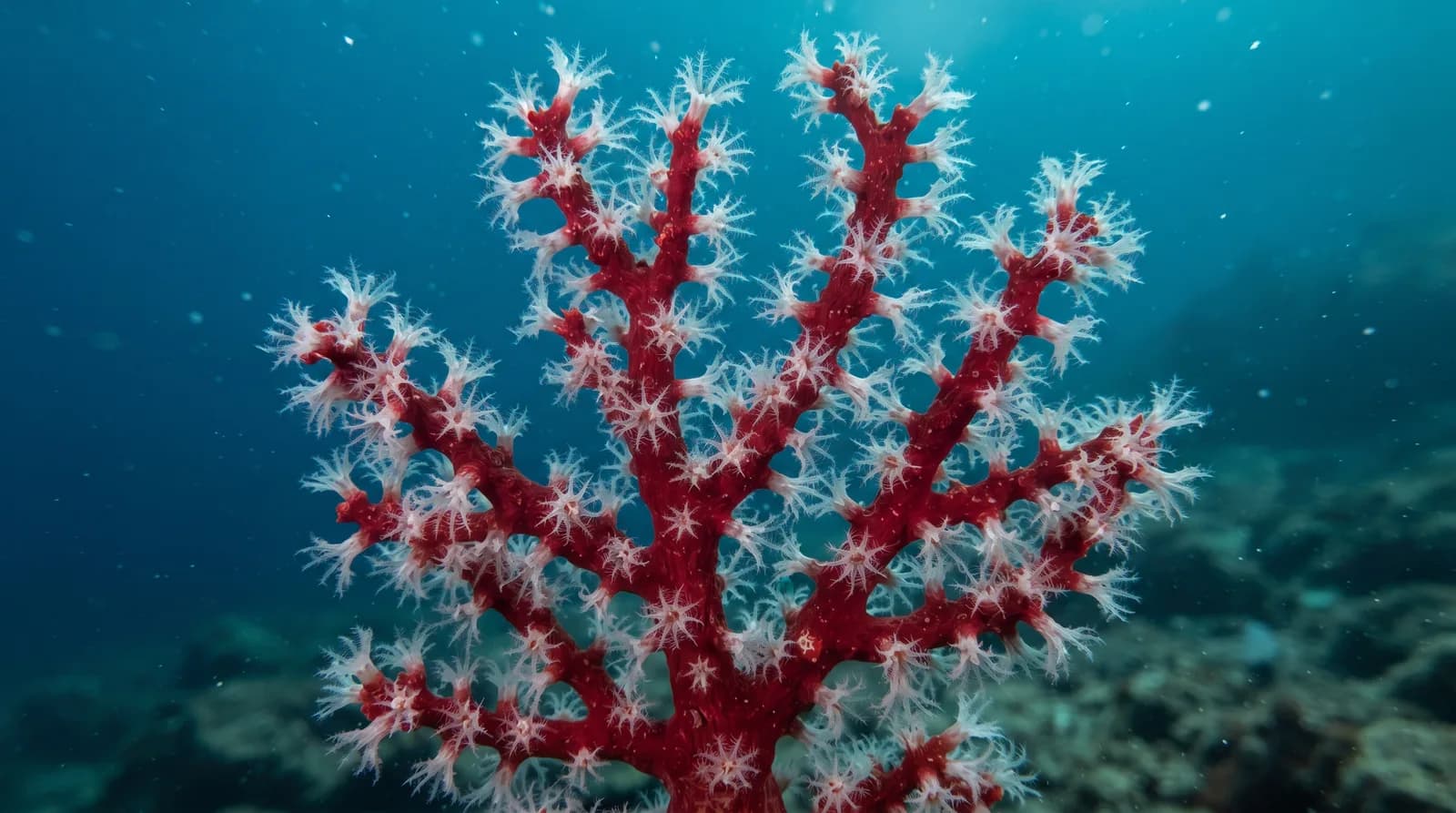
Red Coral
Corallium rubrum
 Endangered
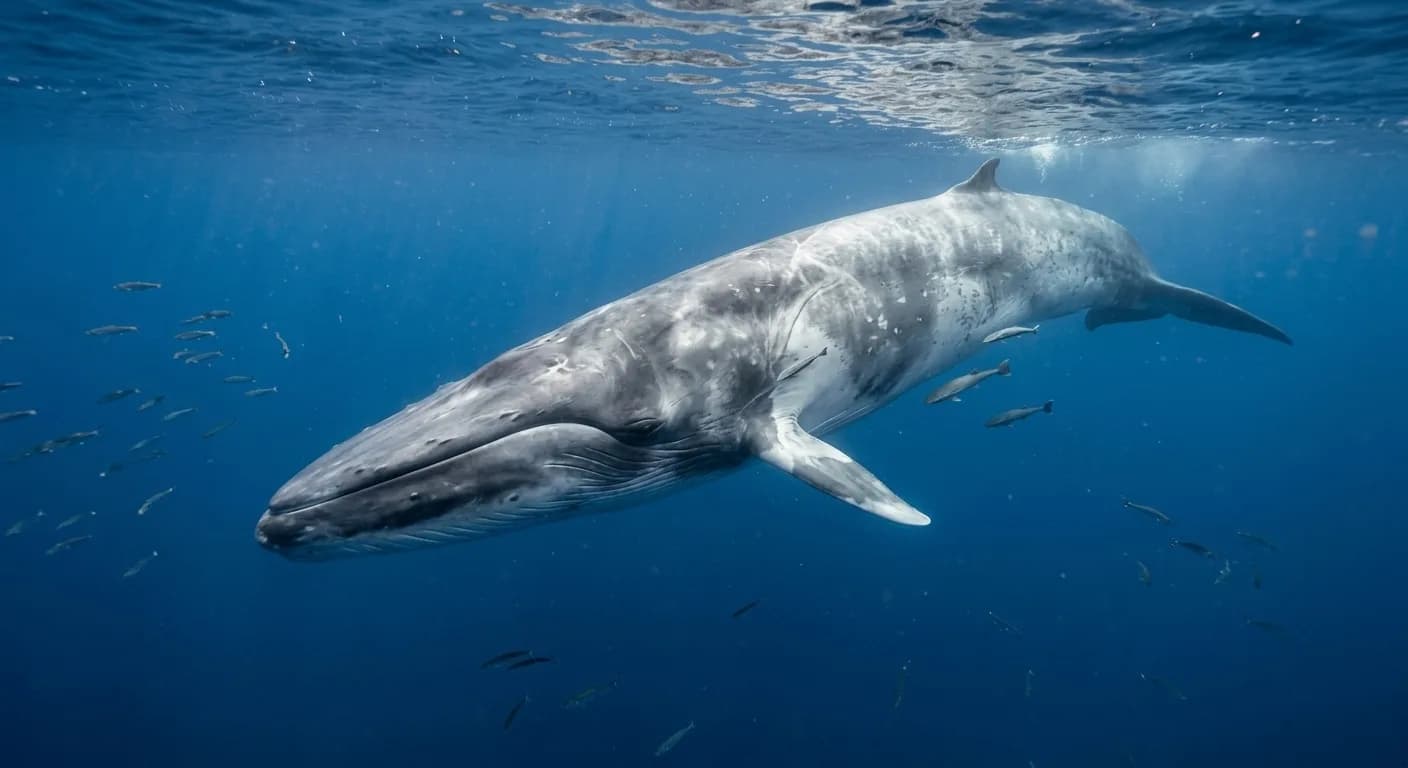
Fin Whale
Balaenoptera physalus
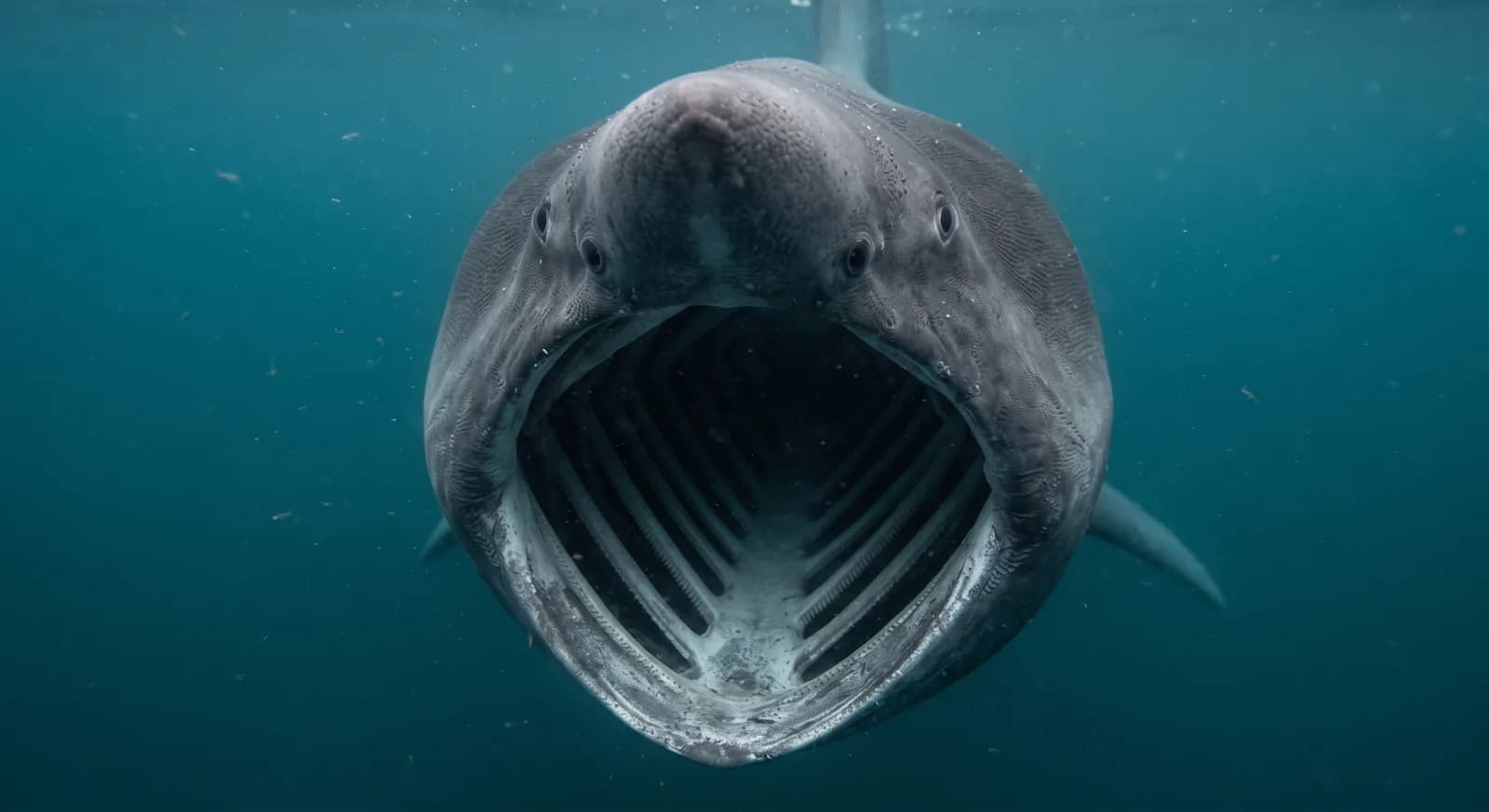 Endangered
Basking Shark
Cetorhinus maximus
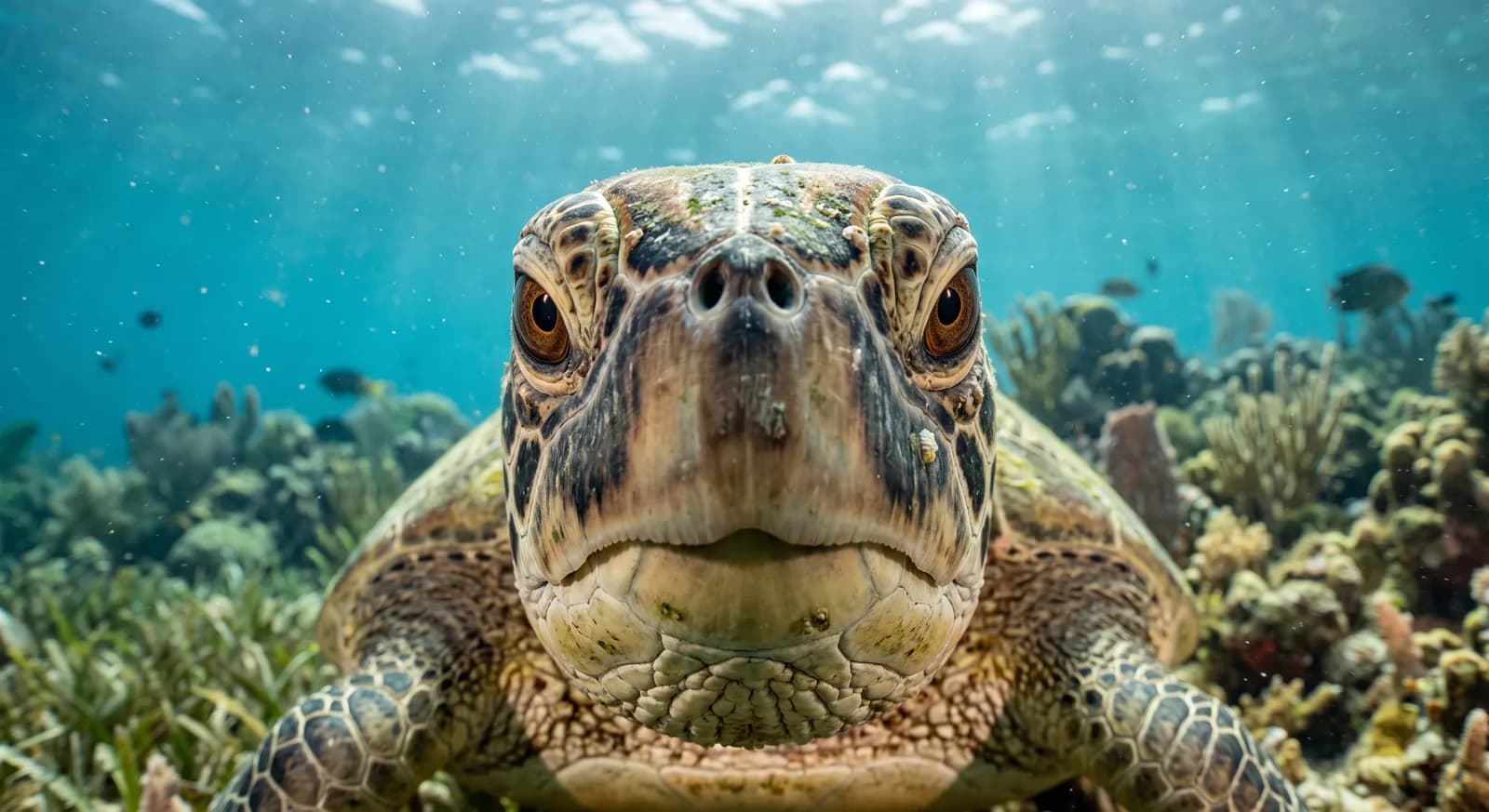 Endangered
Green Turtle
Chelonia mydas
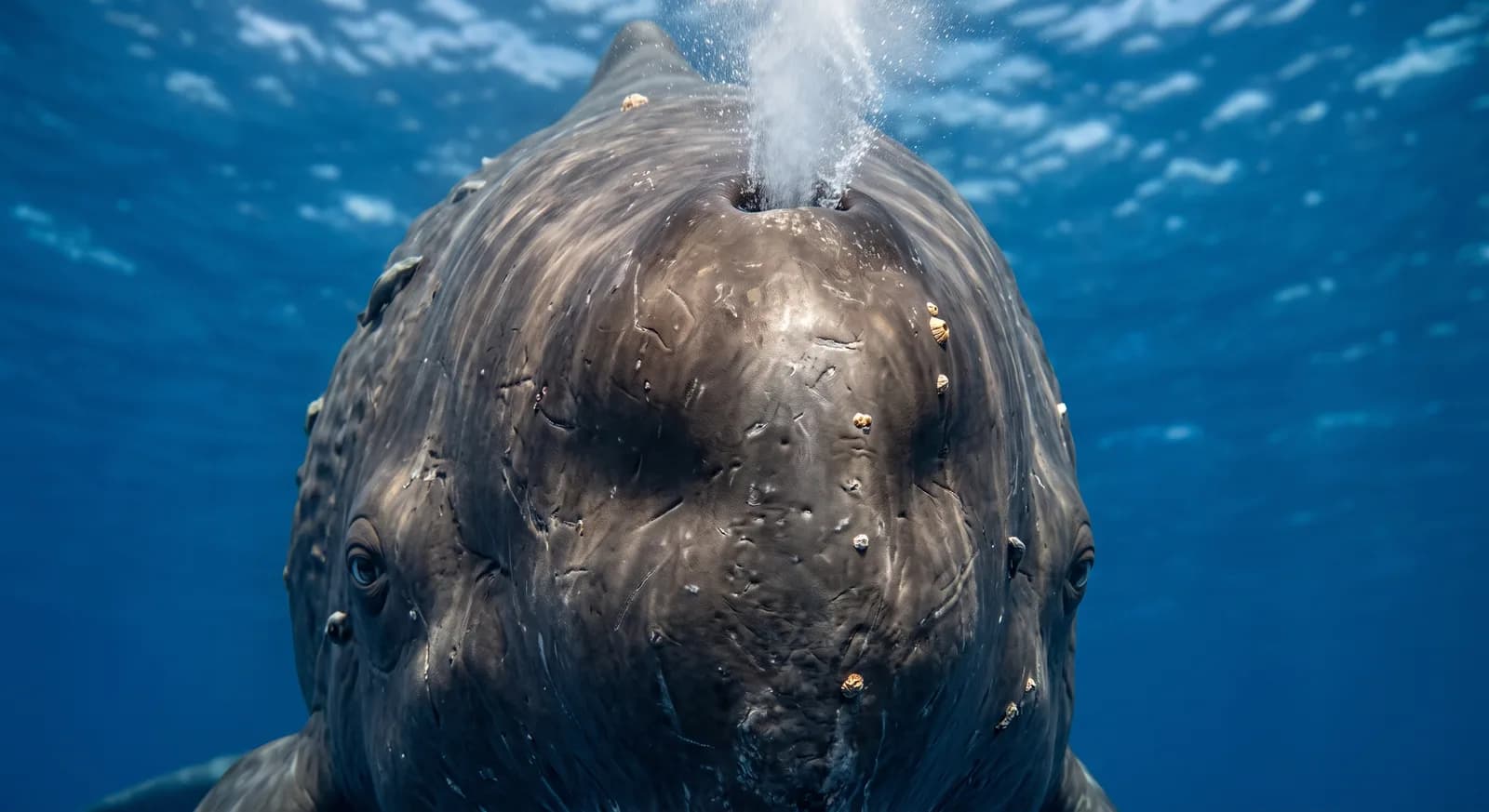 Vulnerable
Sperm Whale
Physeter macrocephalus
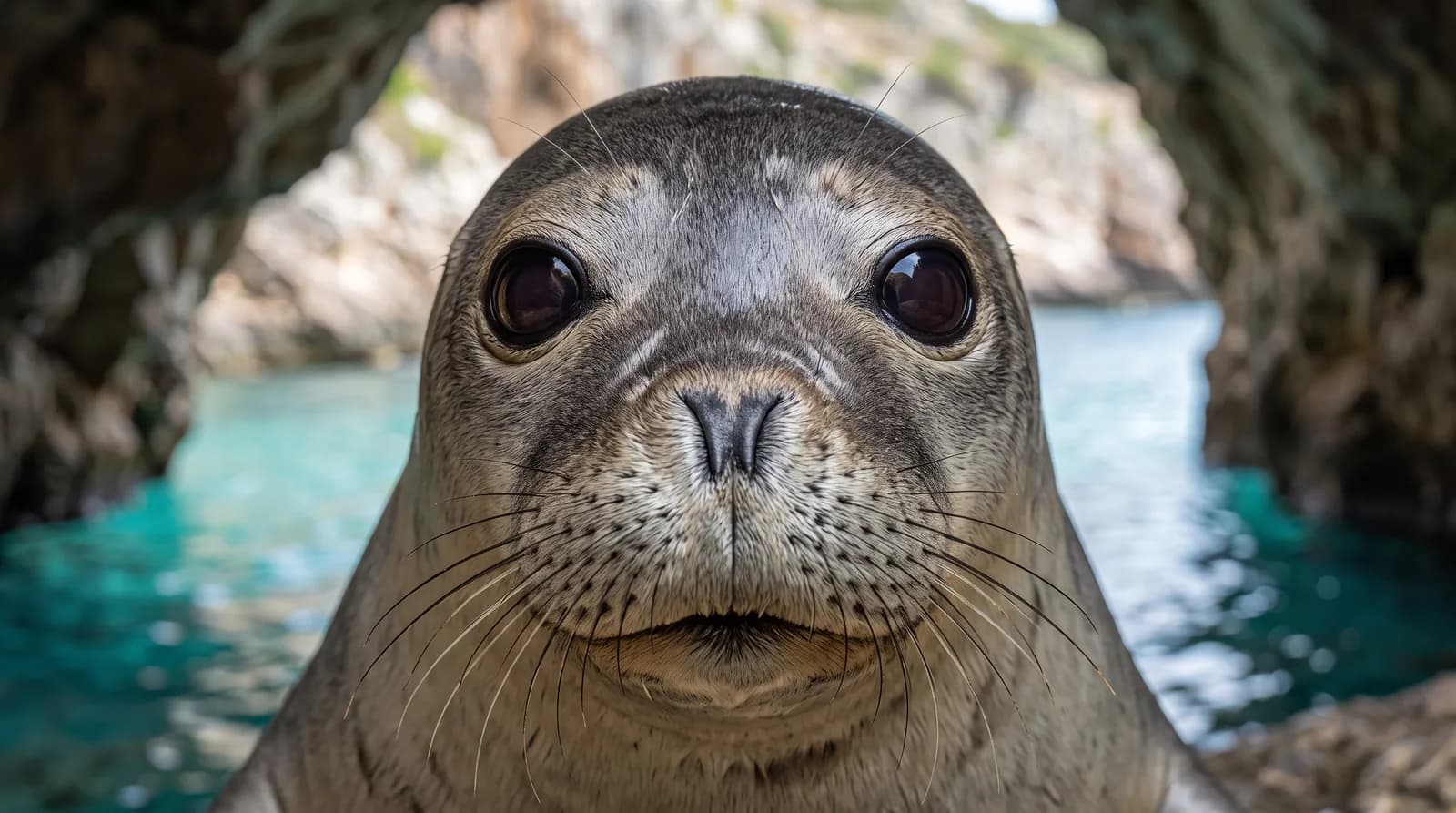 Vulnerable
Mediterranean Monk Seal
Monachus monachus
Keep exploring
Based on what we already know about Italy.