One of the 3 spoonbills on WAnimals
Birds · Pelecaniformes · Threskiornithidae
African Spoonbill
Platalea alba
The species is abundant and widely distributed; it faces no significant short-term risk. See full glossary
A wading bird with white plumage, a bare face of intense red and red legs, features that separate it from the European spoonbill. Its bill is long, grey and flattened at the tip into a spoon, with which it sweeps the water from side to side to detect prey by touch.
Weight
1.5 kg on average
Diet
Carnivore
Feeds mainly on other animals.
Activity
Diurnal
Active mainly during the day.
Social structure
Colony
Lives in large concentrations, often for breeding reasons.
Sighting difficulty
Easy
Estimated population
Between 7,300 and 73,000 mature individuals, with a stable population
Fun facts
- It feeds by touch, not by sight: it walks along sweeping the water with its bill half open and snaps it shut the moment it brushes against prey.
- It is covered by the AEWA Agreement on the Conservation of African-Eurasian Migratory Waterbirds.
- Its colonies are usually single-species, unlike those of most colonial African wading birds.
Life cycle & biology
- Skeleton type
- Vertebrate - internal bony skeleton (bird)
- Habitat & environment
- Marshy wetlands with shallow, open water. It nests in colonies set in trees or reedbeds, and generally does not share a colony with storks or herons
- Size at birth
- A chick covered in white down, with a short bill: it does not take on the spoon shape until thirty days
- Sexual maturity
- About 3 years
- Gestation / incubation
- Up to 29 days, with both parents incubating. The chicks are tended by both parents for 20 to 30 days, leave the nest shortly afterwards and begin to fly about four weeks later
- Litter / clutch size
- 3-5 eggs; some sources give clutches of 2-3
Sources consulted: IUCN Red List; Wikipedia (African spoonbill); Maryland Zoo (ficha de especie); Acuerdo AEWA sobre aves acuáticas migratorias afroeurasiáticas; Avibase
Where to find it
See its range on the interactive mapBest time: All year round in the wetlands of sub-Saharan Africa and Madagascar
Where to watch it
Parques y spots de buceo donde se ha documentado esta especie — se muestran 10 de 67 documentados.
Related species
Other species in the catalogue with the most in common with African Spoonbill — same habitat, park, country, tags or family.
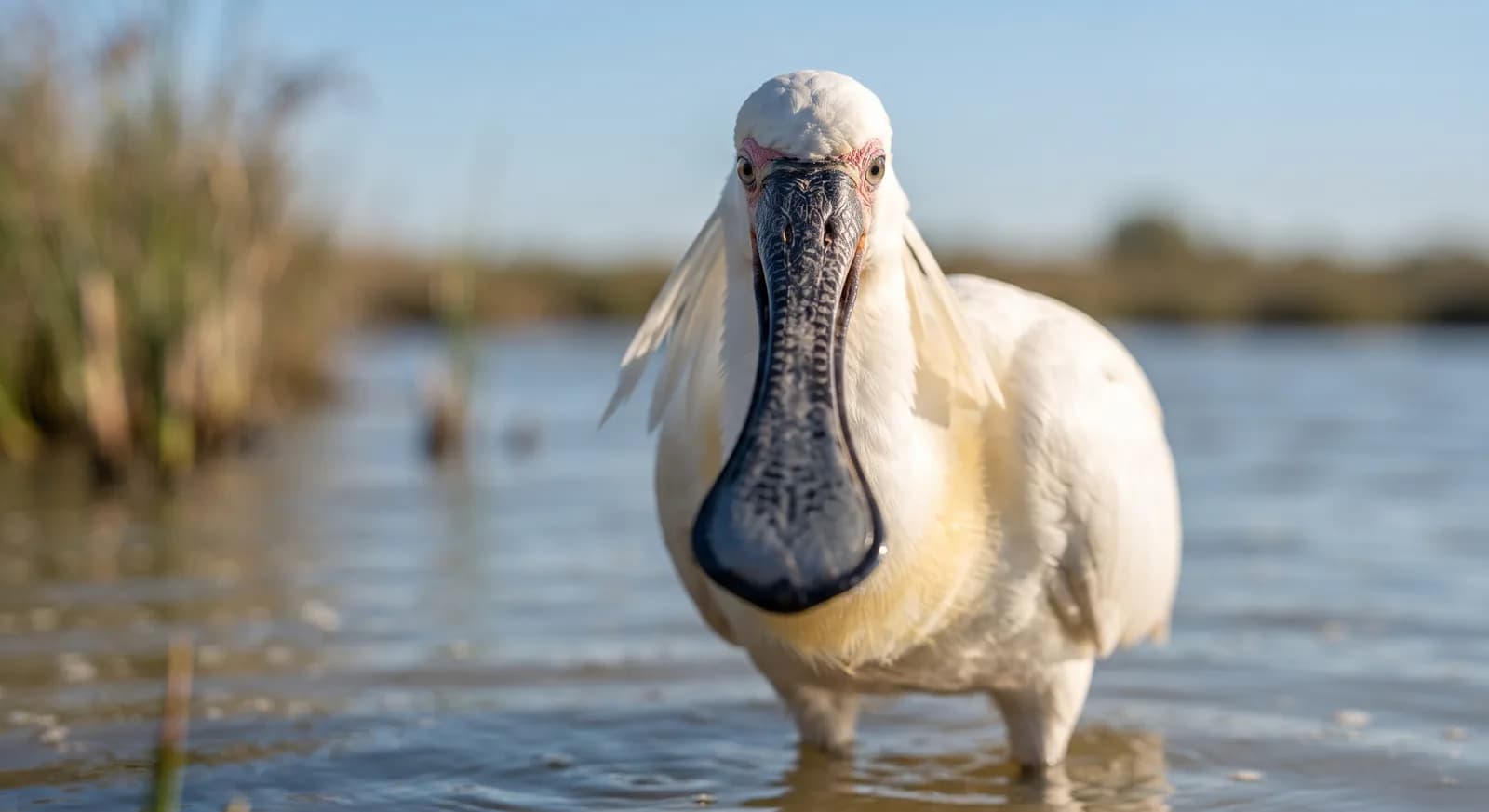 Least Concern
Eurasian Spoonbill
Platalea leucorodia
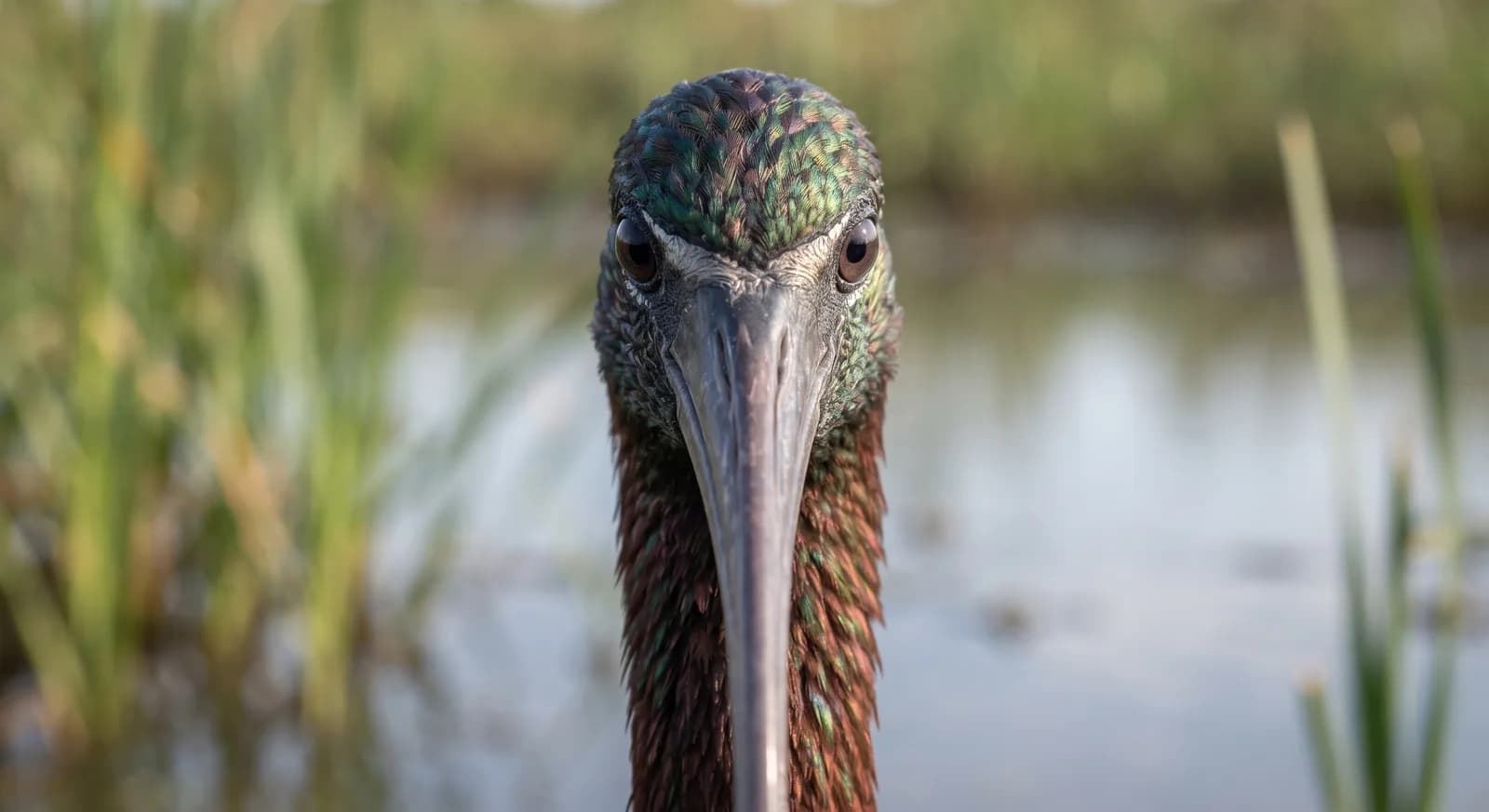 Least Concern
Glossy Ibis
Plegadis falcinellus
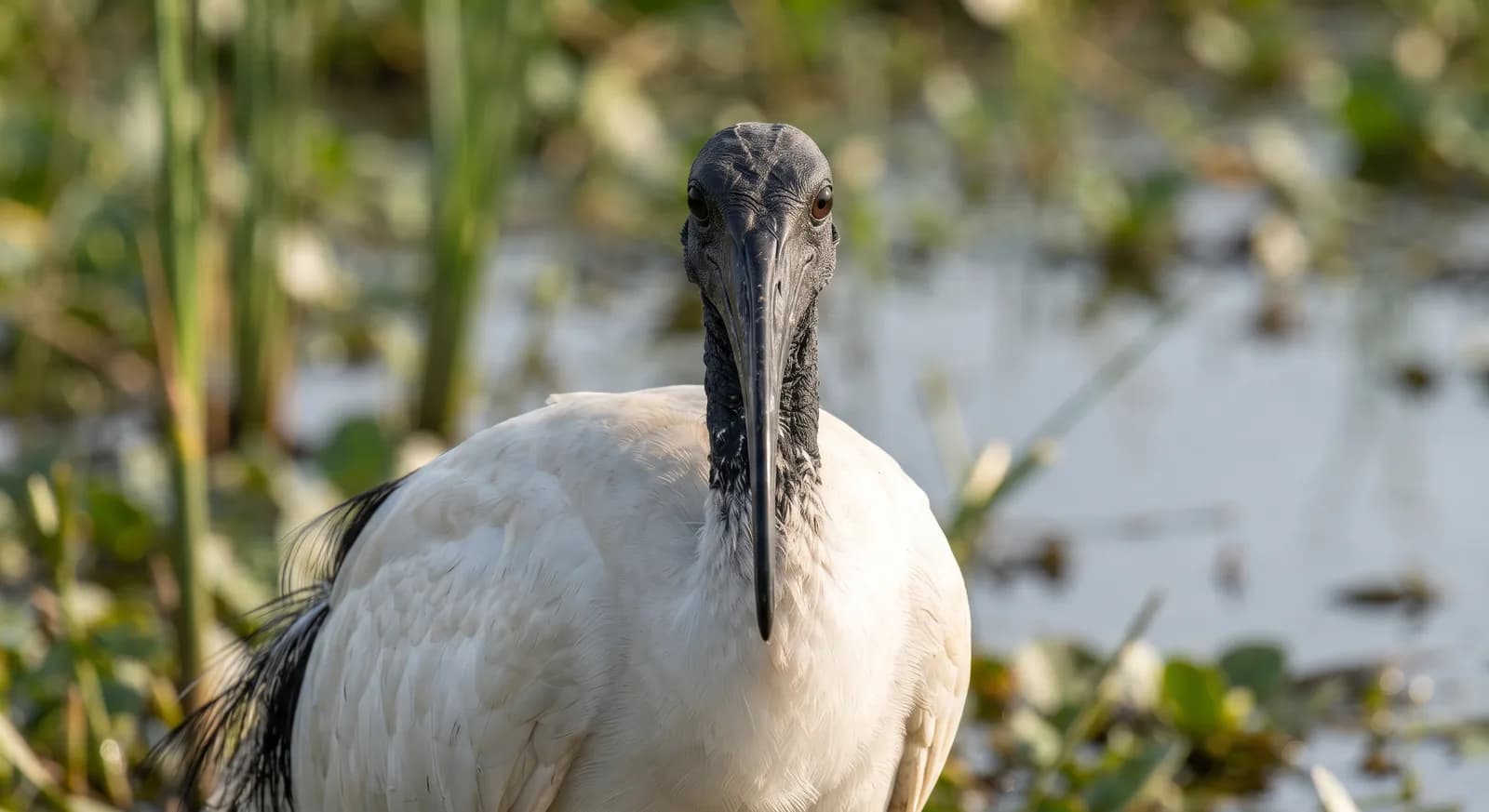 Least Concern
African Sacred Ibis
Threskiornis aethiopicus
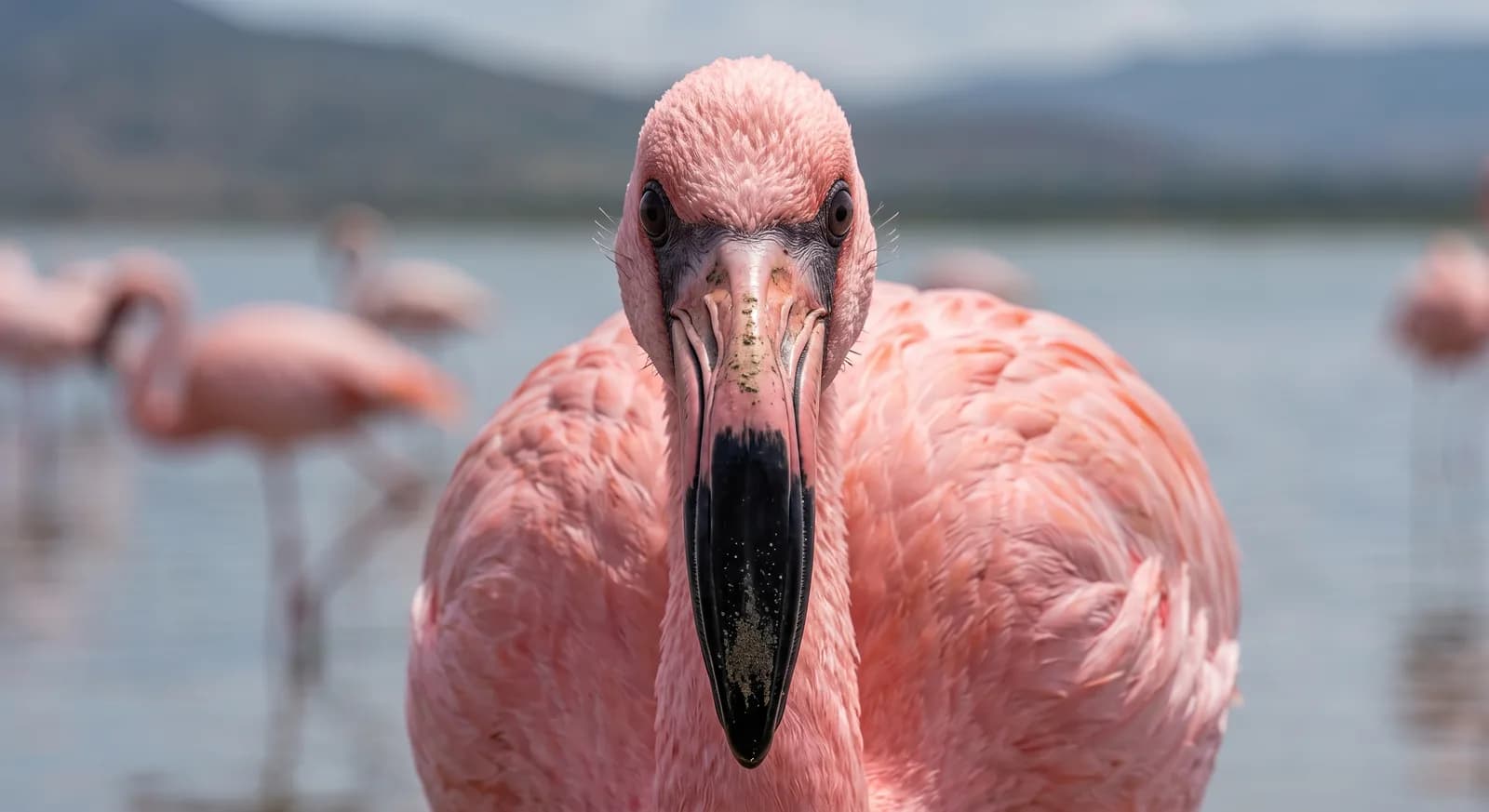 Least Concern
Greater Flamingo
Phoenicopterus roseus
Black-winged Stilt
Himantopus himantopus
 Least Concern
Grey Heron
Ardea cinerea
Keep exploring
Based on what we already know about african spoonbill.
Comments
Share an experience, a fun fact or a tip for seeing the african spoonbill.
Be the first to comment.