Estonia
Europa
Estonia is a flat, forested country, with more than half its surface under woodland and a fifth taken up by peatland, one of the highest proportions in Europe. The great forests of the northeast and south hold dense populations of brown bear, lynx, wolf and moose, in ratios hard to find in such a small country. At Soomaa, the spring flood inundates the forests and bogs and creates what Estonians call the fifth season, weeks when the only way to get about is by boat and moose swim between the trunks. On the west coast, Matsalu bay and the straits between the islands of Saaremaa and Hiiumaa gather hundreds of thousands of barnacle geese, swans and Arctic ducks each spring as they stop over on their way to Russia. The coastal meadows and juniper stands of the islands are singular Baltic habitats.
The nature of Estonia
National animal: The grey wolf, chosen as national animal in 2018; the barn swallow is the national bird
Did you know?
The Siberian flying squirrel reaches the western limit of its world range in Estonia: along with Finland, this is the only European Union country where it still survives. Barely a few hundred are left in the mature aspen forests of the northeast; it glides between trees on a membrane stretched between its legs and is so discreet and nocturnal that its presence is usually detected from the yellow droppings piled at the foot of the trunks.
Biodiversity profile
Climate
- •Continental humedo (Dfb), con influencia moderadora del Mar Baltico
Main biomes
- •Bosque boreal y mixto (mas de la mitad del territorio cubierto de bosque, quinto pais de Europa en cobertura forestal, solo detras de Finlandia, Suecia, Montenegro y Eslovenia)
- •Turberas y pantanos extensos
- •Costa baltica con mas de 1.500 islas marinas (80% pequeñas)
- •Turbera elevada
- •Bosque boreal mixto
- •Pradera costera
- •Bosque inundable
- •Archipiélago báltico
- •Bosque de álamo temblón
- •Enebral costero
Marine and coastal ecosystems
- •Costa del Mar Baltico con mas de 1.500 islas, praderas marinas y zonas de baja salinidad
Flagship wildlife
- •Lince euroasiatico
- •Oso pardo
- •Lobo gris
- •Aves migratorias en turberas y humedales costeros
- •Lince boreal
- •Alce
- •Castor europeo
- •Barnacla cariblanca
- •Pigargo europeo
- •Cigüeña negra
- •Foca gris
- •Ardilla voladora siberiana
Notable endemic species
- •Aprox. 40.000 especies estimadas en el pais, de las cuales solo el 60% (23.500) habian sido identificadas hasta 2008
- •Estonia conserva una proporcion de naturaleza relativamente alta para Europa, gracias en parte a practicas agricolas tradicionales y a que la mayor destruccion de habitat comenzo mas tarde que en el resto del continente (periodo sovietico)
Notable threatened species
- •Una quinta parte de la biota descubierta ha sido evaluada para riesgo de extincion; el pais mantiene un indice de proteccion de especies con puntuacion media de 44 segun evaluaciones internacionales recientes
Notable protected areas
- •Reserva Natural de Sookuninga (humedal transfronterizo Ramsar con Letonia)
- •Parque Nacional de Lahemaa (el mas antiguo del pais)
- •Parque Nacional de Soomaa
- •Parque Nacional de Matsalu
- •Parque Nacional de Karula
- •Parque Nacional de Vilsandi
- •Isla de Saaremaa
Main conservation threats
- •Presion de la industria forestal, pese al alto porcentaje relativo de bosque protegido
- •Vacios de conocimiento cientifico (40% de la biota estimada aun no identificada a 2008)
Notable natural phenomena
- •Estonia se destaca por conservar una proporcion de naturaleza relativamente alta para los estandares europeos gracias a un inicio mas tardio de la industrializacion agricola intensiva
Conservation
Logging of mature forest is the main threat to the flying squirrel and to woodland birds. Restoring peatlands drained in the Soviet era is now a priority line of work.
Where and when to watch wildlife
Matsalu in April and May for the migratory stopover of geese and swans. Soomaa in spring during the fifth season. The northeastern hides between May and August for brown bear.
Sources: kliimaministeerium.ee - Forestry Estonia biodiversity | CBD - Estonia Country Profile | E.O. Wilson Biodiversity Foundation - Estonia National Report Card
Parks and reserves
Lahemaa
The first national park in the former USSR; Baltic coast and boreal forest
View parkNational ParkKarula
Estonia's smallest national park, a landscape of kame hills and lakes in the south of the country.
View parkNational ParkMatsalu
One of the most important migration wetlands in Europe, with gatherings of tens of thousands of cranes and geese.
View parkNational ParkSoomaa
The "land of bogs", with a fifth season each year when the forest is travelled by canoe.
View parkNational ParkVilsandi
The origin of conservation in the Baltic: a bird sanctuary created in 1910 by a lighthouse keeper.
View parkEspecies documentadas en Estonia
471 species found
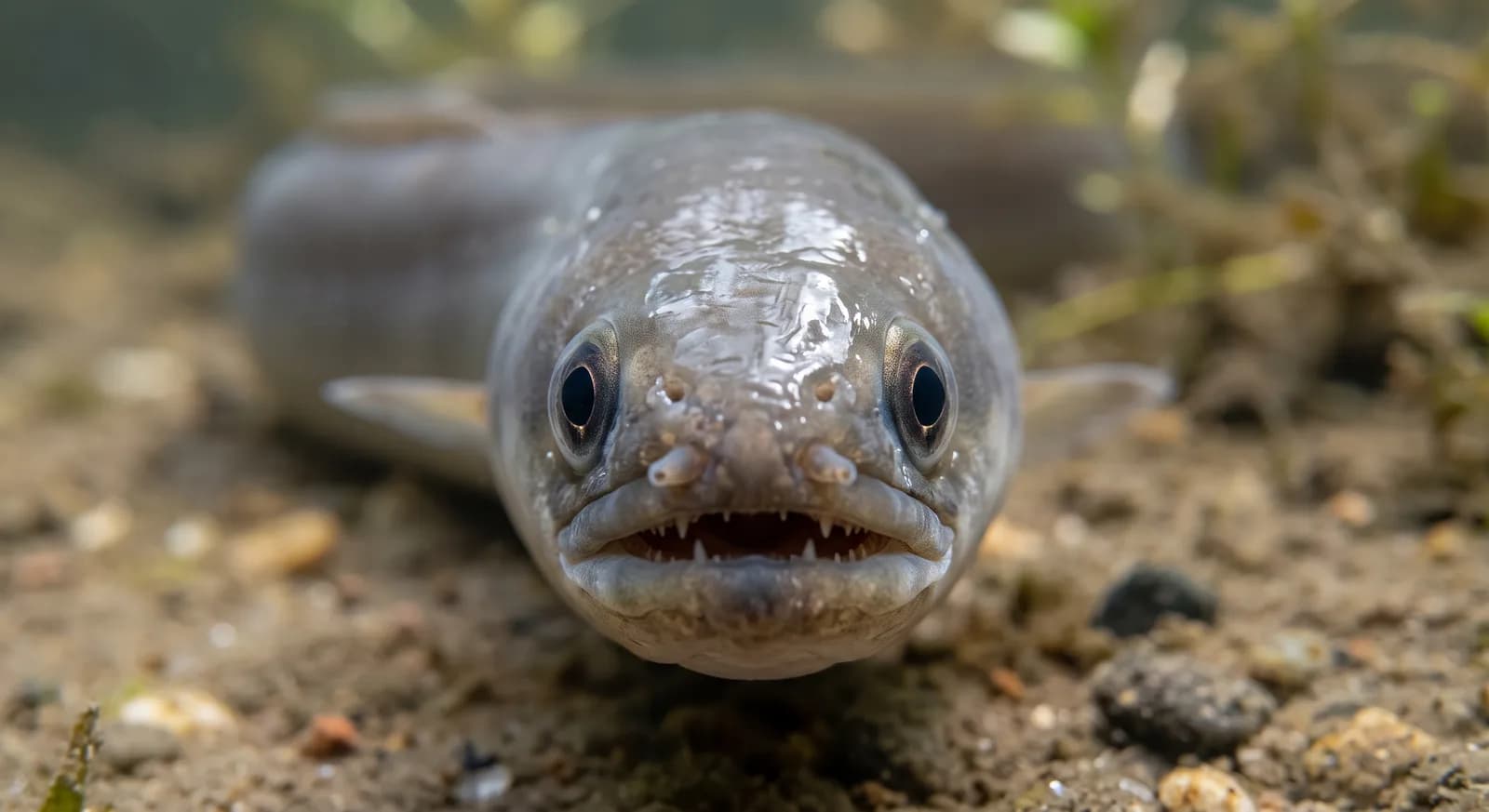 Critically Endangered
European Eel
Anguilla anguilla
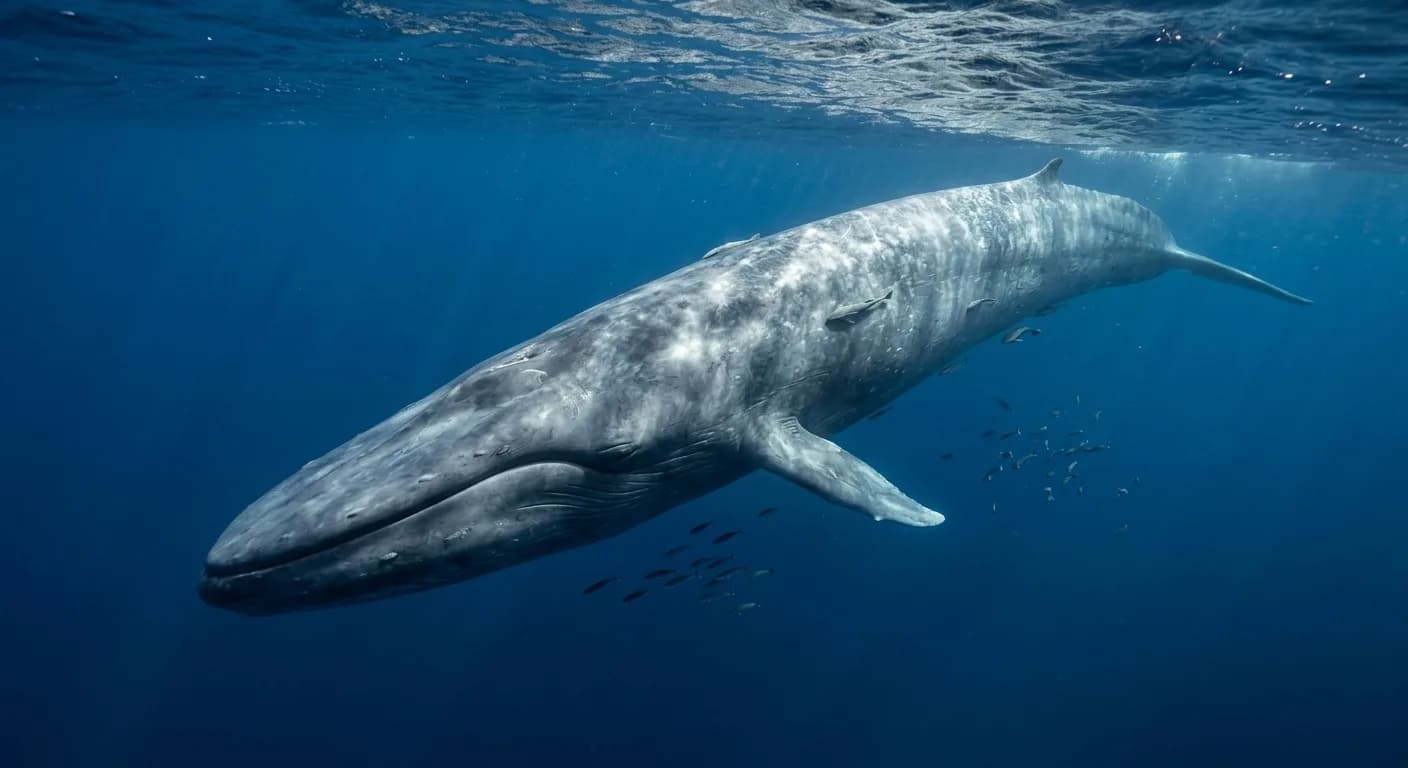 Endangered
Blue Whale
Balaenoptera musculus
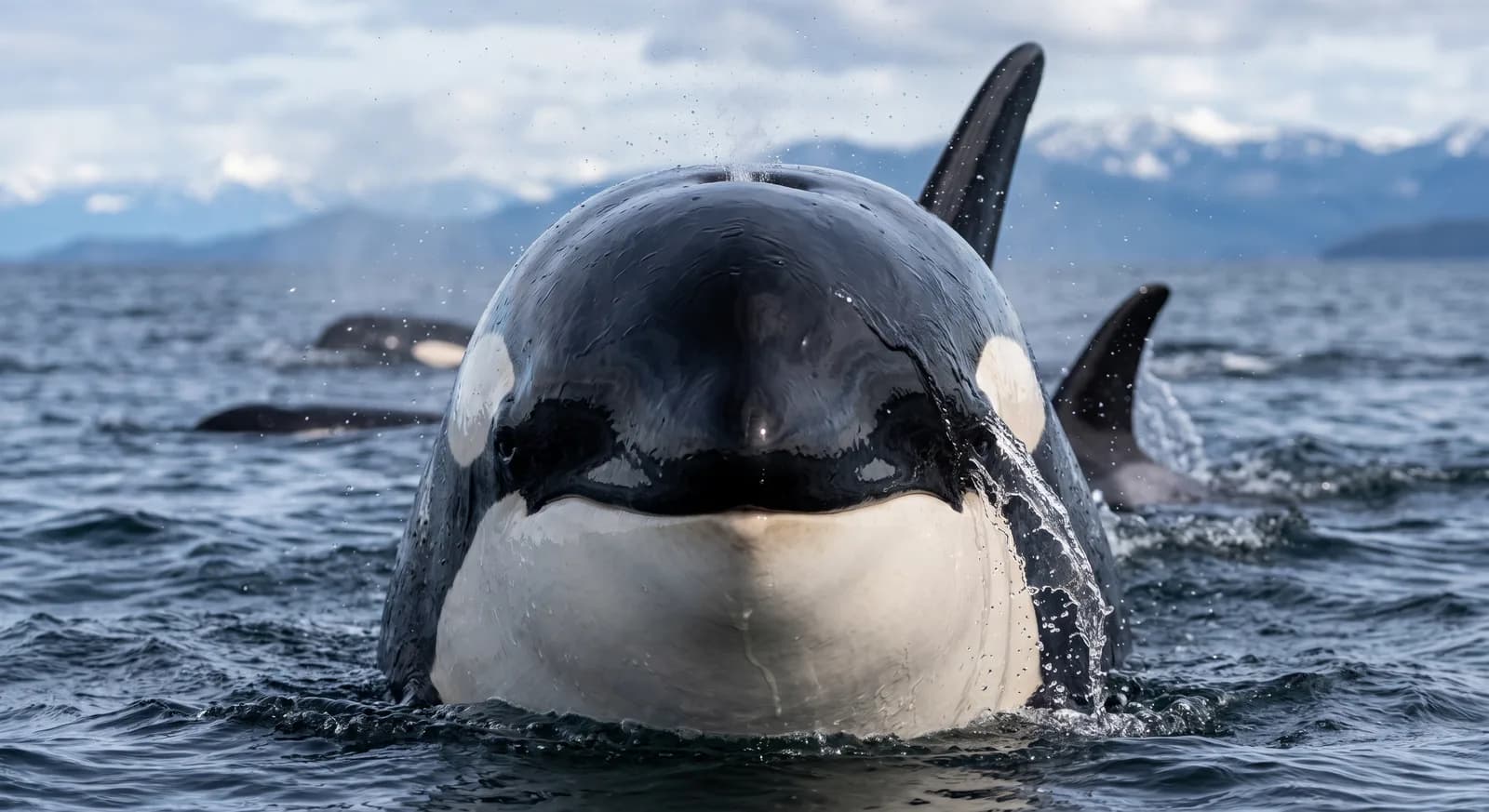 Endangered
Killer Whale
Orcinus orca
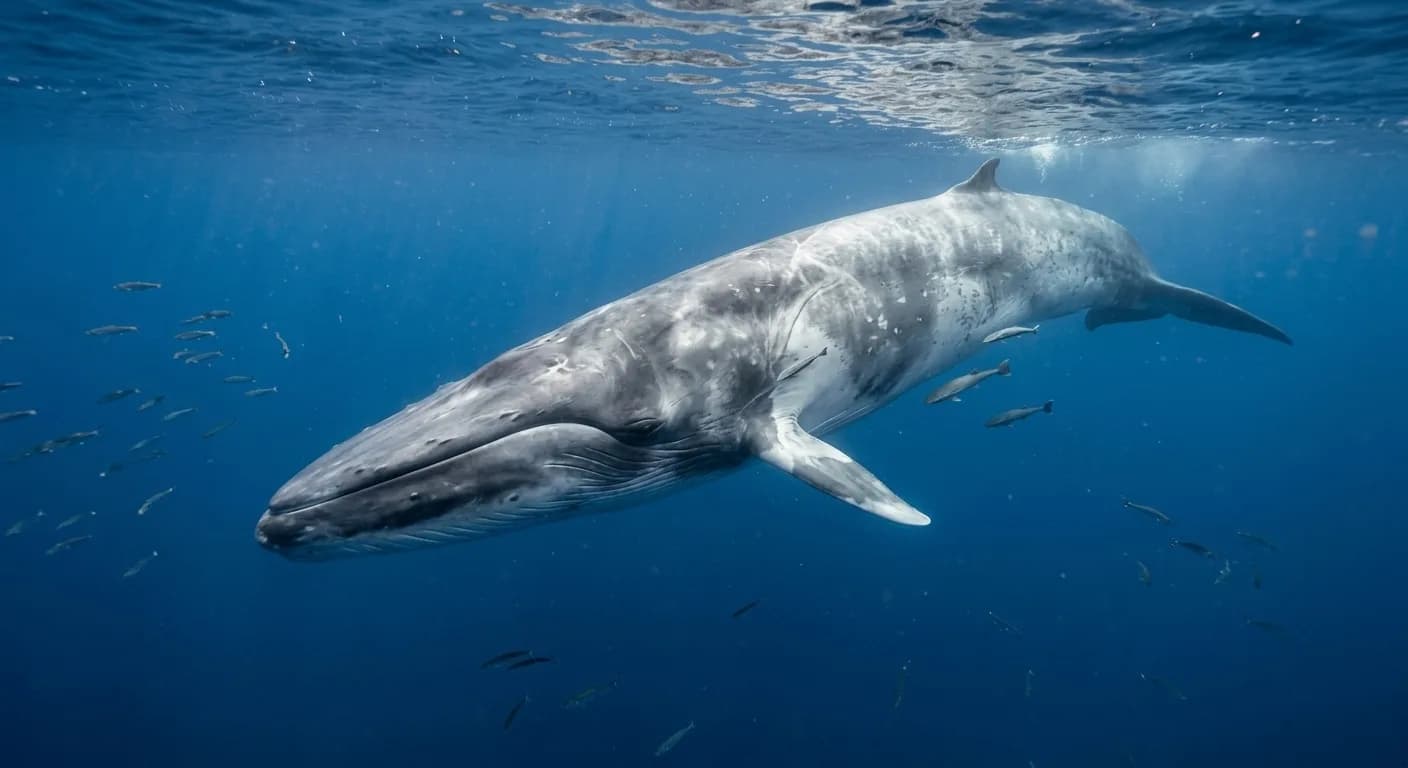 Endangered
Fin Whale
Balaenoptera physalus
 Endangered
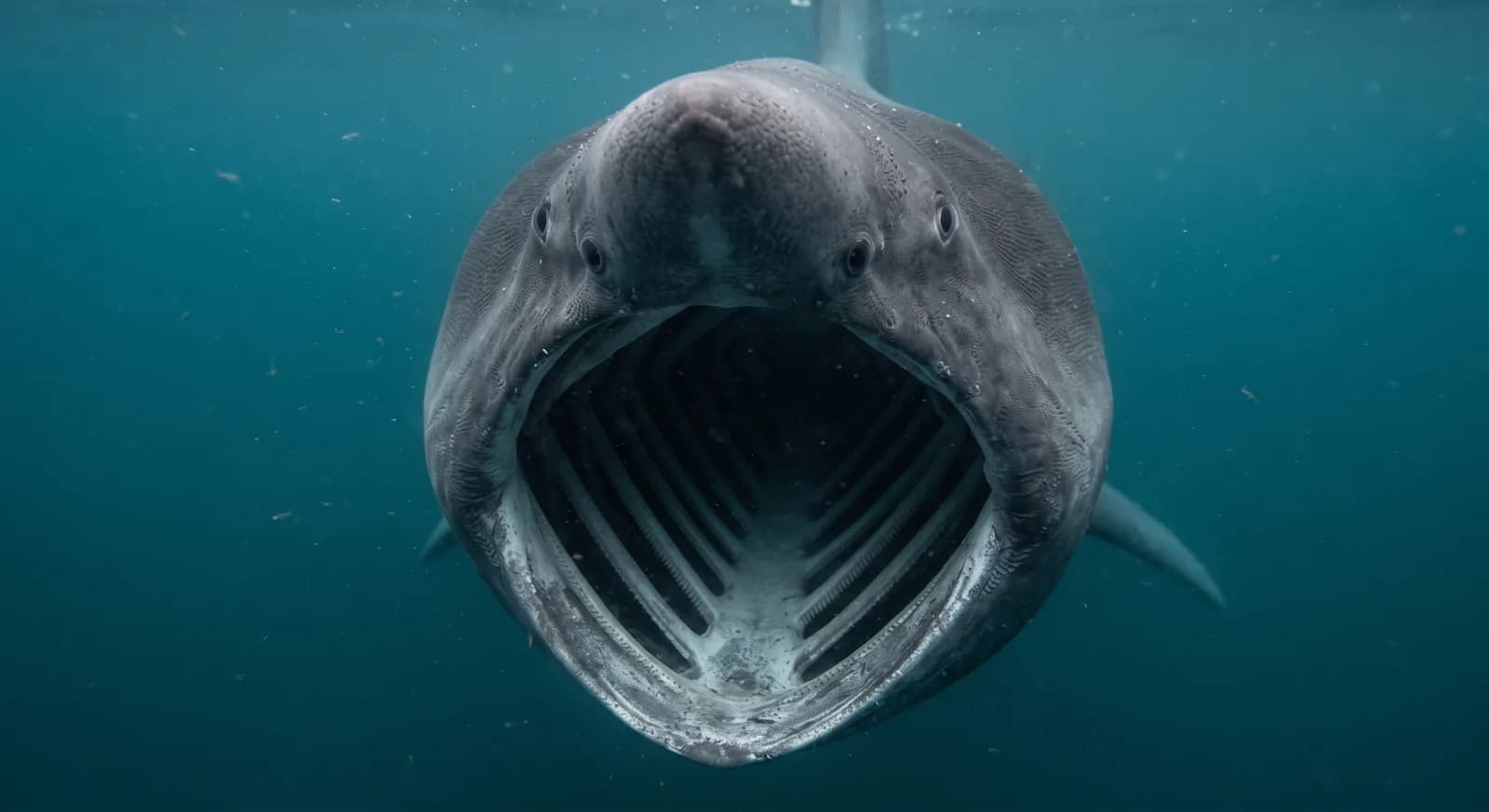
Basking Shark
Cetorhinus maximus
 Vulnerable
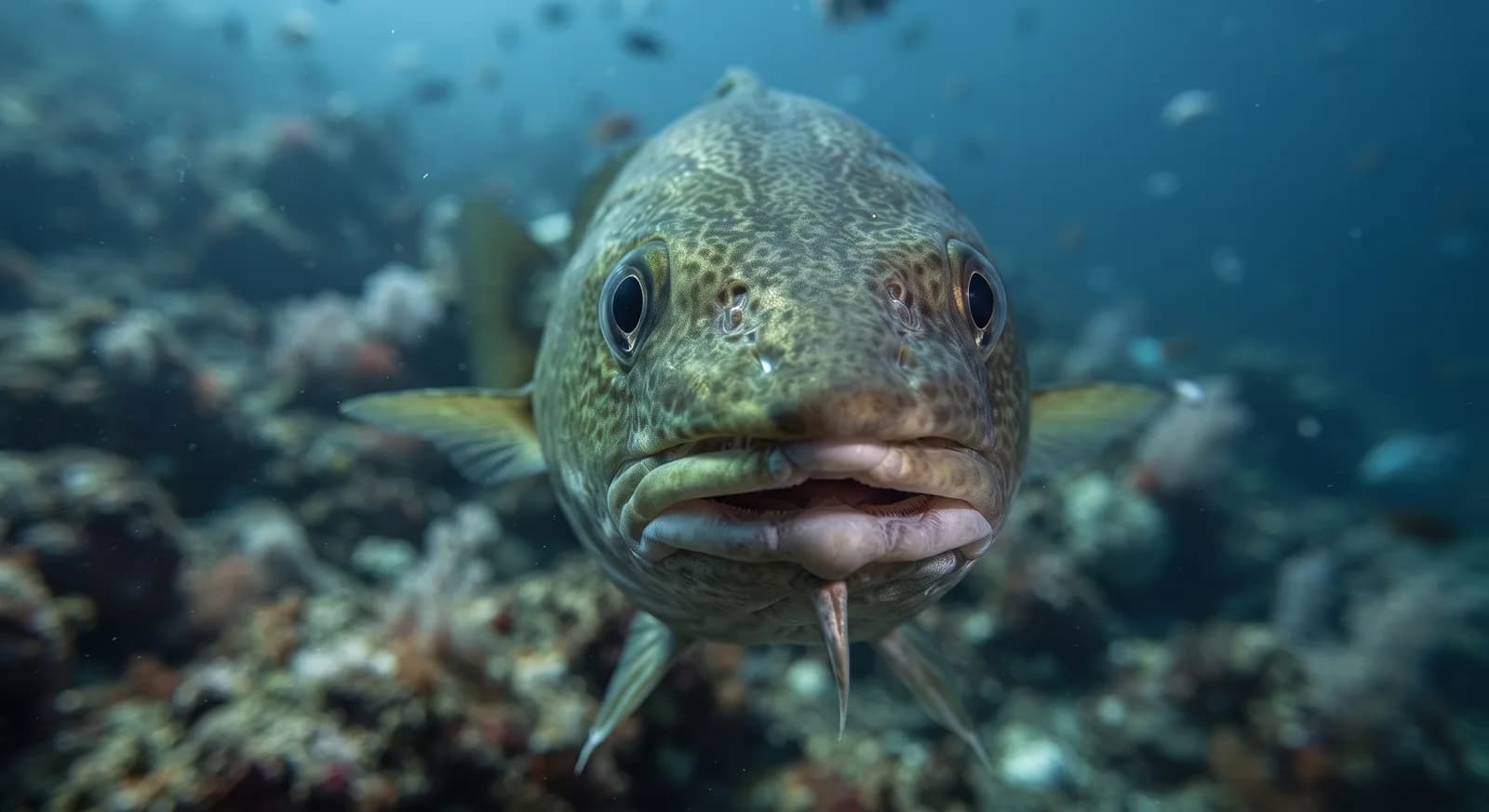
Cod
Gadus morhua
 Vulnerable
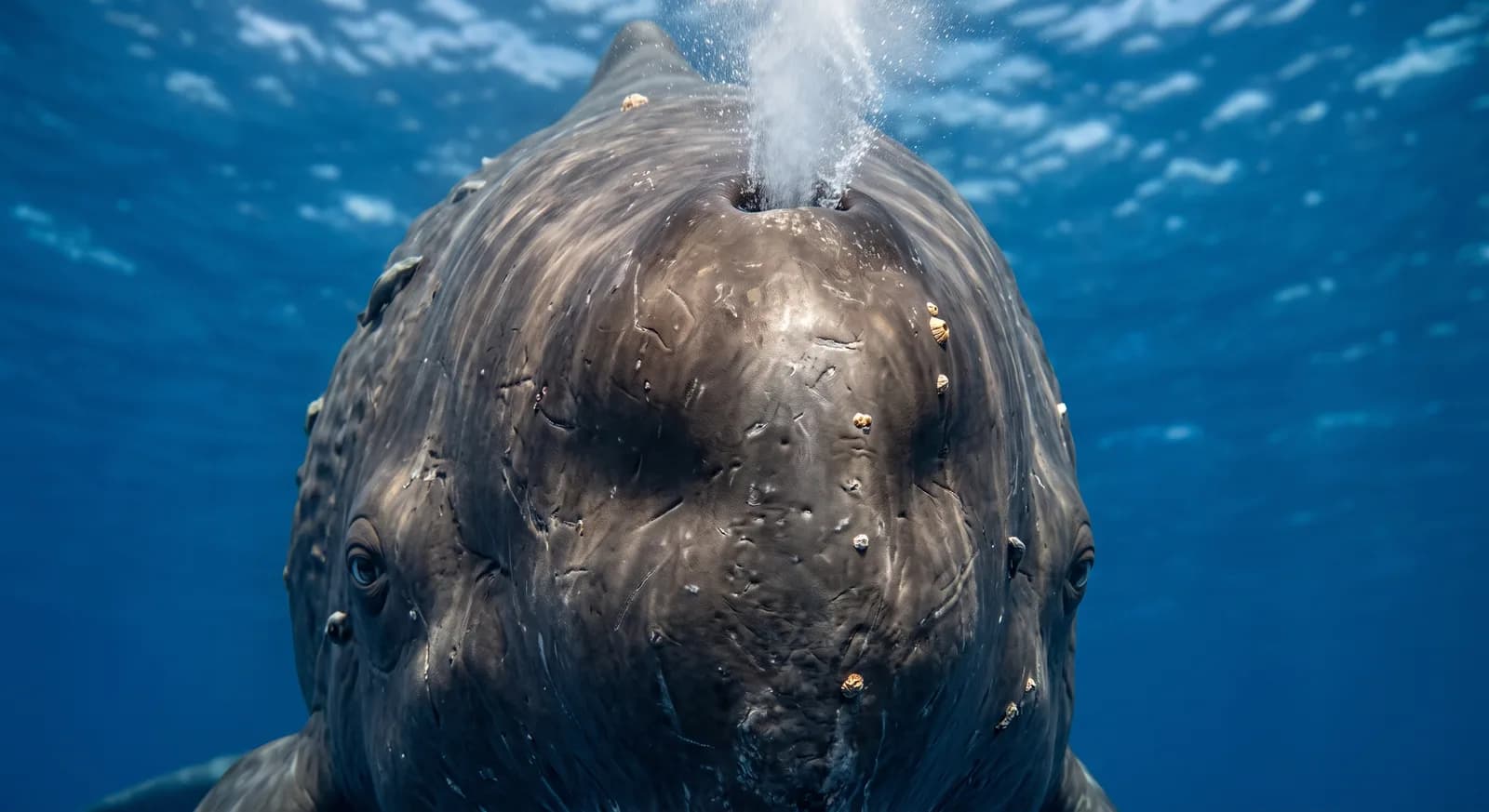
Sperm Whale
Physeter macrocephalus
 Vulnerable
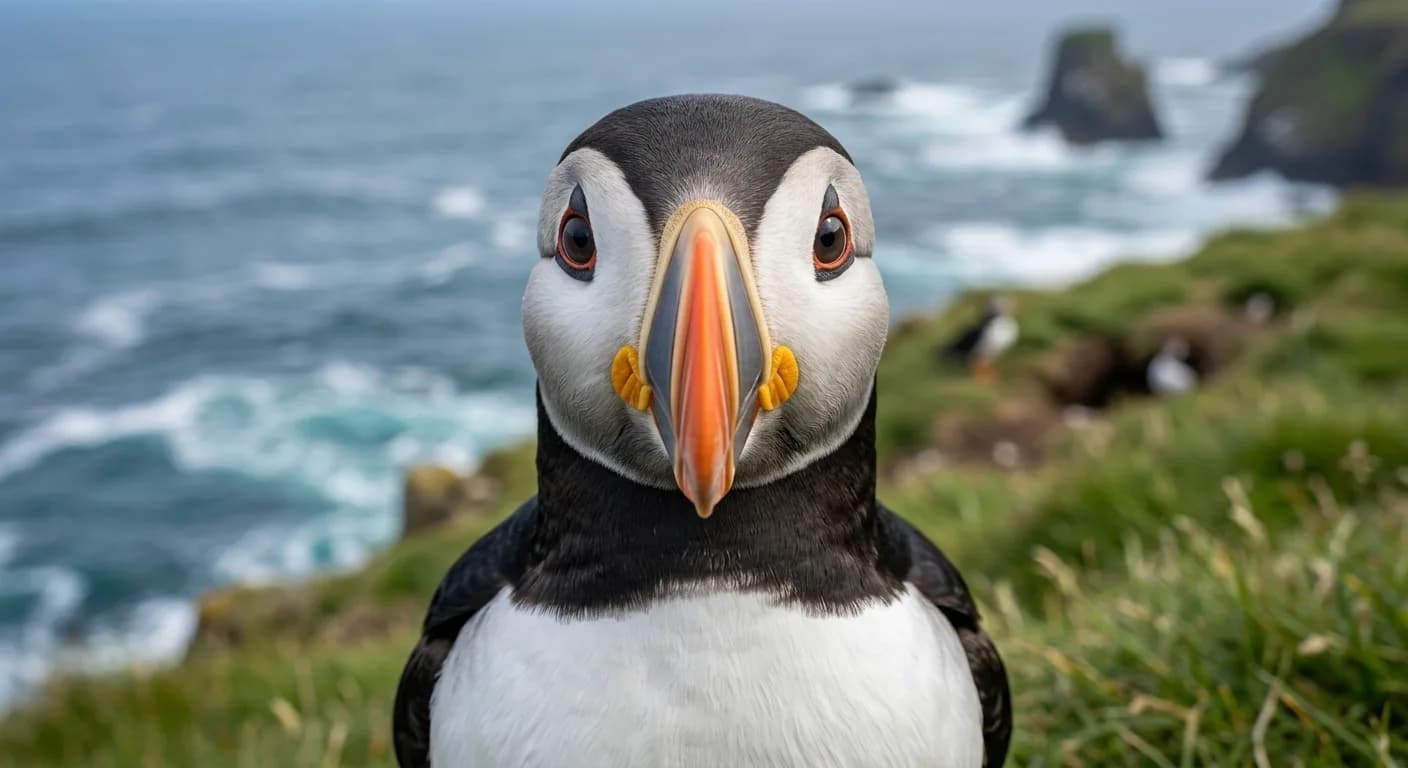
Atlantic Puffin
Fratercula arctica
 Vulnerable
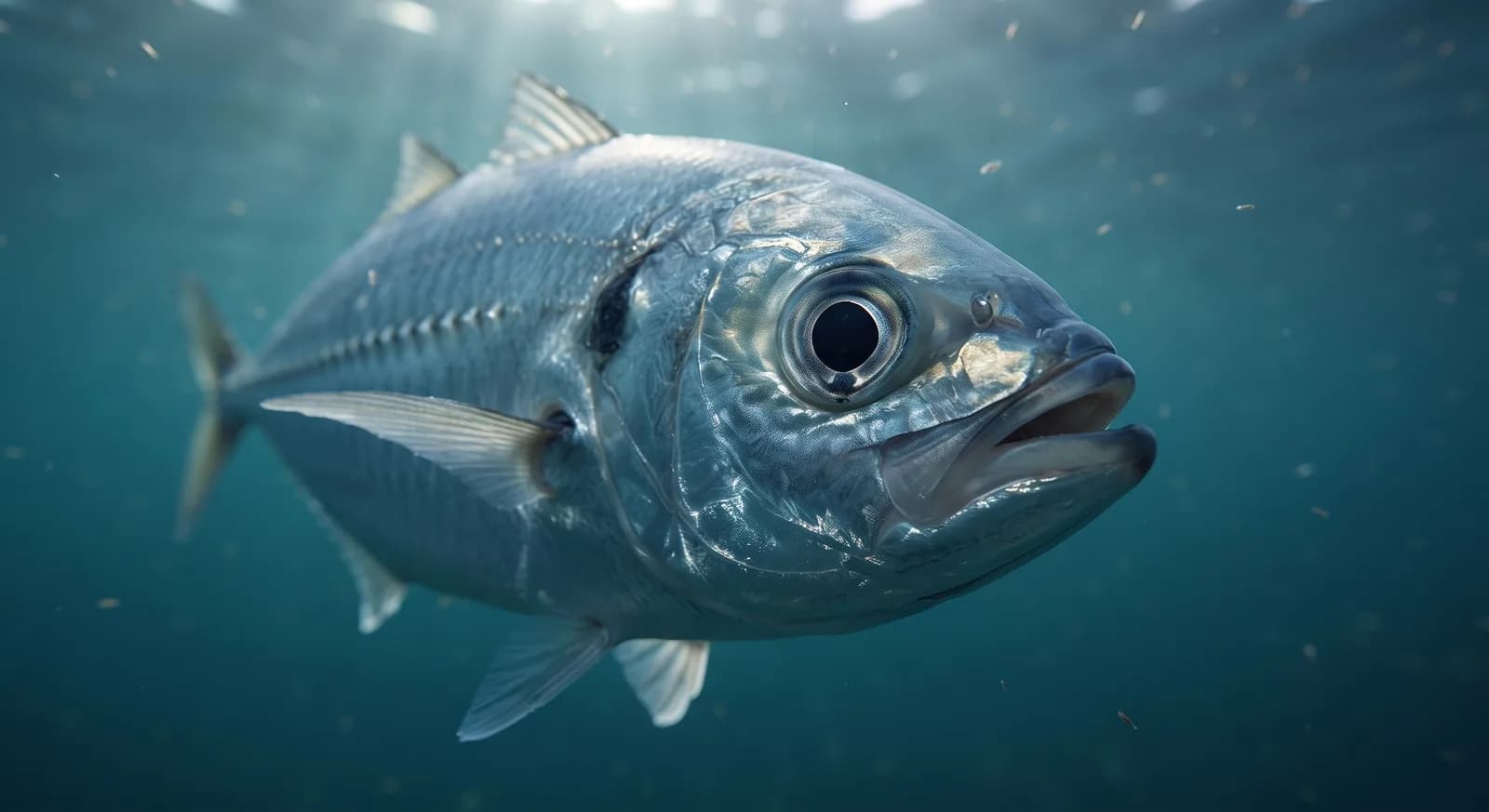
Horse Mackerel
Trachurus trachurus
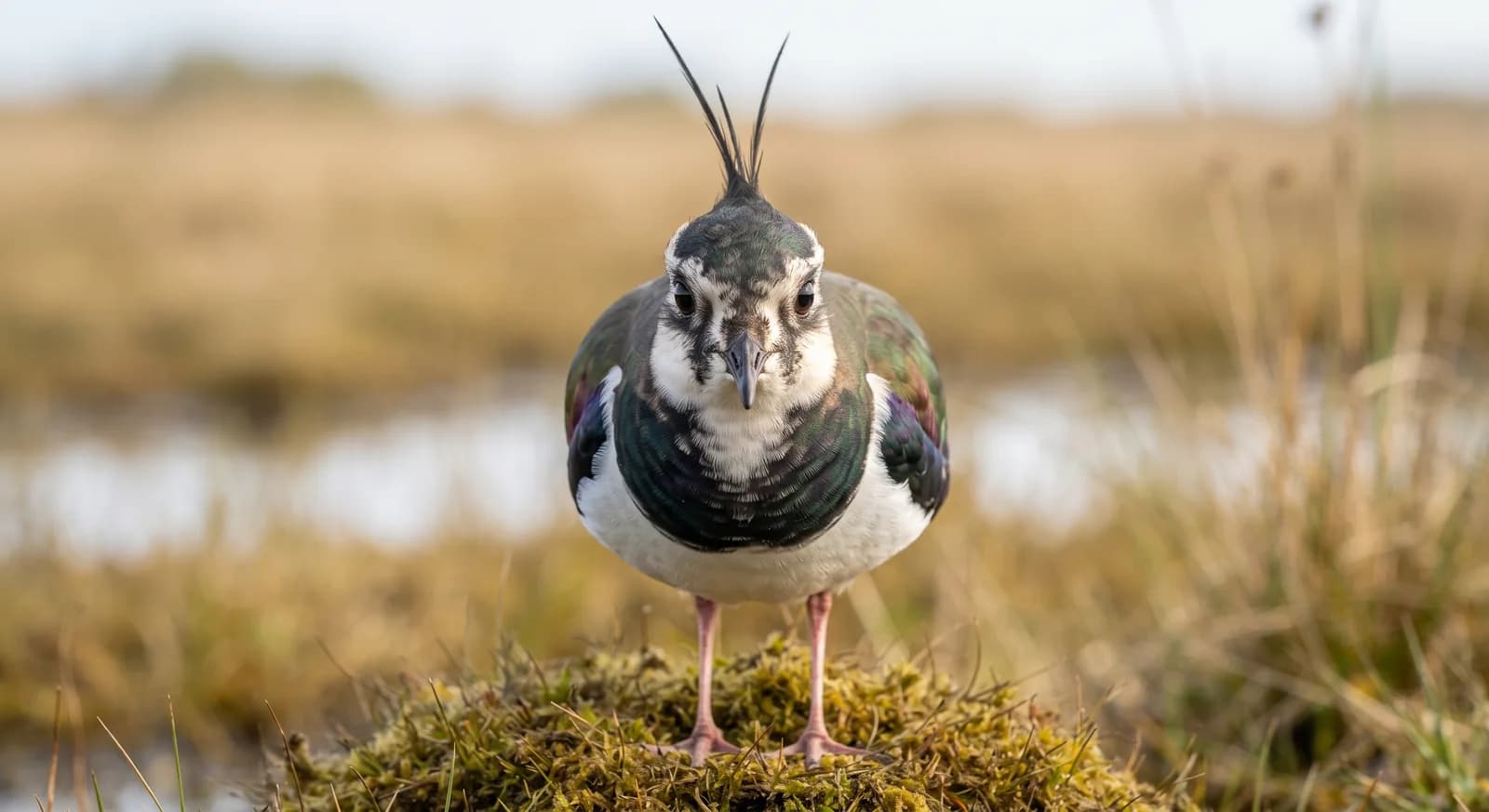 Near Threatened
Northern Lapwing
Vanellus vanellus
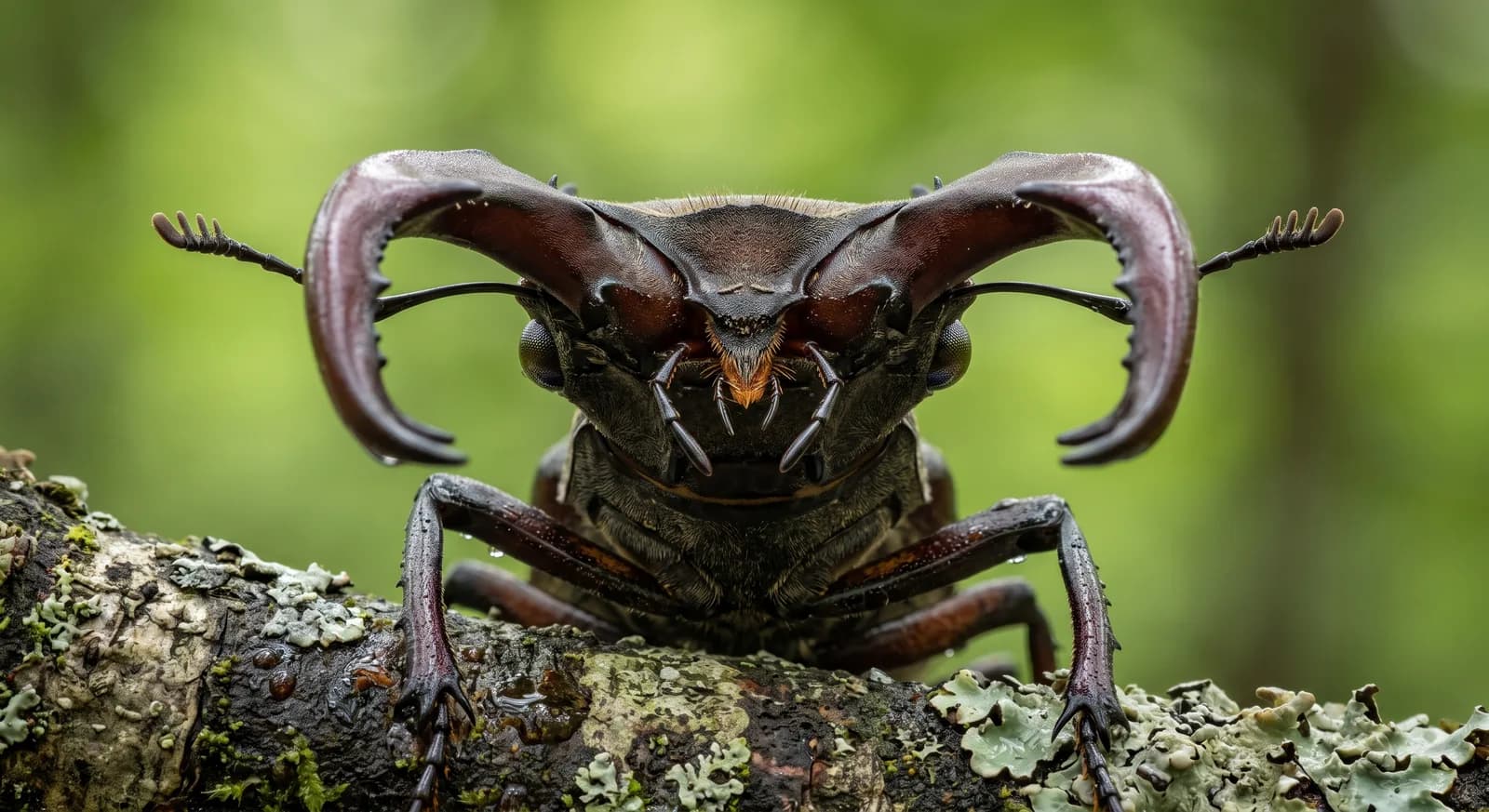 Near Threatened
Stag Beetle
Lucanus cervus
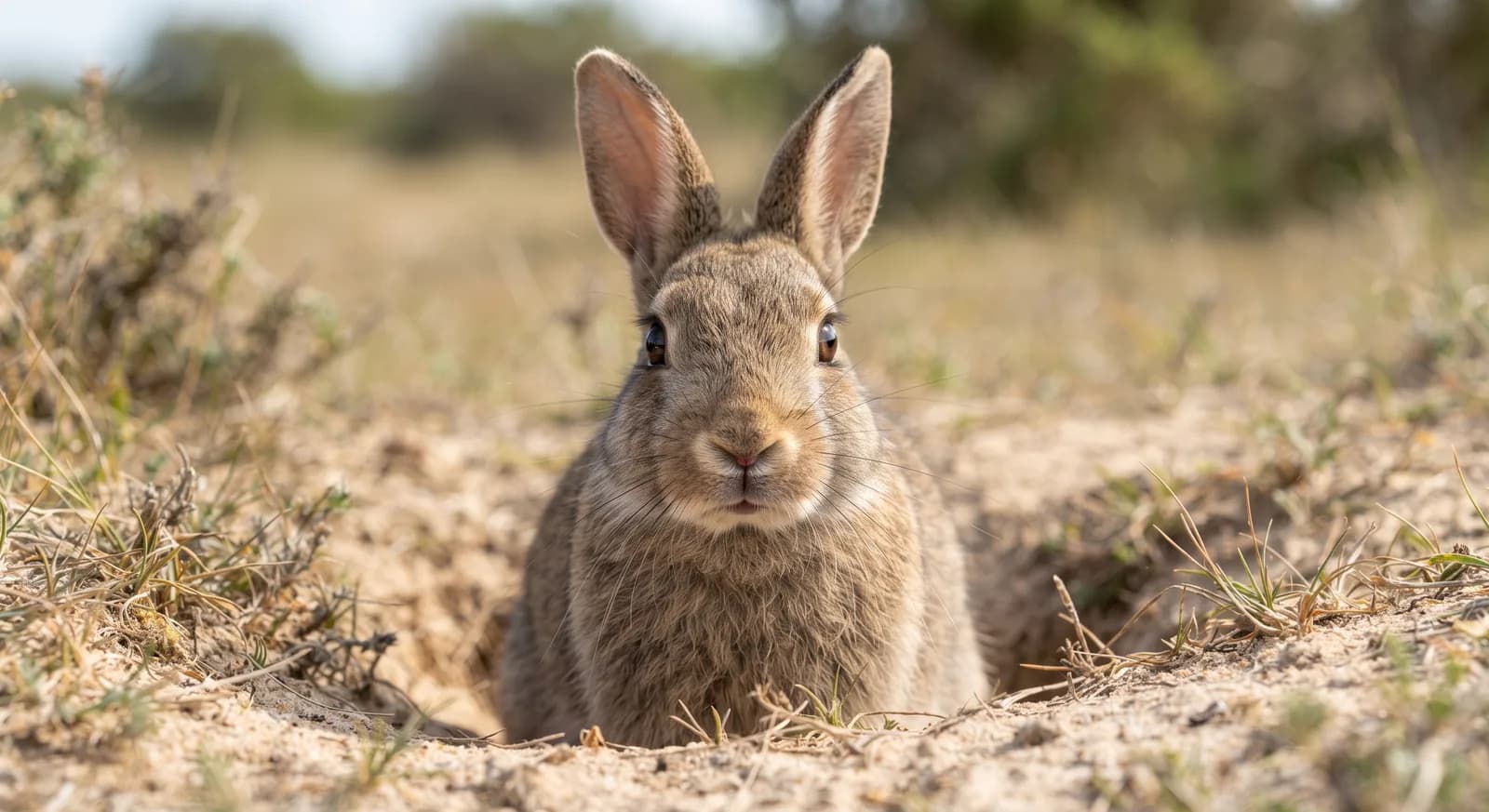 Near Threatened
European Rabbit
Oryctolagus cuniculus
Keep exploring
Based on what we already know about Estonia.