One of the 13 cormorants on WAnimals
Birds · Suliformes · Phalacrocoracidae
Socotra Cormorant
Phalacrocorax nigrogularis
It faces a high risk of extinction in the wild over the medium term. See full glossary
The Socotra cormorant is a black cormorant with greenish sheens, endemic to the Persian Gulf and the Arabian Sea. Despite its name it barely breeds on the island of Socotra: its main colonies are on islands in the Emirates, Bahrain and Oman. It forms feeding flocks of tens of thousands of birds, among the largest concentrations of seabirds on the planet.
Weight
800 g – 1.1 kg
Size
68 cm – 80 cm
Lifespan
15 years
Diet
Carnivore
Feeds mainly on other animals.
Activity
Diurnal
Active mainly during the day.
Social structure
Colony
Lives in large concentrations, often for breeding reasons.
Sighting difficulty
Moderate
Fun facts
- Its feeding flocks are among the largest concentrations of seabirds in the world: columns of tens of thousands of birds advancing over the sea on fronts several kilometres wide in pursuit of fish shoals.
- Despite being named after Socotra, almost its entire population breeds on islands in the Persian Gulf and off Oman, and its presence on the island it is named for is marginal.
- Urban and port development around the Gulf has destroyed several of its historic colonies, and its population has fallen markedly over recent decades.
Life cycle & biology
- Skeleton type
- Vertebrate - internal bony skeleton (bird)
- Habitat & environment
- The waters of the Persian Gulf, the Gulf of Oman and the Arabian Sea; it breeds on coastal islands
- Sexual maturity
- 3 years
- Gestation / incubation
- 28 days of incubation
- Litter / clutch size
- 3 eggs
Sources consulted: https://es.wikipedia.org/wiki/Phalacrocorax_nigrogularis
Where to find it
See its range on the interactive mapWhere to watch it
Parks and dive sites where this species has been documented.
Related species
Other species in the catalogue with the most in common with Socotra Cormorant — same habitat, park, country, tags or family.
Egyptian Spiny-tailed Lizard
Uromastyx aegyptia
Socotra Starling
Onychognathus frater
Pygmy Cormorant
Microcarbo pygmaeus
Flightless Cormorant
Nannopterum harrisi
 Vulnerable
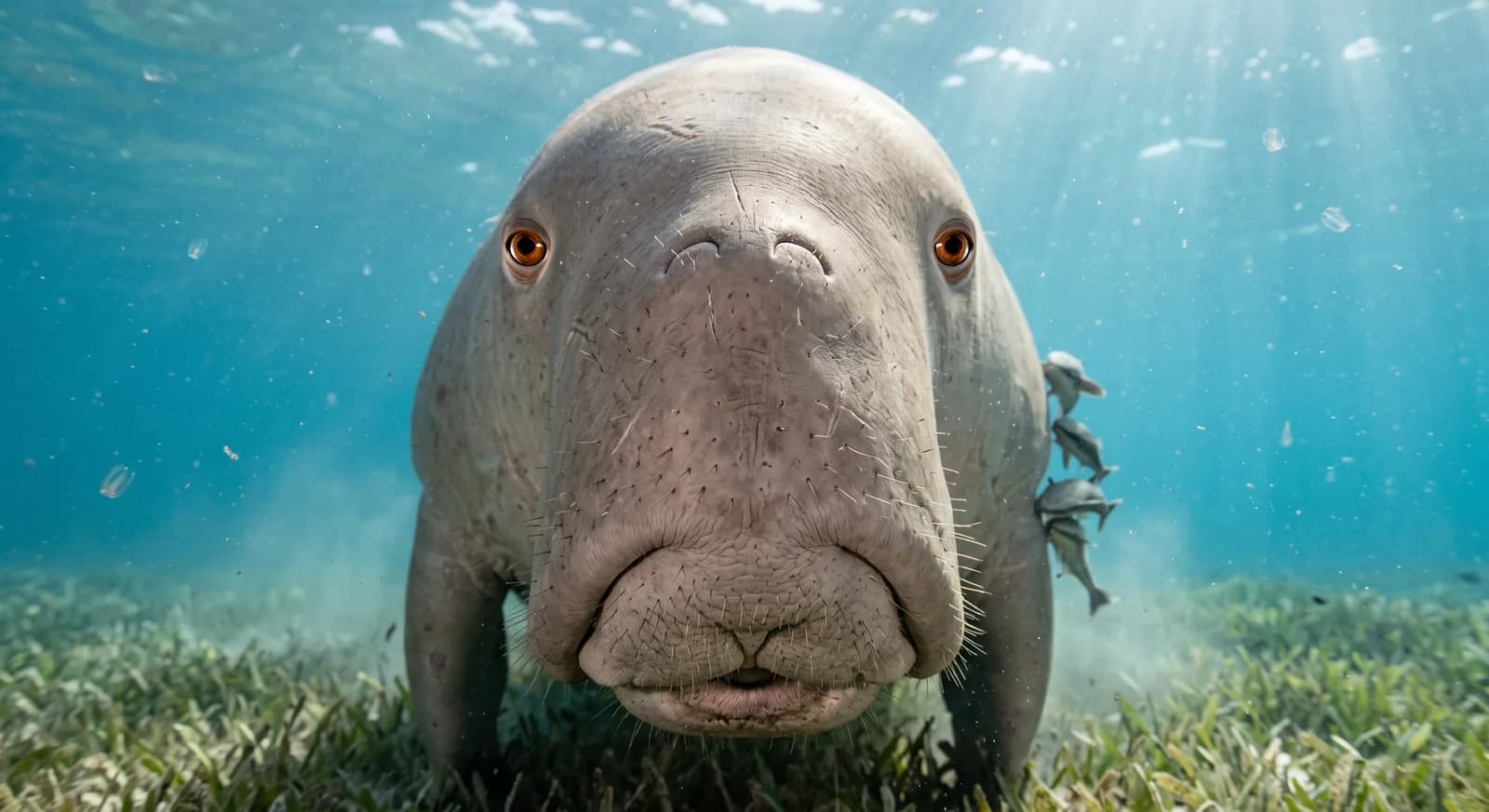
Dugong
Dugong dugon
 Vulnerable
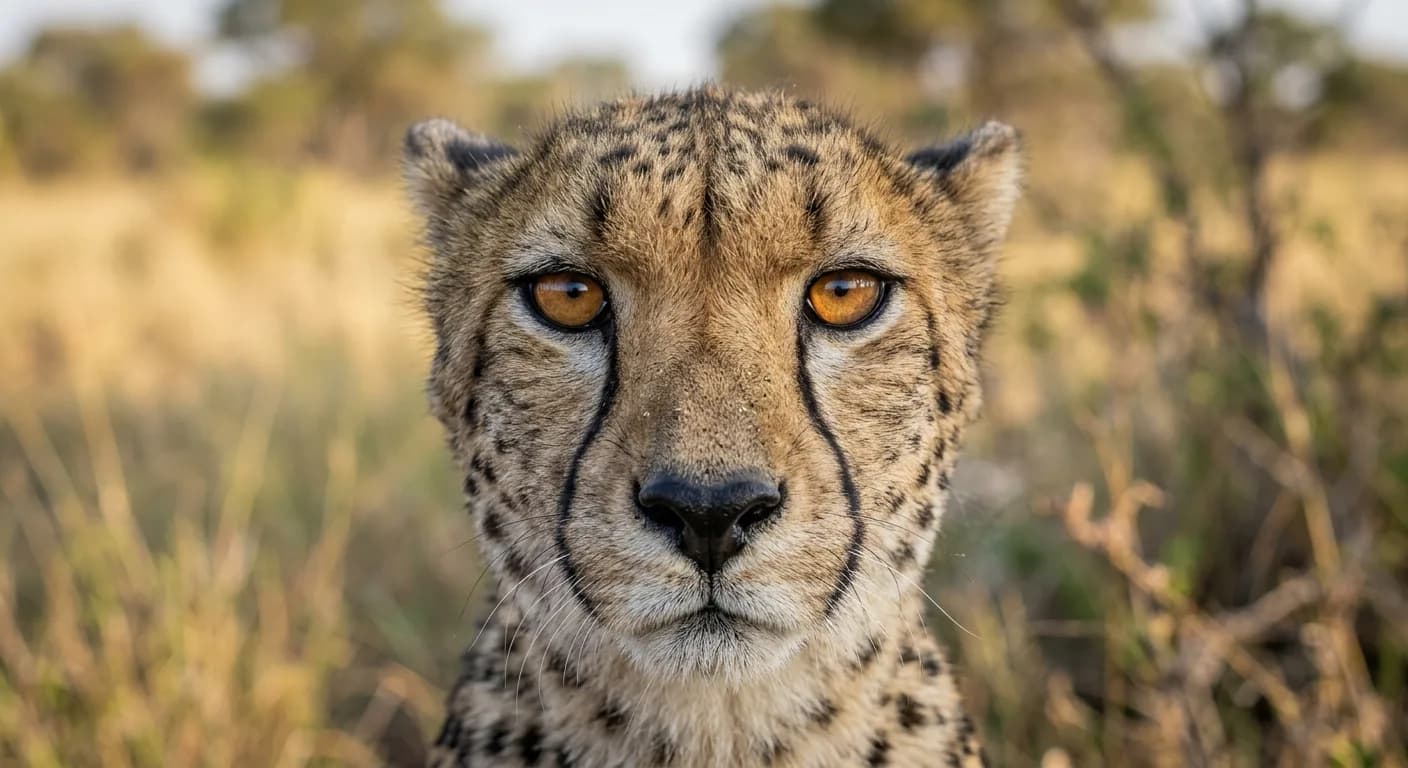
Cheetah
Acinonyx jubatus
How to help
The socotra cormorant is classified as vulnerable. Organizations such as UICN, WWF y Wildlife Conservation Society work specifically on its conservation and that of its habitat; looking into their programs is a good starting point if you want to get involved.
It's documented in 1 real protected area — part of why protecting these places matters for its conservation.
Keep exploring
Based on what we already know about socotra cormorant.
Comments
Share an experience, a fun fact or a tip for seeing the socotra cormorant.
Be the first to comment.