One of the 13 cormorants on WAnimals
Birds · Suliformes · Phalacrocoracidae
Pygmy Cormorant
Microcarbo pygmaeus
The species is abundant and widely distributed; it faces no significant short-term risk. See full glossary
The pygmy cormorant is the smallest cormorant in Europe, with a long tail and a short bill that give it a silhouette quite unlike the great cormorant's. It depends on freshwater wetlands with dense reedbeds and flooded trees in which to breed in colonies, often mixed with herons. It was in severe decline through wetland drainage and persecution, and has recovered remarkably quickly over recent decades thanks to the protection of deltas and lagoons.
Weight
500 g – 900 g
Size
45 cm – 55 cm
Lifespan
12 years
Diet
Carnivore
Feeds mainly on other animals.
Activity
Diurnal
Active mainly during the day.
Social structure
Colony
Lives in large concentrations, often for breeding reasons.
Sighting difficulty
Easy
Fun facts
- It is one of the fastest recovery stories in recent European birdlife: it went from threatened to Least Concern within a few decades, thanks to the protection of the great wetlands of the Danube, the Black Sea and the Balkans.
- It breeds in mixed colonies with herons, night herons and spoonbills, taking advantage of the colony's collective watch against raptors.
Life cycle & biology
- Skeleton type
- Vertebrate - internal bony skeleton (bird)
- Habitat & environment
- Deltas, lagoons, freshwater marshes and slow rivers with reedbeds in south-eastern Europe and western Asia
- Sexual maturity
- 2 years
- Gestation / incubation
- 28 days of incubation
- Litter / clutch size
- 5 eggs
Sources consulted: https://en.wikipedia.org/wiki/Pygmy_cormorant
Where to find it
See its range on the interactive mapWhere to watch it
Parques y spots de buceo donde se ha documentado esta especie — se muestran 10 de 14 documentados.
Related species
Other species in the catalogue with the most in common with Pygmy Cormorant — same habitat, park, country, tags or family.
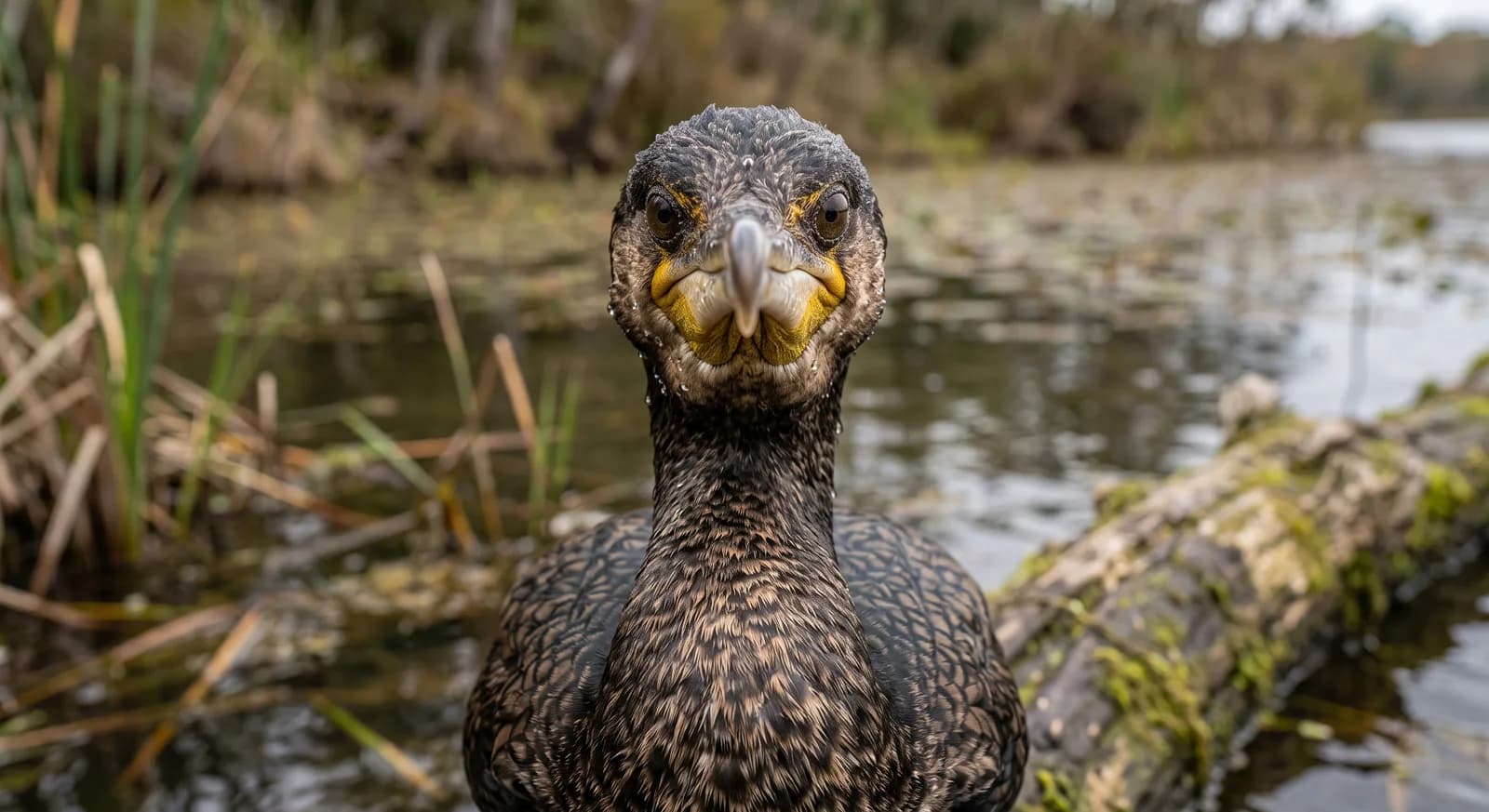 Least Concern
Great Cormorant
Phalacrocorax carbo
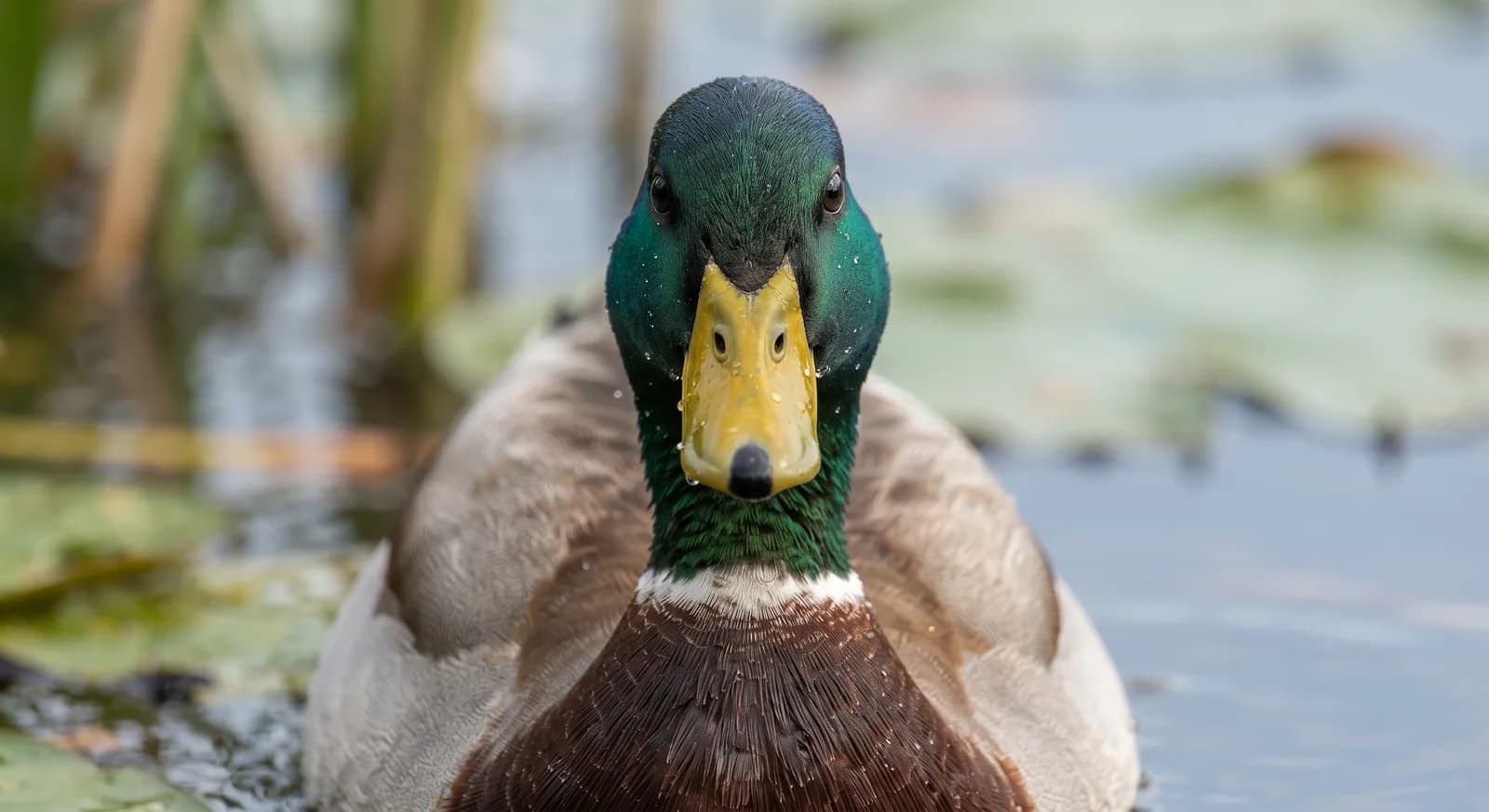 Least Concern
Mallard
Anas platyrhynchos
Great Crested Grebe
Podiceps cristatus
Eurasian Coot
Fulica atra
Black-winged Stilt
Himantopus himantopus
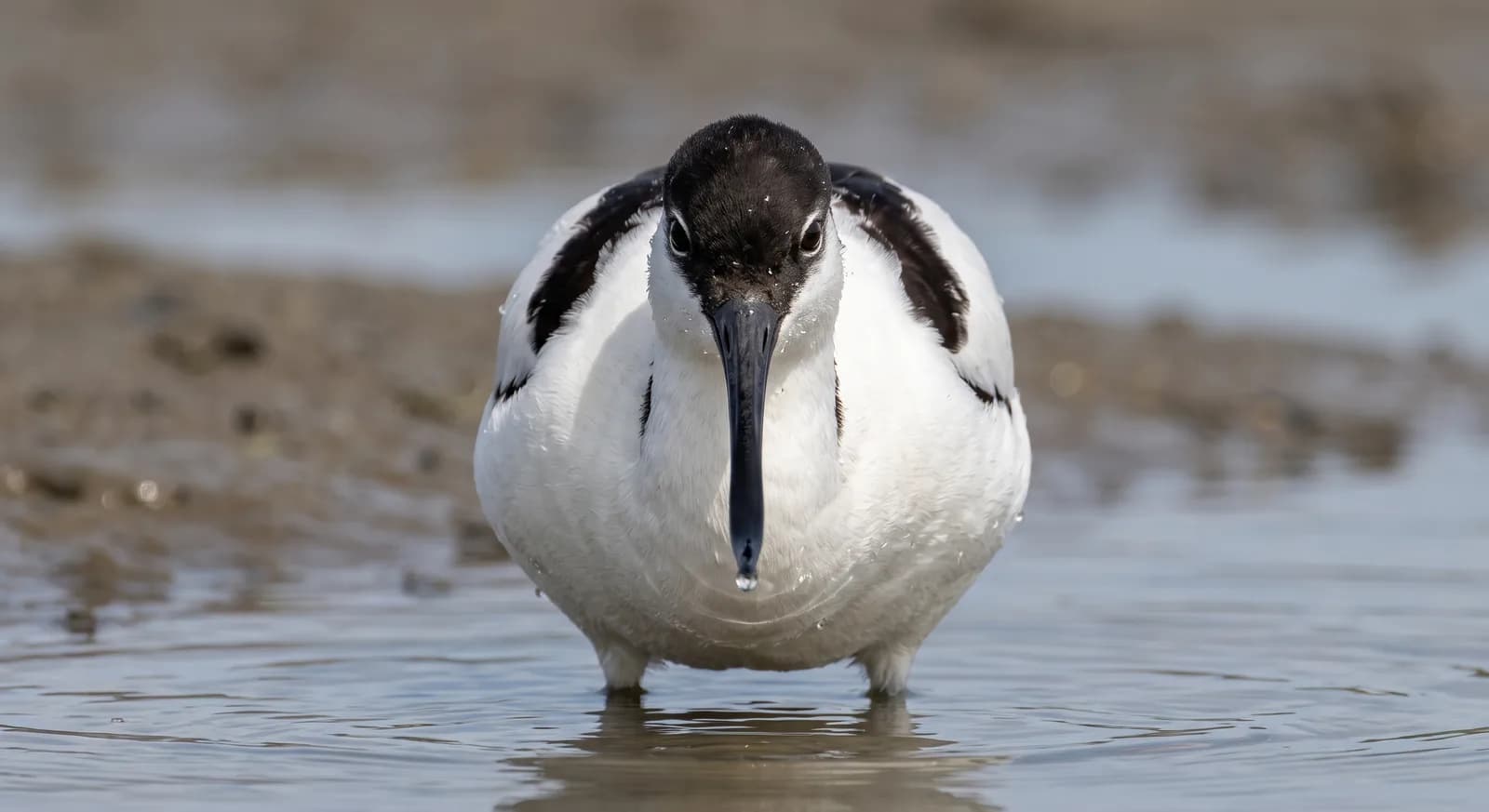 Least Concern
Pied Avocet
Recurvirostra avosetta
Keep exploring
Based on what we already know about pygmy cormorant.
Comments
Share an experience, a fun fact or a tip for seeing the pygmy cormorant.
Be the first to comment.