Birds · Podicipediformes · Podicipedidae
Great Crested Grebe
Podiceps cristatus
The species is abundant and widely distributed; it faces no significant short-term risk. See full glossary
It performs one of the most elaborate courtships of any waterbird: the pair rise vertically face to face holding water weed in their bills, in what is known as the weed dance.
Weight
570 g – 1.5 kg
Size
46 cm – 61 cm
Lifespan
10 years
Diet
Carnivore
Feeds mainly on other animals.
Activity
Diurnal
Active mainly during the day.
Social structure
In pairs
Usually lives in pairs, sometimes for life.
Sighting difficulty
Easy
Fun facts
- reproducciónIt performs an elaborate courtship in which both birds rise up out of the water, shaking their heads in unison.
Life cycle & biology
- Skeleton type
- Vertebrate - pneumatised bony skeleton (bird)
- Habitat & environment
- Large lakes and brackish water of Europe, Asia, Africa and Australia, wintering on temperate coasts
- Birth weight
- Exact weight at hatching not found as a precise figure
- Size at birth
- Precocial, its head and neck striped black and white for camouflage, carried on its parents' backs for the first few weeks
- Sexual maturity
- 1-2 years
- Gestation / incubation
- 25-31 days
- Litter / clutch size
- 1 to 9 eggs per clutch (most commonly 3-4)
Sources consulted: AnAge (genomics.senescence.info); Animal Diversity Web; Encyclopedia.com; EBSCO Research Starters; Animalia.bio; Oiseaux-birds.com; Birds of the World; Wikipedia (Great crested grebe)
Where to find it
See its range on the interactive mapBest time: All year round on reservoirs and lagoons; from February to May the pairs perform their courtship dance face to face, with weed in their bills.
Where to watch it
Parques y spots de buceo donde se ha documentado esta especie — se muestran 10 de 206 documentados.
Related species
Other species in the catalogue with the most in common with Great Crested Grebe — same habitat, park, country, tags or family.
Little Grebe
Tachybaptus ruficollis
Horned Grebe
Podiceps auritus
Black-necked Grebe
Podiceps nigricollis
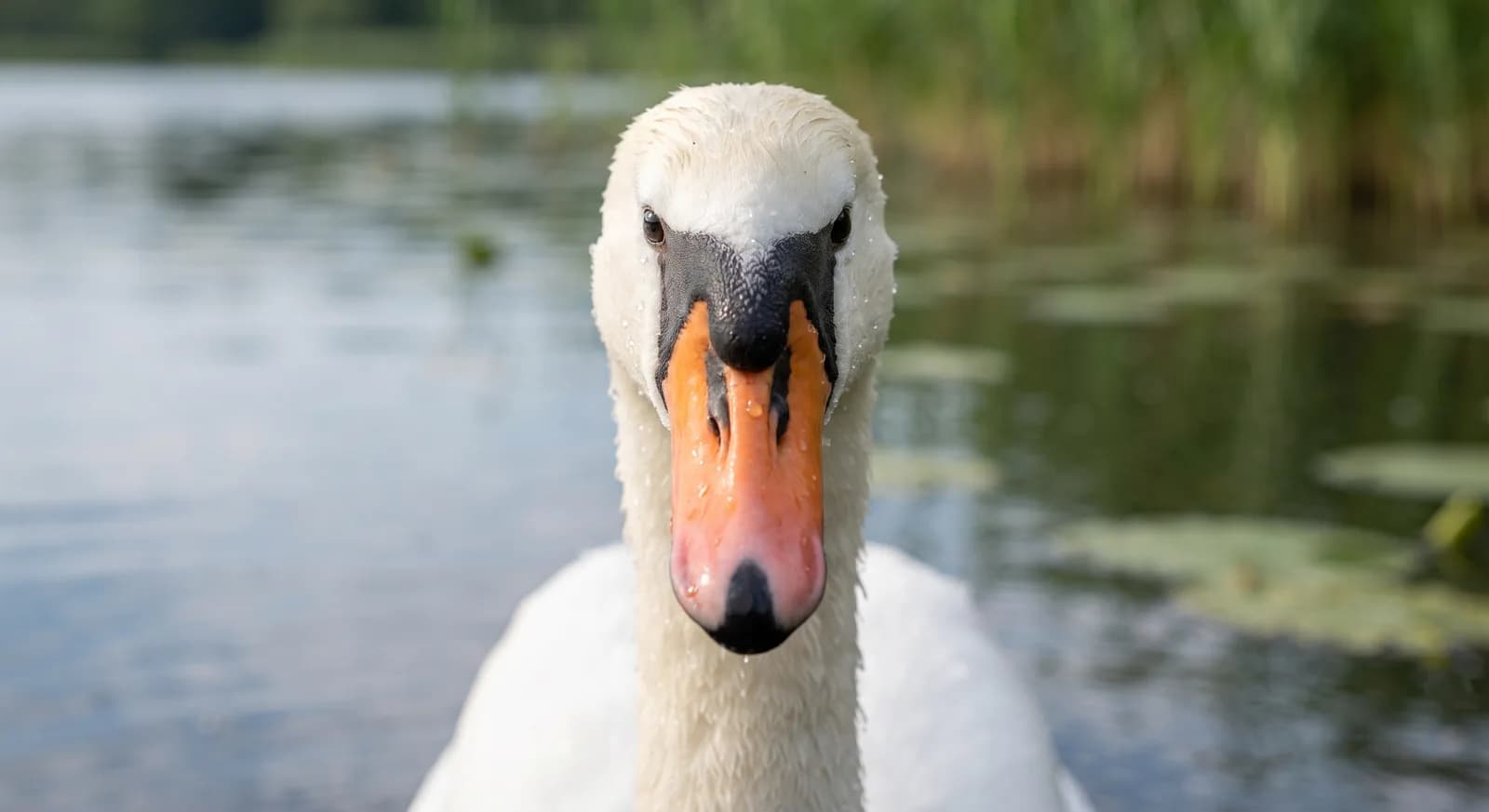 Least Concern
Mute Swan
Cygnus olor
Whooper Swan
Cygnus cygnus
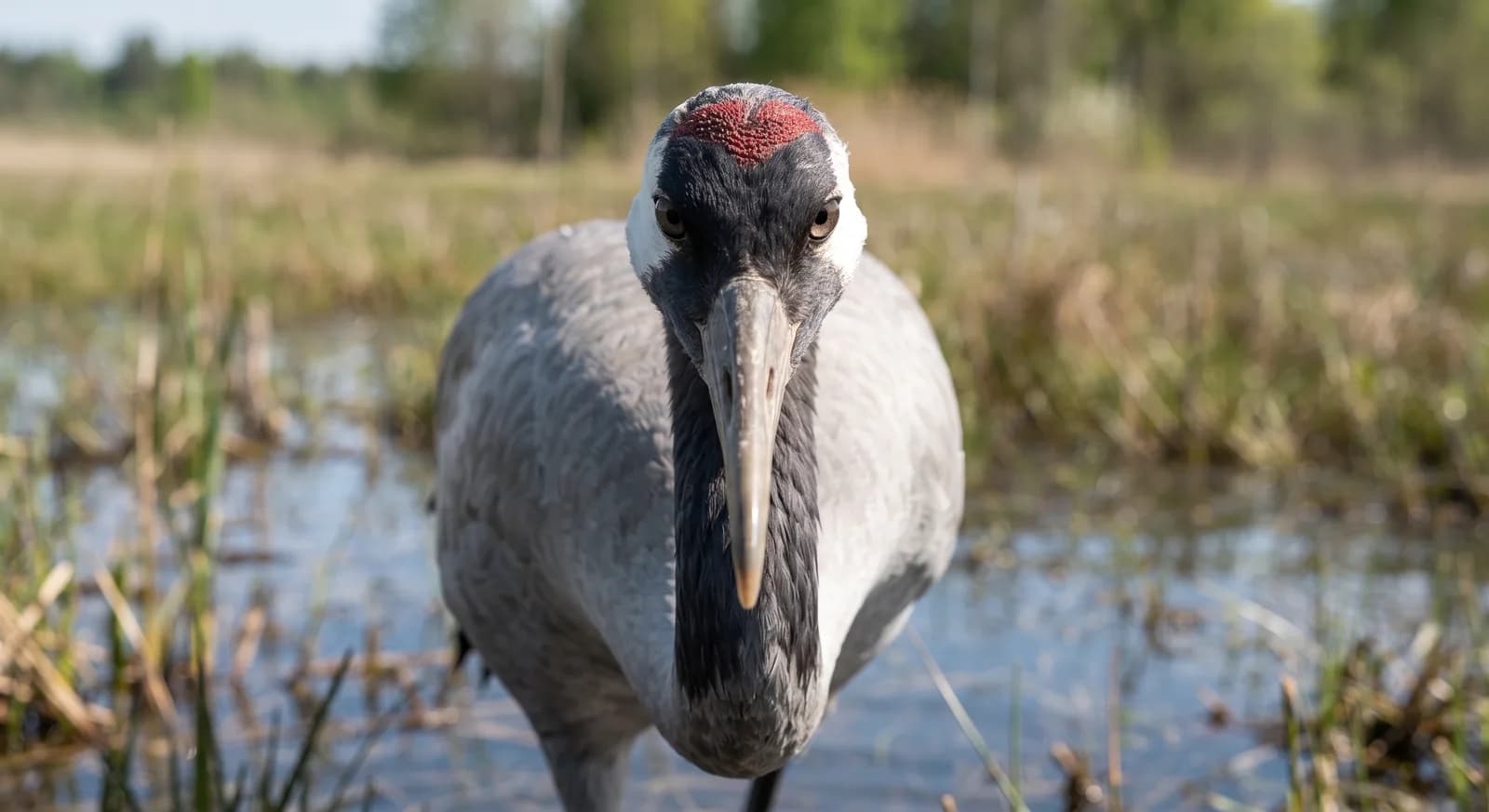 Least Concern
Common Crane
Grus grus
Keep exploring
Based on what we already know about great crested grebe.
Comments
Share an experience, a fun fact or a tip for seeing the great crested grebe.
Be the first to comment.