One of the 4 grebes on WAnimals
Birds · Podicipediformes · Podicipedidae
Horned Grebe
Podiceps auritus
It faces a high risk of extinction in the wild over the medium term. See full glossary
The Slavonian grebe is a small grebe with a spectacular breeding plumage: reddish-chestnut neck and flanks, a black head and golden tufts that spring from behind the eye like horns. It breeds in shallow lagoons of northern Eurasia and North America and winters at sea. Its global decline is caused by the loss of breeding wetlands and by pollution of the coastal waters where it winters.
Weight
300 g – 570 g
Size
31 cm – 38 cm
Lifespan
13 years
Diet
Carnivore
Feeds mainly on other animals.
Activity
Diurnal
Active mainly during the day.
Social structure
In pairs
Usually lives in pairs, sometimes for life.
Sighting difficulty
Moderate
Fun facts
- Like all grebes, it swallows its own feathers and feeds them to its chicks: they form a mass in the stomach that wraps around fish bones and protects the digestive tract, and that is later brought up as pellets.
- Its nest is a floating platform anchored to the vegetation: it rises and falls with the water level, and at the first sign of danger the adults cover the eggs with wet vegetation before slipping underwater.
Life cycle & biology
- Skeleton type
- Vertebrate - internal bony skeleton (bird)
- Habitat & environment
- Shallow lagoons with marsh vegetation for breeding; sea coasts and estuaries for wintering
- Sexual maturity
- 12 months
- Gestation / incubation
- 24 days
- Litter / clutch size
- 6
Sources consulted: https://www.iucnredlist.org/ | https://animaldiversity.org/ | https://es.wikipedia.org/
Where to find it
See its range on the interactive mapWhere to watch it
Parques y spots de buceo donde se ha documentado esta especie — se muestran 10 de 33 documentados.
Related species
Other species in the catalogue with the most in common with Horned Grebe — same habitat, park, country, tags or family.
Great Crested Grebe
Podiceps cristatus
Little Grebe
Tachybaptus ruficollis
Black-necked Grebe
Podiceps nigricollis
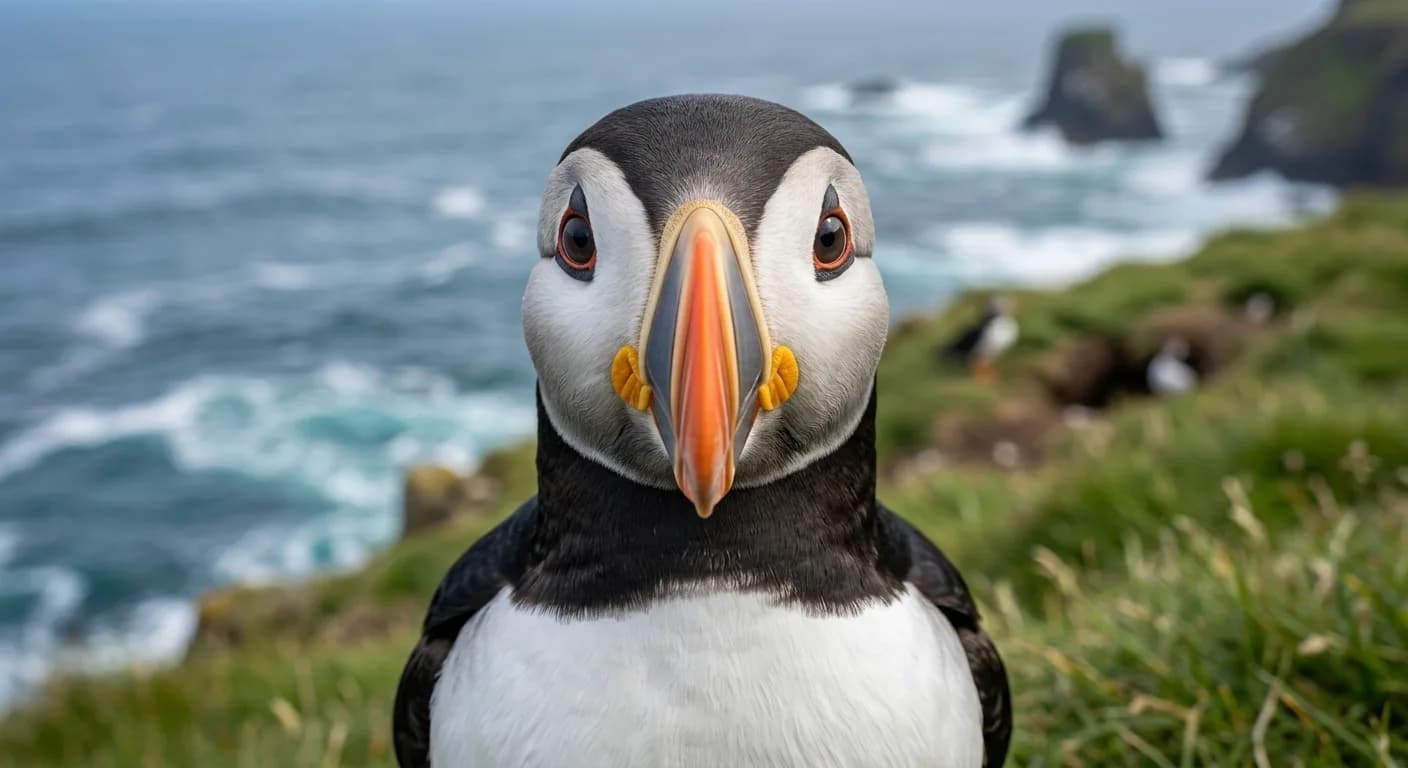 Vulnerable
Atlantic Puffin
Fratercula arctica
 Vulnerable
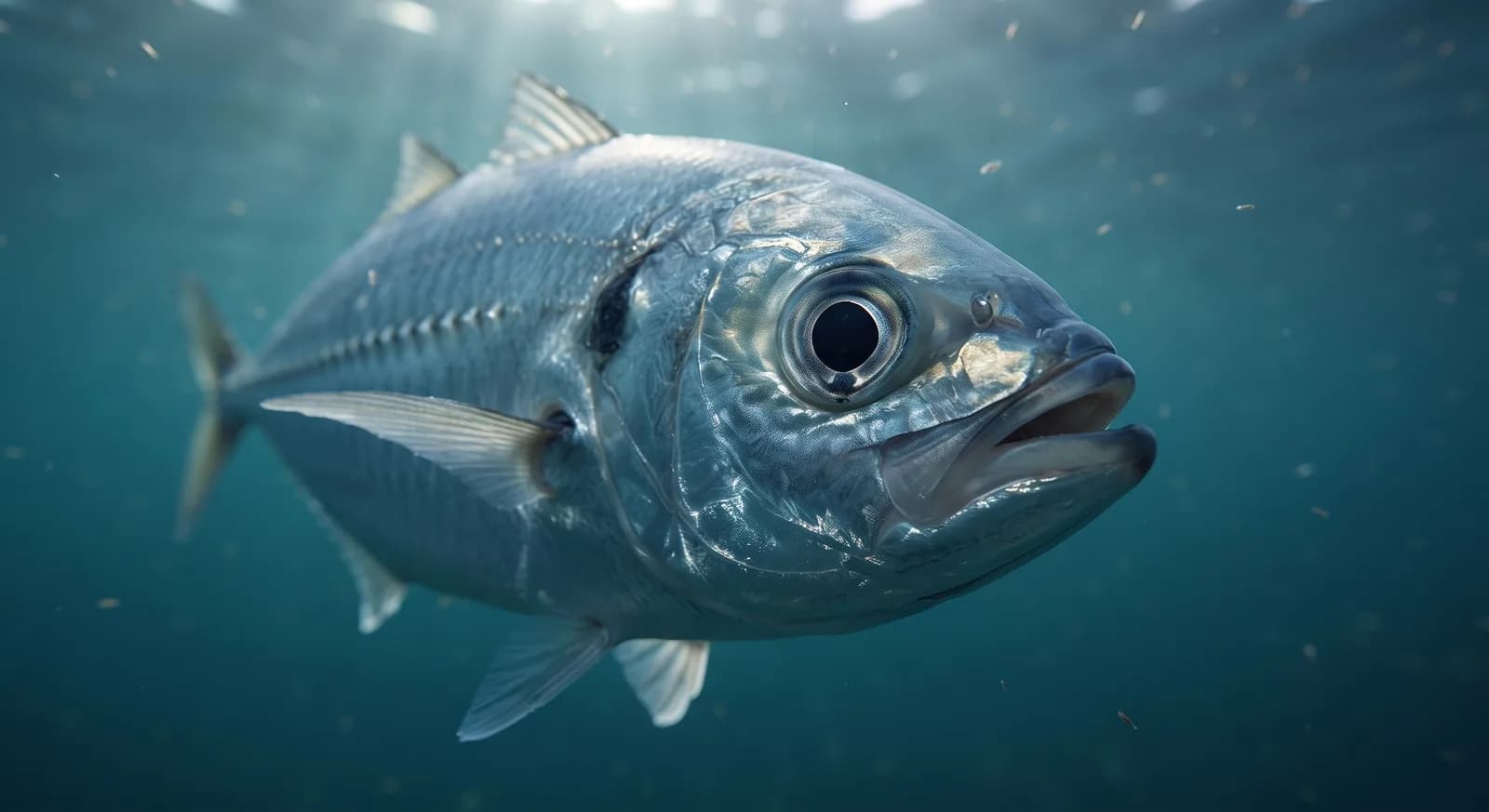
Horse Mackerel
Trachurus trachurus
Bluefish
Pomatomus saltatrix
How to help
The horned grebe is classified as vulnerable. Organizations such as UICN, WWF y Wildlife Conservation Society work specifically on its conservation and that of its habitat; looking into their programs is a good starting point if you want to get involved.
It's documented in 10 real protected areas — part of why protecting these places matters for its conservation.
Keep exploring
Based on what we already know about horned grebe.
Comments
Share an experience, a fun fact or a tip for seeing the horned grebe.
Be the first to comment.