Bony fish · Perciformes · Pomatomidae
Bluefish
Pomatomus saltatrix
It faces a high risk of extinction in the wild over the medium term. See full glossary
It is one of the most voracious marine predators known, famous for group attacks on shoals of small fish that often kill far more than it needs to eat.
Weight
up to 14.4 kg
Size
up to 1.3 m
Lifespan
9 years
Diet
Carnivore
Feeds mainly on other animals.
Activity
Diurnal
Active mainly during the day.
Social structure
School
Gathers in coordinated schools, typical of fish.
Sighting difficulty
Moderate
Fun facts
- It takes shoaling pelagic fish such as herring and anchovy in aggressive group attacks.
- It lives in temperate and subtropical coastal waters of every ocean, the Mediterranean included.
- It gives no parental care: it releases great numbers of eggs in a mass pelagic spawning.
Life cycle & biology
- Skeleton type
- Vertebrate - internal bony skeleton (fish)
- Habitat & environment
- Temperate and subtropical coastal waters of every ocean, the Mediterranean and the Black Sea included
- Birth weight
- A floating pelagic larva on hatching from the egg
- Size at birth
- Pelagic larva at hatching
- Sexual maturity
- ~2 years
- Gestation / incubation
- 44-48 hours after fertilisation
- Litter / clutch size
- Numerous eggs released in a mass pelagic spawning, with no parental care
Sources consulted: Pensoft Zoologia; NOAA; A-Z Animals; FishBase; Animal Diversity Web; AnAge; Springer
Where to find it
See its range on the interactive mapWhere to watch it
Parques y spots de buceo donde se ha documentado esta especie — se muestran 20 de 155 documentados.
Related species
Other species in the catalogue with the most in common with Bluefish — same habitat, park, country, tags or family.
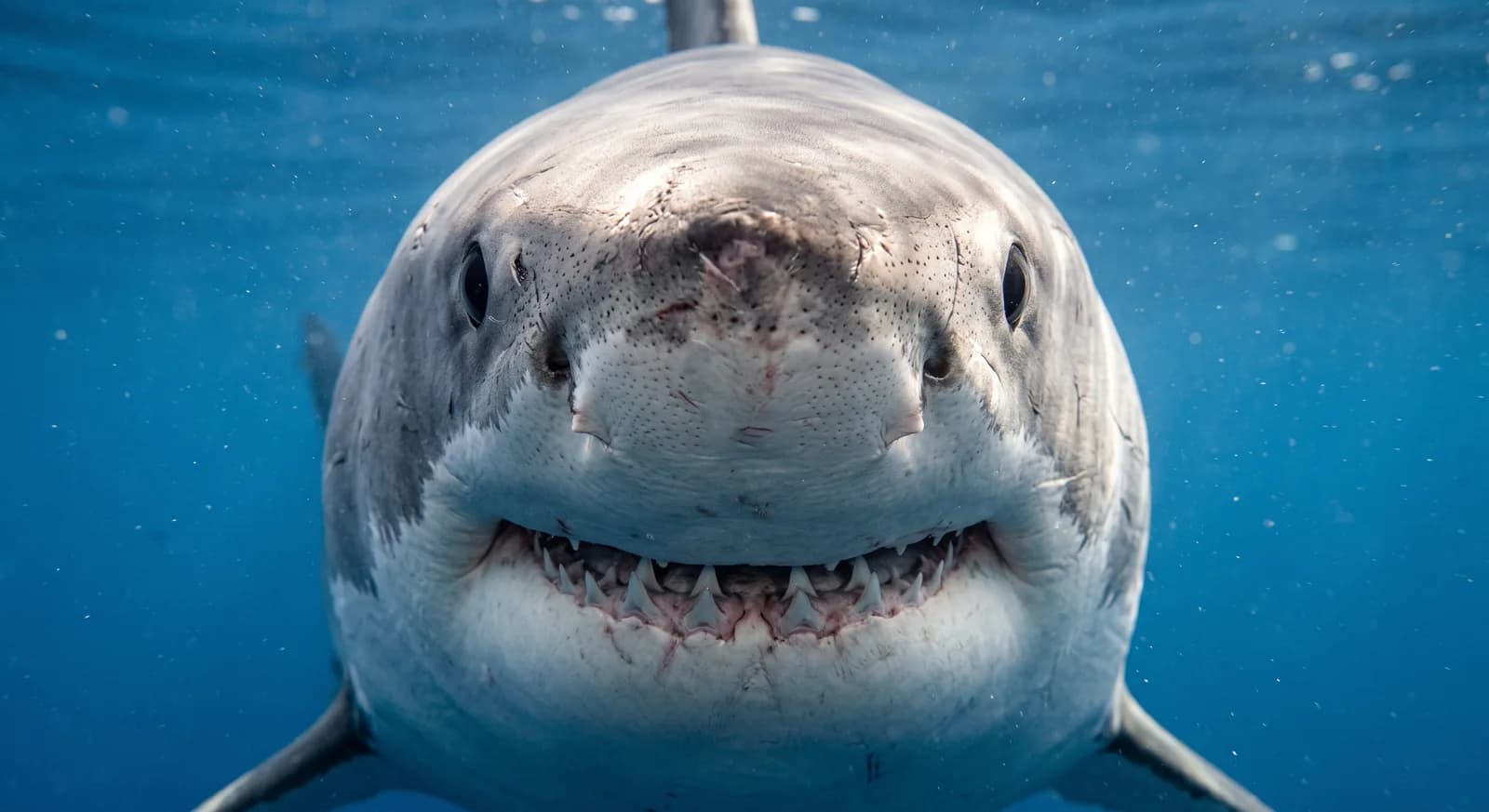 Vulnerable
Great White Shark
Carcharodon carcharias
Diamondback Terrapin
Malaclemys terrapin
Porbeagle
Lamna nasus
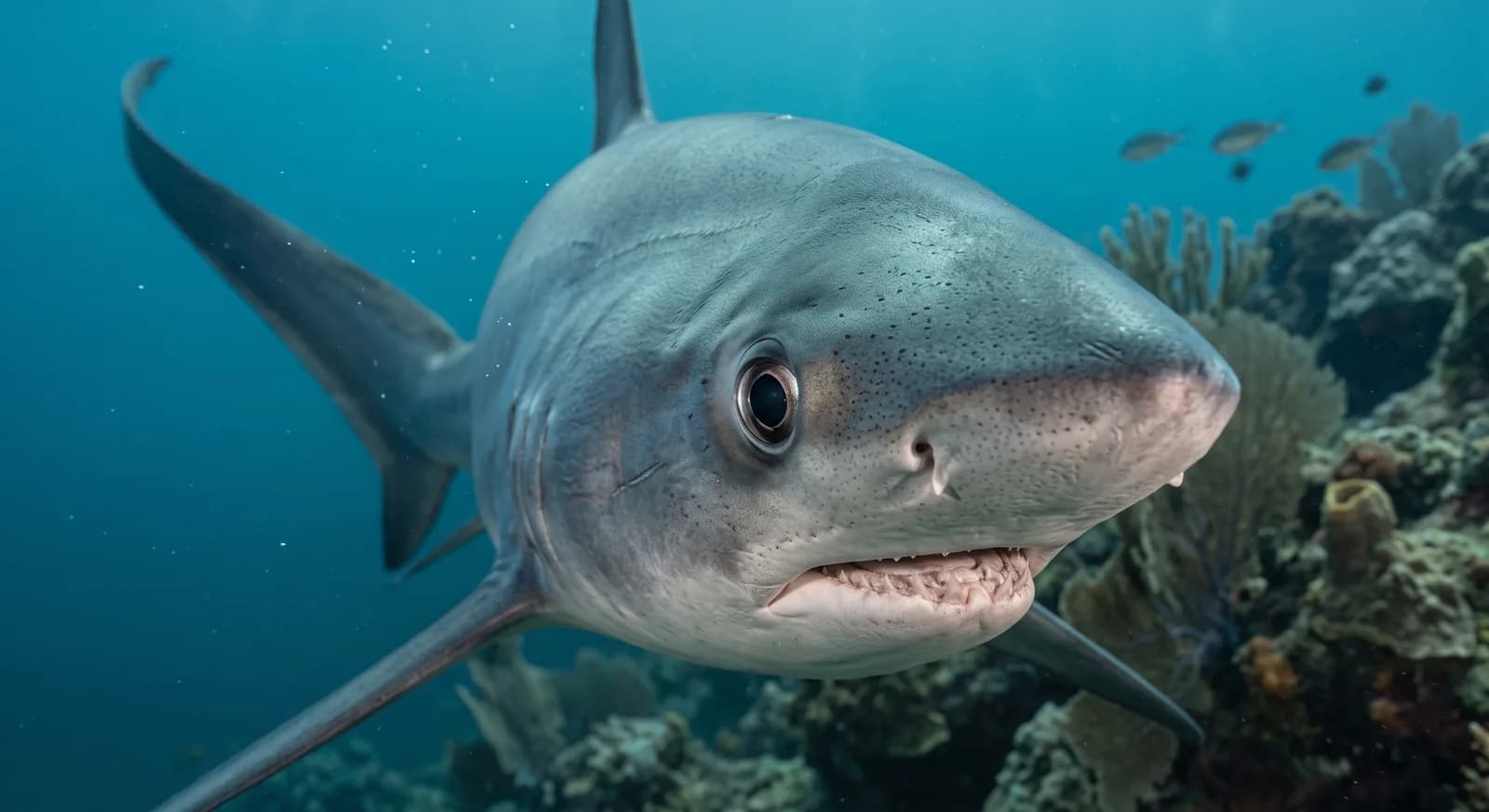 Vulnerable
Grayfish
Alopias vulpinus
Spurdog
Squalus acanthias
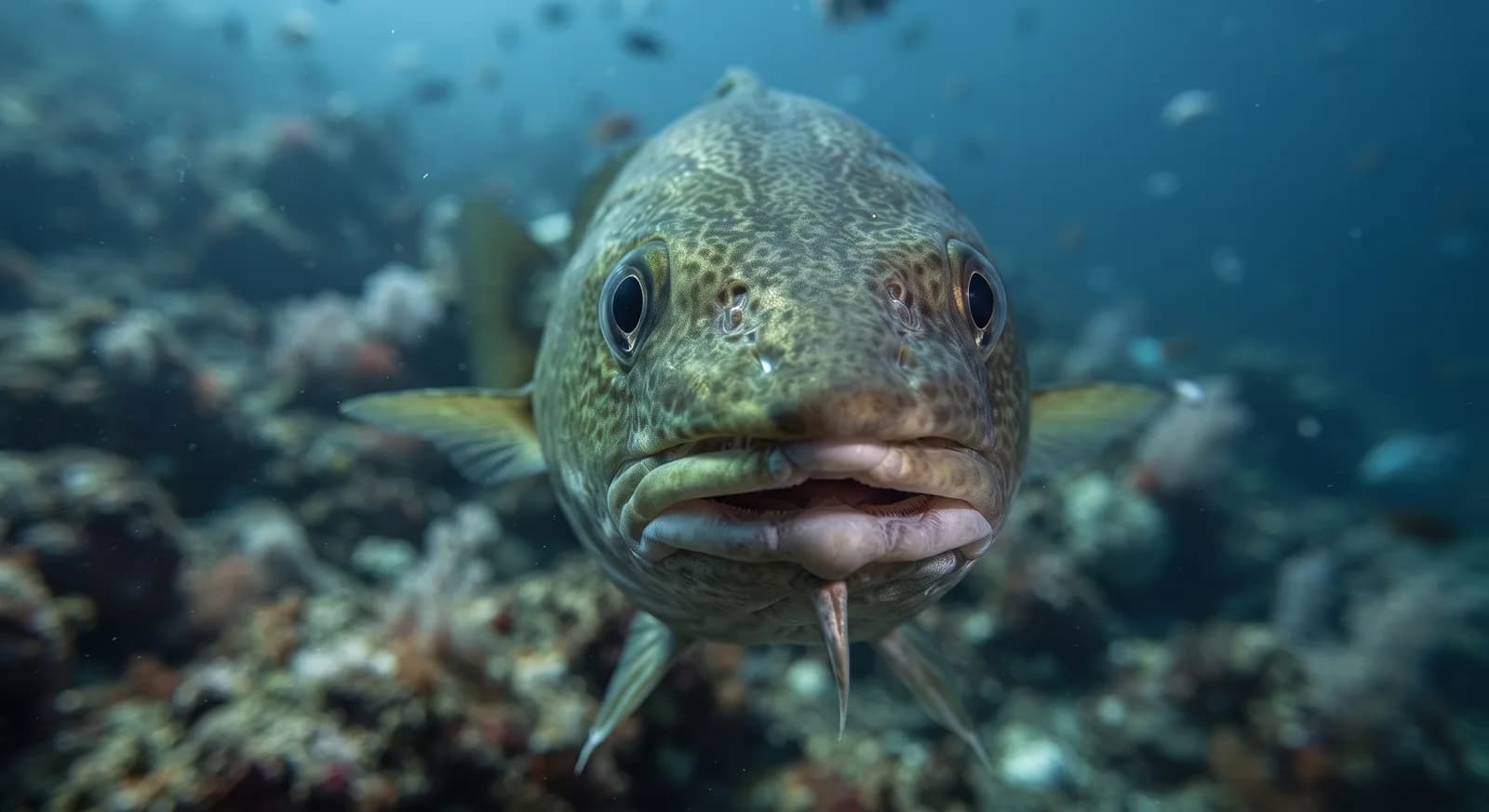 Vulnerable
Cod
Gadus morhua
How to help
The bluefish is classified as vulnerable. Organizations such as UICN, WWF y Wildlife Conservation Society work specifically on its conservation and that of its habitat; looking into their programs is a good starting point if you want to get involved.
It's documented in 15 real protected areas — part of why protecting these places matters for its conservation.
Keep exploring
Based on what we already know about bluefish.
Comments
Share an experience, a fun fact or a tip for seeing the bluefish.
Be the first to comment.