Réunion
África
Réunion is a young volcanic island in the Indian Ocean dominated by two massifs: the Piton des Neiges, extinct, and the Piton de la Fournaise, one of the most active volcanoes on the planet, which erupts every few months. Erosion has carved three gigantic cirques with vertical walls into the older massif, Cilaos, Salazie and Mafate, which together with the remparts form a landscape declared a World Heritage Site. Almost half the island is national park and keeps highland tamarind forests, tropical heathland and lowland rainforest. The island lost much of its original wildlife after colonisation, but it still holds endemic seabirds that nest in the mountains and come down to the sea to feed.
The nature of Réunion
National animal: The red-tailed tropicbird, the island's emblematic bird
Did you know?
Barau's petrel breeds above two thousand metres, in burrows dug into the slopes of the island's interior, and goes down to the sea to feed. Every April, the chicks setting out on their first night flight towards the ocean are disorientated by the lights of the towns and fall to the ground in their thousands. Each year the island organises nights without lights and public collection campaigns to return them to the sea.
Biodiversity profile
Main biomes
- •Volcán activo
- •Circo de erosión y rempart
- •Bosque de tamarindos de altura
- •Selva húmeda de tierras bajas
- •Brezal tropical de altitud
- •Arrecife de coral
- •Barranco encajado
Flagship wildlife
- •Petrel de Barau
- •Rabijunco colirrojo
- •Ballena jorobada
- •Tortuga verde
- •Petrel negro de Reunión
- •Delfín mular
- •Zorro volador
- •Papamoscas de Reunión
- •Camaleón pantera
- •Tortuga carey
Notable endemic species
- •Petrel de Barau
- •Petrel negro de Reunión
- •Ave gris de Reunión
- •Salangana de Reunión
- •Geco verde de Manapany
Notable protected areas
- •Parque Nacional de Reunión
- •Piton de la Fournaise
- •Circo de Mafate
- •Reserva Marina de Reunión
- •Bosque de Bébour-Bélouve
- •Circo de Salazie
Conservation
Invasive species, above all rats, cats and exotic plants, and light pollution are the main threats to the endemic seabirds. The Manapany day gecko survives along a few kilometres of coast in the south of the island.
Where and when to watch wildlife
The west coast between June and October for humpback whales. The interior of the national park in April during the nights without lights. Bébour-Bélouve at dawn for endemic forest birds.
Diving and snorkelling
Países similares
¿A dónde más podría interesarme viajar?
Comparte ecosistema: selva, marino
Comparte ecosistema: selva, marino
Comparte ecosistema: selva, marino
Comparte ecosistema: selva, marino
Especies documentadas en Réunion
123 species found
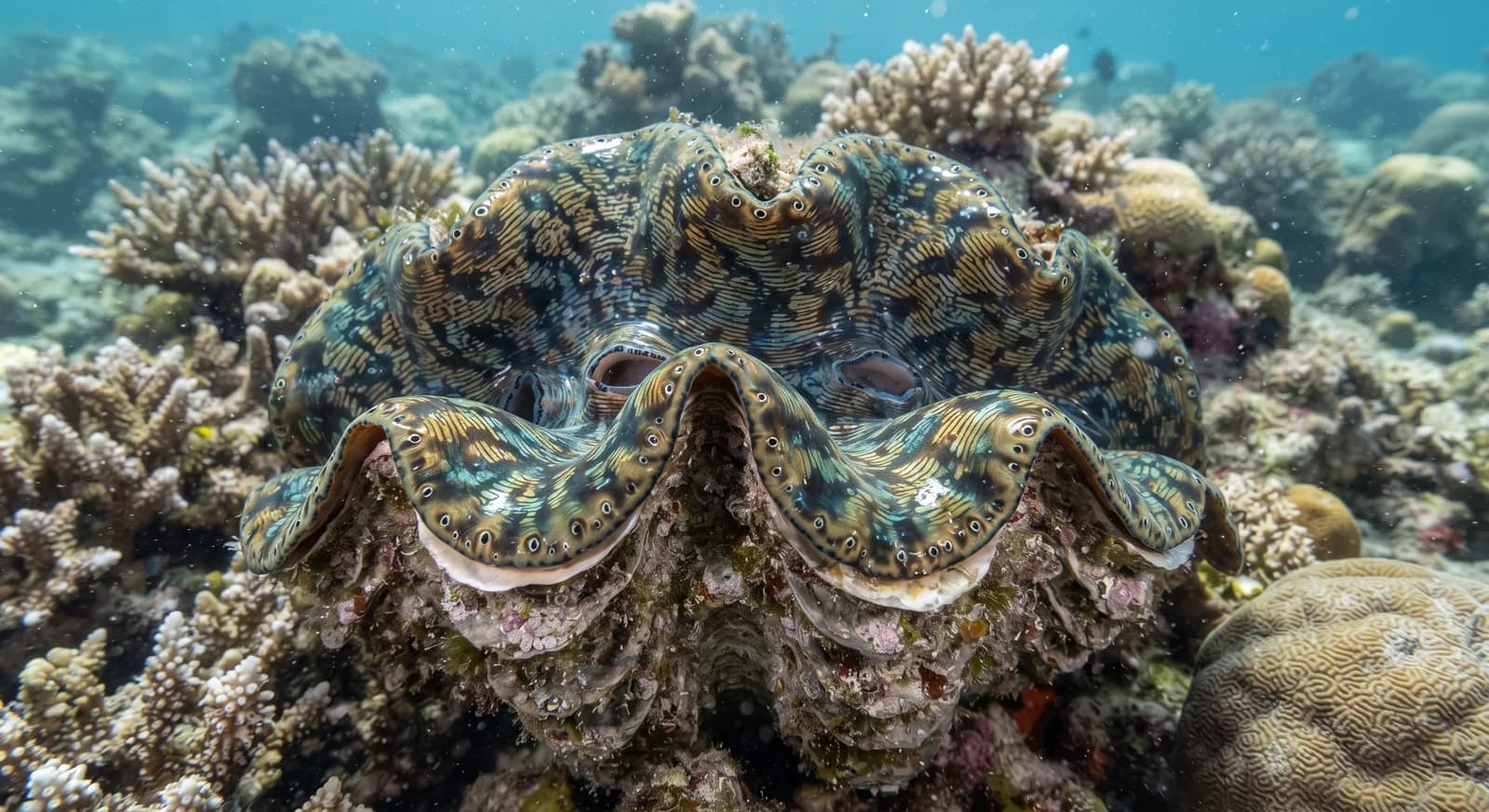 Critically Endangered
Giant Clam
Tridacna gigas
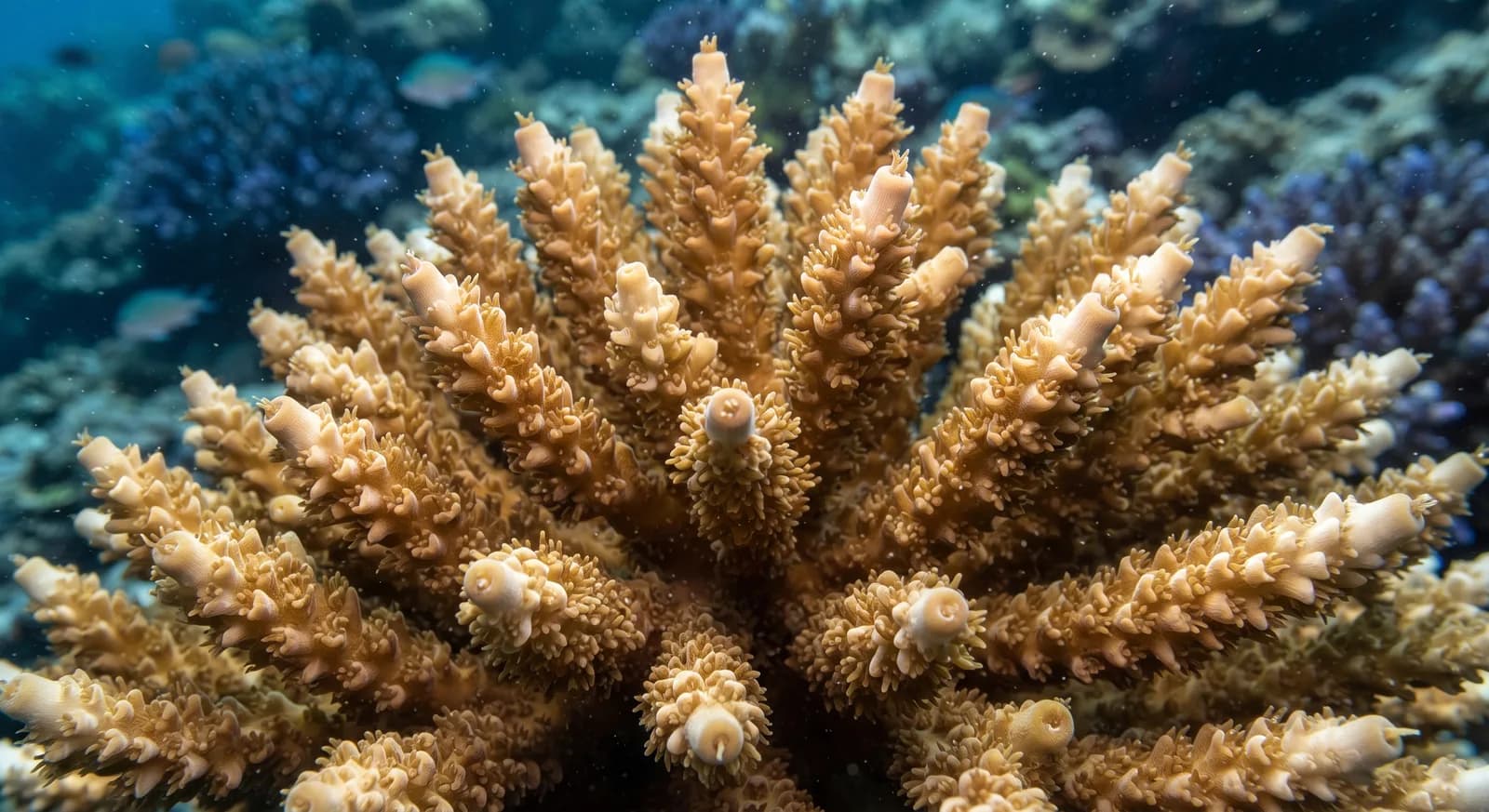 Critically Endangered
Staghorn Coral
Acropora cervicornis
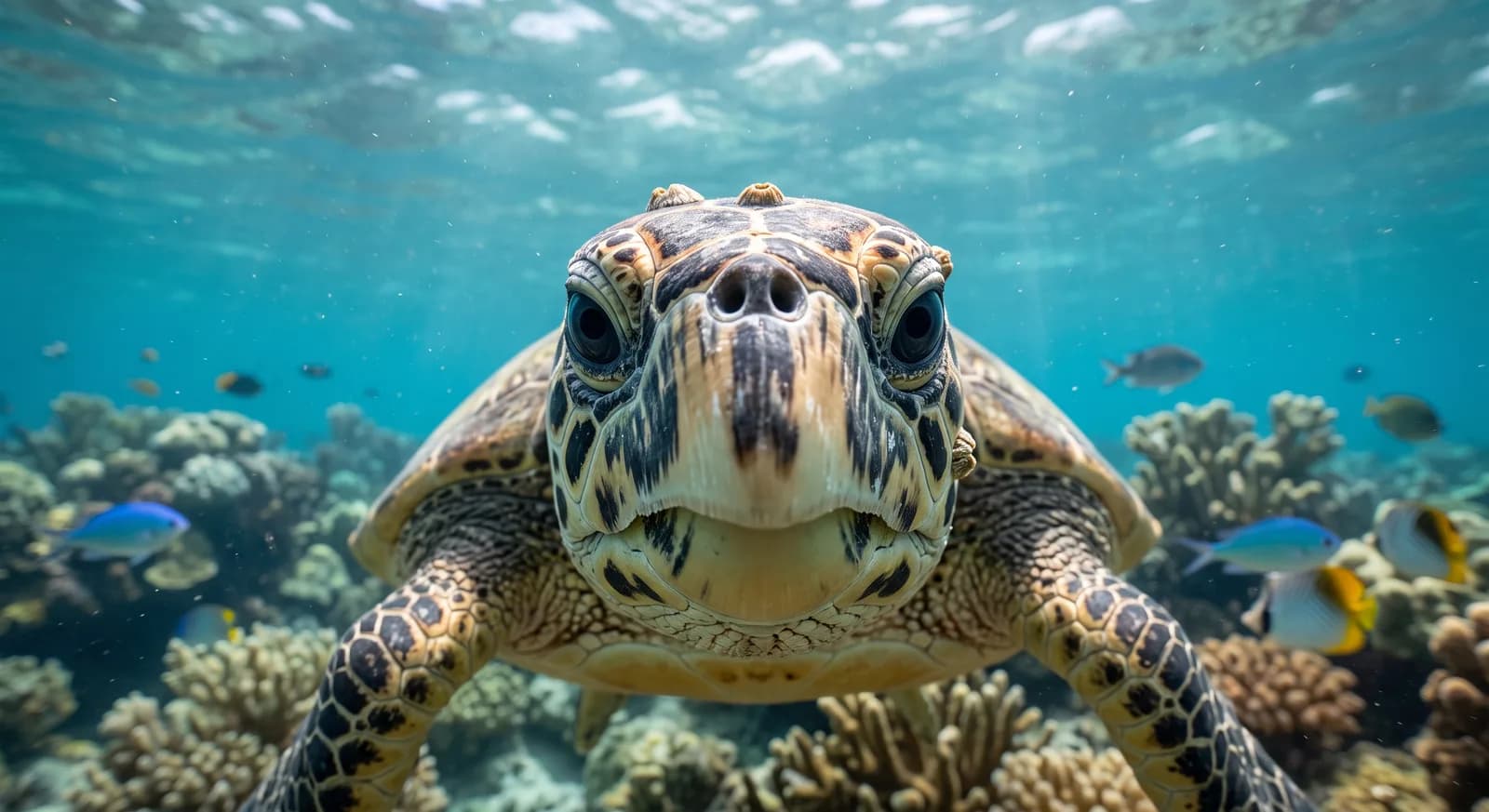 Critically Endangered
Hawksbill Turtle
Eretmochelys imbricata
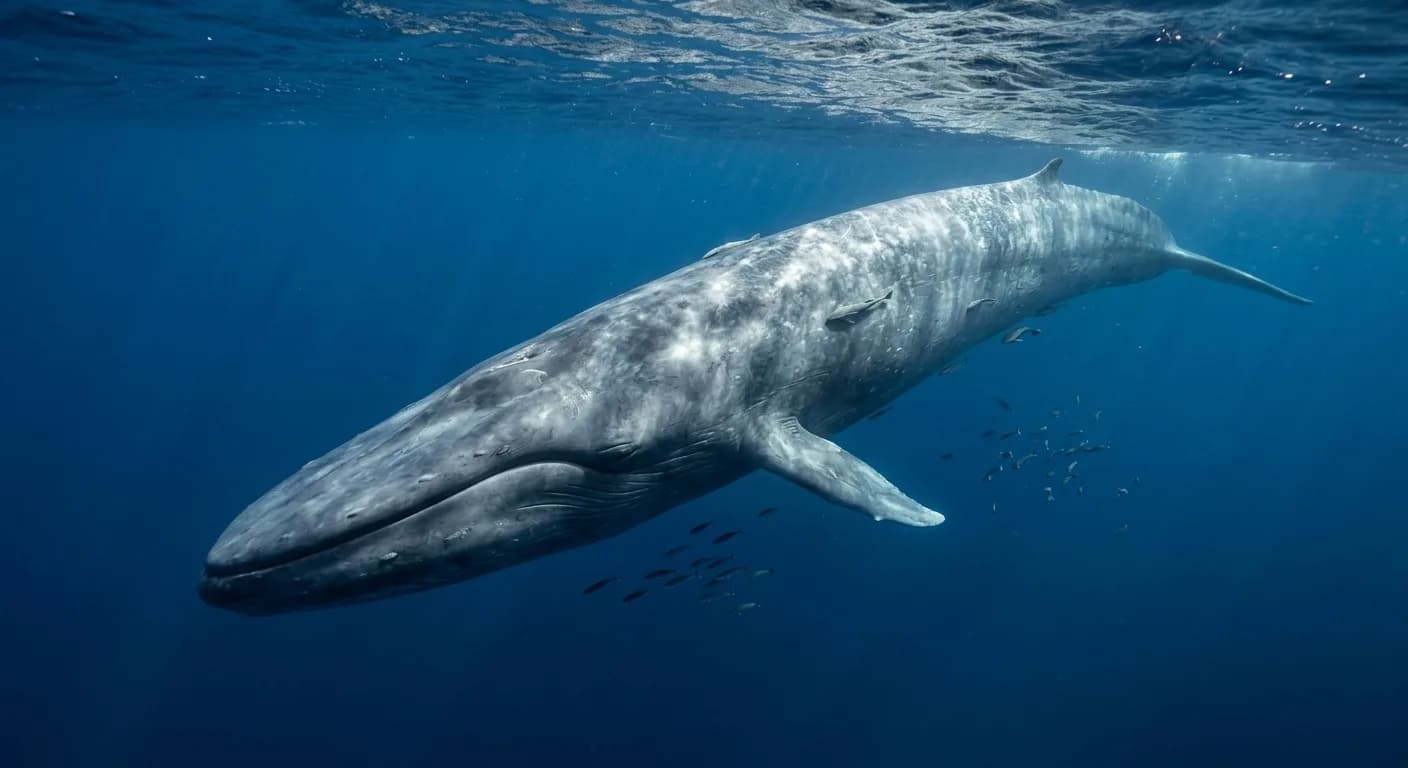 Endangered
Blue Whale
Balaenoptera musculus
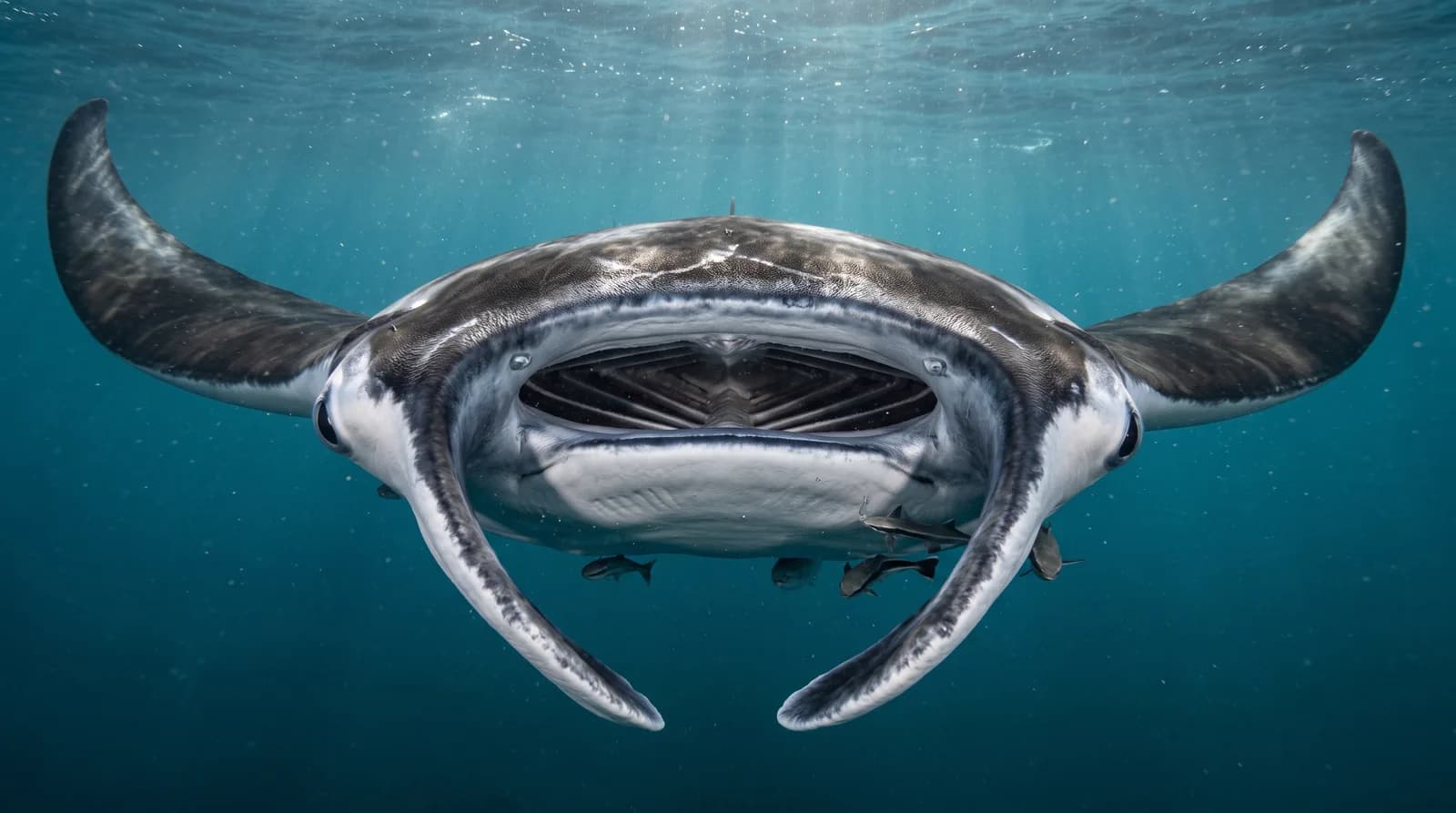 Endangered
Giant Manta
Mobula birostris
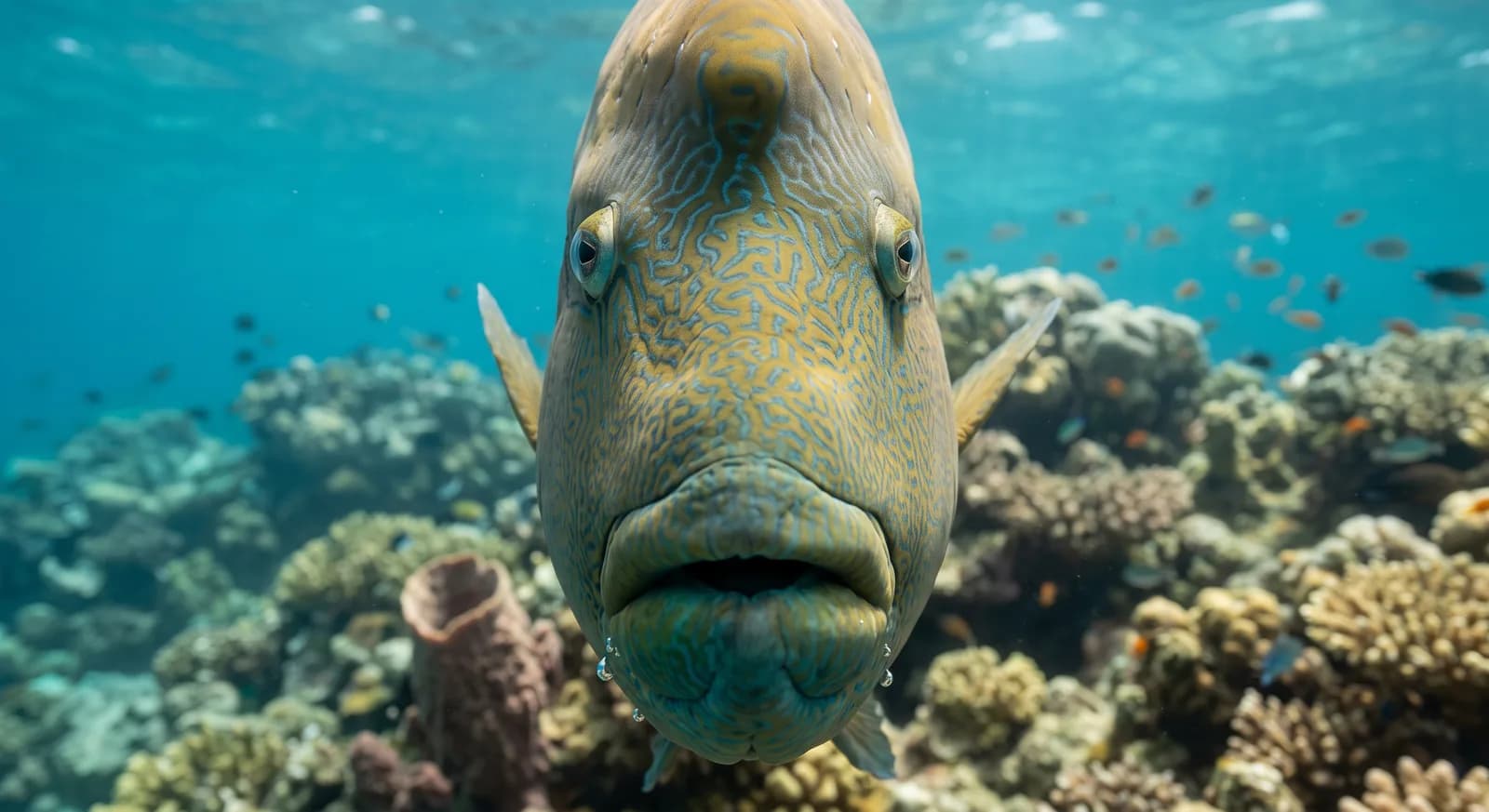 Endangered
Humphead Wrasse
Cheilinus undulatus
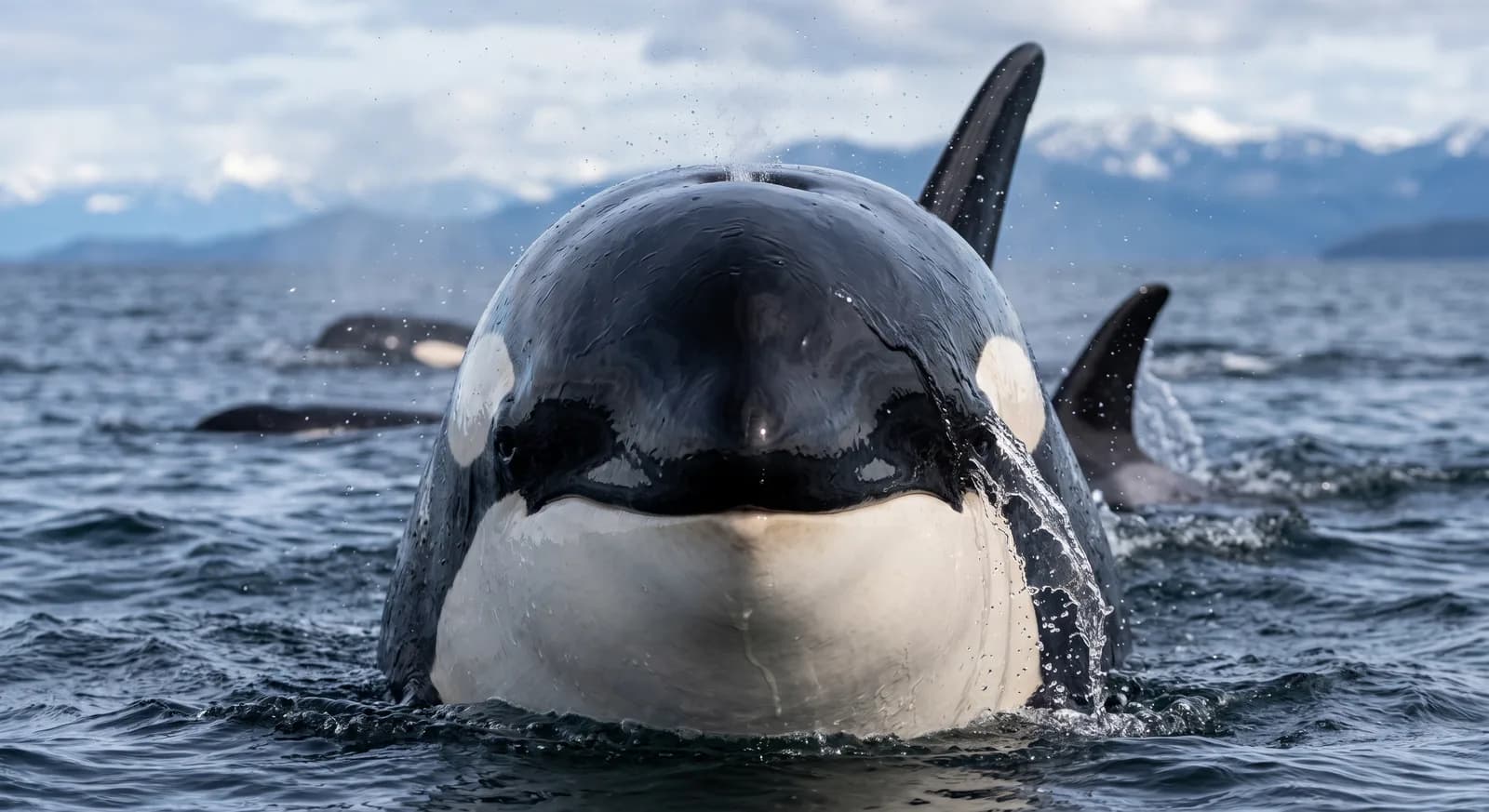 Endangered
Killer Whale
Orcinus orca
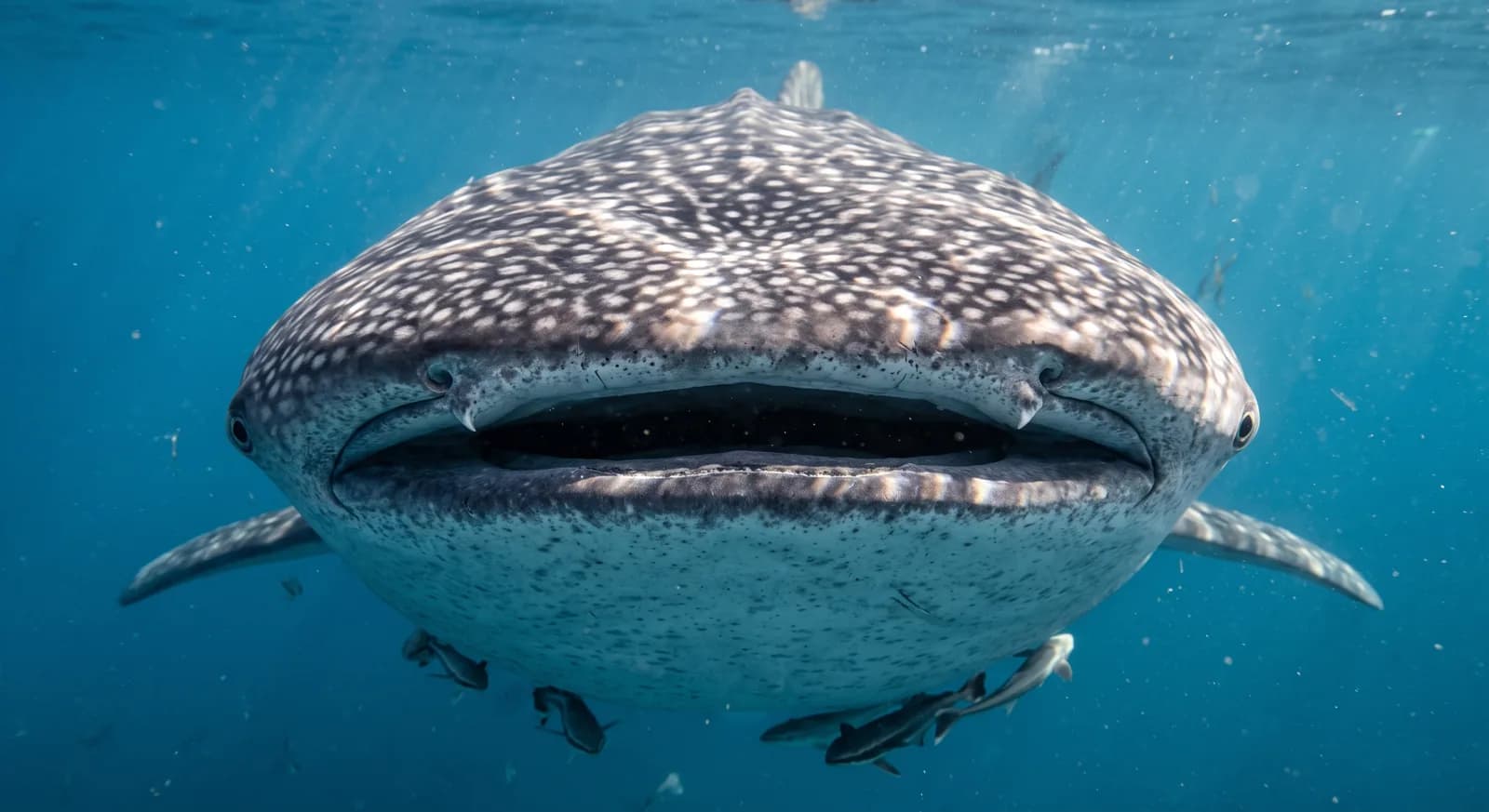 Endangered
Whale Shark
Rhincodon typus
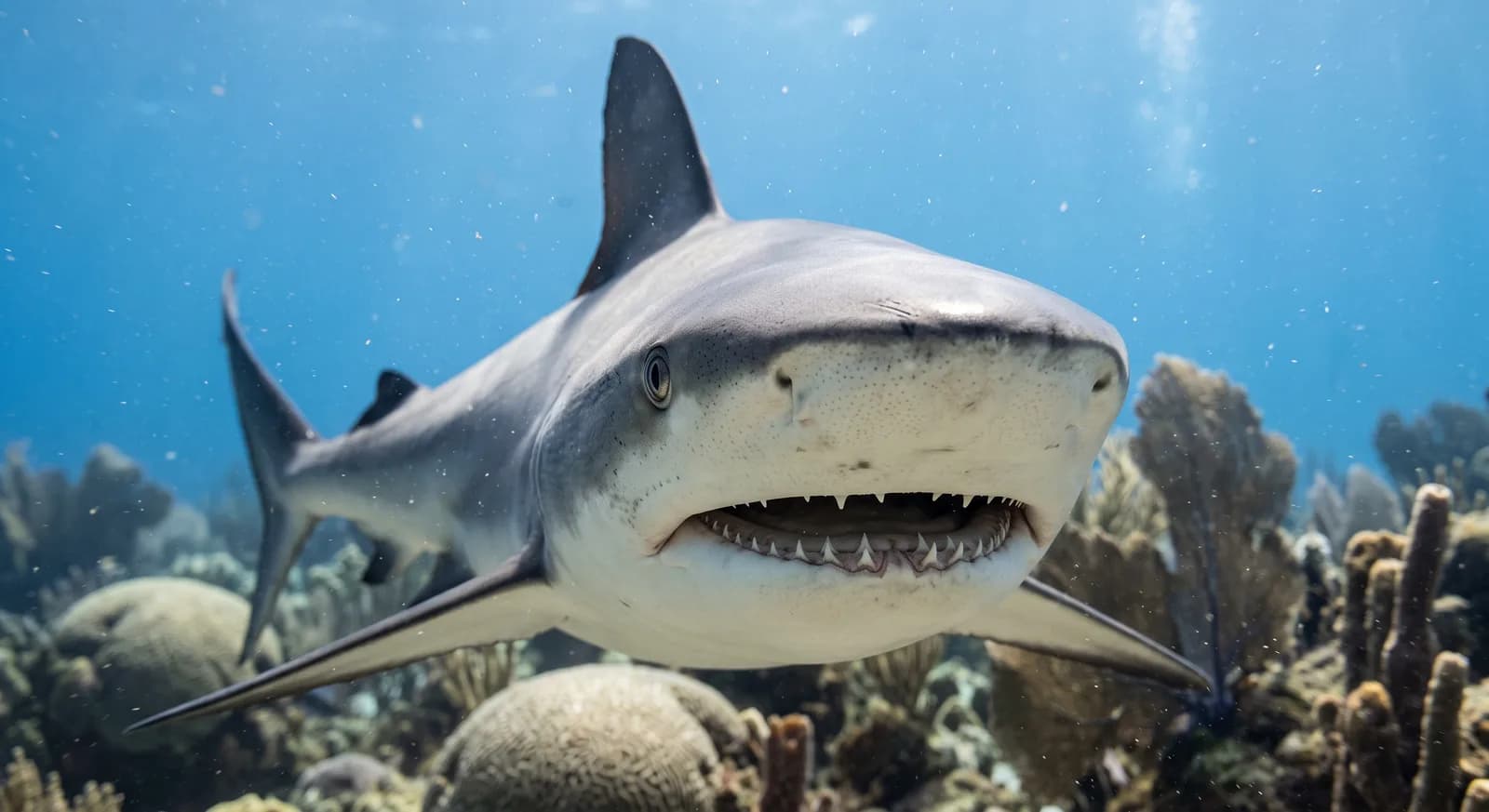 Endangered
Grey Reef Shark
Carcharhinus amblyrhynchos
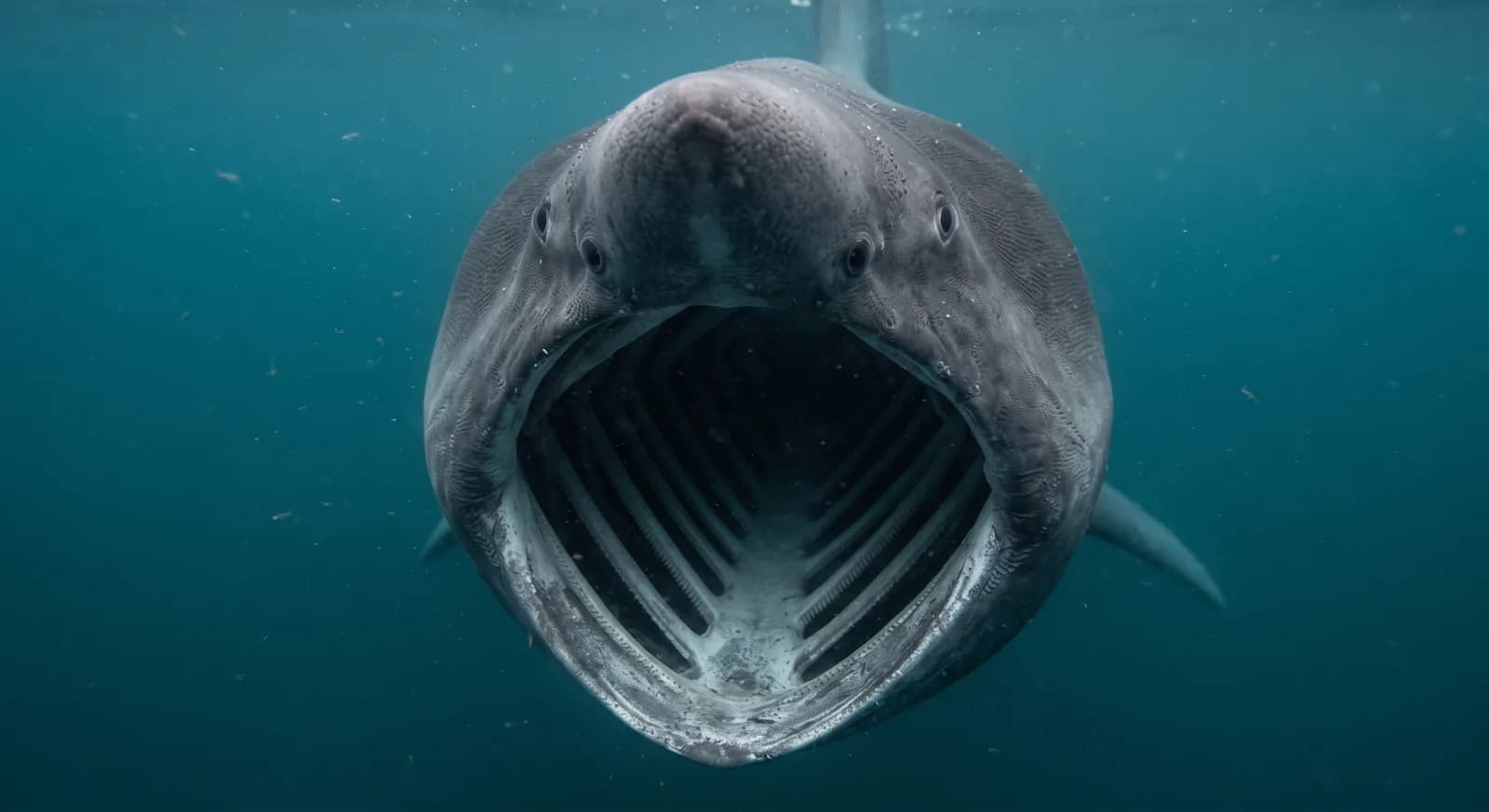 Endangered
Basking Shark
Cetorhinus maximus
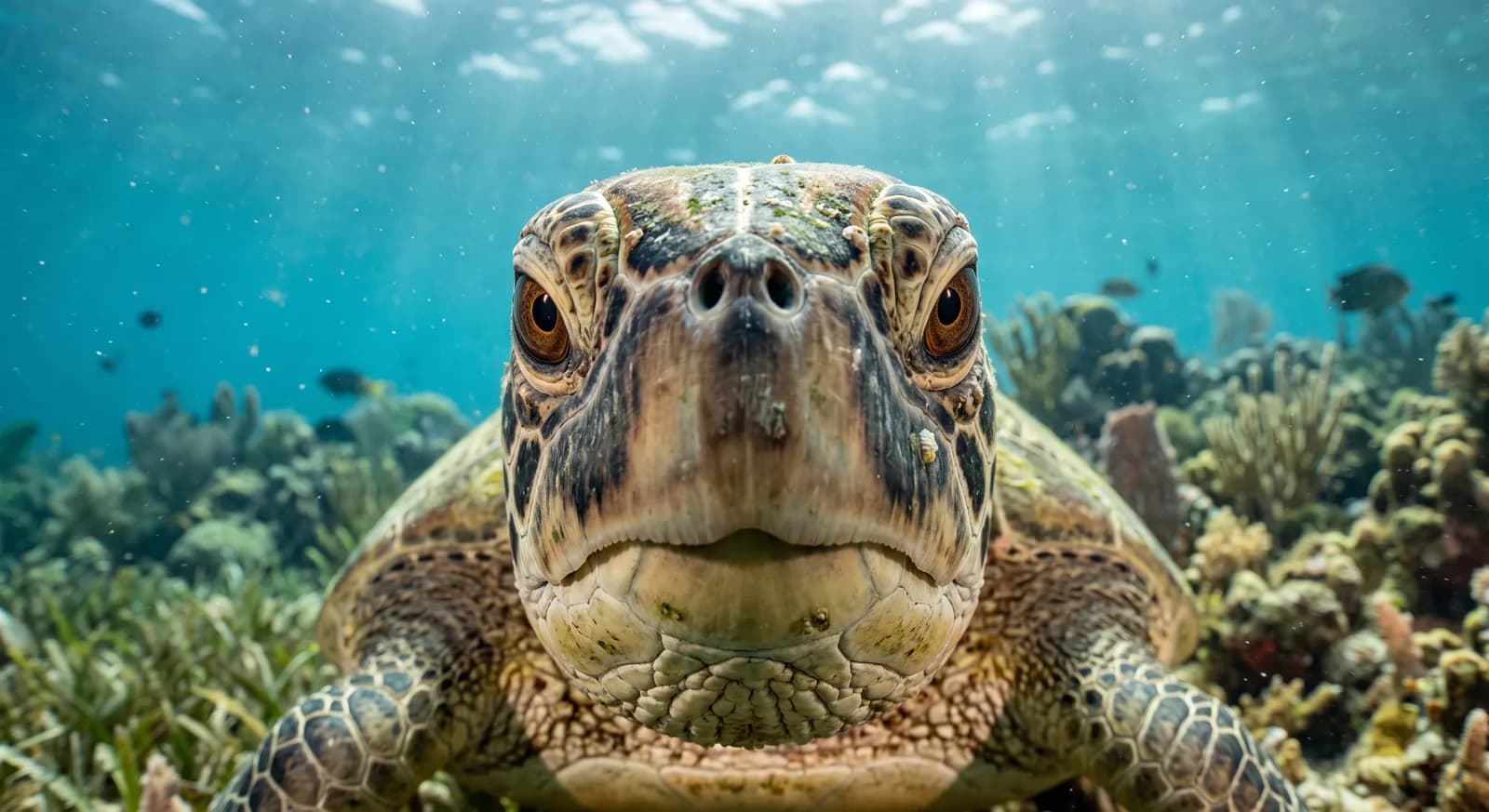 Endangered
Green Turtle
Chelonia mydas
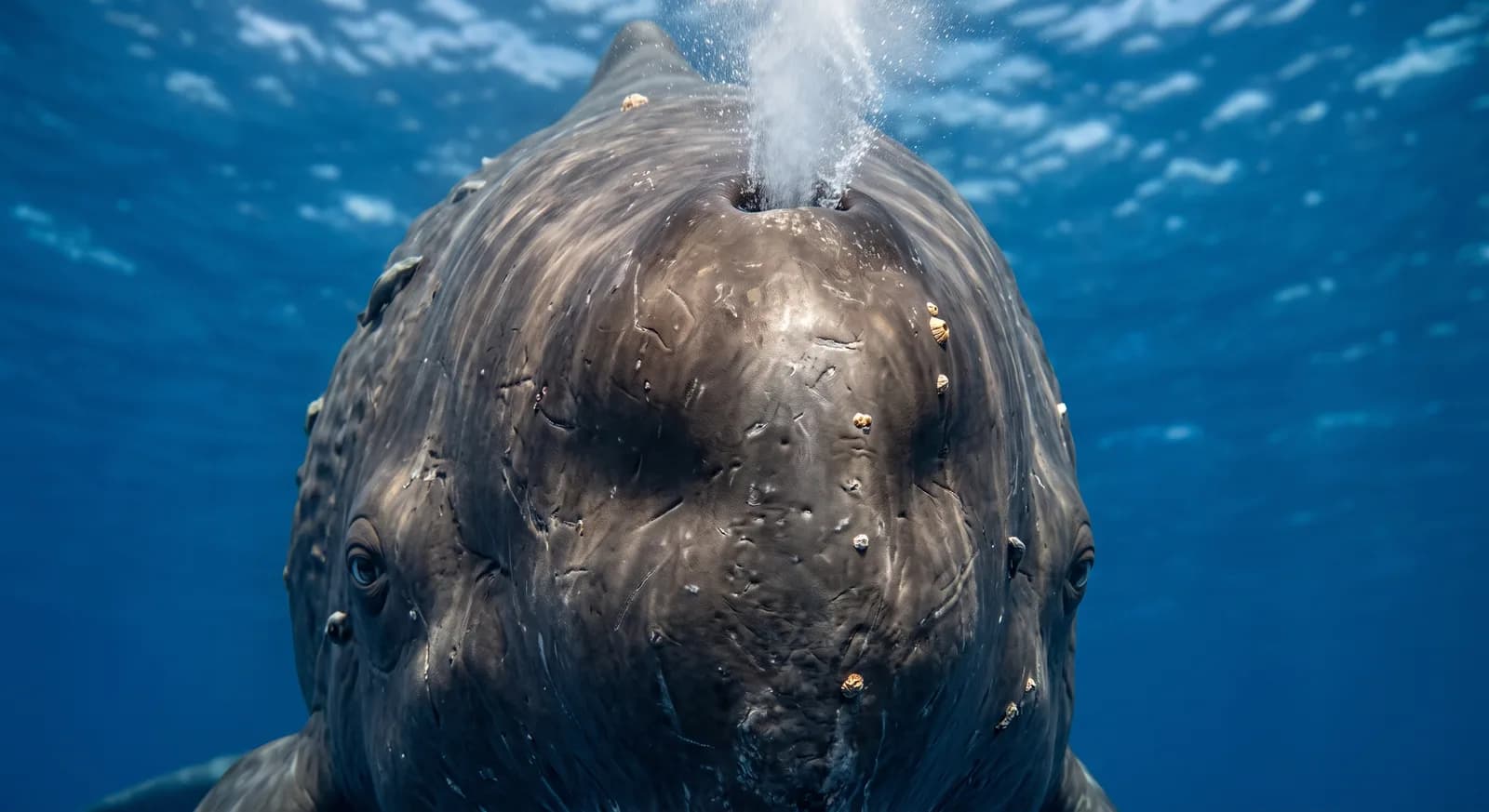 Vulnerable
Sperm Whale
Physeter macrocephalus
Keep exploring
Based on what we already know about Réunion.