Malta's first nature park, protecting the north-west coast of the island, with cliffs and Mediterranean garrigue.
Climate
Árido / desértico, Mediterráneo
Plan your visit
Highlight
Cliffs and the north-west coast of Malta
Il-Majjistral Nature and History Park is Malta's only nature park and the largest managed protected area on the island. It was declared in September 2007 by Legal Notice 251/2007 and takes in the north-western strip running from Golden Bay to Il-Prajjet and Ix-Xagħra l-Ħamra, in the locality of Mellieħa. Its name comes from majjistral, the Maltese word for the north-westerly wind and for the north-western region. Management is entrusted to a federation of three NGOs, among them Din l-Art Ħelwa, together with the local council and government representatives.
Despite its small size, it concentrates a great variety of habitats: coastal and clifftop garigue, maquis, steppe, blue clay slopes, temporary freshwater rock pools, scree, farmland both in use and abandoned, and a sandy beach with its associated dune system. Geologically it is a good example of Maltese stratigraphy: the hard Upper Coralline Limestone rests on the much softer Blue Clay, which when saturated with water slides and brings down blocks of limestone, forming the cliffs of Rdum id-Delli and Rdum Majjiesa. The park adjoins the Rdum Majjiesa Marine Protected Area and its coast forms part of the Rdumijiet ta' Malta Special Area of Conservation, in the Natura 2000 network.
Around 430 plant species have been recorded, twelve of them endemic to Malta, such as the Maltese spurge, the Maltese sea chamomile and the Maltese sea lavender; since the declaration more than 1,300 olive, holm oak, carob and myrtle trees have been planted. Nine bird species breed in the park and many more use it on passage, among them the shearwaters that nest on the cliffs. Terrestrial vertebrates include hedgehogs, several bat species, weasels and rabbits. The cultural heritage is equally notable: prehistoric cart-ruts, dry stone walls, tombs of the classical period, caves, shepherds' giren and a restored military pillbox. In 2013 Legal Notice 217 restricted hunting and vehicle access, two of the park's long-standing problems.
Location
See on the interactive map4 dive sites within 300 km are also shown.
119 species documented in Majjistral Park
At conservation risk:Pardela mediterránea,Angelote,Anjova,Atún rojo,Caballito de mar europeo,Cazón,Coral rojo,Dentón,Jurel,Langosta europea,Marrajo dientuso,Mero morenoand 4 more
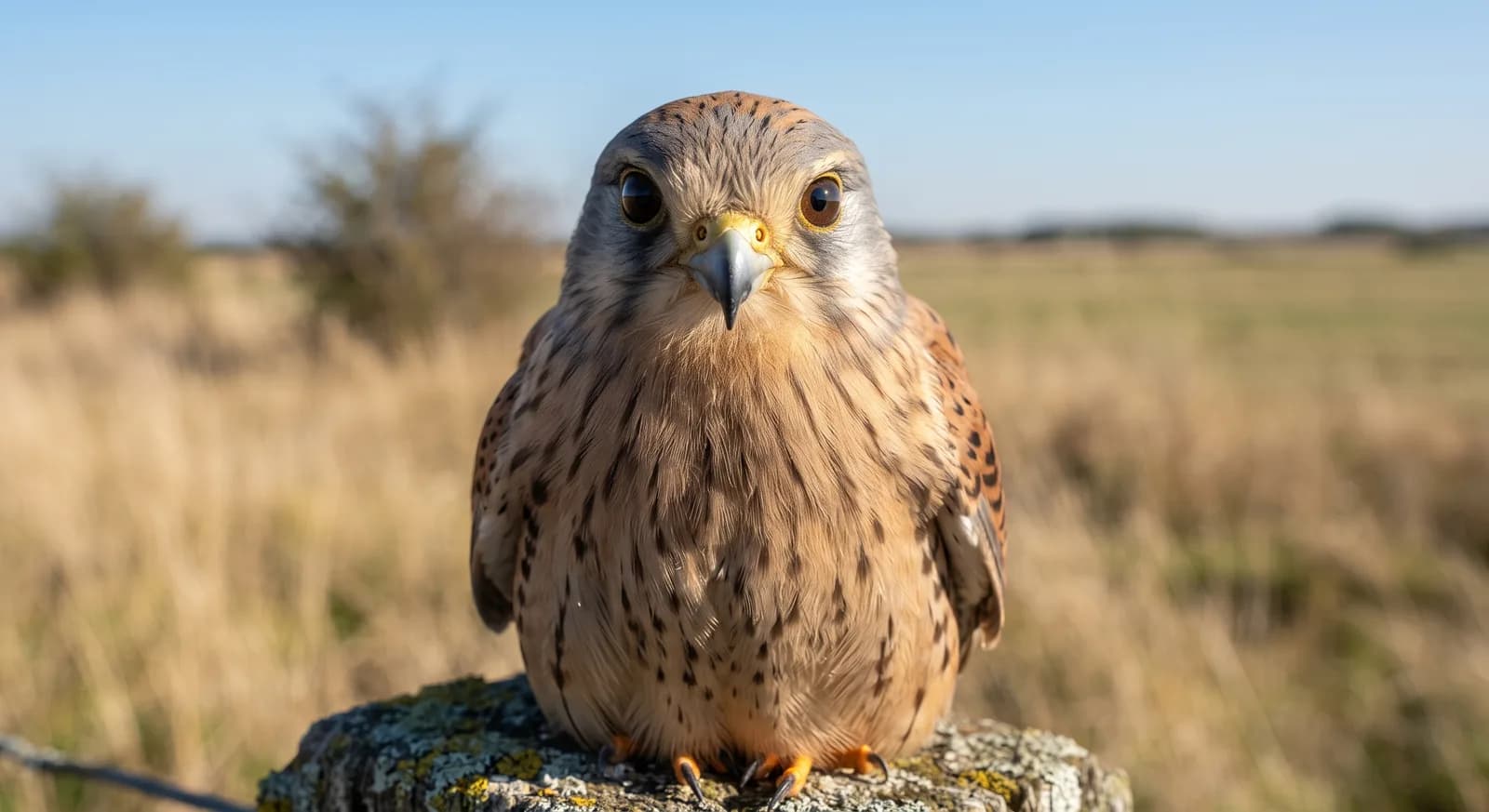 Least Concern
Cernícalo vulgar
Falco tinnunculus
Culebra de herradura
Hemorrhois hippocrepis
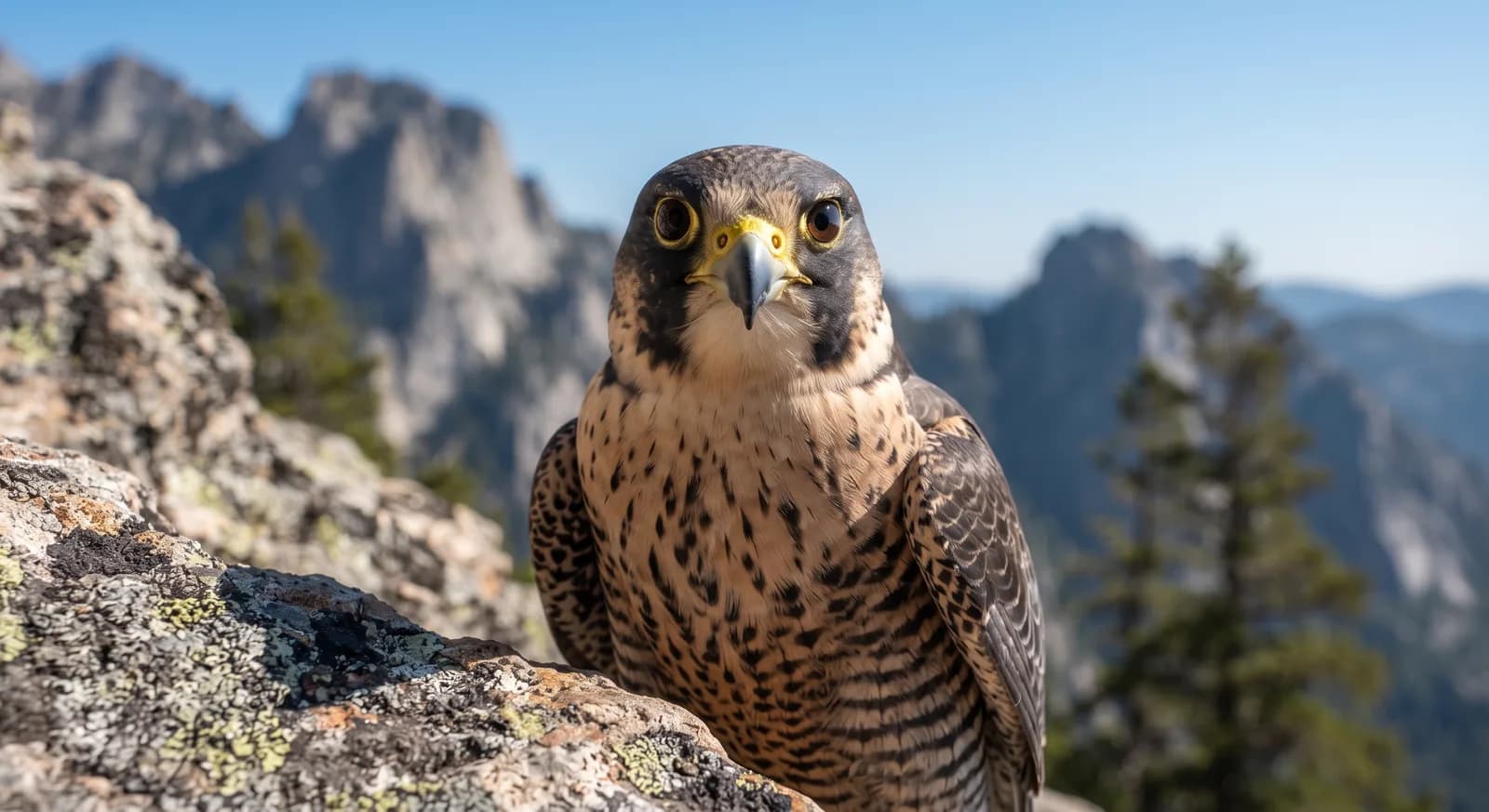 Least Concern
Halcón peregrino
Falco peregrinus
Lirón careto
Muscardinus avellanarius
Paíño europeo
Hydrobates pelagicus
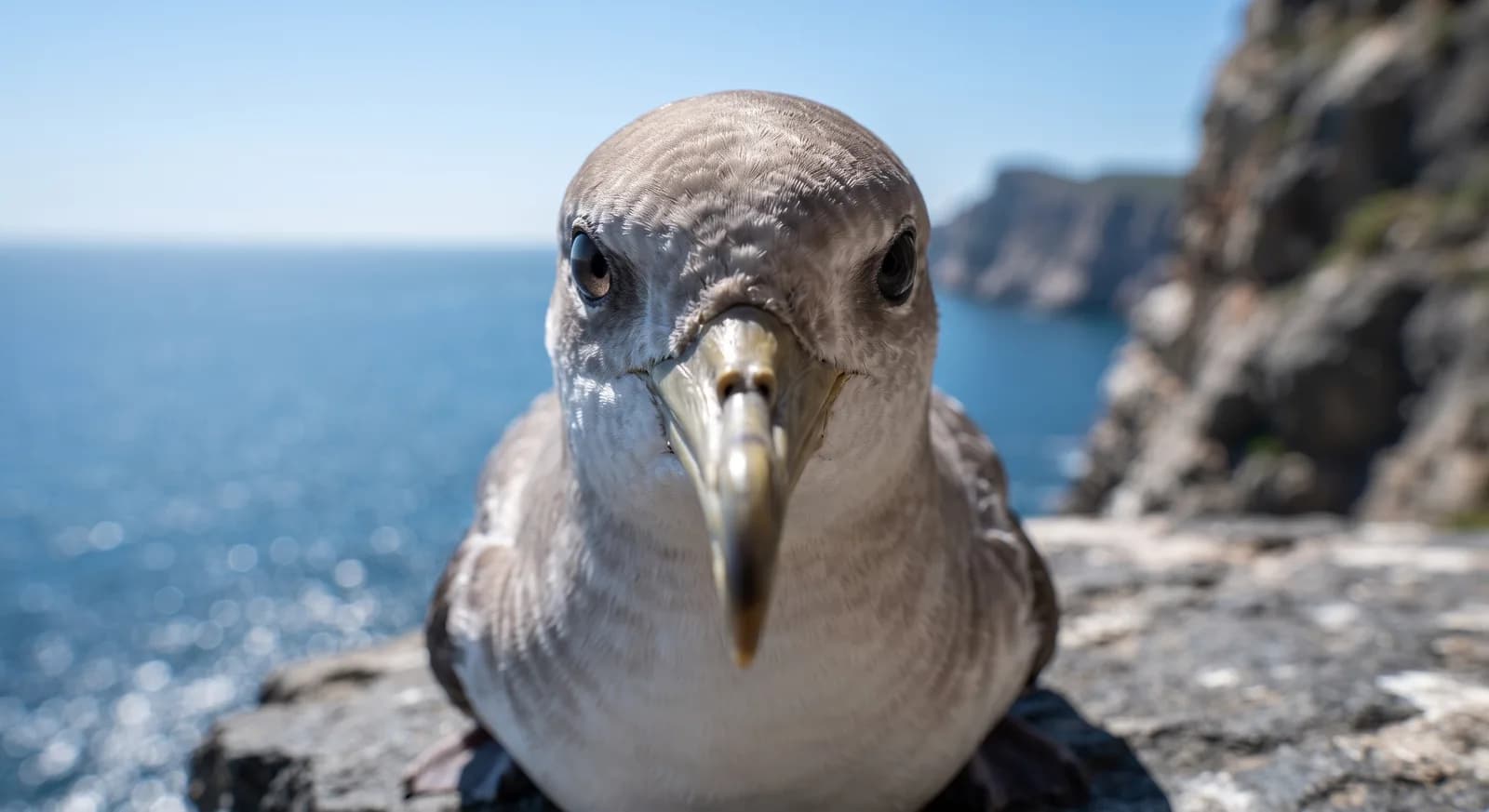 Least Concern
Pardela cenicienta
Calonectris diomedea
Erizo moruno
Atelerix algirus
Pardela mediterránea
Puffinus yelkouan
Aguja de mar
Syngnathus acus
Agujeta
Belone belone
Almeja fina
Ruditapes decussatus
Anfípodo barril de mar
Phronima sedentaria
Flora and ecosystems
Ecosystems found in Malta, where Majjistral Park lies.
Experiences in this park
Nearby dive sites
Where can I dive near here?
Cirkewwa (Malta)
4 km away
Comino (Laguna Azul y Cuevas)
7 km away
Gozo (Cathedral Cave/Reqqa Point)
14 km away
Malta (Blue Hole Gozo / Um El Faroud)
16 km away
Similar parks
Which other parks are like this one?
Topes de Collantes
Cuba
Tocororo (Cuban trogon) · zunzuncito (bee hummingbird)
View parkMismo tipo de espacio: Nature Park
Serra da Estrela
Portugal
Iberian wolf · reintroduced Iberian ibex
View parkMismo tipo de espacio: Nature Park
Ria Formosa
Portugal
Common chameleon · greater flamingo
View parkMismo tipo de espacio: Nature Park
Brownsberg
Suriname
Colombian Red Howler Monkey · Spider Monkey
View parkMismo tipo de espacio: Nature Park
Keep exploring
Based on what we already know about Majjistral Park.
Your rating
How many stars would you give Majjistral Park?
Comments
Share your experience visiting Majjistral Park, or a tip for other travellers.
Be the first to comment.