One of the 5 shearwaters on WAnimals
Birds · Procellariiformes · Procellariidae
Yelkouan Shearwater
Puffinus yelkouan
It faces a high risk of extinction in the wild over the medium term. See full glossary
The Yelkouan shearwater is a seabird endemic to the Mediterranean that spends almost its whole life on the open sea and comes ashore only at night to breed, in crevices and burrows on islets and cliffs. It flies low over the waves on stiff wings, alternating glides with bursts of rapid wingbeats. Its greatest threats are rats and cats introduced onto the breeding islands and accidental capture on longlines.
Weight
350 g – 500 g
Size
30 cm – 38 cm
Lifespan
25 years
Diet
Carnivore
Feeds mainly on other animals.
Activity
Irregular activity
Active at irregular times, by day or night depending on circumstances.
Social structure
Colony
Lives in large concentrations, often for breeding reasons.
Sighting difficulty
Moderate
Fun facts
- It comes in to the colony only at night and in the deepest darkness: it avoids full-moon nights because yellow-legged gulls and raptors are waiting for it along the coast.
- Rats introduced onto the islets are its greatest threat on land: eradicating rats from a handful of Mediterranean islands has been enough to multiply the breeding success of entire colonies.
Life cycle & biology
- Skeleton type
- Vertebrate - internal bony skeleton (bird)
- Habitat & environment
- The open sea of the Mediterranean and the Black Sea; it breeds in crevices and caves on cliffs and islets
- Sexual maturity
- 5 years
- Gestation / incubation
- 51 days of incubation
- Litter / clutch size
- 1 egg
Sources consulted: https://en.wikipedia.org/wiki/Yelkouan_shearwater
Where to find it
See its range on the interactive mapWhere to watch it
Parques y spots de buceo donde se ha documentado esta especie — se muestran 10 de 22 documentados.
Related species
Other species in the catalogue with the most in common with Yelkouan Shearwater — same habitat, park, country, tags or family.
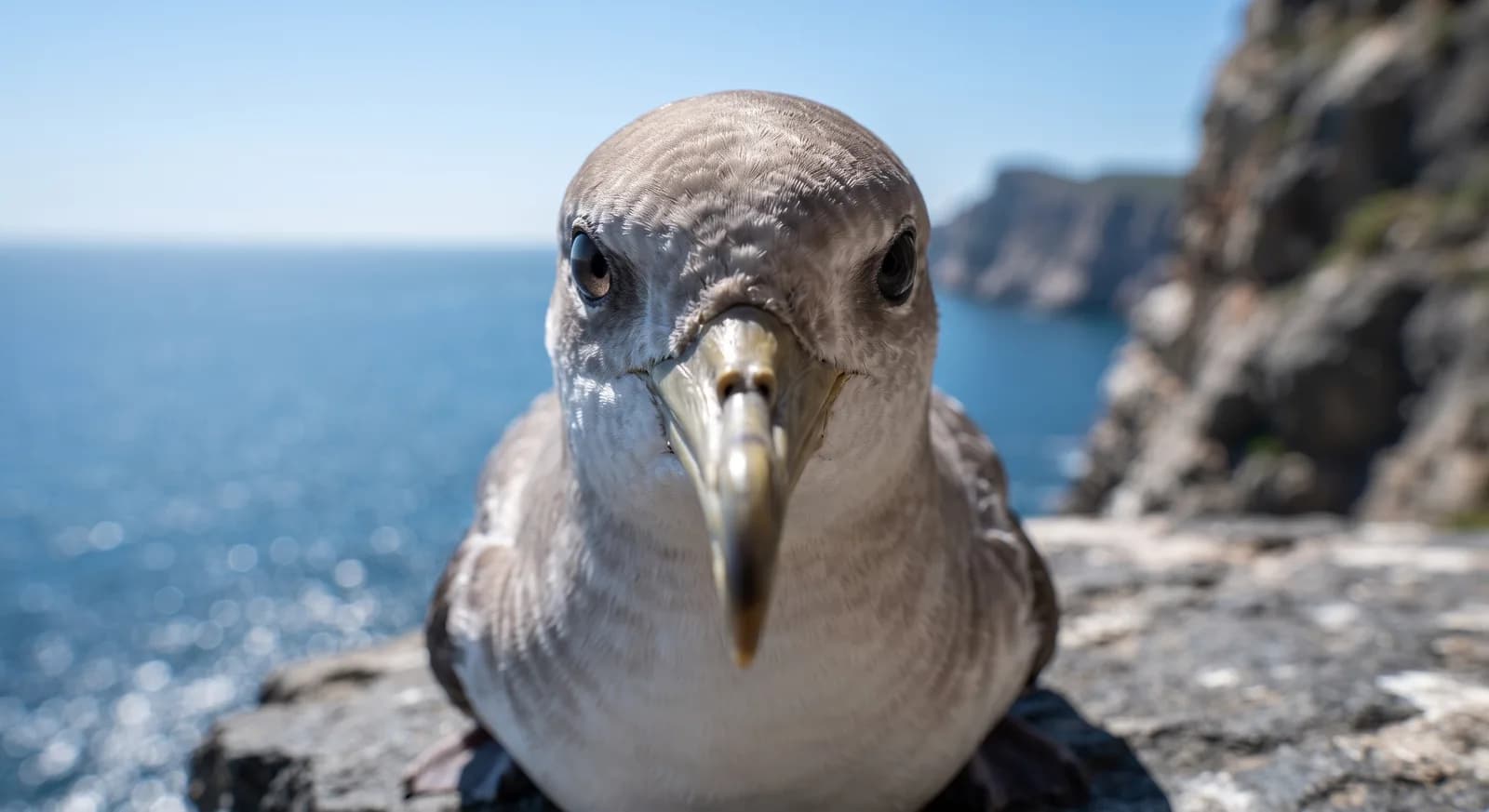 Least Concern
Scopoli's Shearwater
Calonectris diomedea
Balearic Shearwater
Puffinus mauretanicus
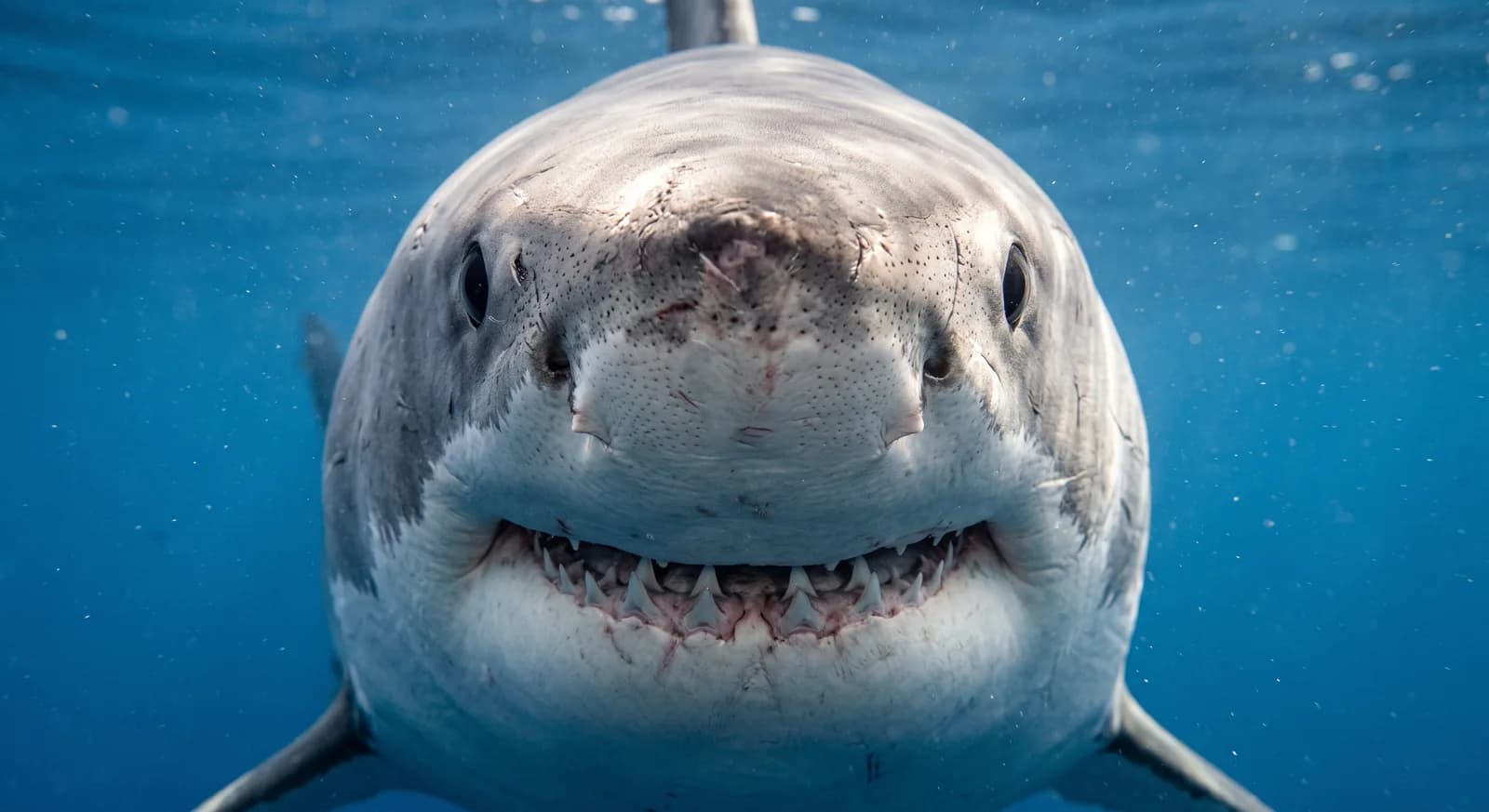 Vulnerable
Great White Shark
Carcharodon carcharias
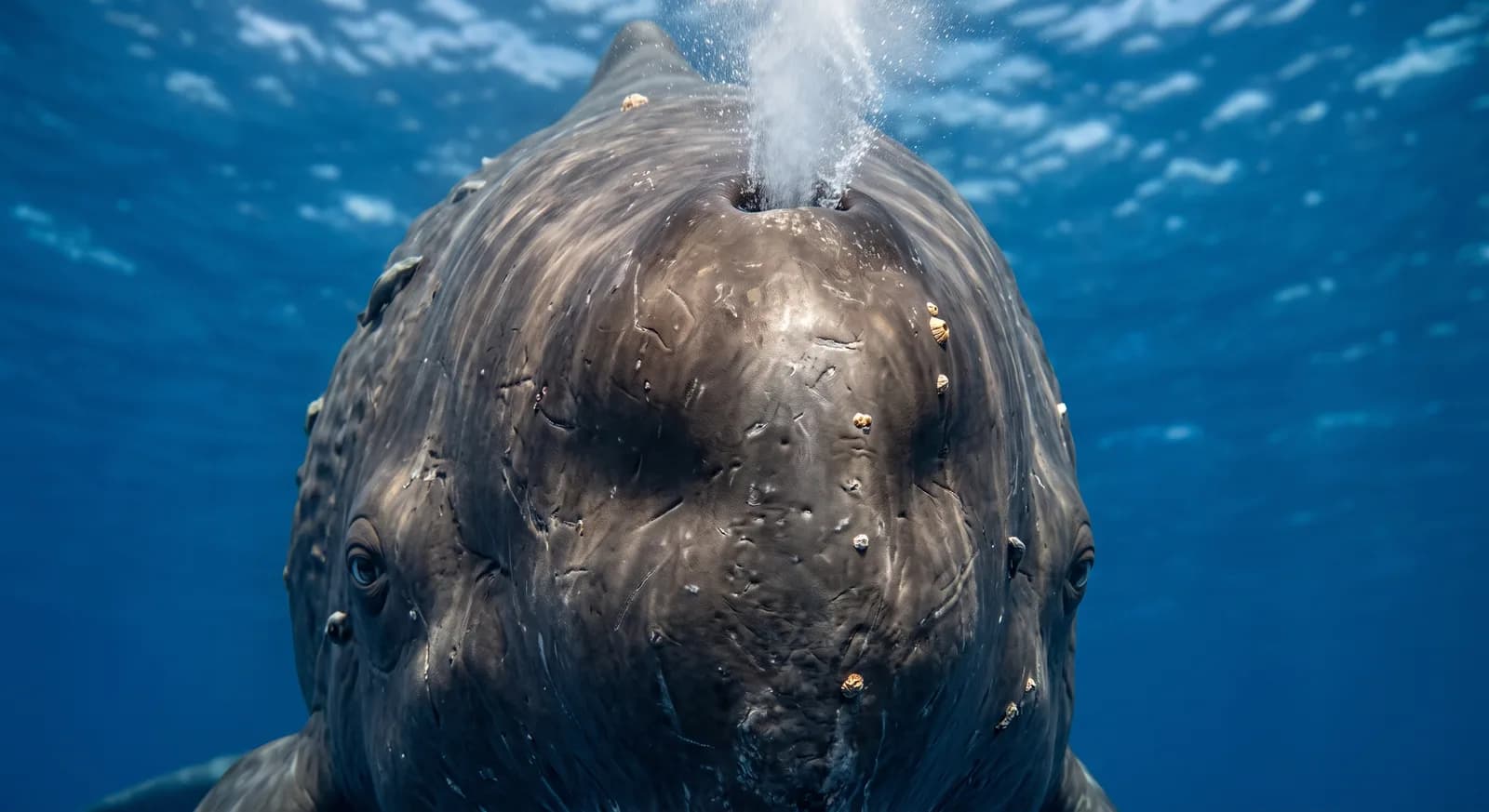 Vulnerable
Sperm Whale
Physeter macrocephalus
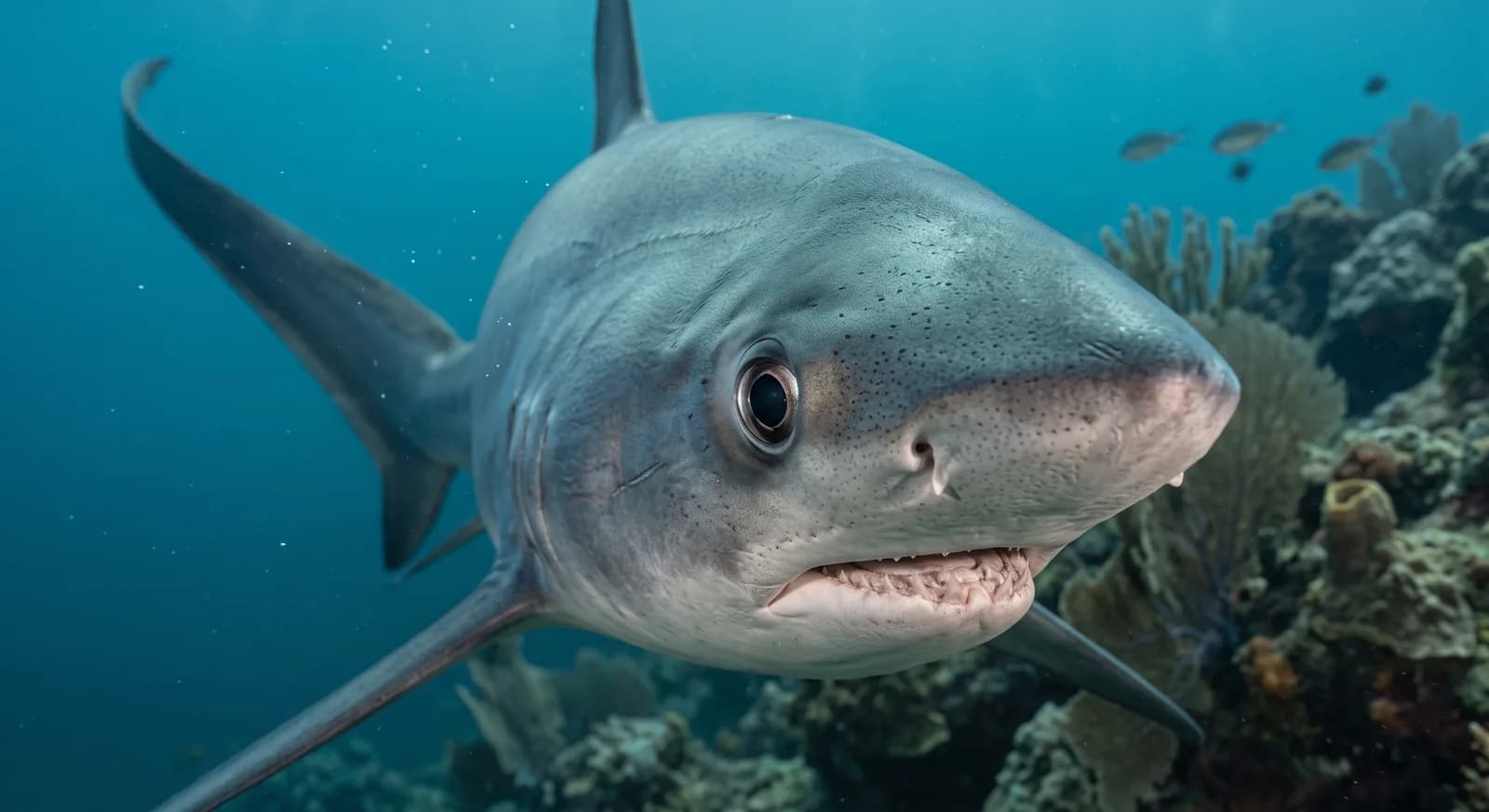 Vulnerable
Grayfish
Alopias vulpinus
Spurdog
Squalus acanthias
How to help
The yelkouan shearwater is classified as vulnerable. Organizations such as UICN, WWF y Wildlife Conservation Society work specifically on its conservation and that of its habitat; looking into their programs is a good starting point if you want to get involved.
It's documented in 6 real protected areas — part of why protecting these places matters for its conservation.
Keep exploring
Based on what we already know about yelkouan shearwater.
Comments
Share an experience, a fun fact or a tip for seeing the yelkouan shearwater.
Be the first to comment.