Species group · Birds
Shearwaters
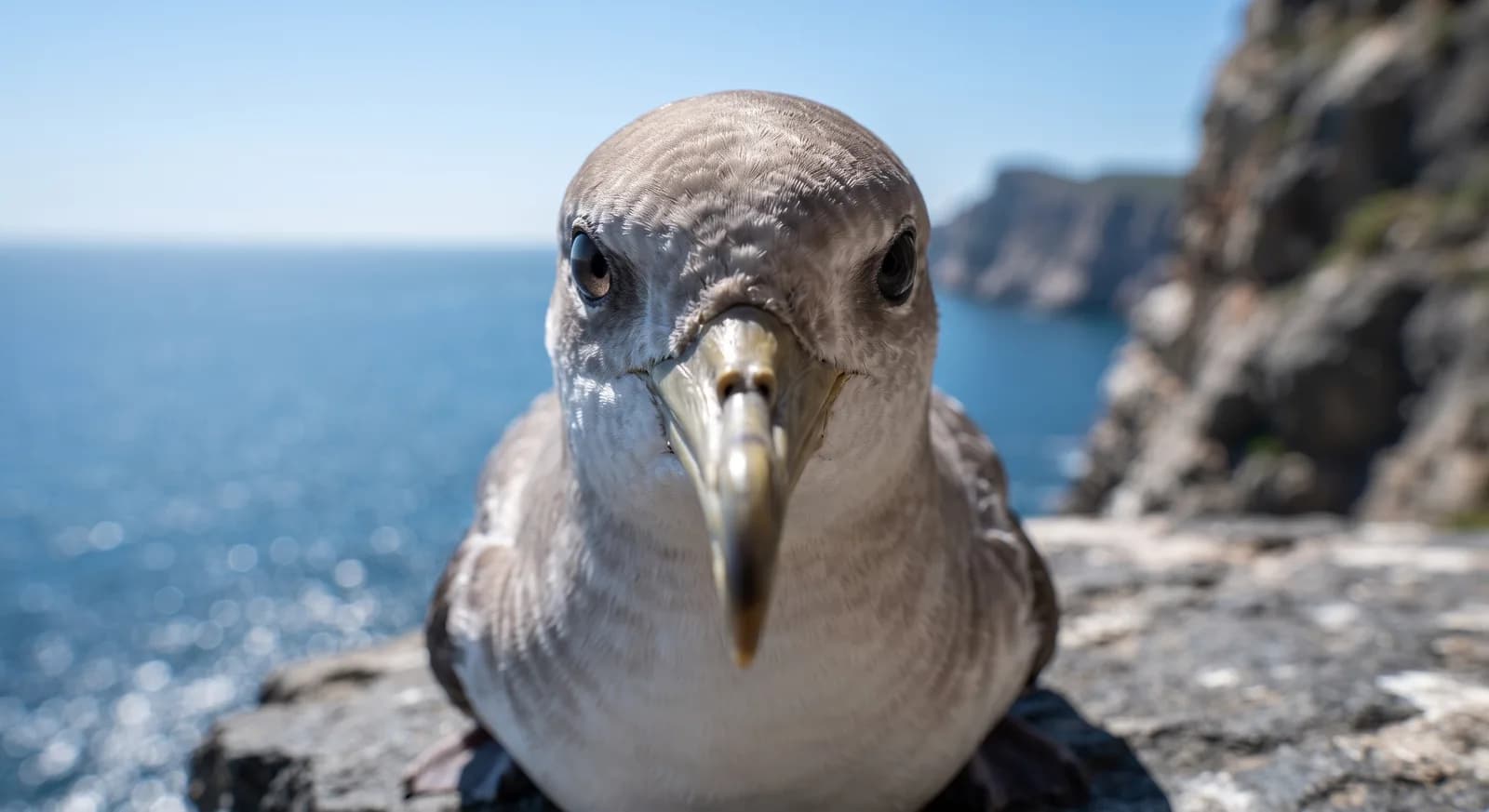
WAnimals has 5 species of shearwater, all in the family Procellariidae.
- 5 species
- 1 family
- 41 countries
- 49 parks
- Weight
- 340 g – 956 g
- Length
- 30 cm – 56 cm
- Lifespan
- 25 – 40 years
Ranges calculated from the entries that record the figure, not from all 5.
All 5 species of shearwaters on WAnimals
Each one has its own full entry. This group does not replace them: it brings them together.
 Least Concern
Scopoli's Shearwater
Calonectris diomedea
Balearic Shearwater
Puffinus mauretanicus
Manx Shearwater
Puffinus puffinus
Yelkouan Shearwater
Puffinus yelkouan
Newell's Shearwater
Puffinus newelli
Conservation status
3 especies in this group están en alguna categoría de riesgo real según la UICN.
See the global conservation statusWhere they live
Recorded in 41 countries. The ones with the most species in the group:
Where to see them
- Calanques3 species
- Port-Cros3 species
- Alonissos y Esporadas del Norte2 species
- Archipielago de Cabrera2 species
- Cabo de Gata-Níjar2 species
- Delta del Ebro2 species
- Islas Cies2 species
- Parque de Majjistral2 species
- Pembrokeshire Coast2 species
- Sudoeste Alentejano e Costa Vicentina2 species
- Urdaibai2 species
- Acadia1 species
Did you know…
Its night-time call at the colonies is a guttural moaning likened to a baby crying or a cat mewing, and on several Mediterranean islands it has fed legends of tormented souls on the cliffs.
From Scopoli's Shearwater
The chicks that leave the nest in autumn are disorientated by artificial lights and come down on roads and in villages: in the Canaries and the Balearics rescue campaigns are organised every year that collect thousands of young shearwaters to return them to the sea.
From Scopoli's Shearwater
The most threatened seabird in Europe; it breeds only in the Balearics.
From Balearic Shearwater
It is one of the most threatened seabirds in Europe, breeding almost entirely in the Balearic Islands, with a small world population.
From Balearic Shearwater
It is a strict Spanish endemic: every colony in the world is in the Balearics, and Spain is therefore directly responsible for the future of the species.
From Balearic Shearwater
One documented bird reached 50.9 years of age, an exceptional lifespan.
From Manx Shearwater
Left behind by its parents, the chick loses weight on its own for over a week before it first takes to the air.
From Manx Shearwater
The English word 'puffin' originally belonged to this bird and was later transferred to the seabird that carries it today, because the two nest in much the same way.
From Manx Shearwater