Morocco
África
Morocco is the most mountainous country in North Africa, and that backbone explains its natural wealth: the Rif and the three Atlas chains hold back the Atlantic moisture and create islands of forest on the very threshold of the Sahara. The Middle Atlas grows the largest Atlas cedar woods in the world, the habitat of the Barbary macaque, the only primate that lives naturally north of the desert. Towards the south and east, the vegetation opens out into esparto steppe, stony hamada and dune erg, with dorcas gazelles, fennec foxes and horned vipers. The Atlantic coast, washed by cold and productive waters, sustains the largest argan woodland on the planet and wetlands such as Souss-Massa and the Merja Zerga lagoon, stopovers for birds migrating between Europe and sub-Saharan Africa.
The nature of Morocco
National animal: The Barbary lion, extinct in the wild, is the national emblematic animal and appears in the country's symbolism
Did you know?
In southwestern Morocco it is common to see goats perched in the branches of argan trees, several metres off the ground, eating the fruit. It is no trick: the goats climb up by themselves, taking advantage of the tree's twisted, thorny form. For a long time it was believed that the seeds they passed were used to make the oil, though it is now known that overgrazing damages the argan woodland and livestock access is regulated.
Biodiversity profile
Climate
- •Mediterraneo (Csa) en la costa norte y noroeste
- •Templado de montaña en el Atlas (Alto Atlas, Medio Atlas, Rif)
- •Desertico (BWh) en el sur y sureste (Sahara)
Main biomes
- •Bosque mediterraneo de encina y alcornoque (costa y Rif)
- •Bosque de cedro del Atlas (Medio Atlas, habitat clave del macaco de Berberia)
- •Matorral y estepa de alta montaña (Alto Atlas)
- •Desierto y semidesierto sahariano (sur)
- •Cedral de montaña
- •Bosque de argán
- •Estepa de esparto
- •Erg y hamada sahariana
- •Laguna litoral atlántica
- •Alta montaña del Atlas
- •Encinar mediterráneo
Marine and coastal ecosystems
- •Costa atlantica y mediterranea, con acantilados y matorral costero protegido de importancia para aves marinas
Flagship wildlife
- •Macaco de Berberia (unico primate no humano silvestre del norte de Africa)
- •Leopardo de Berberia (extremadamente raro/posiblemente extirpado)
- •Ibis eremita del norte (poblacion silvestre mas importante del mundo)
- •Leon del Atlas (extinto en estado silvestre desde 1922)
- •Ibis eremita
- •Gacela dorcas
- •Zorro del desierto
- •Águila real
- •Nutria paleártica
- •Flamenco común
- •Alimoche común
- •Muflón del Atlas
- •Delfín mular
Notable endemic species
- •Marruecos es el pais con mayor endemismo floristico del Magreb: 879-5.354 especies y subespecies endemicas segun la fuente (18-25% de su flora vascular de aprox. 4.200 taxones), concentradas en el Alto Atlas, Medio Atlas y Rif
- •Cedro del Atlas y langosta marroqui entre las especies endemicas mas citadas
- •Macaco de Berbería
- •Salamandra del norte de África
- •Sapo partero marroquí
- •Ardilla moruna
Notable threatened species
- •Ibis eremita del norte (En Peligro Critico, con la mayor poblacion silvestre mundial en la costa atlantica marroqui)
- •Leopardo de Berberia (En Peligro Critico, posiblemente extirpado del pais)
- •Macaco de Berberia (En Peligro, poblacion concentrada en los bosques de cedro del Medio Atlas)
- •Leon de Berberia o del Atlas, extinto en estado silvestre desde 1922, hoy solo en cautividad
Notable protected areas
- •Parque Nacional de Ifrane (Medio Atlas, bosques de cedro, habitat critico del macaco de Berberia)
- •Parque Nacional de Toubkal (Alto Atlas, pico mas alto del norte de Africa)
- •Parque Nacional de Souss-Massa
- •Reserva de la Biosfera del Arganal
- •Laguna de Merja Zerga
- •Parque Nacional de Talassemtane
Main conservation threats
- •Fragmentacion de habitat por crecimiento urbano acelerado, especialmente en el Medio Atlas
- •Cambio climatico, con reduccion de precipitaciones y sequias mas frecuentes que afectan la productividad agricola y forestal
- •Sobrepastoreo y tala en bosques de cedro
Notable natural phenomena
- •Los picos del Atlas retienen la humedad atlantica y generan un marcado contraste climatico entre la costa humeda y el interior arido, sosteniendo una notable diversidad de microclimas
Conservation
Souss-Massa holds the largest wild colony of northern bald ibis left in the world, with hundreds of birds under permanent watch. The Barbary macaque suffers from the illegal capture of infants for the pet trade.
Where and when to watch wildlife
The cedar woods of Azrou and Ifrane year-round for macaques. Souss-Massa between February and June for the northern bald ibis in the breeding season. Merja Zerga in winter for flamingos and waders.
Sources: BioDB.com - Morocco | a-z-animals.com - Wildlife in Morocco | ResearchGate - The endemic flora of Morocco | Springer/PMC - Environmental regionalization endemic plant distribution Maghreb
Parks and reserves
Al Hoceima
Limestone cliffs above the Mediterranean in the eastern Rif, with one of North Africa's last osprey populations.
View parkNational ParkSouss-Massa
The only stable wild colony of northern bald ibis in the world, on the Atlantic coast of southern Morocco.
View parkNational ParkTalassemtane
Morocco's last fir forest, in the Rif, within the first intercontinental biosphere reserve in the world.
View parkNational ParkIfrane
Morocco's largest cedar forest, in the Middle Atlas, with the most important Barbary macaque population in the world.
View parkNational ParkKhenifra
Morocco's most recent national park, with cedar forests, karst lakes and the source of the Oum Er-Rbia.
View parkNational ParkToubkal
It protects Jebel Toubkal, the highest peak in North Africa and in the whole Arab world
View parkPaíses similares
¿A dónde más podría interesarme viajar?
Misma región: Norte de África
Misma región: Norte de África
Misma región: Norte de África
Misma región: Norte de África
Especies documentadas en Morocco
468 species found
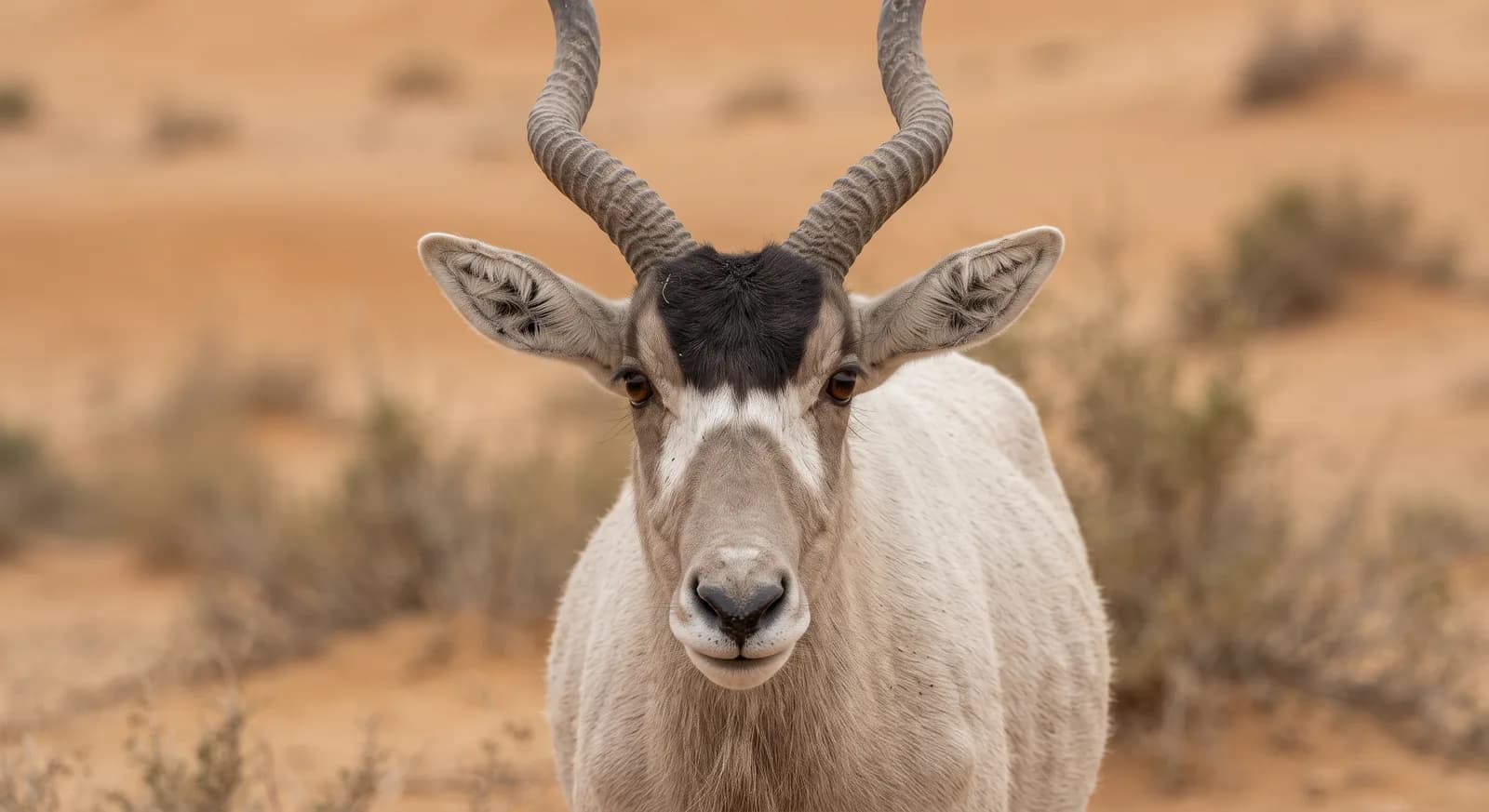 Critically Endangered
Addax
Addax nasomaculatus
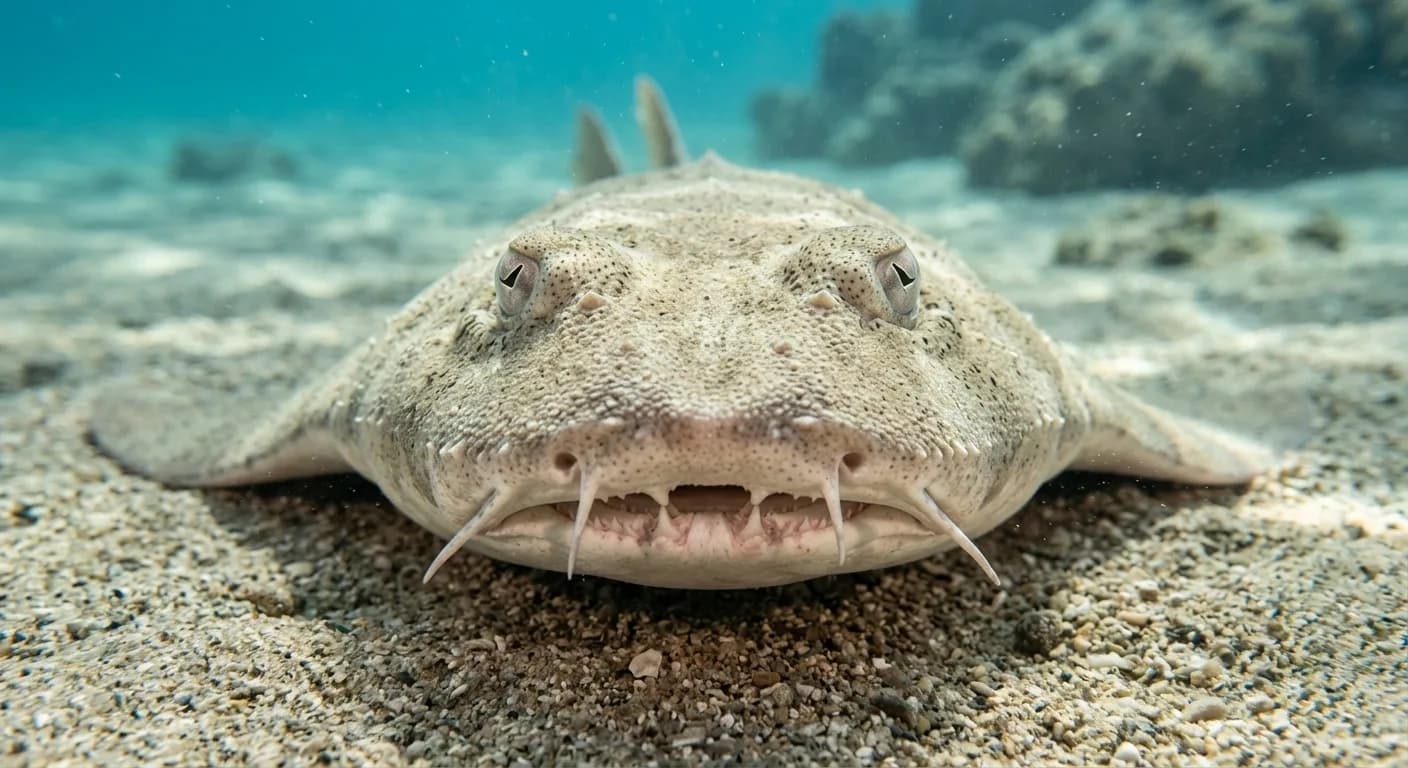 Critically Endangered
Angelshark
Squatina squatina
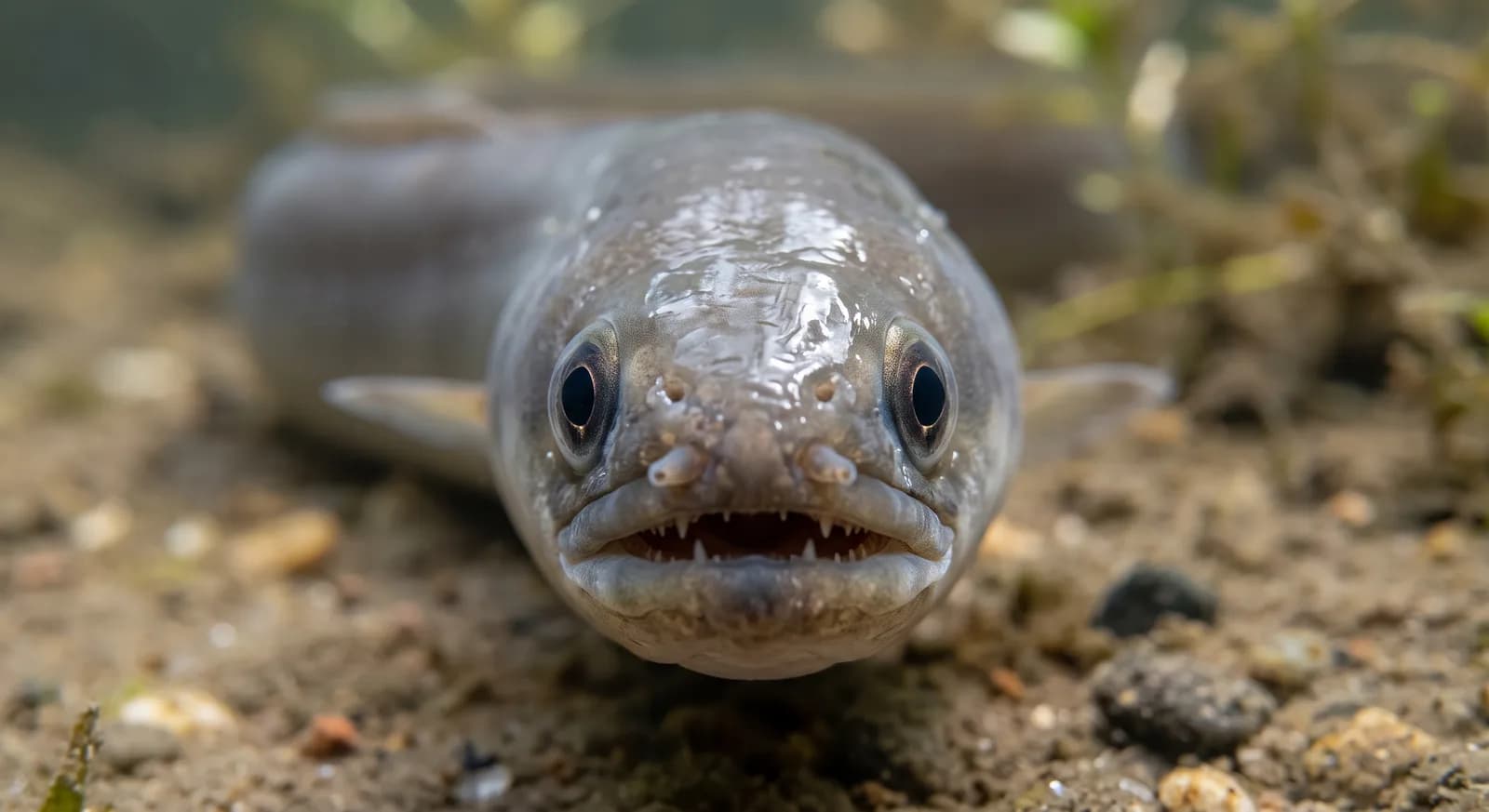 Critically Endangered
European Eel
Anguilla anguilla
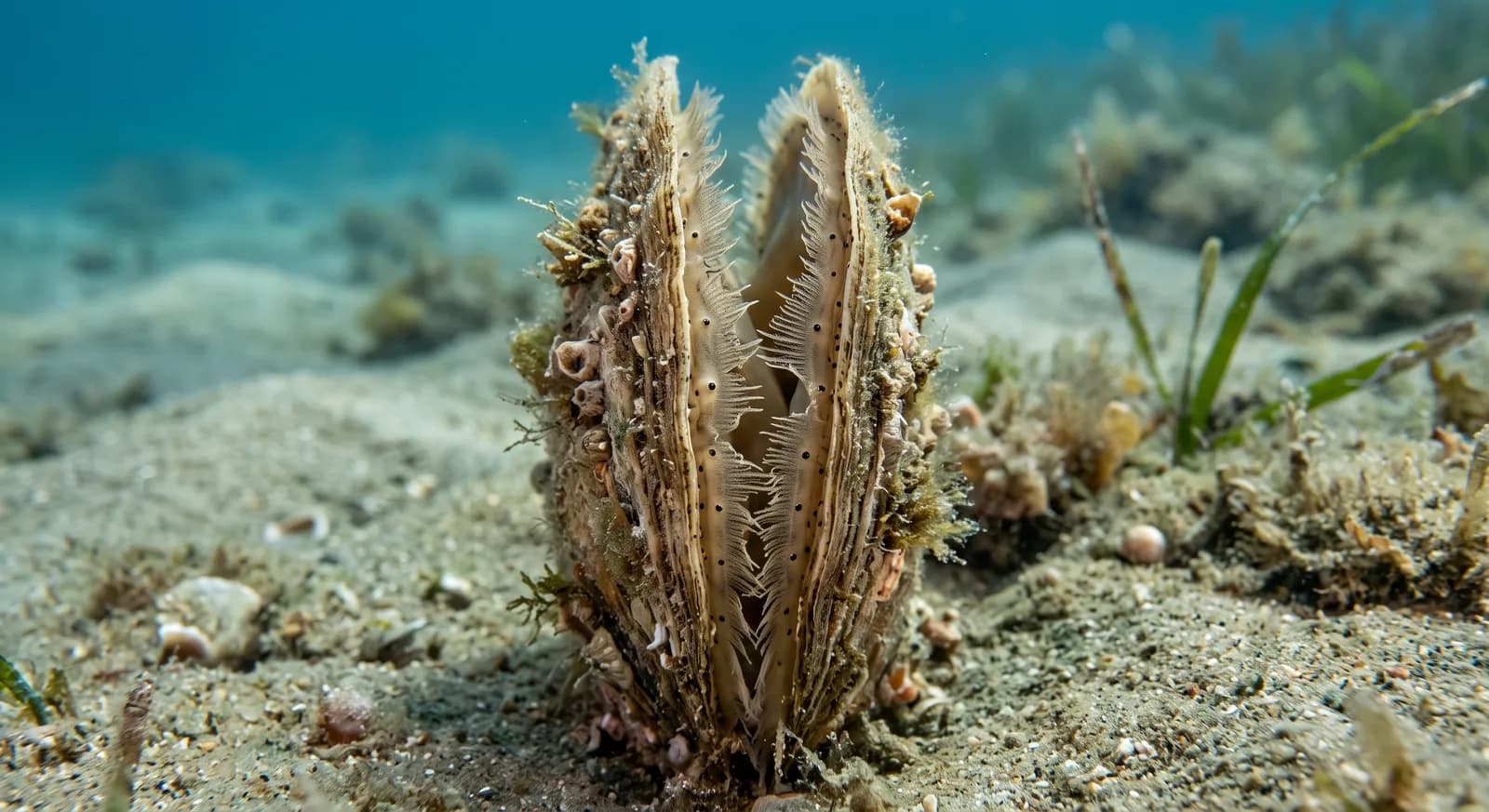 Critically Endangered
Fan Mussel
Pinna nobilis
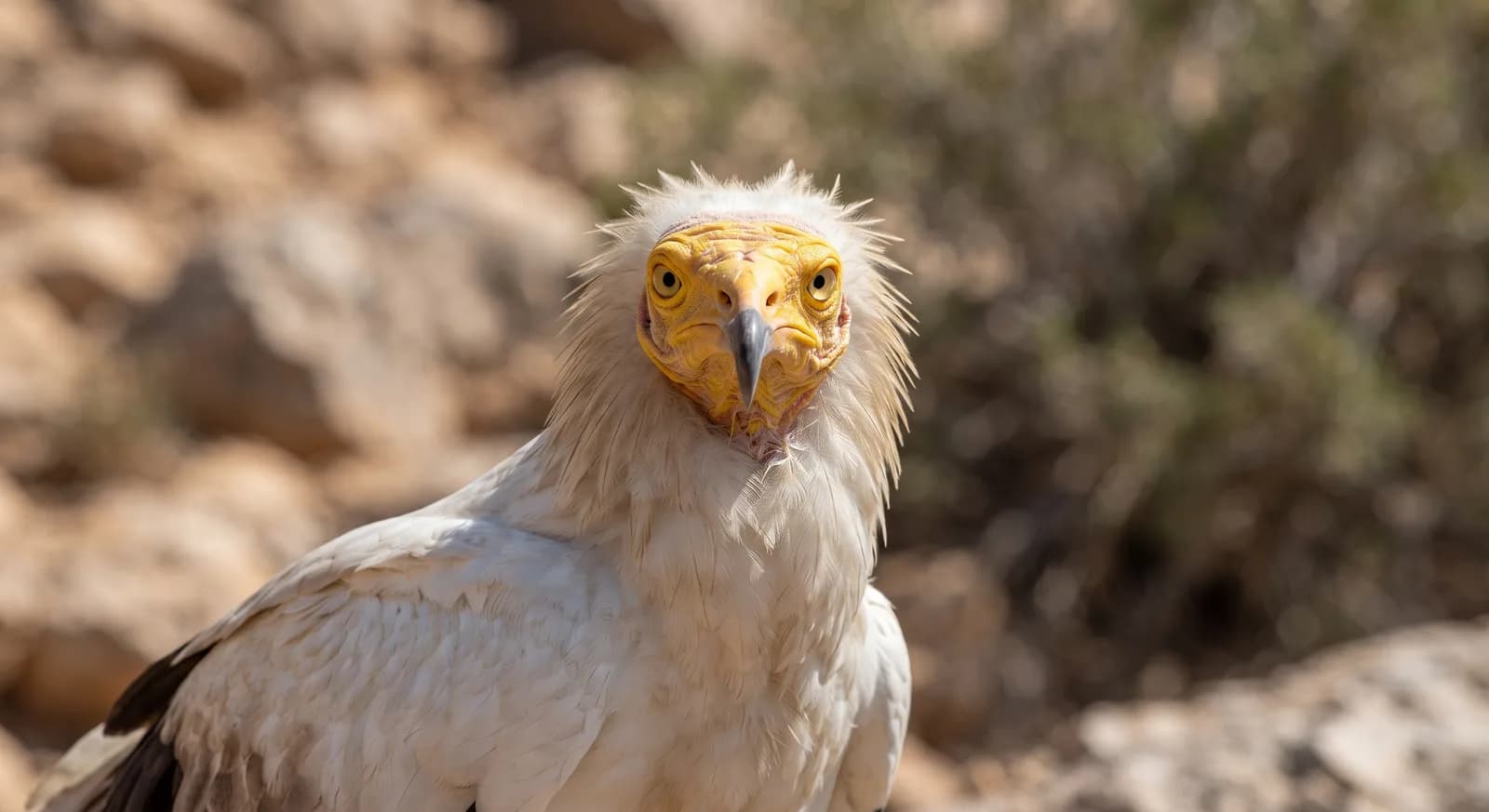 Endangered
Egyptian Vulture
Neophron percnopterus
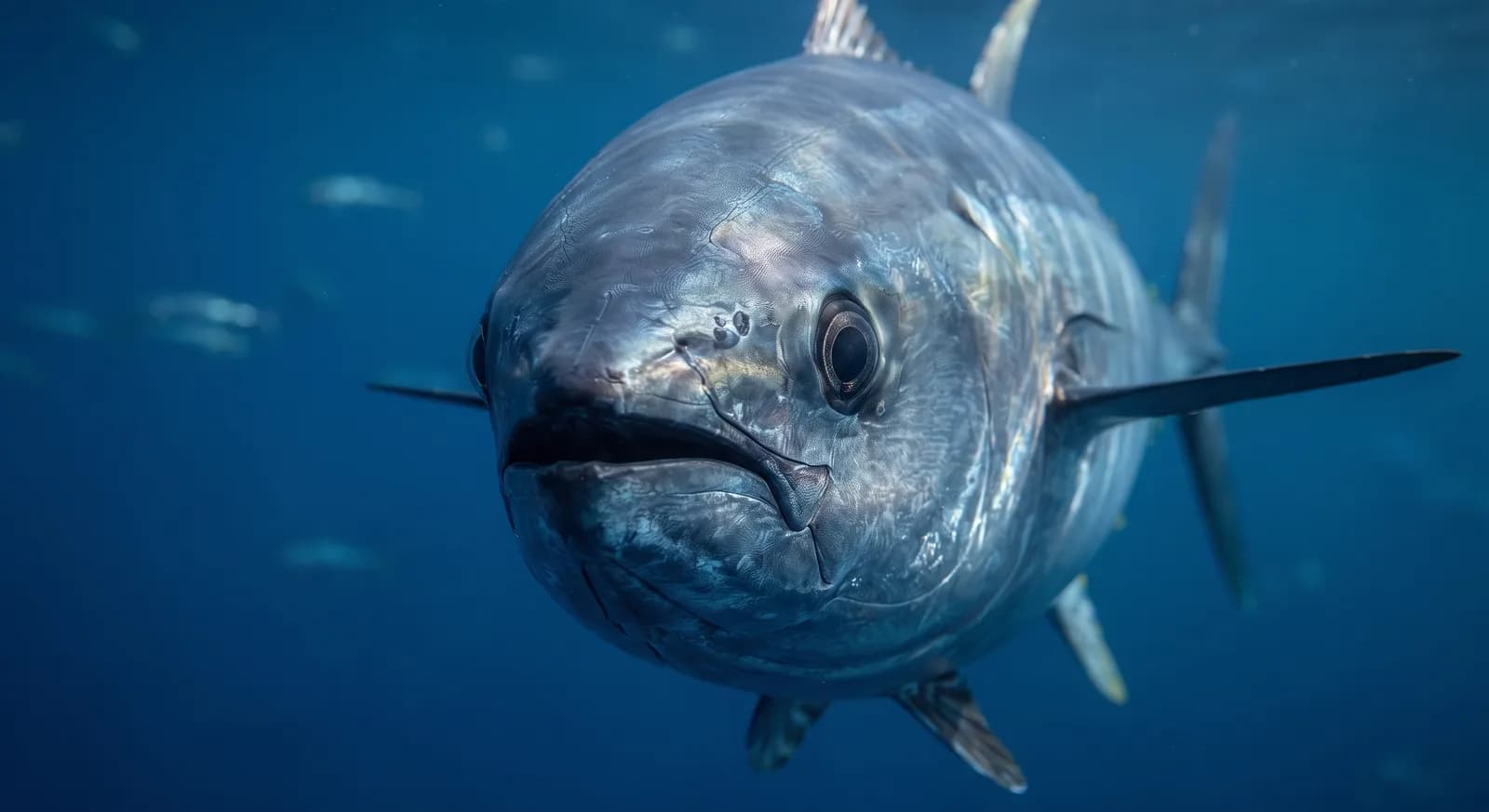 Endangered
Atlantic Bluefin Tuna
Thunnus thynnus
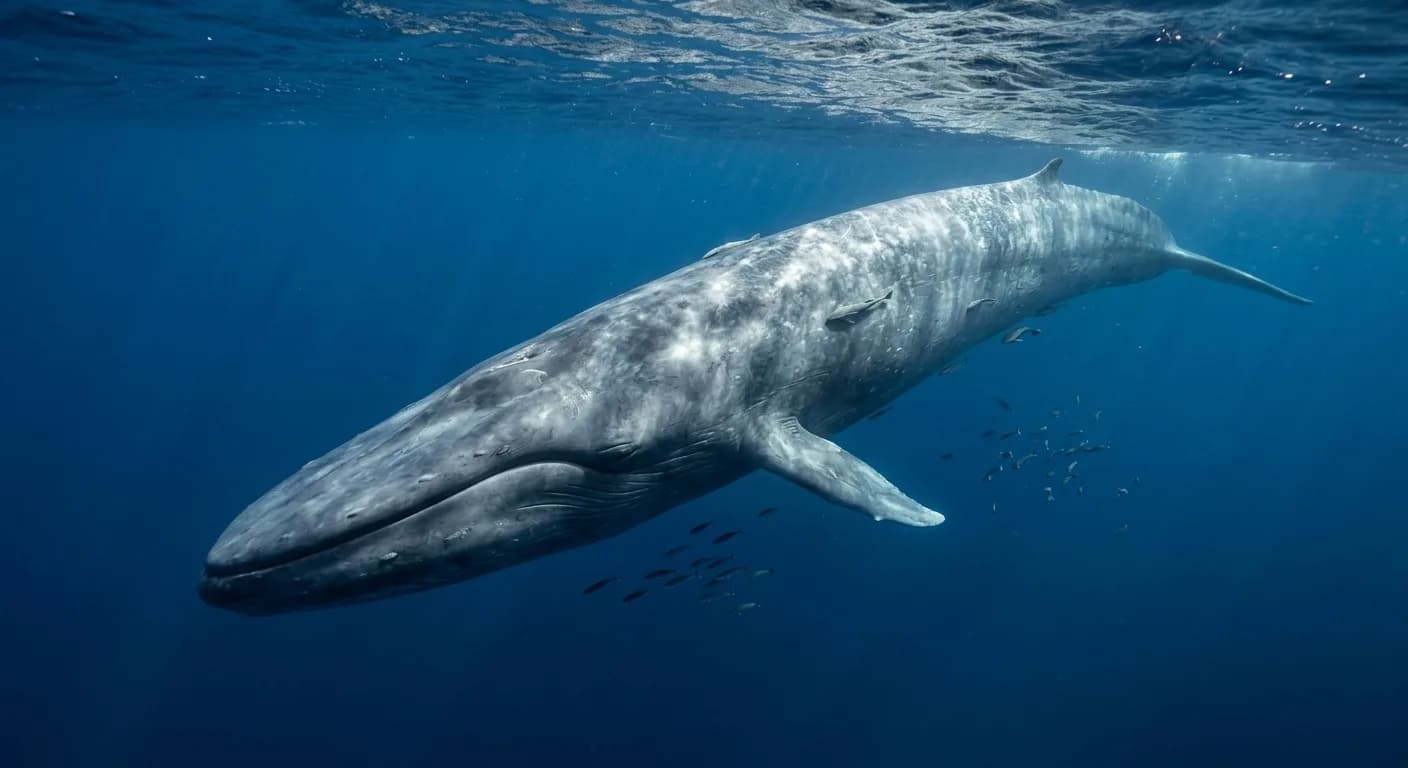 Endangered
Blue Whale
Balaenoptera musculus
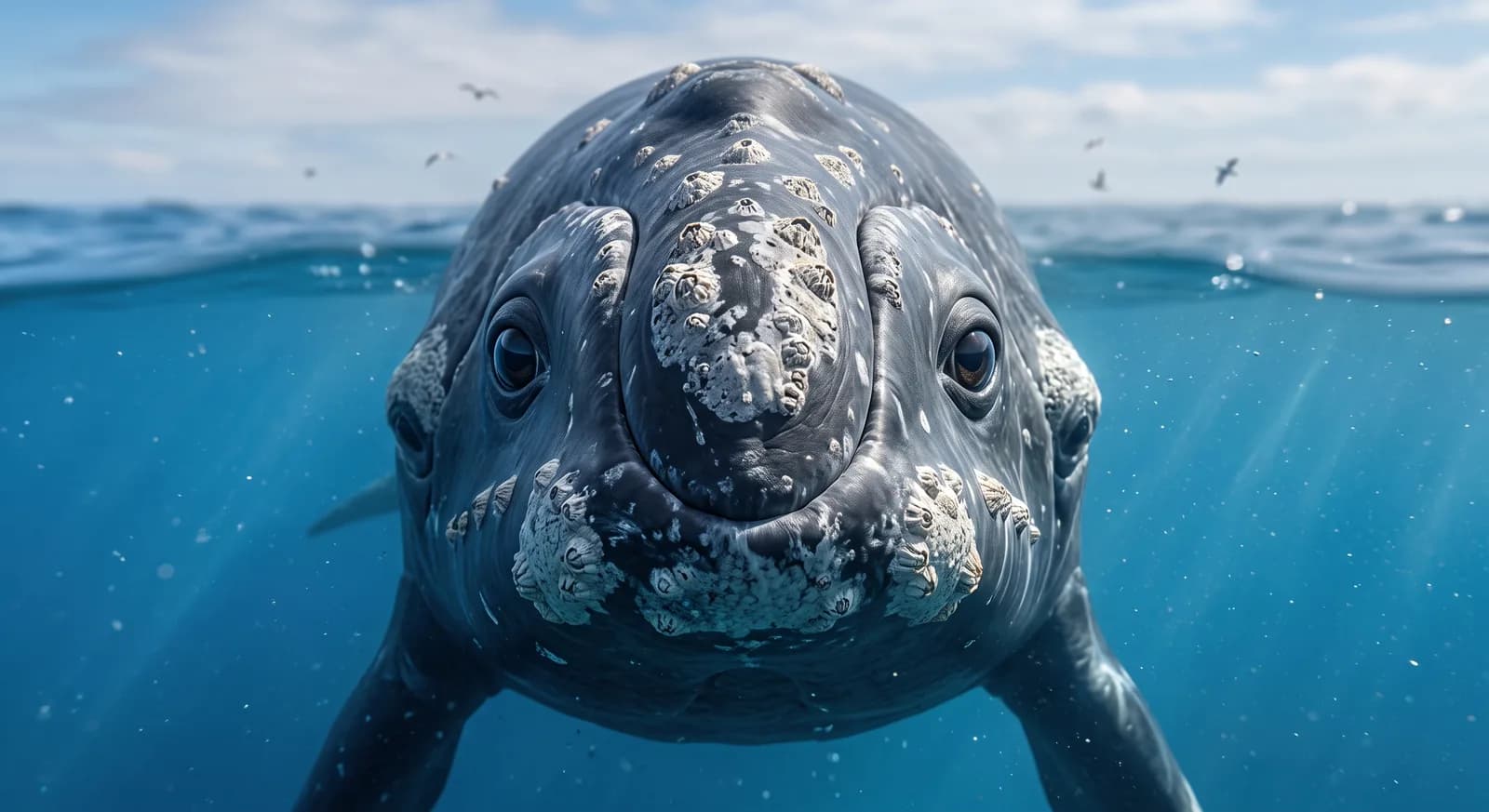 Endangered
North Atlantic Right Whale
Eubalaena glacialis
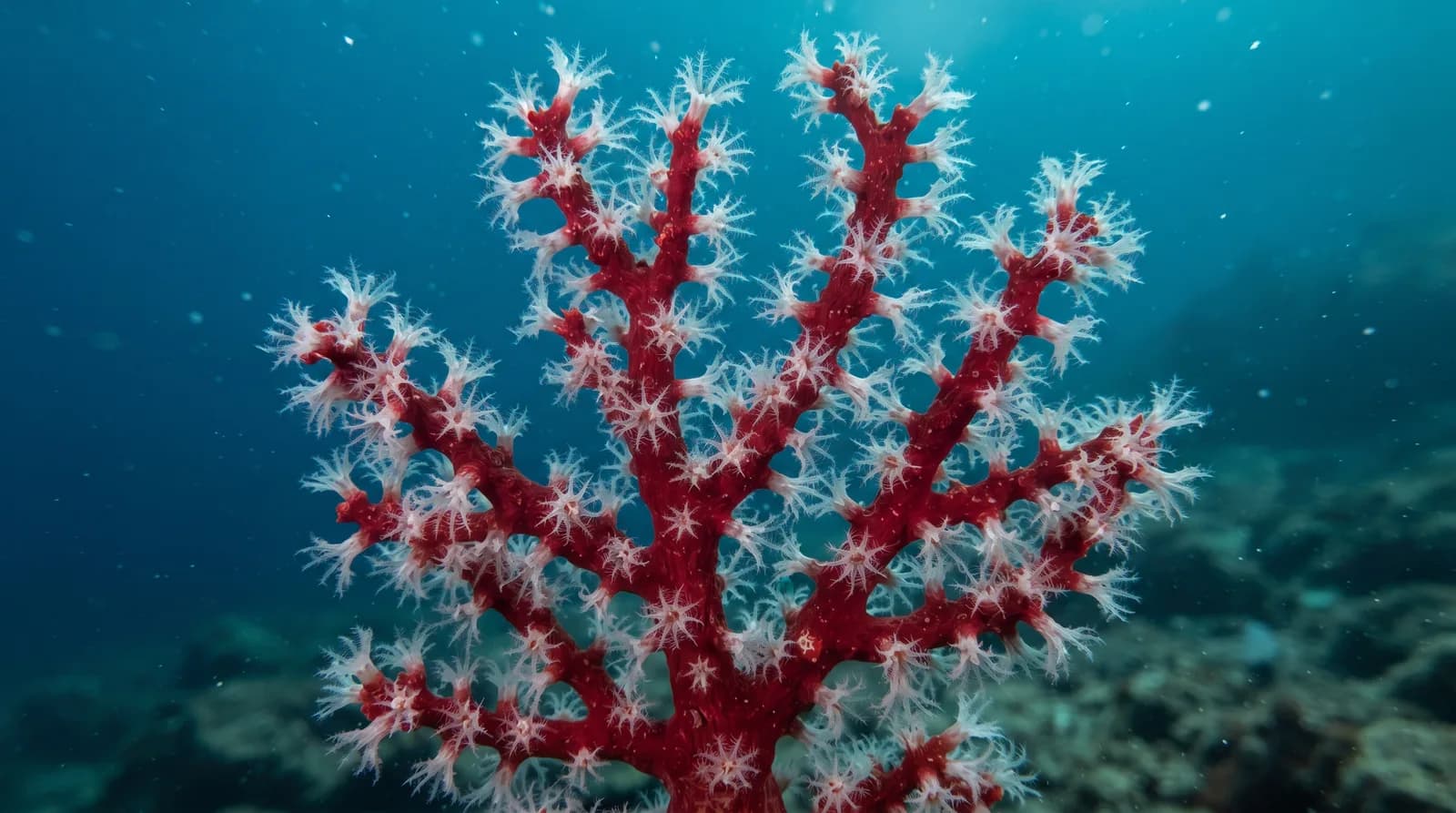 Endangered
Red Coral
Corallium rubrum
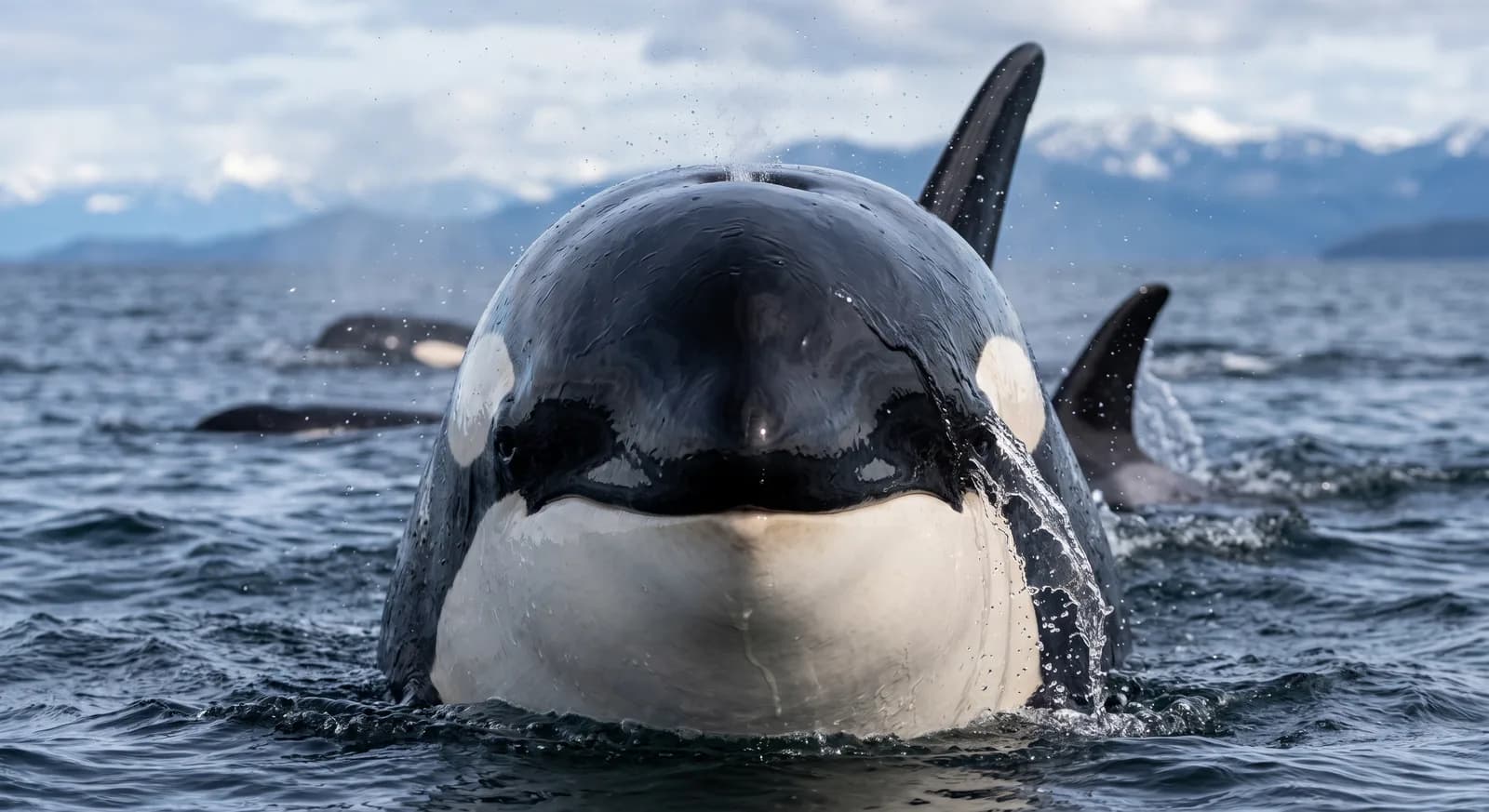 Endangered
Killer Whale
Orcinus orca
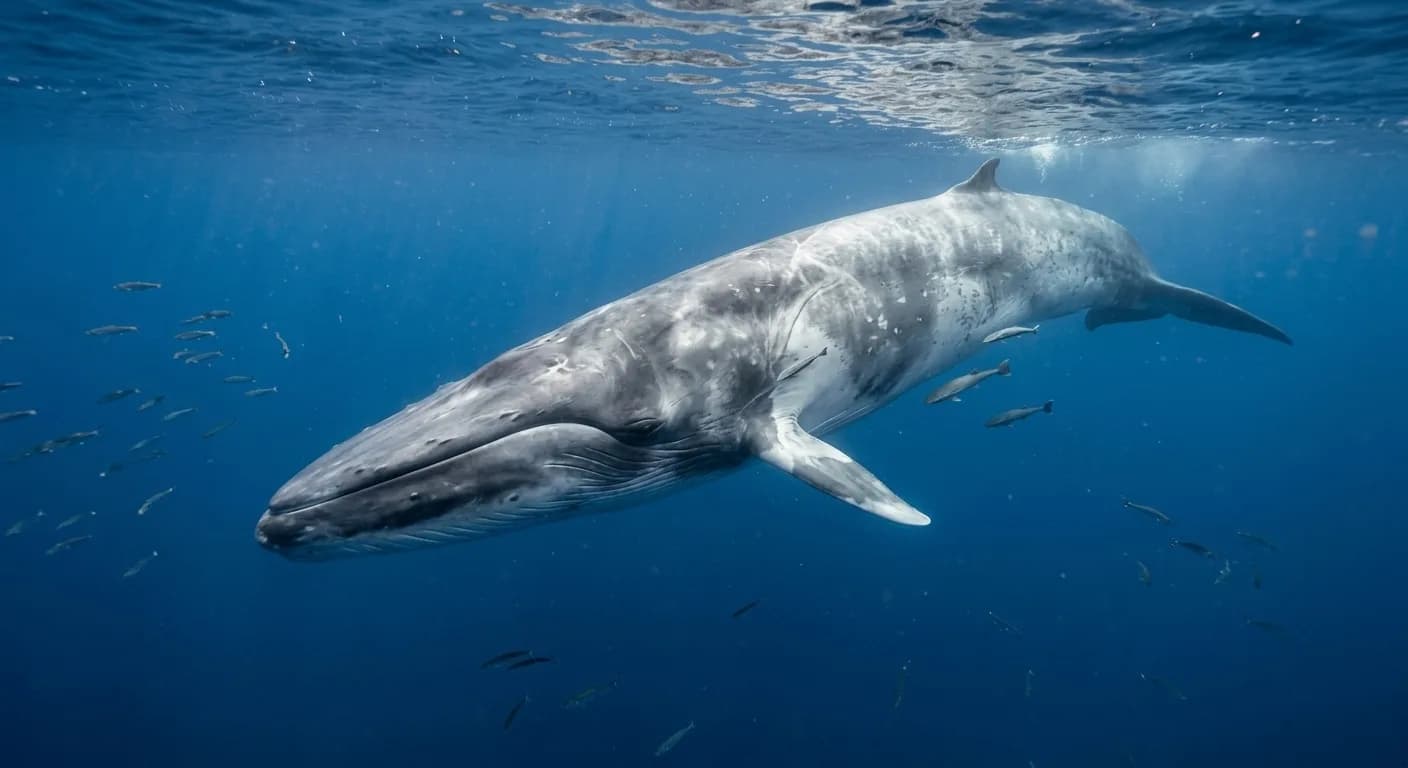 Endangered
Fin Whale
Balaenoptera physalus
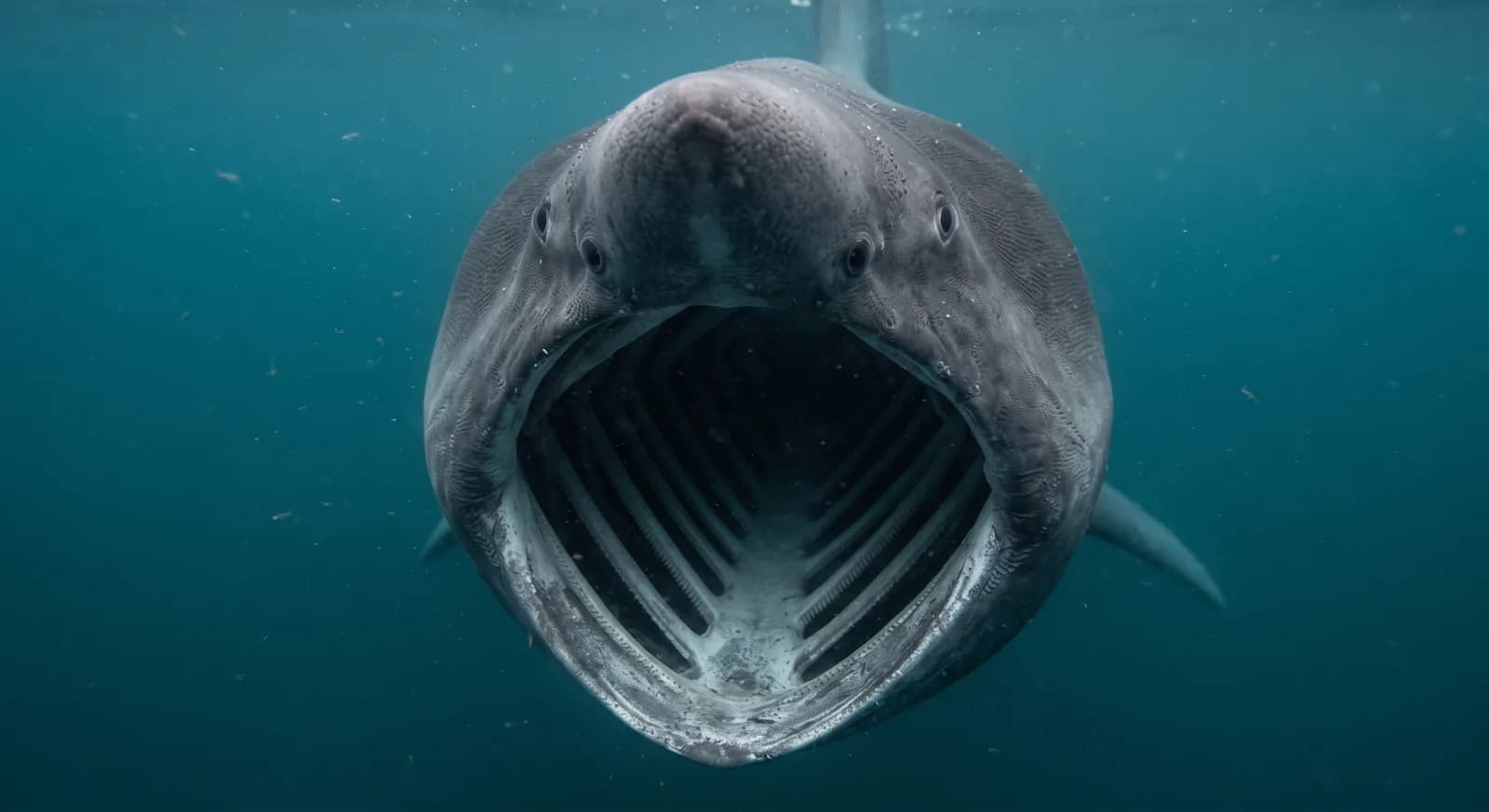 Endangered
Basking Shark
Cetorhinus maximus
Keep exploring
Based on what we already know about Morocco.