Cyprus
Europa
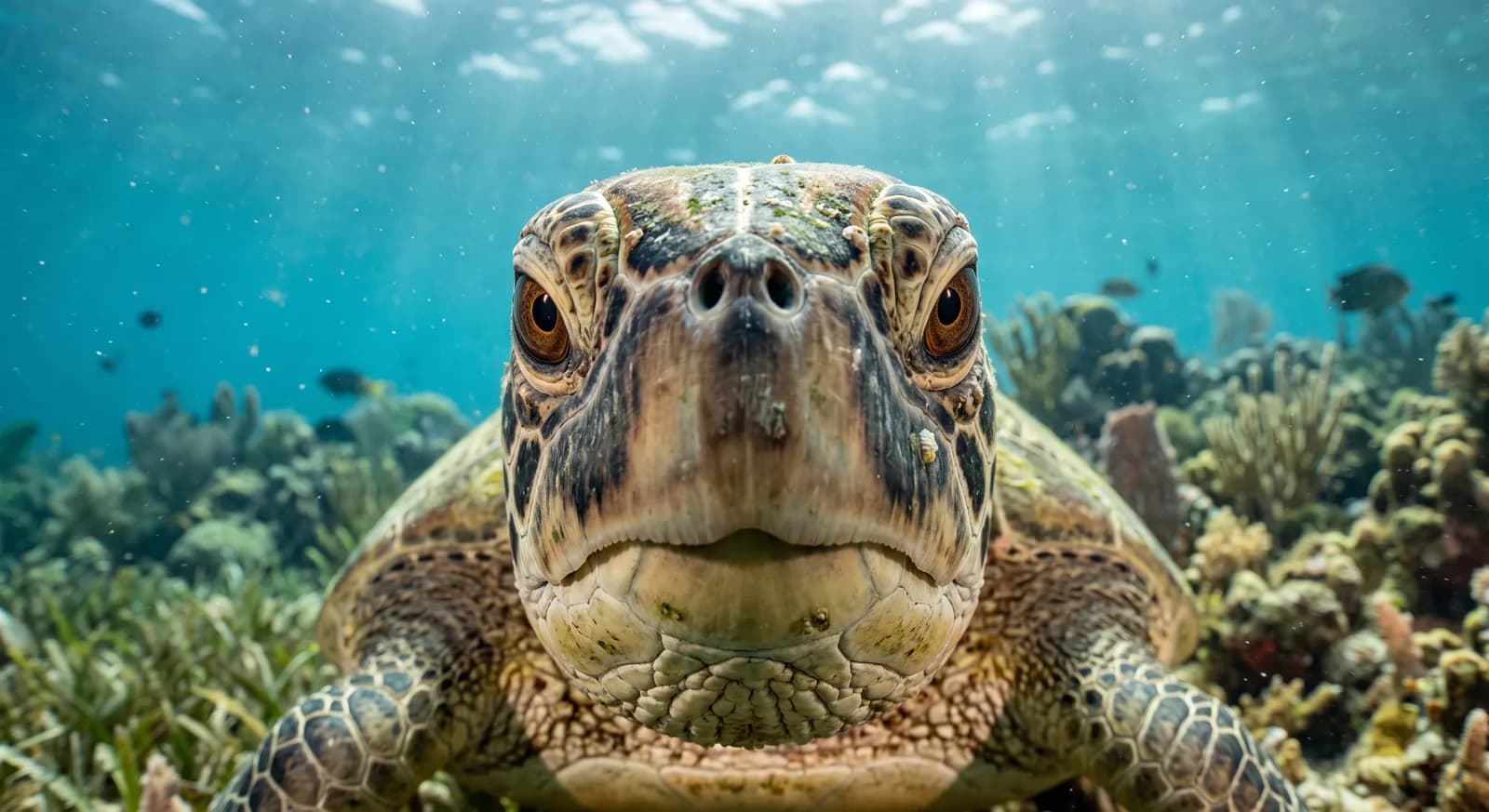
Cyprus has been isolated in the eastern Mediterranean for millions of years and was never joined to the mainland, which explains an impoverished land fauna but one with a high proportion of endemic species. The Troodos massif, formed of ocean-floor rocks lifted by tectonics, keeps forests of Cyprus cedar and black pine and is the refuge of the Cypriot mouflon. The Akamas peninsula and Lara bay are nesting grounds for green and loggerhead turtles, with beaches closed to traffic during the breeding season. The salt lakes of Larnaca and Akrotiri fill in winter and draw thousands of flamingos fleeing the cold of the Black Sea and Anatolia. The island is also a funnel for migration between Europe, Asia and Africa, with endemic birds of its own such as the Cyprus warbler and the Cyprus wheatear.
The nature of Cyprus
National animal: The Cypriot mouflon, an endemic species and national symbol
Did you know?
The Cypriot mouflon, a wild sheep exclusive to the island, was reduced in the 1930s to little more than fifteen animals cornered in the Paphos forest. The creation of a game reserve and the pursuit of poaching allowed the population to pass three thousand animals. Its recovery is so emblematic that its silhouette is struck on the Cypriot one, two and five euro cent coins.
Biodiversity profile
Climate
- •Mediterraneo (Csa), veranos calidos y secos, inviernos suaves y humedos, con clima mas fresco en las Montañas Troodos
Main biomes
- •Matorral y bosque mediterraneo costero
- •Bosque de pino y cedro de las Montañas Troodos (centro de la isla)
- •Humedales costeros estacionales
- •Bosque de cedro de Chipre
- •Pinar de montaña
- •Lago salado estacional
- •Matorral mediterráneo
- •Playa de puesta de tortugas
- •Roquedo de ofiolitas
- •Garganta seca
Marine and coastal ecosystems
- •Aguas costeras con playas de anidacion de tortuga boba y tortuga verde
- •Praderas marinas de posidonia
Flagship wildlife
- •Muflon de Chipre (endemico, oveja salvaje icono nacional)
- •Tortuga boba y tortuga verde (anidacion costera)
- •Especies de orquideas silvestres endemicas
- •Muflón chipriota
- •Flamenco común
- •Tortuga verde
- •Tortuga boba
- •Buitre leonado
- •Zorro rojo
- •Curruca de Chipre
- •Collalba chipriota
- •Halcón de Eleonora
- •Delfín mular
Notable endemic species
- •Muflon de Chipre, subespecie endemica de la isla, recuperada de un declive historico severo mediante proteccion legal
- •Numerosas especies de orquideas raras y endemicas en las Montañas Troodos
- •Muflón chipriota
- •Curruca de Chipre
- •Collalba chipriota
- •Autillo de Chipre
- •Ratón espinoso de Chipre
Notable threatened species
- •Muflon de Chipre (historicamente Casi Amenazado, en recuperacion gracias a decadas de proteccion)
- •Tortugas marinas (playas de anidacion bajo presion por desarrollo costero y turismo)
Notable protected areas
- •Montañas Troodos (centro de endemismo floristico y refugio del muflon de Chipre)
- •Playas de anidacion protegidas de tortugas marinas en la peninsula de Akamas
- •Parque Nacional Forestal del Troodos
- •Reserva Forestal de Pafos
- •Península de Akamas
- •Lago Salado de Larnaca
- •Humedal de Akrotiri
- •Valle del Cedro
Main conservation threats
- •Desarrollo turistico costero sobre playas de anidacion de tortugas
- •Presion urbanistica sobre habitats naturales de la isla
- •Fragmentacion politica de la isla, que complica la gestion ambiental unificada
Conservation
The Cypriot griffon vulture is on the brink of local extinction through poisoning and has been reinforced with birds brought from Spain. The illegal trapping of migratory birds with nets and limesticks remains a problem of Mediterranean scale.
Where and when to watch wildlife
The salt lakes of Larnaca and Akrotiri between November and March for flamingos. The Cedar Valley at dawn for the mouflon. The Lara beaches between June and August for turtle nesting.
Sources: BioDB.com - Cyprus
Parks and reserves
Diving and snorkelling
Paphos (pecios)
A UNESCO World Heritage city with several artificial wrecks deliberately sunk for recreational diving.
View dive siteWreck (deep hold section)Zenobia Wreck
A Swedish Challenger-class ro-ro ferry of 172 m, built in 1979 at Malmö. She sank on her maiden voyage bound for Syria: a software fault in the computerised ballast system pumped water endlessly into the port tanks and overrode the engineers' corrections. She lies on her port side with her shallowest point at around 16-18 m and the seabed at 42. The lorries are still chained down on the vehicle deck, and penetration is possible through the bridge, the cafeteria, the cabins and the upper deck.
View dive siteCave/WreckCape Greco
A marine national park with limestone caves and underwater tunnels at the eastern tip of Cyprus.
View dive sitePaíses similares
¿A dónde más podría interesarme viajar?
Misma región: Oriente Medio y Asia Occidental
Misma región: Oriente Medio y Asia Occidental
Misma región: Oriente Medio y Asia Occidental
Misma región: Oriente Medio y Asia Occidental
Especies documentadas en Cyprus
307 species found
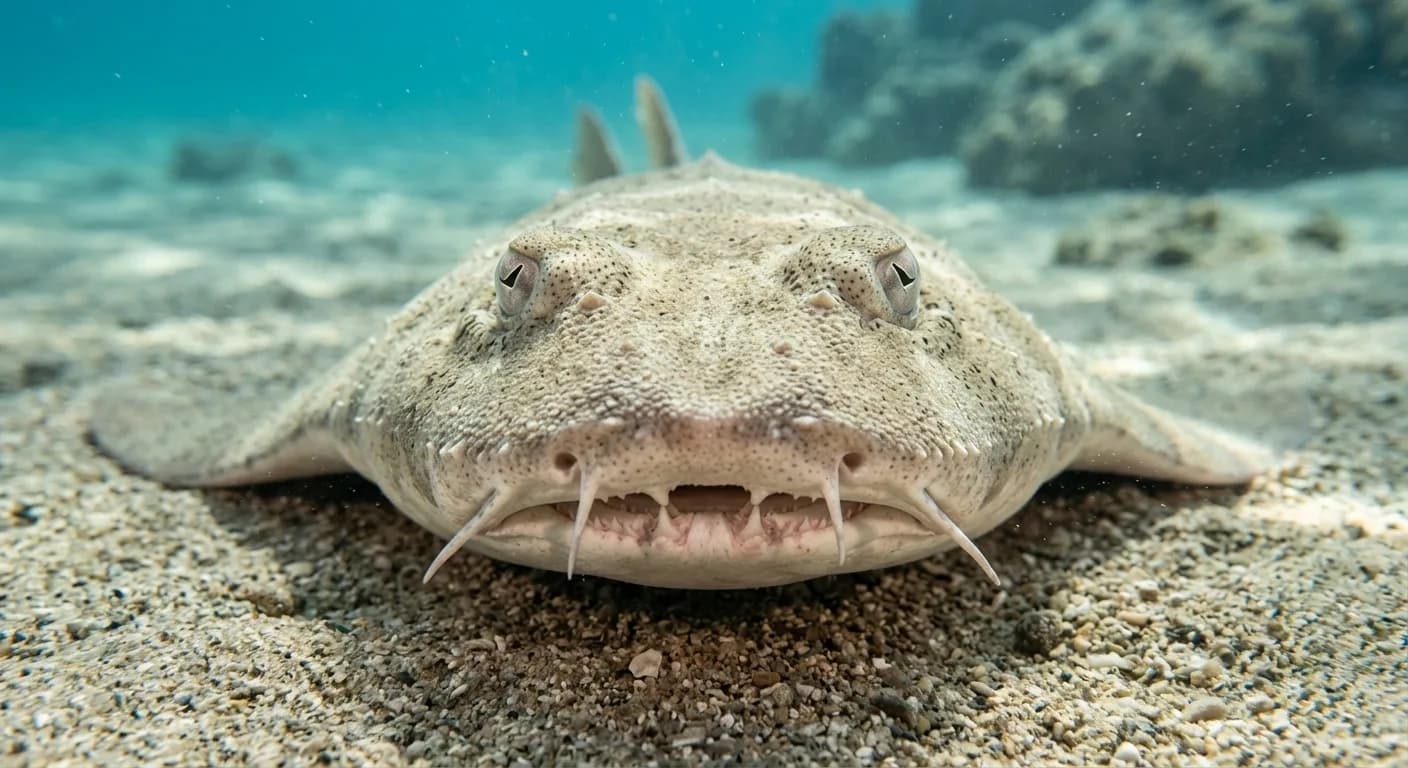 Critically Endangered
Angelshark
Squatina squatina
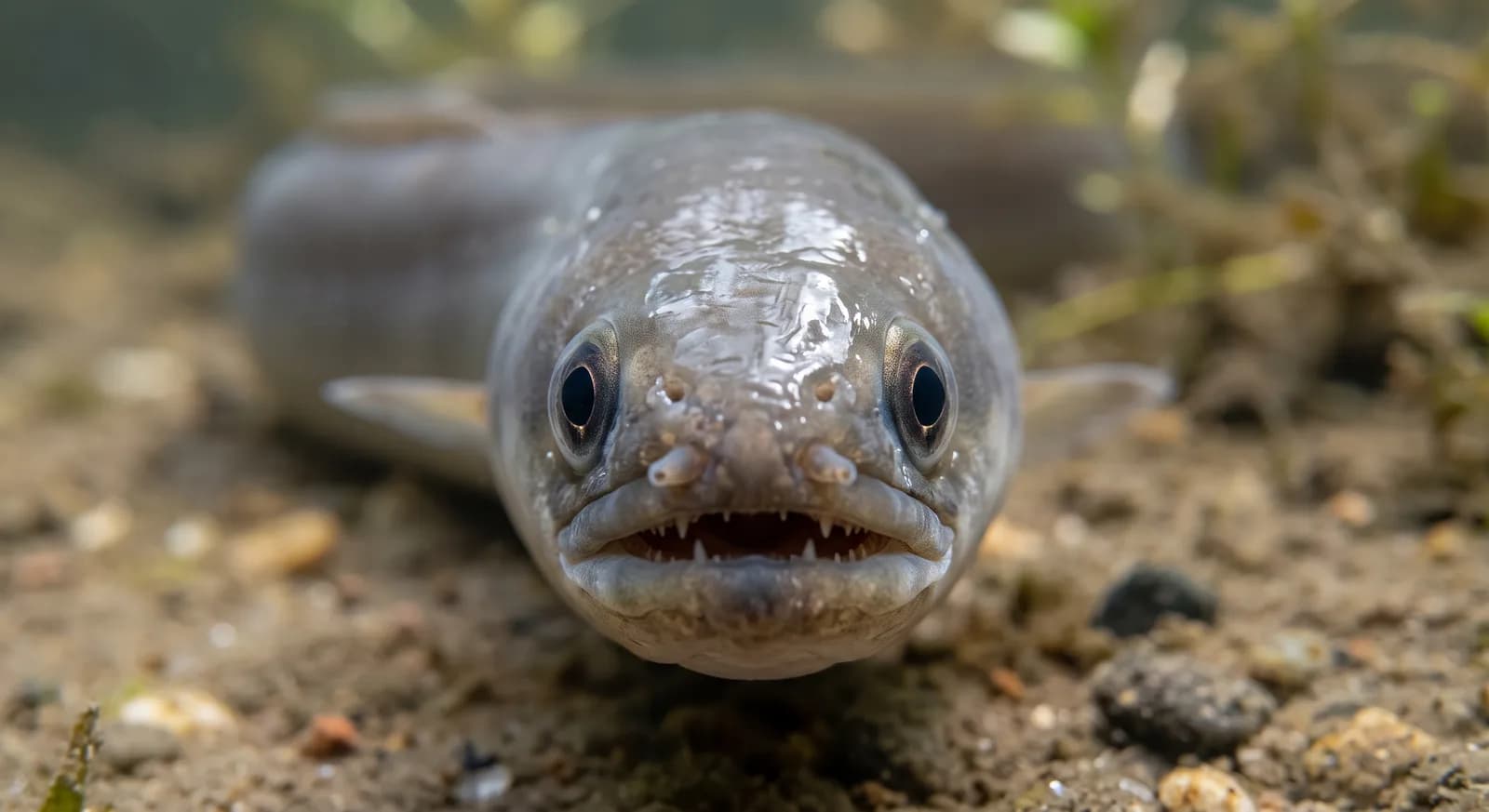 Critically Endangered
European Eel
Anguilla anguilla
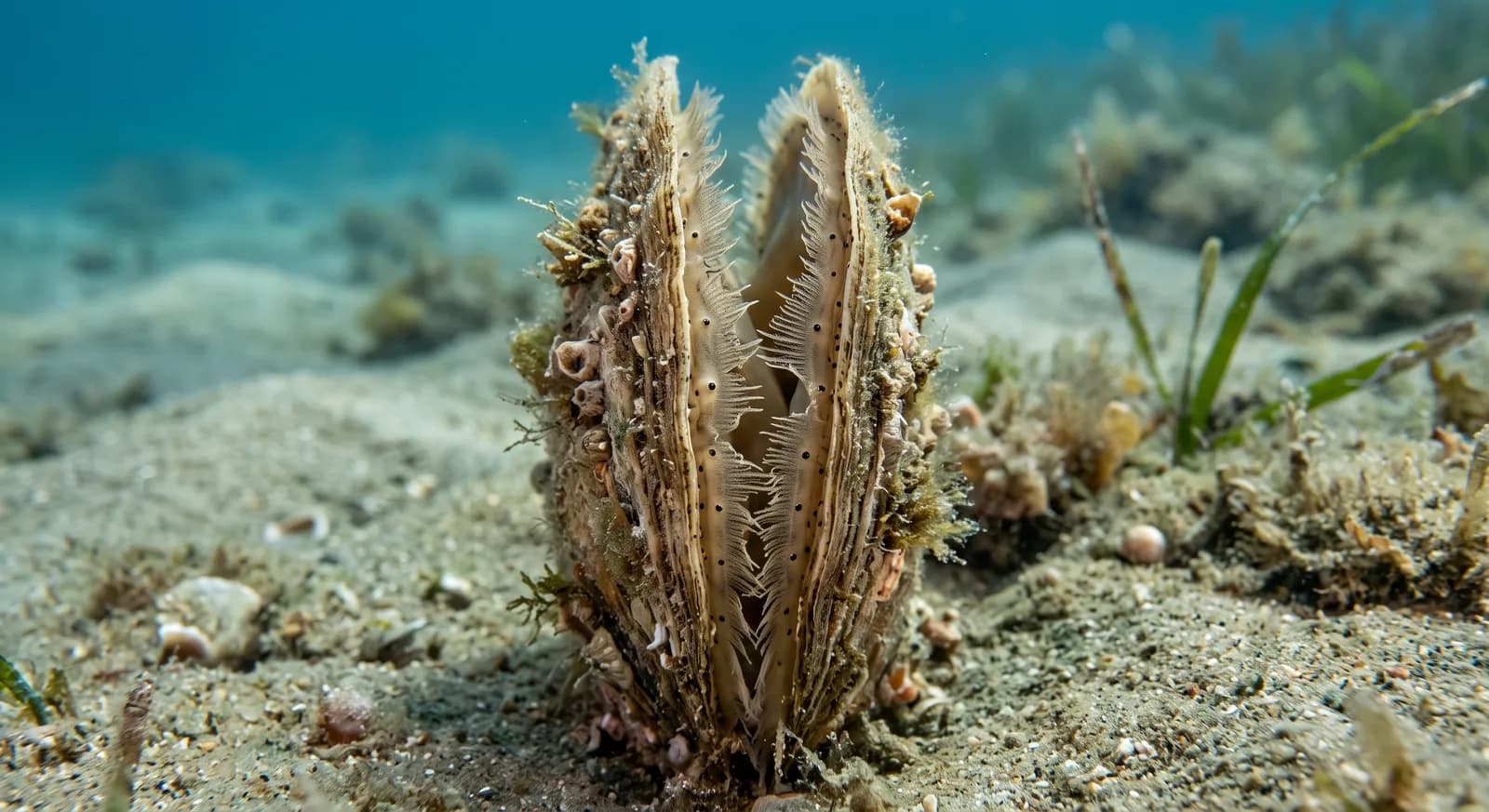 Critically Endangered
Fan Mussel
Pinna nobilis
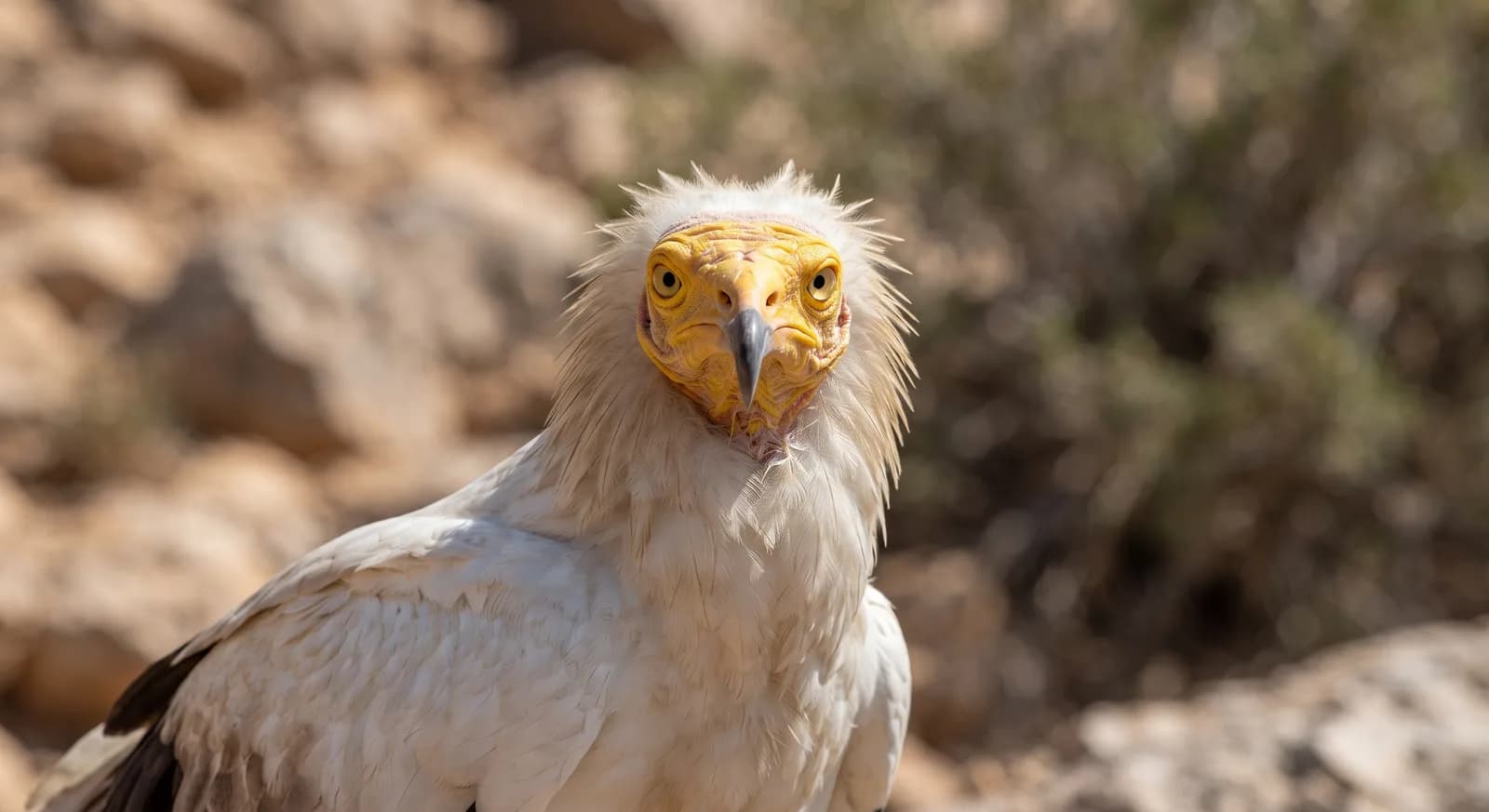 Endangered
Egyptian Vulture
Neophron percnopterus
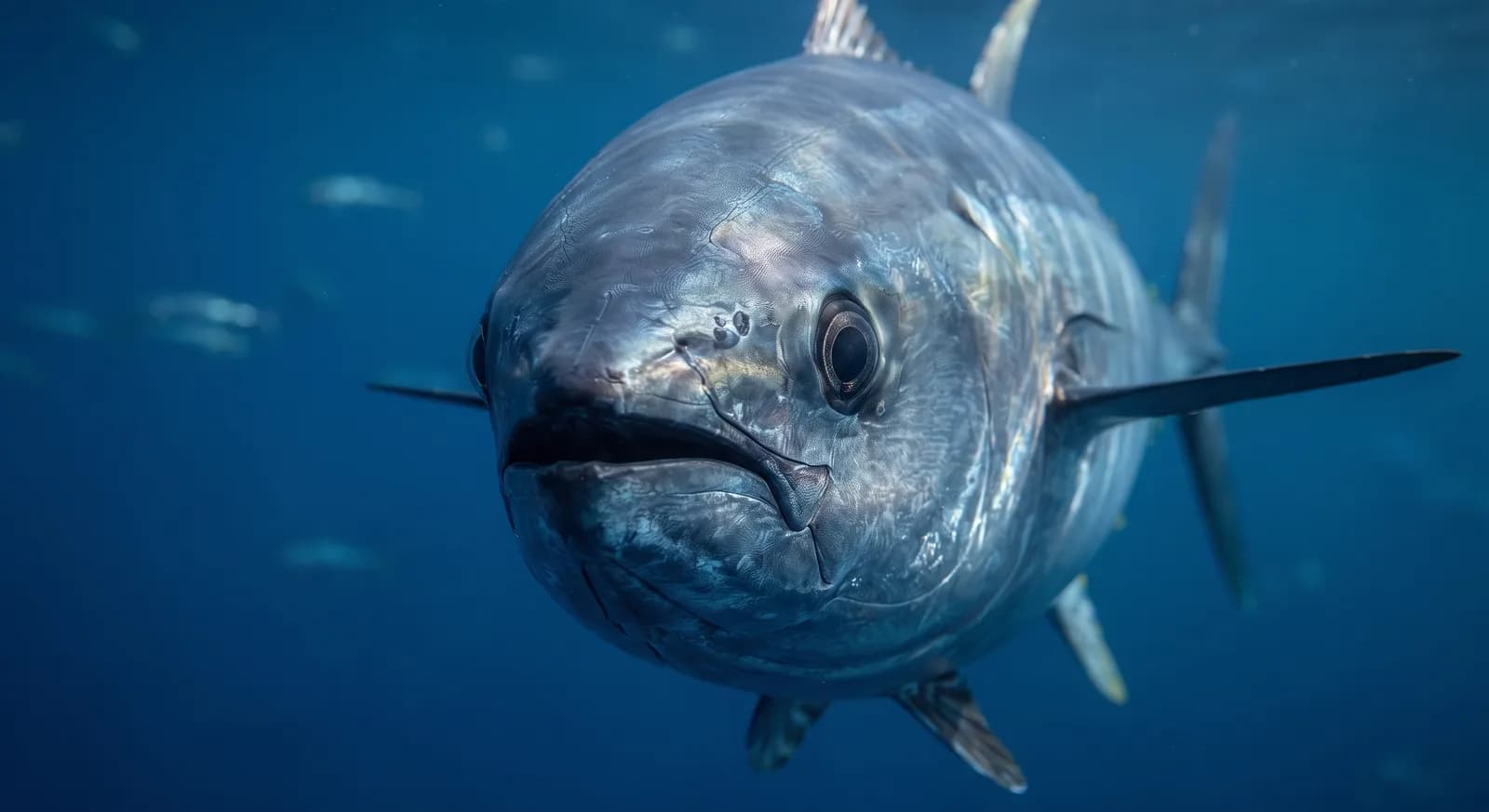 Endangered
Atlantic Bluefin Tuna
Thunnus thynnus
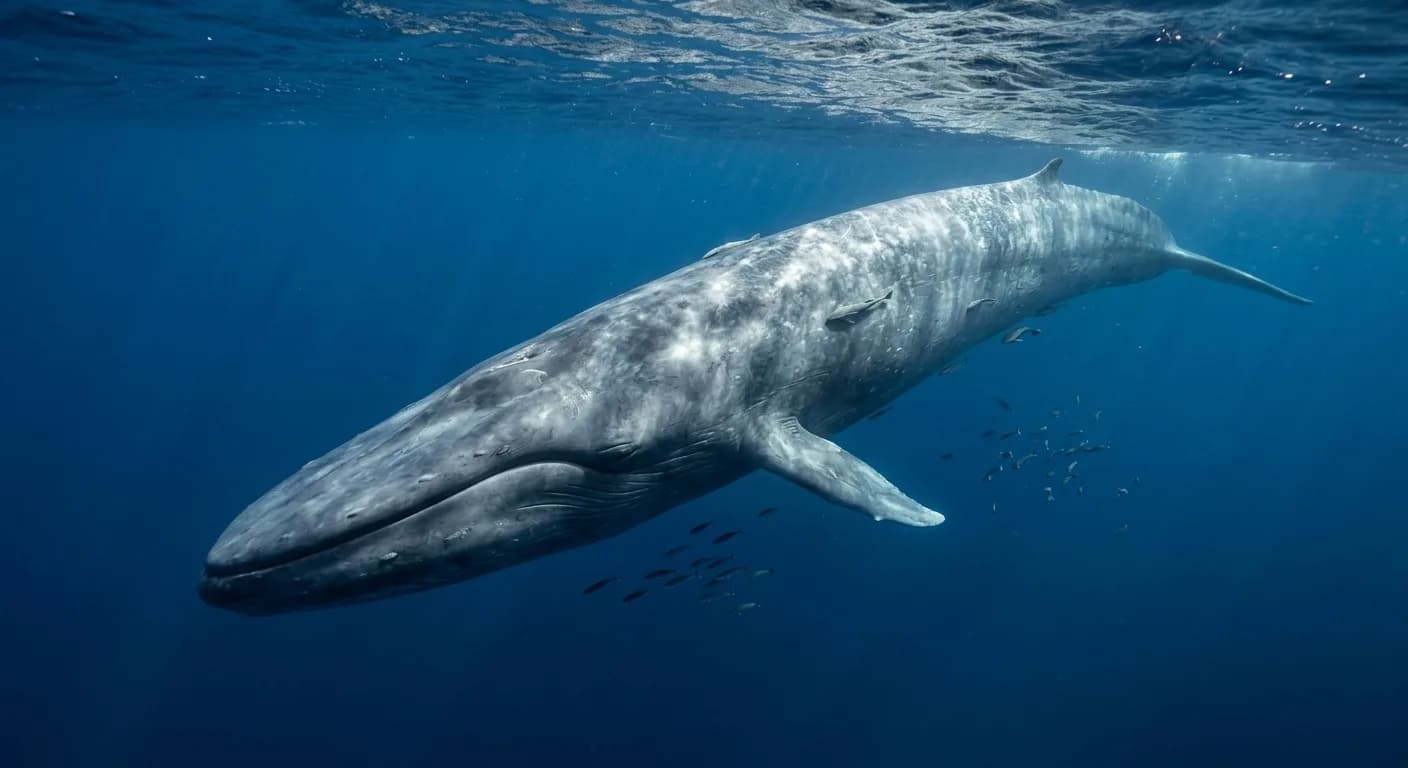 Endangered
Blue Whale
Balaenoptera musculus
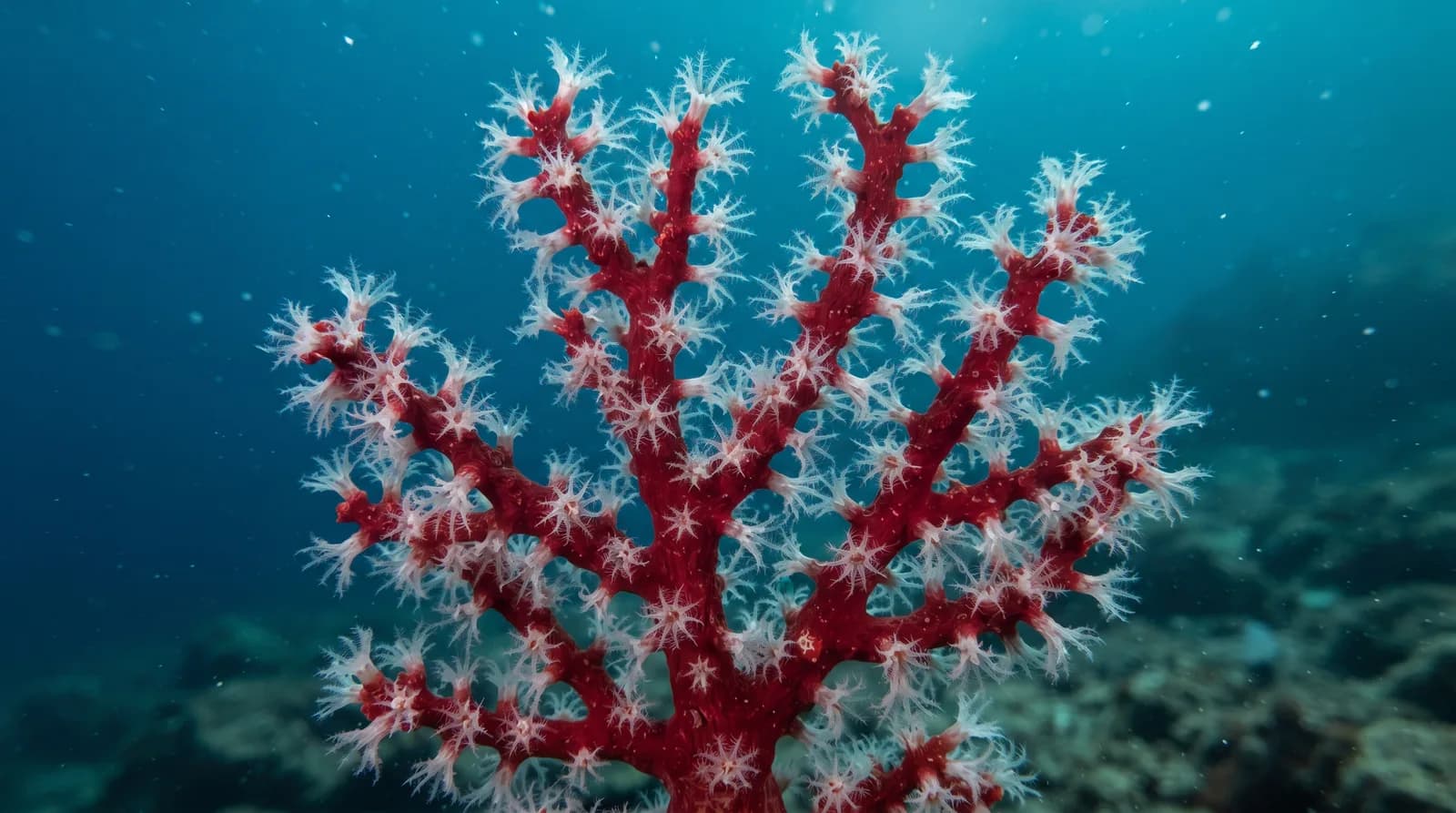 Endangered
Red Coral
Corallium rubrum
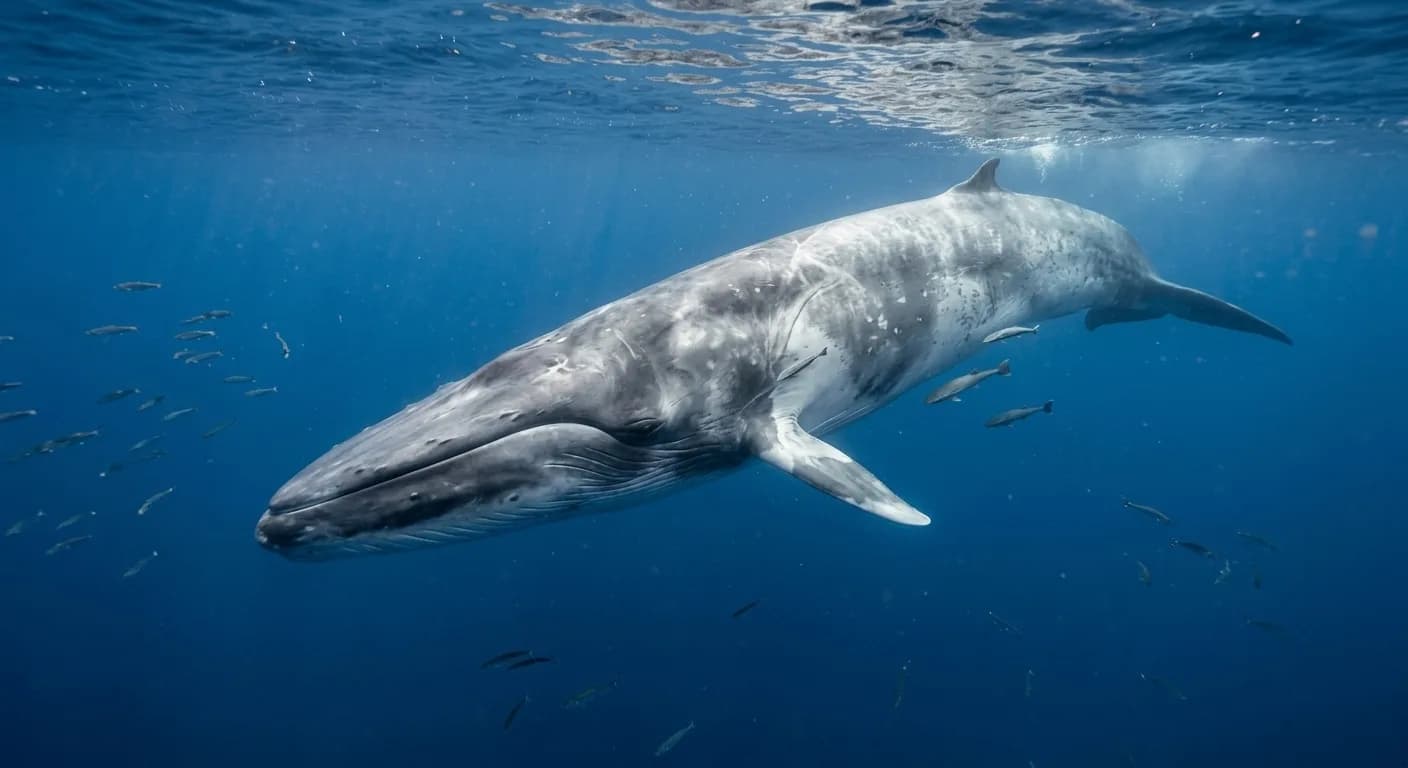 Endangered
Fin Whale
Balaenoptera physalus
 Endangered
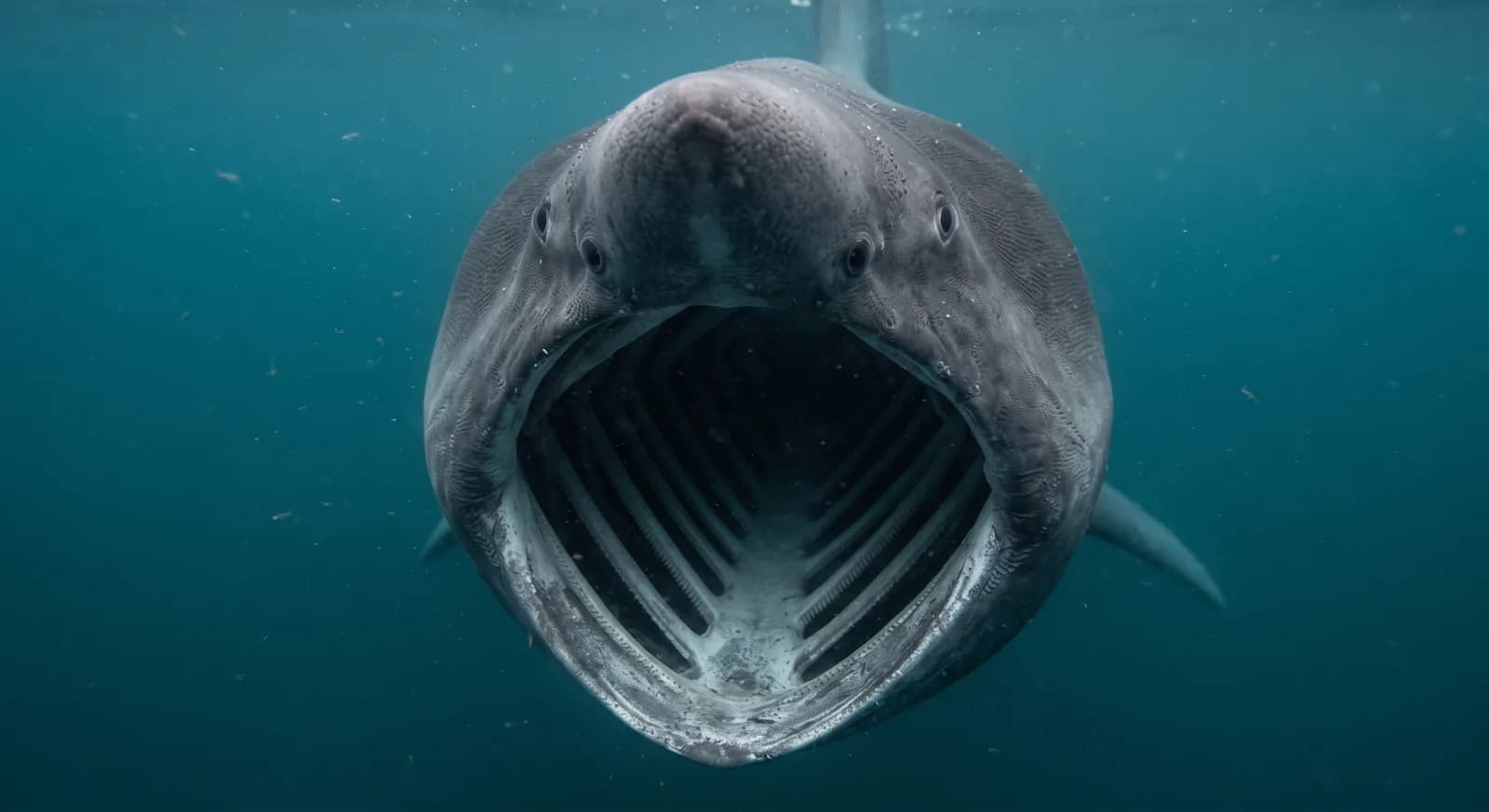
Basking Shark
Cetorhinus maximus
 Endangered
Green Turtle
Chelonia mydas
 Vulnerable
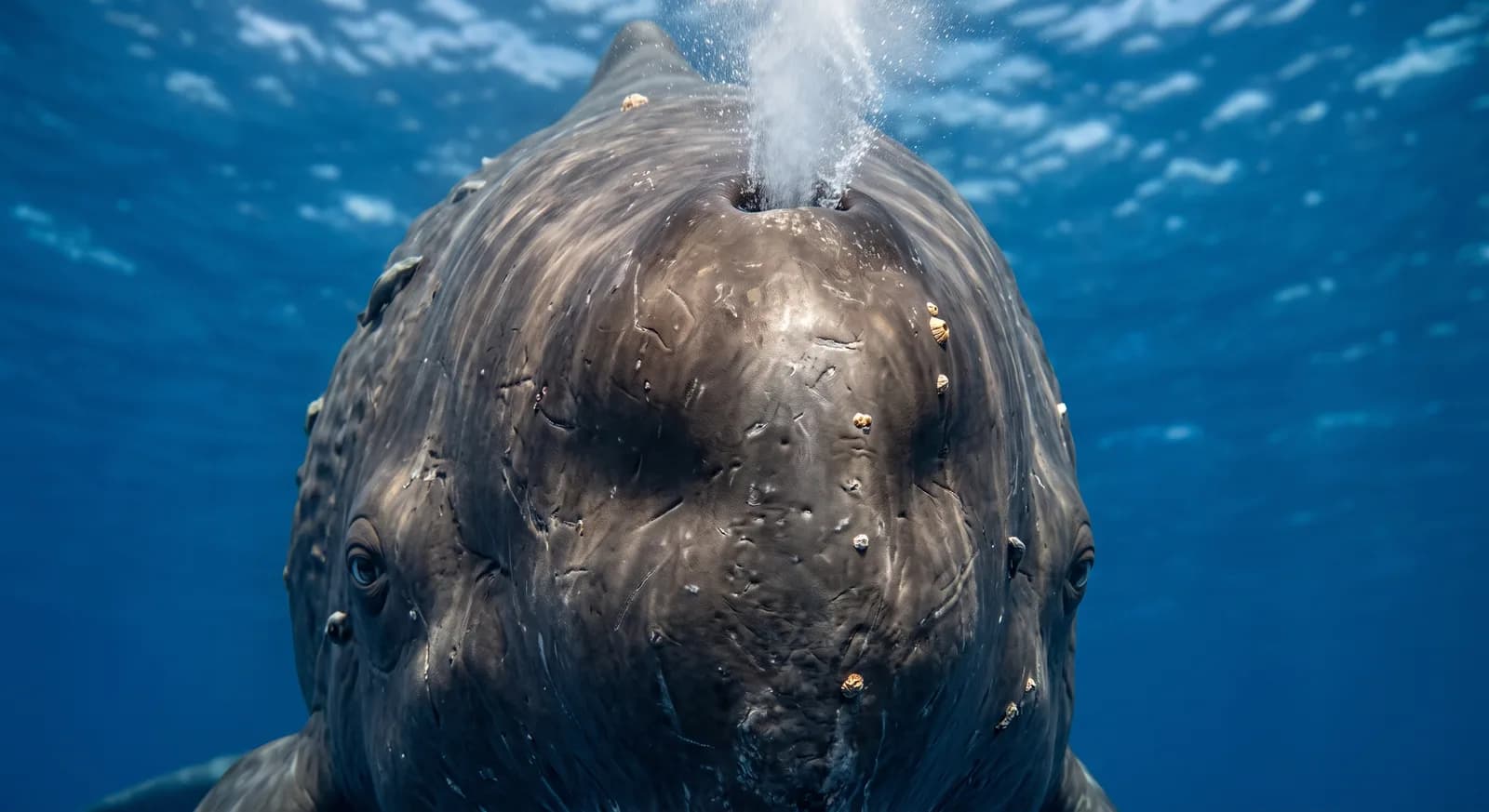
Sperm Whale
Physeter macrocephalus
 Vulnerable
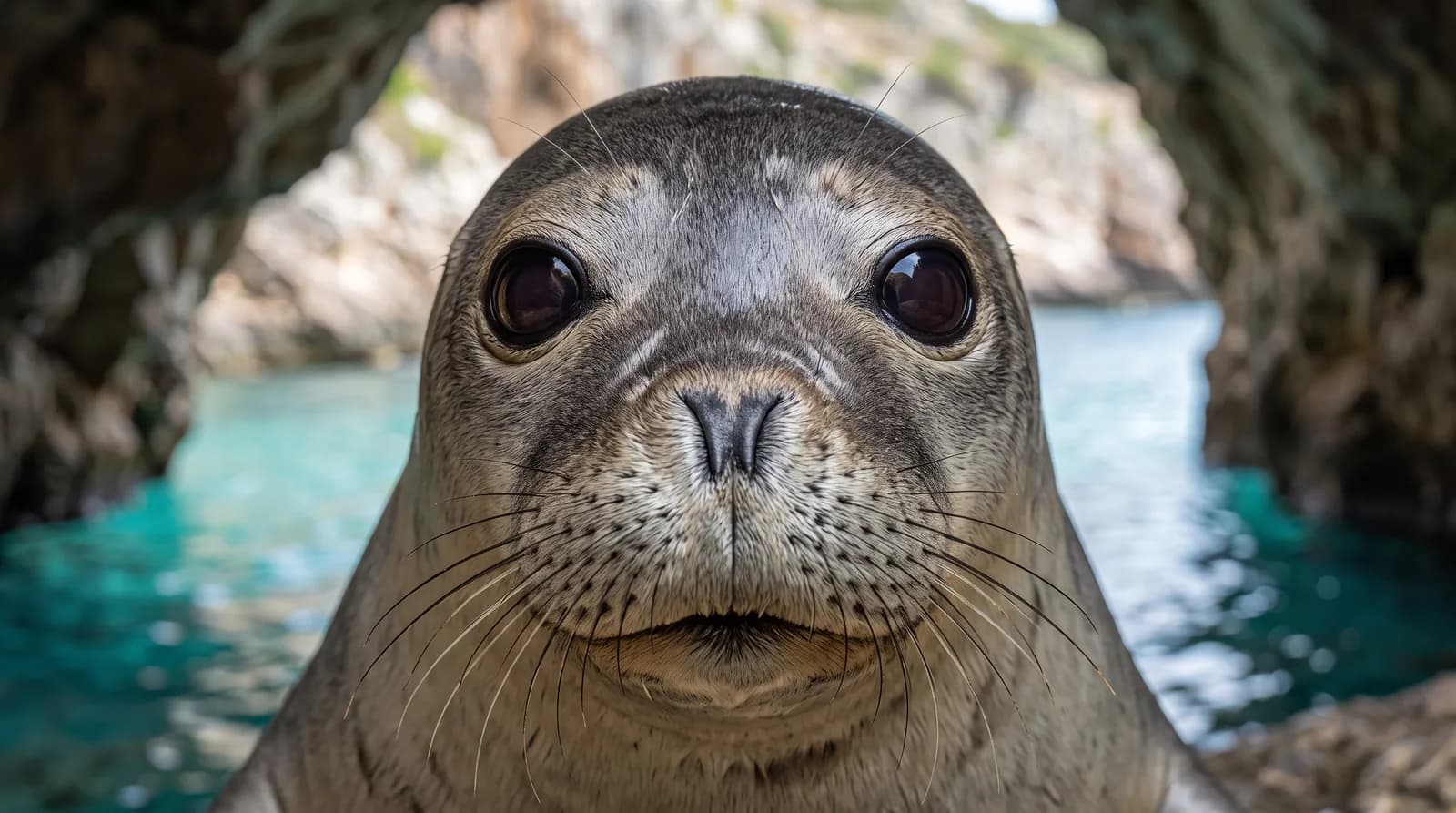
Mediterranean Monk Seal
Monachus monachus
Keep exploring
Based on what we already know about Cyprus.