Saudi Arabia
Asia
Saudi Arabia occupies most of the Arabian peninsula and contains the Rub al-Khali, the largest continuous sand desert in the world, a sea of dunes of more than half a million square kilometres and virtually uninhabited. To the west, the Asir escarpment rises above the Red Sea and captures enough moisture to sustain juniper and acacia woodland, farming terraces and a fauna of African affinity with hamadryas baboons, striped hyenas and birds from the Horn of Africa. The interior alternates hamadas, basalt lava fields and wadis that carry water only after storms. The Red Sea coast is one of the most extensive reef areas on the planet, with corals, dugongs, sharks and turtles, and the Farasan Islands protect seagrass meadows and gazelles of their own.
The nature of Saudi Arabia
National animal: The dromedary is the traditional emblematic animal; the Arabian leopard has been adopted as a national conservation symbol
Did you know?
The Arabian leopard is the smallest leopard subspecies and one of the most endangered in the world: fewer than two hundred animals are thought to remain in the wild across the whole Arabian peninsula. Saudi Arabia has launched a captive breeding programme at AlUla with the aim of returning it to the mountains where it died out, and the country holds an international day devoted to the species.
Biodiversity profile
Climate
- •Desertico calido (BWh), predominante en el 80% de la peninsula que ocupa el pais
- •Clima de montaña mas templado en el suroeste (Asir)
Main biomes
- •Desierto (bioma dominante, incluye Rub al Khali o "Cuarto Vacio")
- •Matorral y bosque de montaña en la region de Asir (suroeste), parte del hotspot Afromontano Oriental
- •Desierto arenoso del Rub al-Jali
- •Escarpa montañosa de Asir
- •Bosque de enebro de altitud
- •Campo de lava basáltica
- •Arrecife de coral del mar Rojo
- •Manglar costero
- •Wadi estacional
Marine and coastal ecosystems
- •Arrecifes de coral del Mar Rojo
- •Manglares costeros
Flagship wildlife
- •Orix de Arabia (recuperado de la extincion en estado silvestre)
- •Leopardo de Arabia (En Peligro Critico)
- •Gacela de arena
- •Aguila real
- •Leopardo árabe
- •Babuino hamadríade
- •Gacela árabe
- •Íbice de Nubia
- •Dugongo
- •Tortuga carey
- •Avutarda hubara
- •Lobo árabe
- •Tiburón ballena
Notable endemic species
- •2.250 especies de plantas con flor, 246 endemicas de la region
- •Euryops jaberiana, planta afromontana endemica exclusiva de las montañas del noroeste de Saudi
- •Aves endemicas concentradas en las tierras altas de Asir, compartidas parcialmente con Yemen
- •Gacela de las Farasán
- •Alcaudón árabe
- •Bisbita de Arabia
Notable threatened species
- •Leopardo de Arabia (En Peligro Critico, poblacion silvestre extremadamente reducida)
- •Orix de Arabia (Vulnerable, exito de conservacion tras reintroduccion desde poblacion cautiva)
Notable protected areas
- •Parque Nacional de Asir (450.000 ha, mayor parque del pais)
- •Parque Nacional Sa'ad
- •Reserva de Mahazat as-Sayd
- •Islas Farasán
- •Reserva de Uruq Bani Ma'arid
- •Reserva Real de AlUla
- •Costa del mar Rojo
Main conservation threats
- •Sobrepastoreo y degradacion de bosques de enebro de montaña
- •Caza furtiva historica del orix y el leopardo arabigo
- •Escasez extrema de agua en la mayor parte del territorio
Notable natural phenomena
- •Las montañas de Asir, en el suroeste, forman parte del corredor de endemismo afromontano que se extiende hasta Yemen y el Cuerno de Africa
Conservation
Uruq Bani Ma'arid, on the edge of the Rub al-Khali, hosted the reintroduction of the Arabian oryx and of gazelles into their original habitat and has been a World Heritage Site since 2023. Hunting and the loss of vegetation to grazing are the historic pressures.
Where and when to watch wildlife
Asir between March and May for baboons and birds of African affinity. Farasan in winter for gazelles and seabirds. The Red Sea year-round for reefs and dugongs.
Sources: Med-O-Med - Saudi Arabia | MDPI Plants - Biogeography and Conservation Arabian Peninsula | IUCN - Conservation Status Reptiles Arabian Peninsula
Diving and snorkelling
Farasan Islands
The largest archipelago in the Red Sea, with all but pristine reefs, having only recently opened to tourism.
View dive siteReef/LagoonUmluj (Maldivas de Arabia Saudita)
An archipelago of white sand islands recently opened to tourism, known locally as the Maldives of Saudi Arabia.
View dive sitePaíses similares
¿A dónde más podría interesarme viajar?
Misma región: Oriente Medio y Asia Occidental
Misma región: Oriente Medio y Asia Occidental
Misma región: Oriente Medio y Asia Occidental
Misma región: Oriente Medio y Asia Occidental
Especies documentadas en Saudi Arabia
208 species found
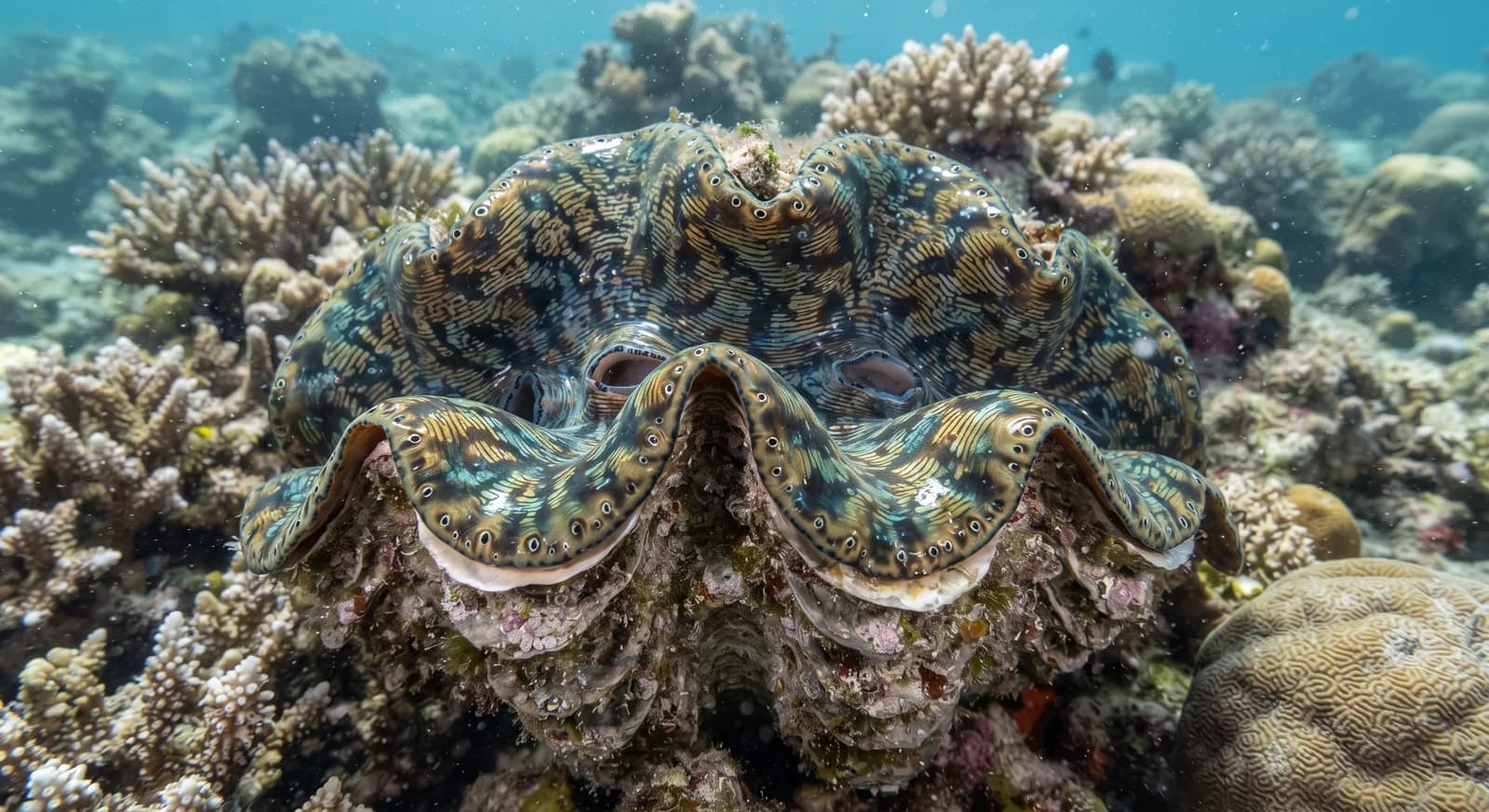 Critically Endangered
Giant Clam
Tridacna gigas
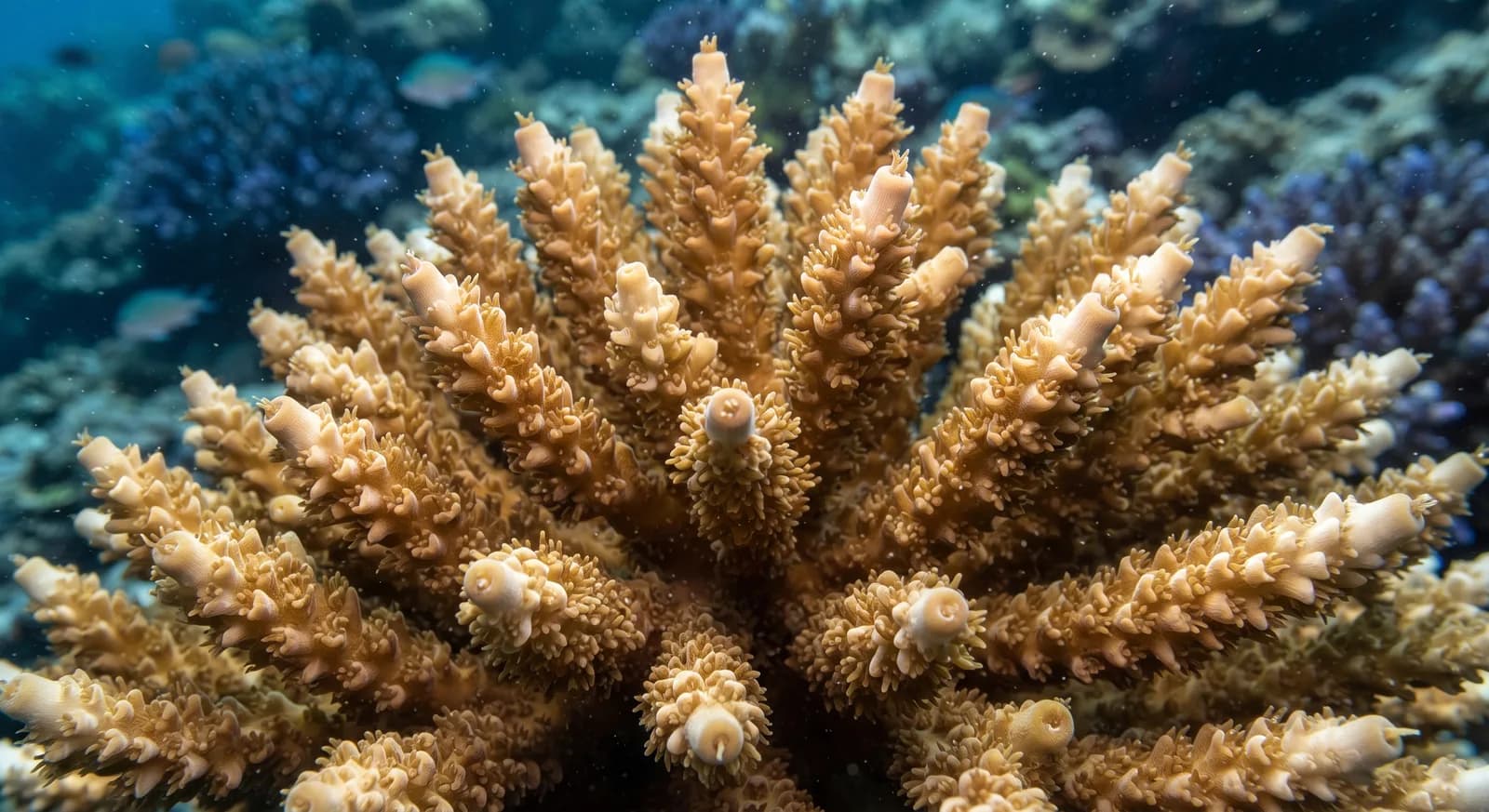 Critically Endangered
Staghorn Coral
Acropora cervicornis
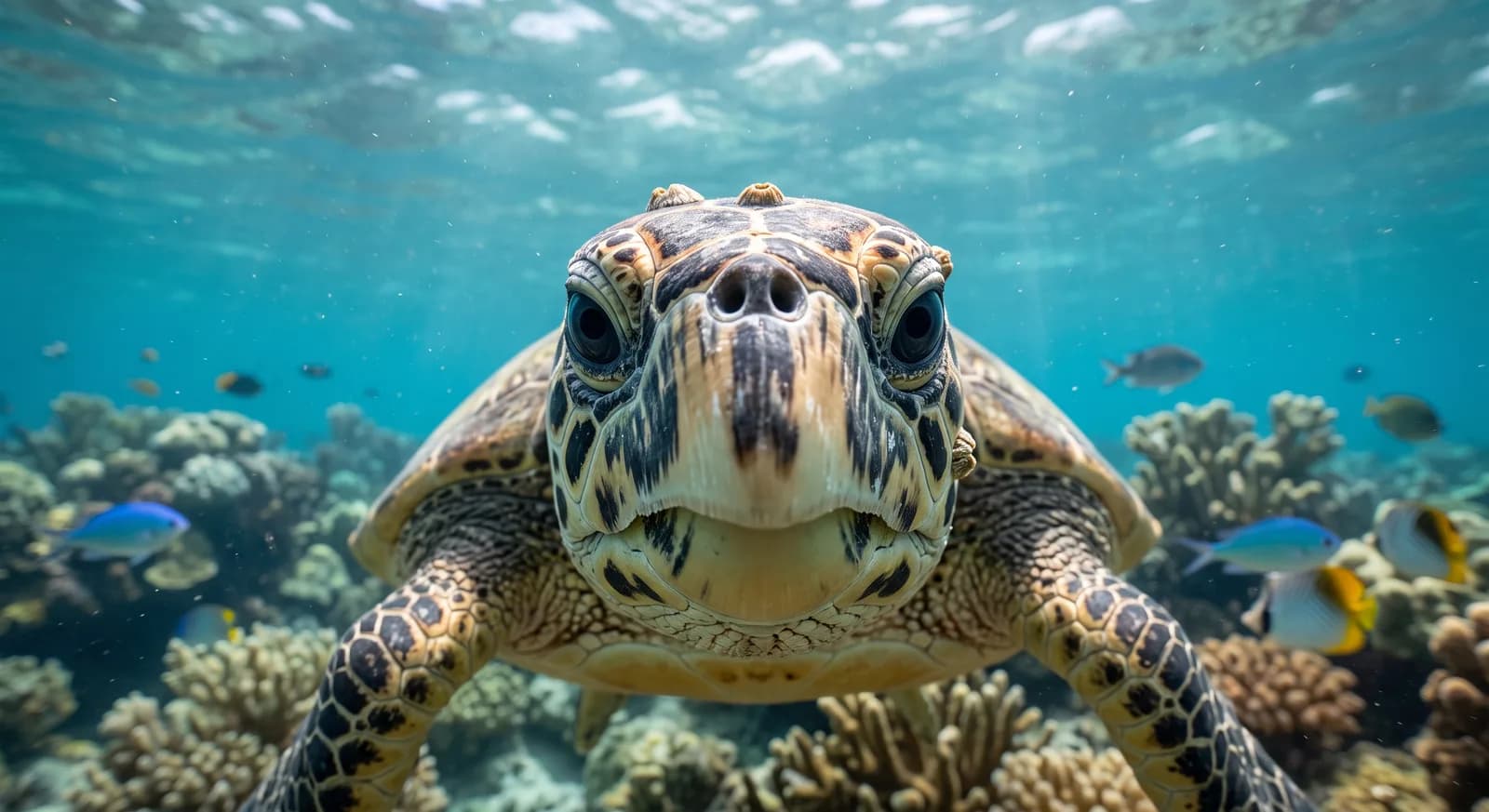 Critically Endangered
Hawksbill Turtle
Eretmochelys imbricata
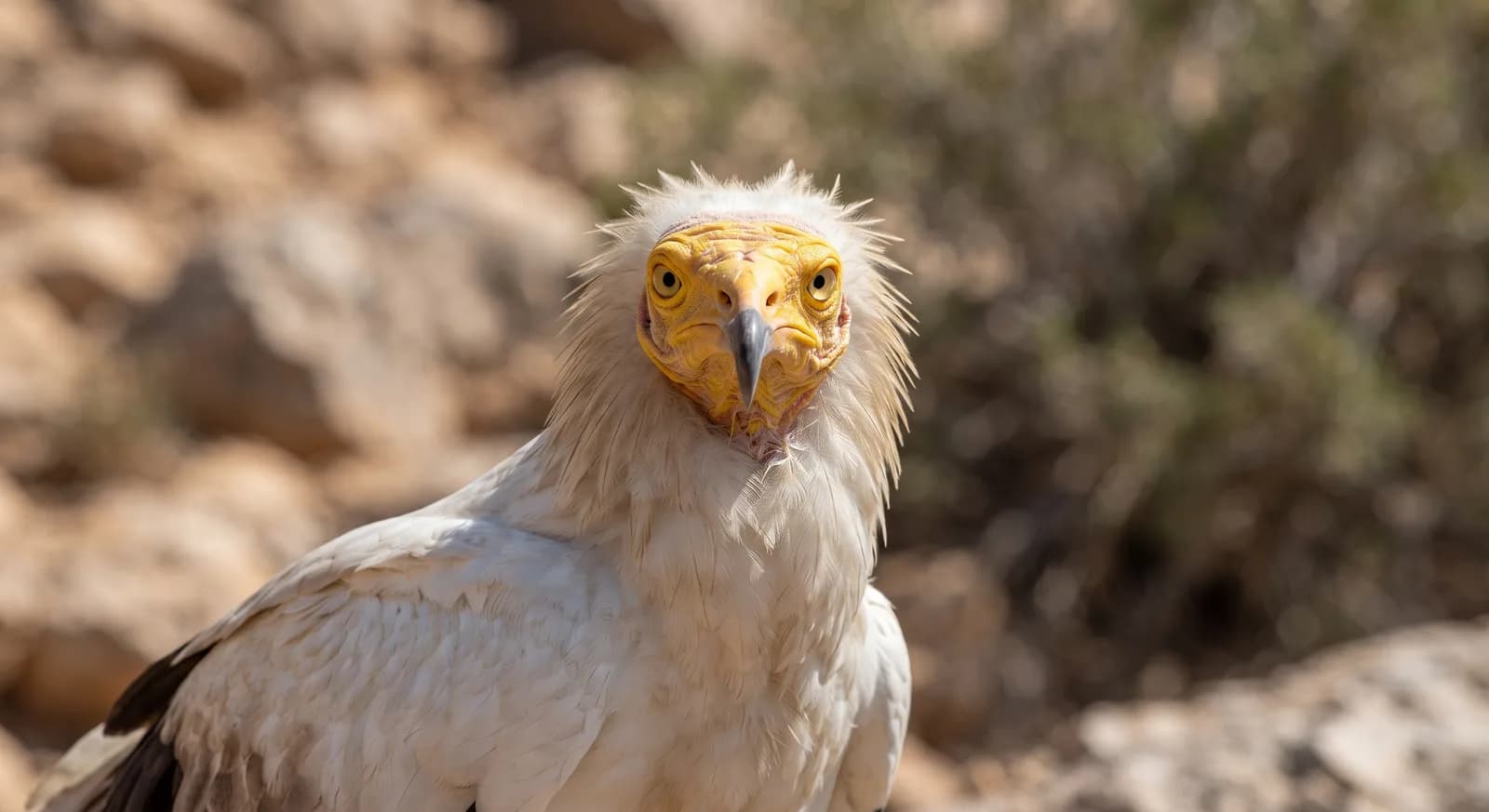 Endangered
Egyptian Vulture
Neophron percnopterus
 Endangered
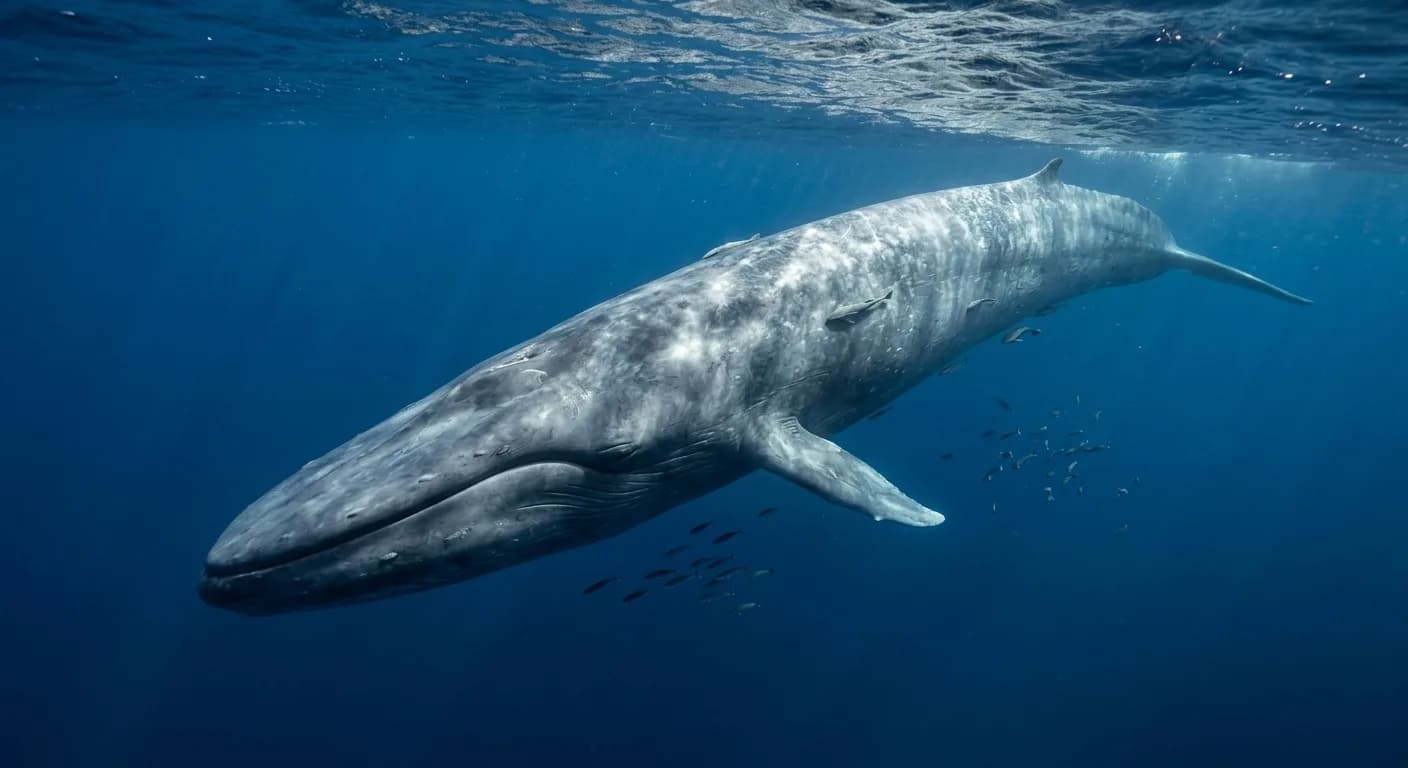
Blue Whale
Balaenoptera musculus
 Endangered
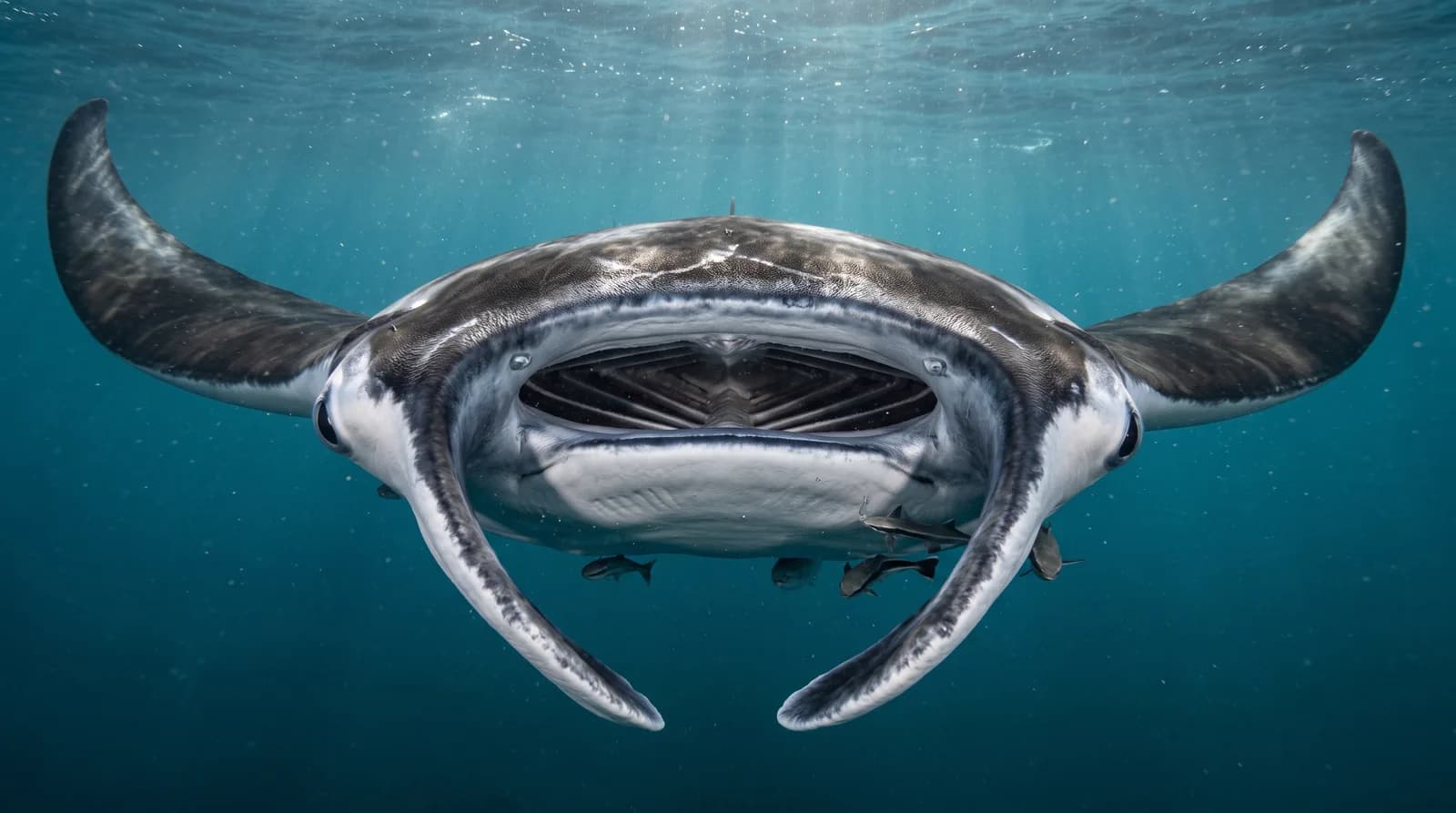
Giant Manta
Mobula birostris
 Endangered
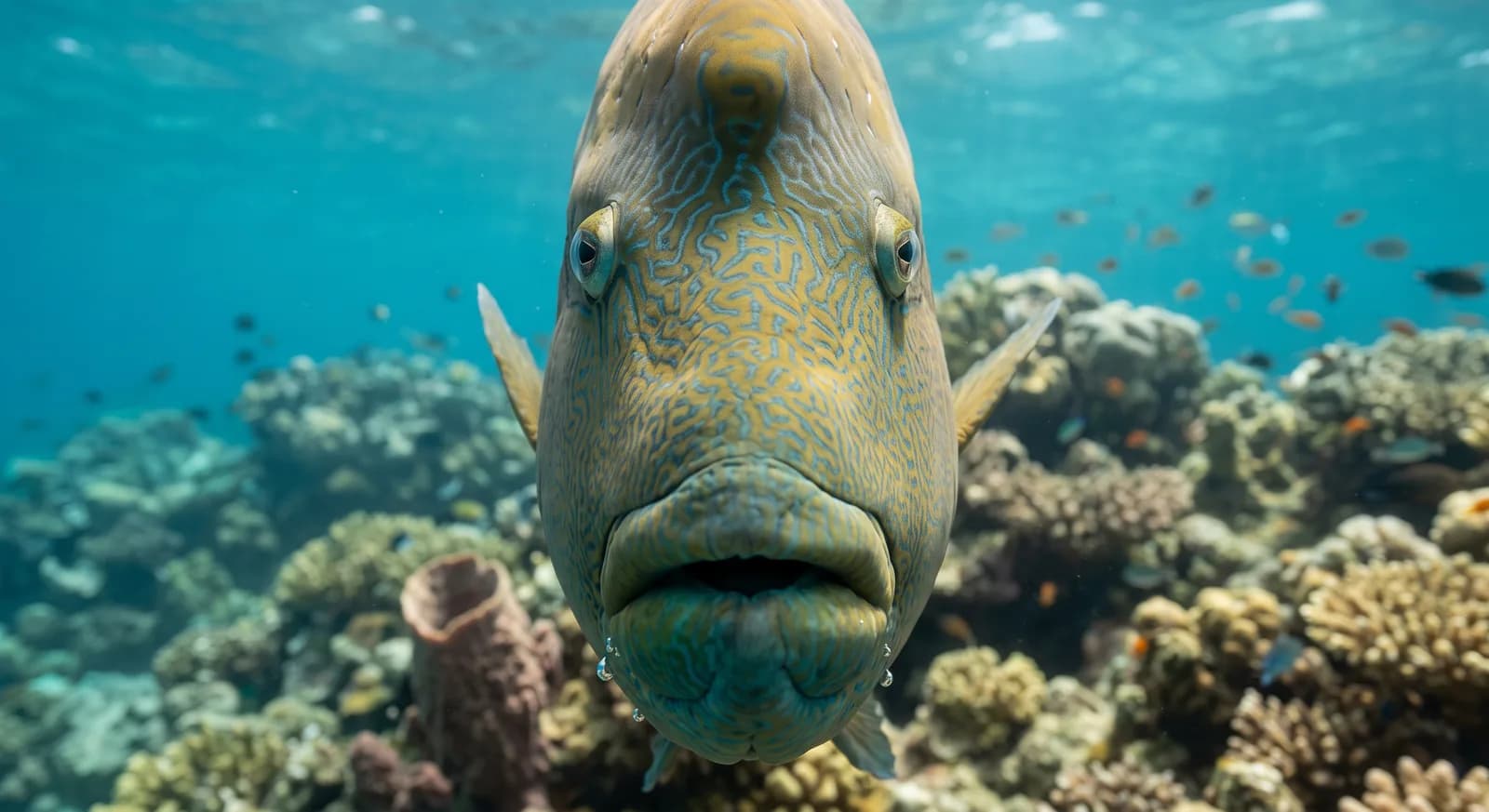
Humphead Wrasse
Cheilinus undulatus
 Endangered
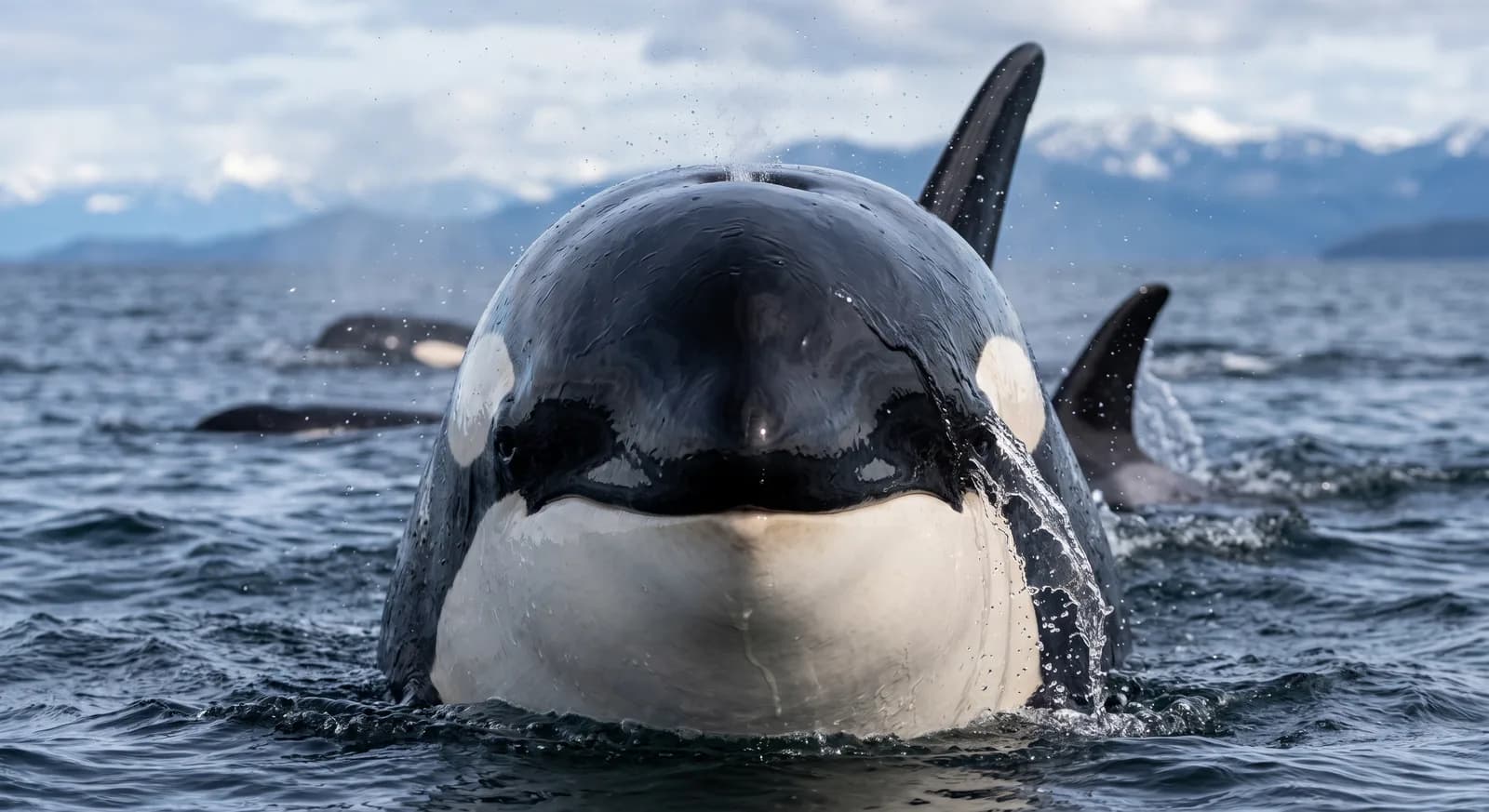
Killer Whale
Orcinus orca
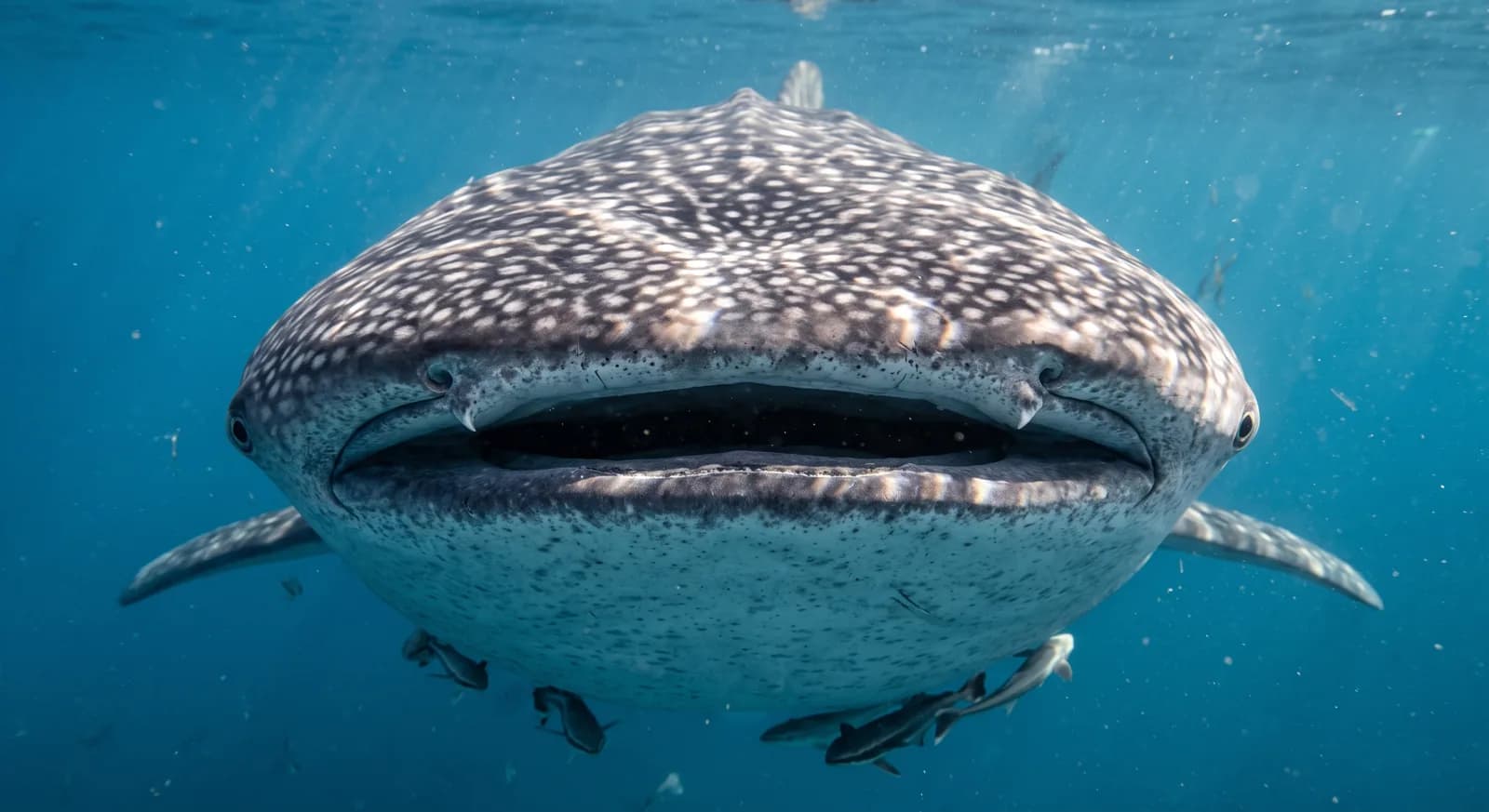 Endangered
Whale Shark
Rhincodon typus
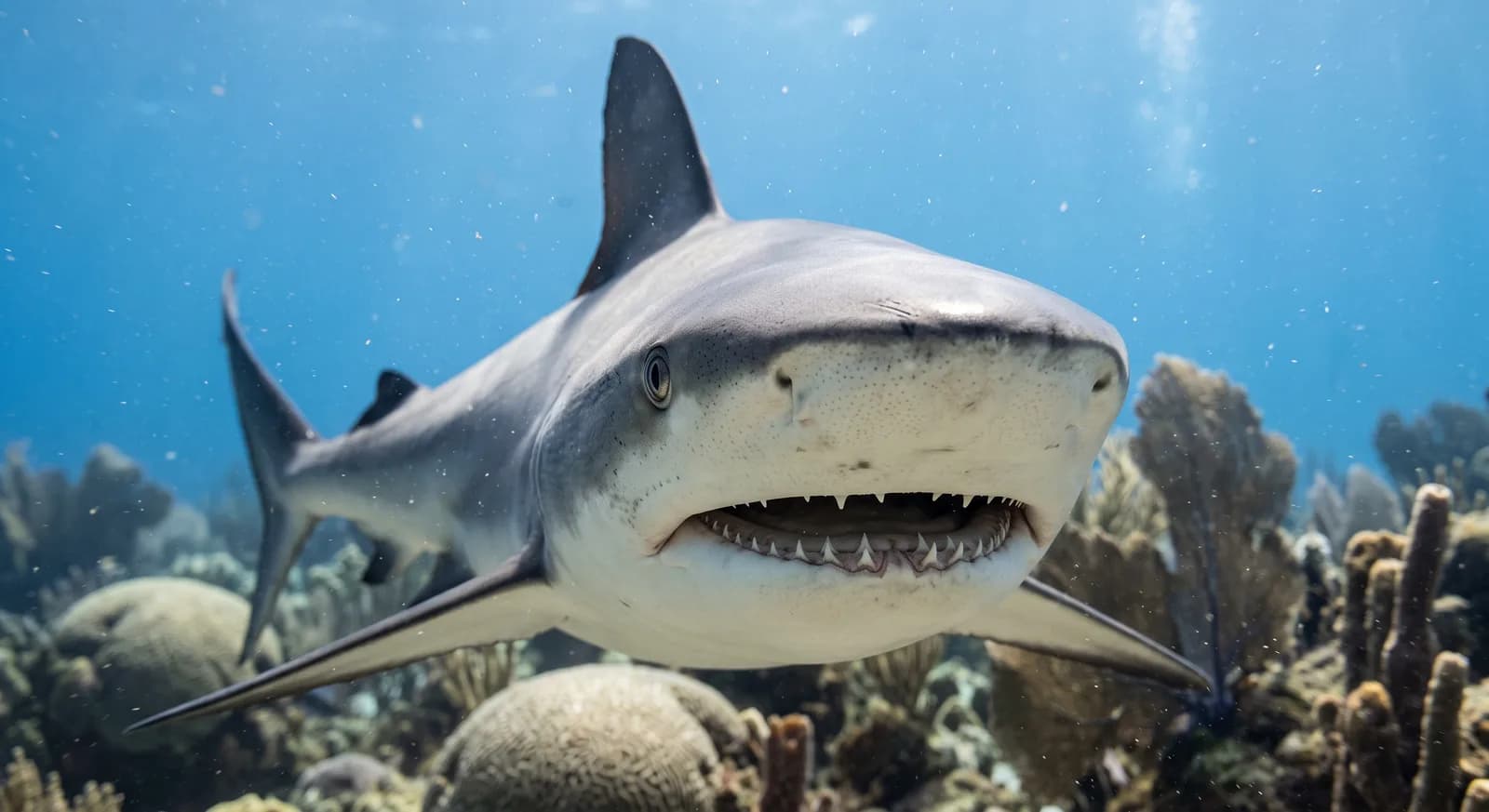 Endangered
Grey Reef Shark
Carcharhinus amblyrhynchos
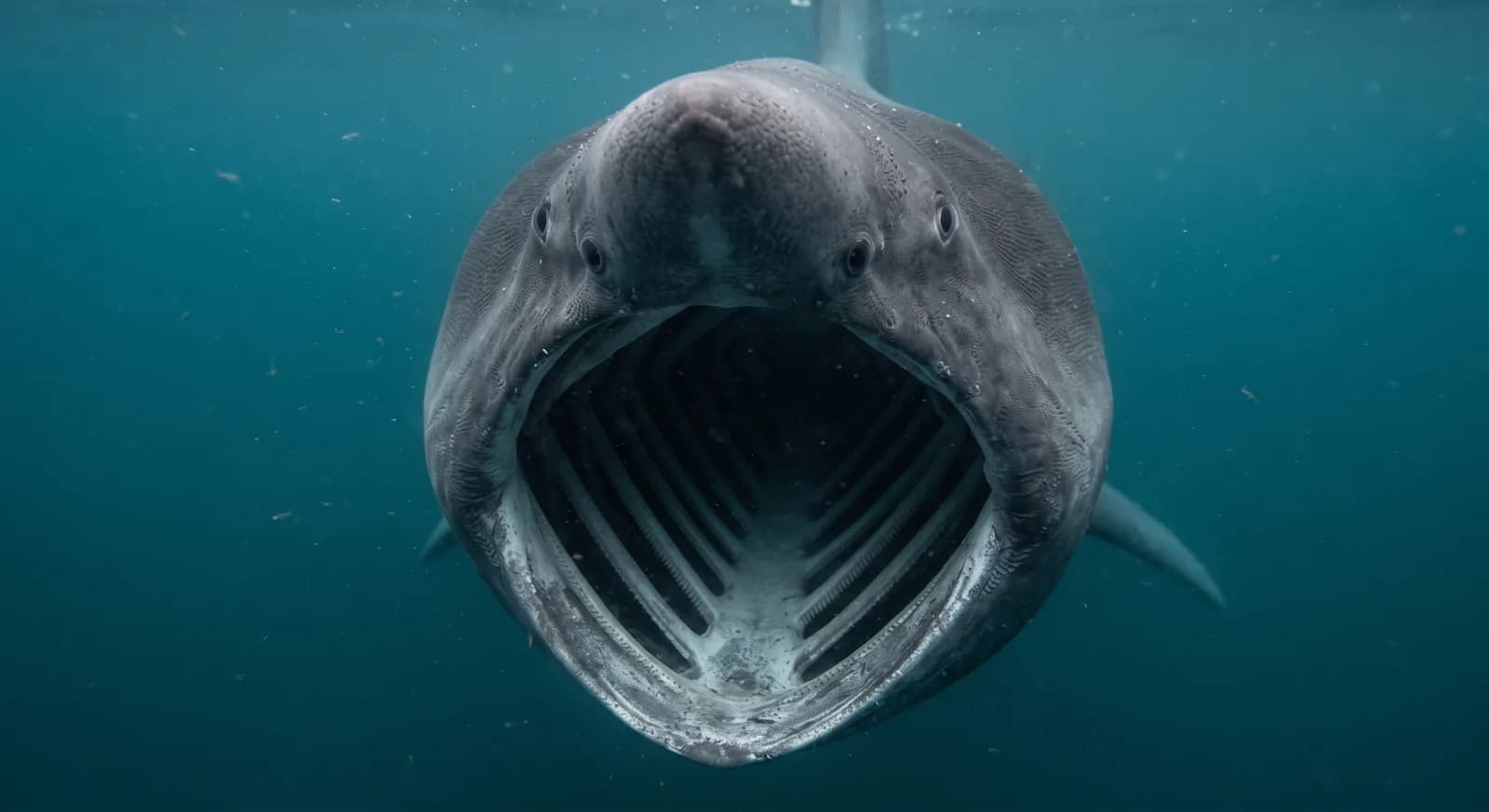 Endangered
Basking Shark
Cetorhinus maximus
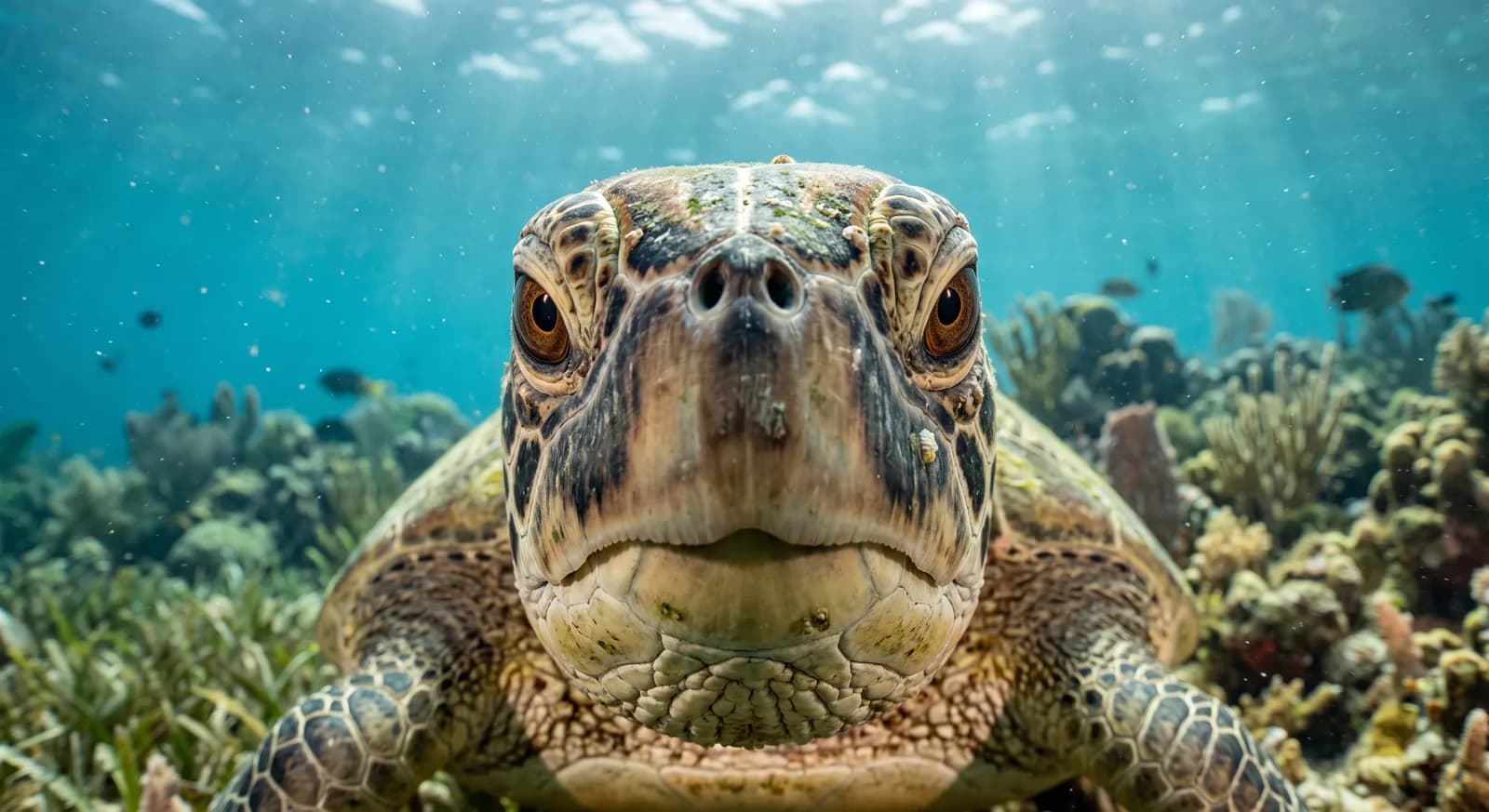 Endangered
Green Turtle
Chelonia mydas
Keep exploring
Based on what we already know about Saudi Arabia.