Bahrain
Asia
Bahrain is a low, arid archipelago in the Persian Gulf whose name means two seas, in reference to the freshwater springs that welled up beneath the salt sea and that for thousands of years supported palm groves, agriculture and one of the largest pearling industries in the world. Those springs have largely run dry through over-extraction from the aquifers, and today the interior is above all stony desert, with the famous Tree of Life growing alone in the middle of nowhere. The country's natural wealth is marine: pearl oyster beds, seagrass meadows and shallow bottoms where dugongs and turtles feed. To the south, the almost uninhabited Hawar archipelago is a nature reserve and one of the most important seabird sites in the whole Gulf.
The nature of Bahrain
National animal: The Arabian oryx, the country's national animal
Did you know?
The Hawar islands hold the largest breeding colony in the world of the Socotra cormorant, a seabird exclusive to the Persian Gulf and the Arabian Sea that nests on the ground at enormous densities. Tens of thousands of pairs gather there every winter, to the point that a very significant share of the entire world population of the species depends on a handful of islets in this archipelago.
Biodiversity profile
Climate
- •Desertico calido (BWh), veranos muy calurosos y humedos, inviernos suaves
Main biomes
- •Desierto insular con vegetacion escasa
- •Bancos de ostras naturales en aguas costeras (produccion historica de perlas)
- •Isla y bajío del golfo Pérsico
- •Pradera marina
- •Banco de ostras perleras
- •Sabka hipersalina
- •Desierto pedregoso
- •Manglar costero
- •Manantial submarino
Marine and coastal ecosystems
- •Habitats de ostras perliferas de renombre internacional
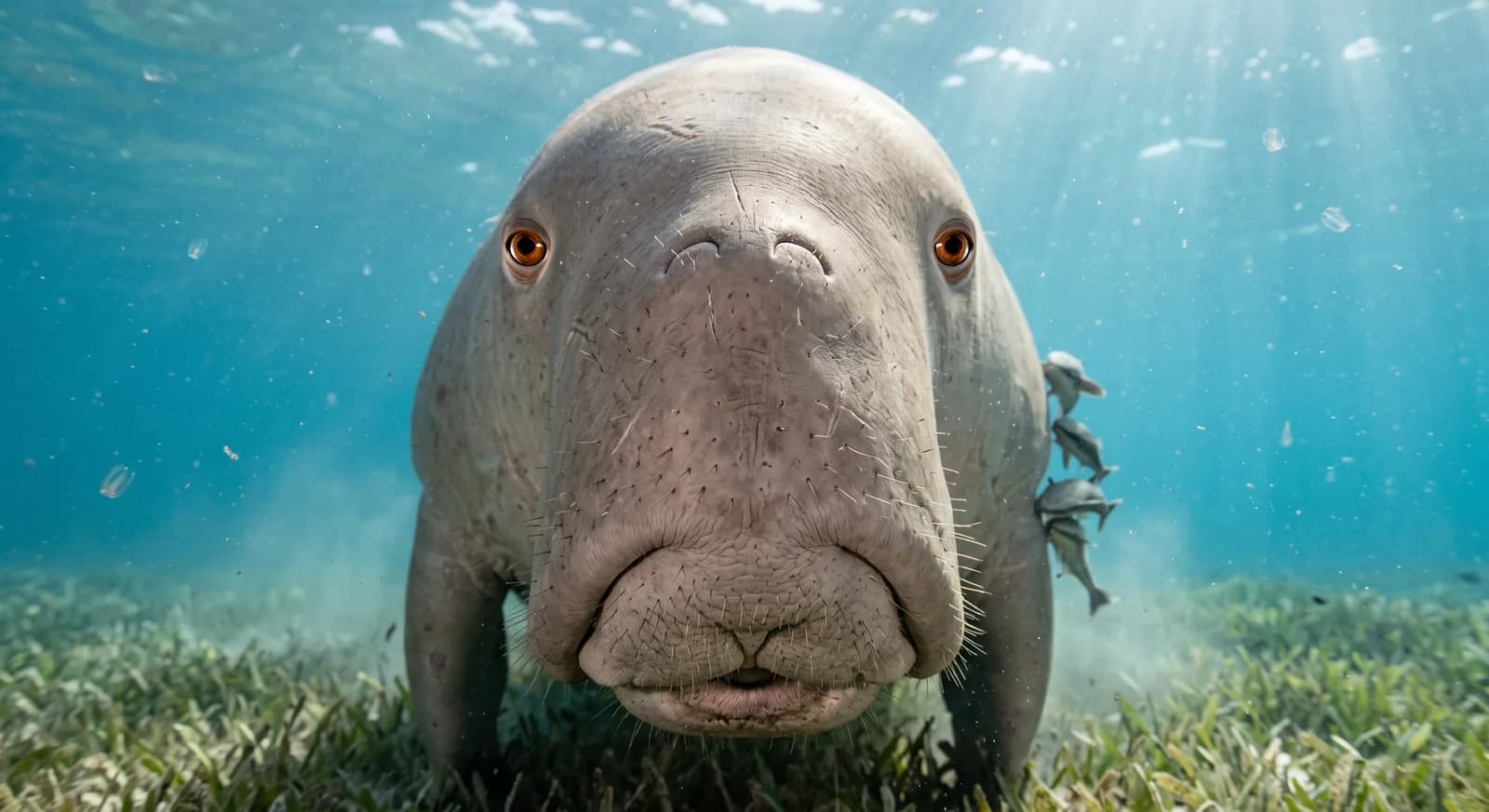
- •Una de las mayores poblaciones de dugongo del mundo tras Australia (compartida con Qatar y EAU)
- •Mayor colonia reproductora mundial del cormoran de Socotra
Flagship wildlife
- •Dugongo
- •Cormoran de Socotra (mayor colonia de cria del mundo)
- •Avutarda hubara (globalmente amenazada)
- •Aves marinas migratorias (mas de 330 especies registradas)
- •Órix de Arabia
- •Flamenco común
- •Tortuga carey
- •Gacela árabe
- •Charrán bengalí
- •Zorro del desierto
- •Águila pescadora
- •Ostión perlero
Notable endemic species
- •Dato no disponible con precision de especies estrictamente endemicas en fuentes verificadas consultadas; el valor de Bahrein reside principalmente en poblaciones regionalmente significativas de especies marinas compartidas con el Golfo
Notable threatened species
- •Avutarda hubara (globalmente amenazada, presente en el archipielago)
- •Dugongo (Vulnerable, una de las mayores concentraciones del mundo tras Australia)
Notable protected areas
- •Zonas de proteccion de bancos de ostras y colonias de aves marinas costeras
- •Islas Hawar
- •Reserva de Al Areen
- •Bahía de Tubli
- •Árbol de la Vida
- •Bancos perleros de Bulthama
- •Isla de Jarim
Main conservation threats
- •Cambio climatico, subida del nivel del mar, acidificacion oceanica y sequia
- •Desarrollo urbano sobre tierras agricolas limitadas
- •Presion sobre recursos marinos de los que depende gran parte del PIB del pais
Notable natural phenomena
- •Bahrein alberga la mayor colonia de cria mundial del cormoran de Socotra
Conservation
Coastal land reclamation has drastically reduced the shallow bottoms and the mangroves of Tubli bay. The historic pearl oyster beds are protected as a World Heritage Site for their cultural and ecological value.
Where and when to watch wildlife
Hawar between October and March for Socotra cormorants and seabirds. Tubli bay in winter for flamingos and waders. The southern waters for dugongs and turtles.
Sources: UNEP - Bahrain shows the way to protect biodiversity in its region
Parks and reserves
Países similares
¿A dónde más podría interesarme viajar?
Misma región: Oriente Medio y Asia Occidental
Misma región: Oriente Medio y Asia Occidental
Misma región: Oriente Medio y Asia Occidental
Misma región: Oriente Medio y Asia Occidental
Especies documentadas en Bahrain
120 species found
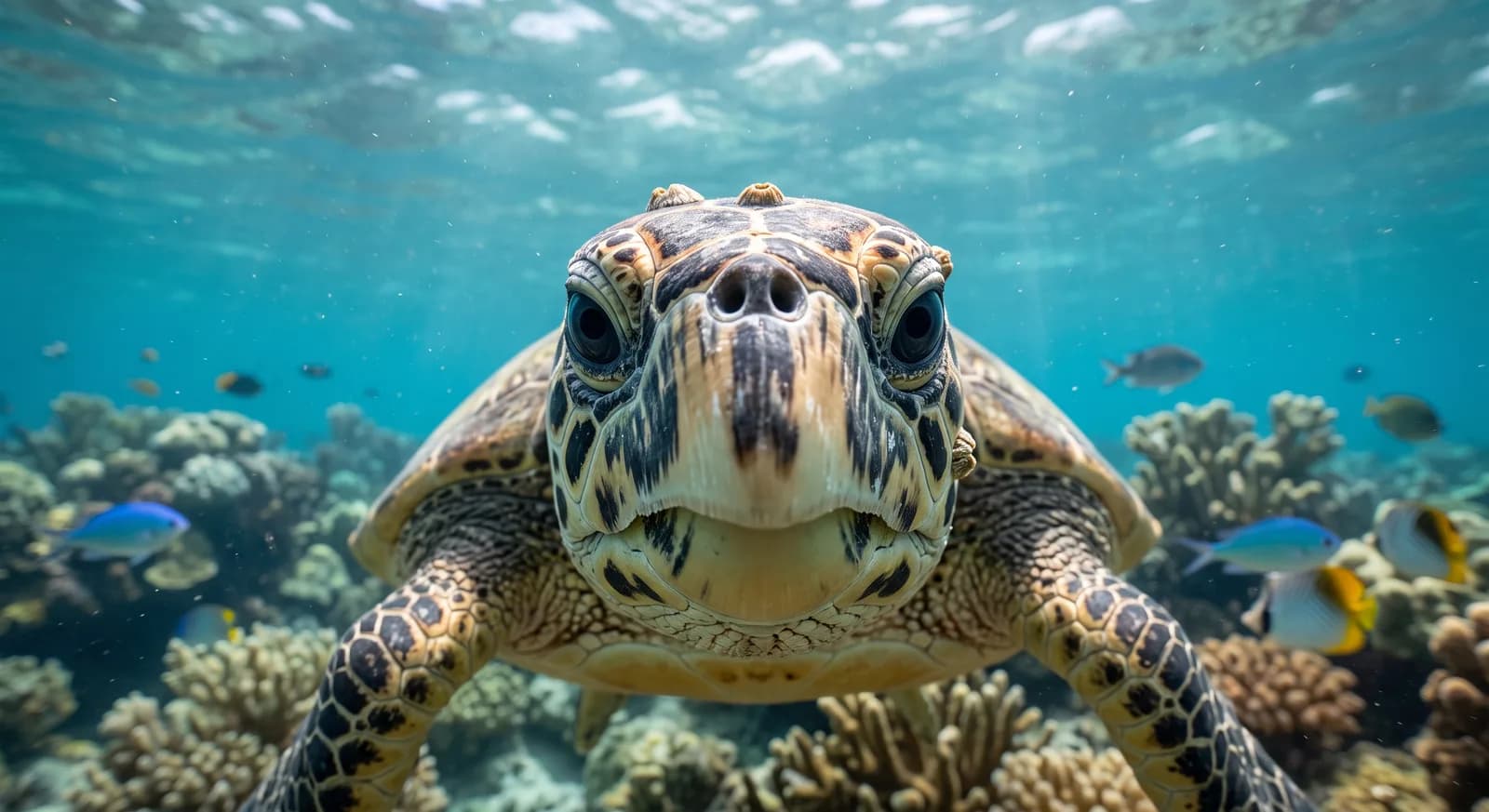 Critically Endangered
Hawksbill Turtle
Eretmochelys imbricata
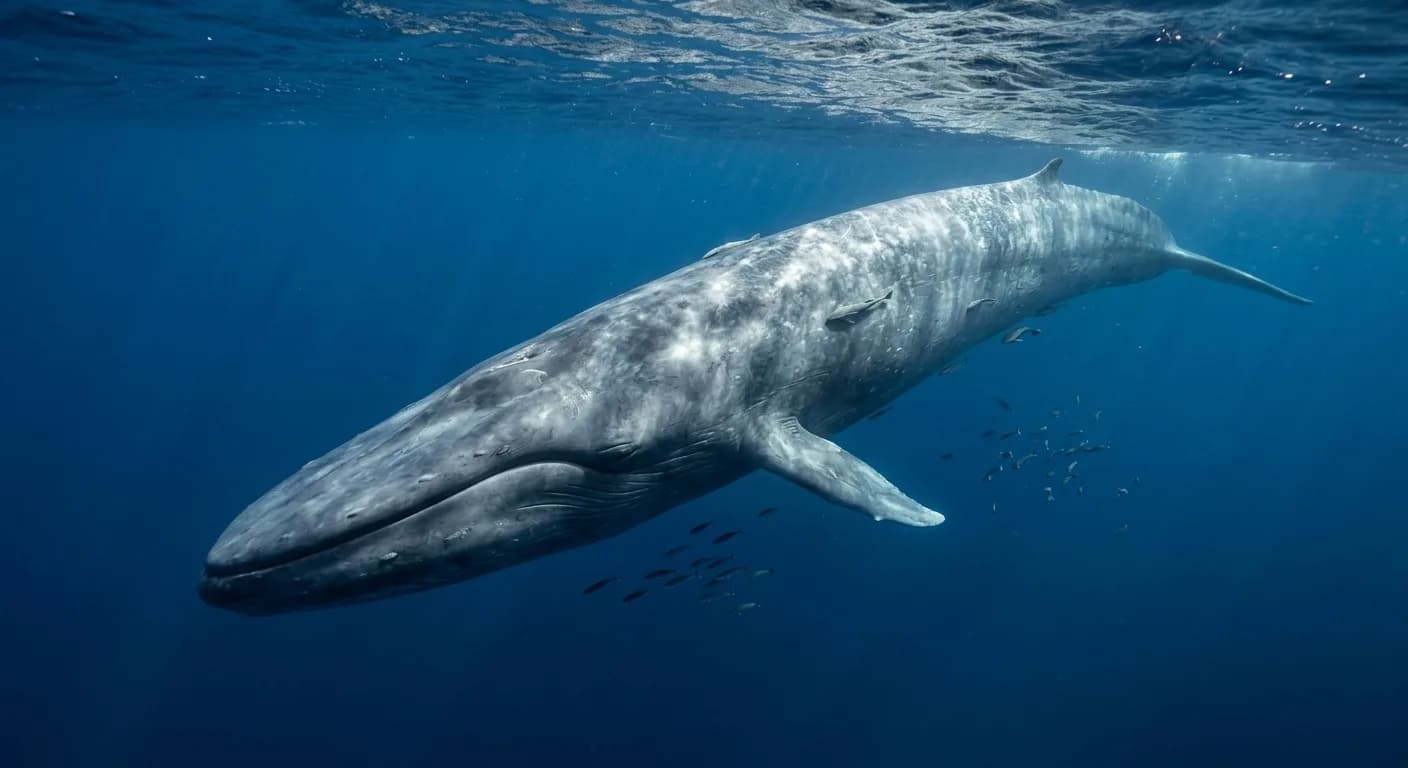 Endangered
Blue Whale
Balaenoptera musculus
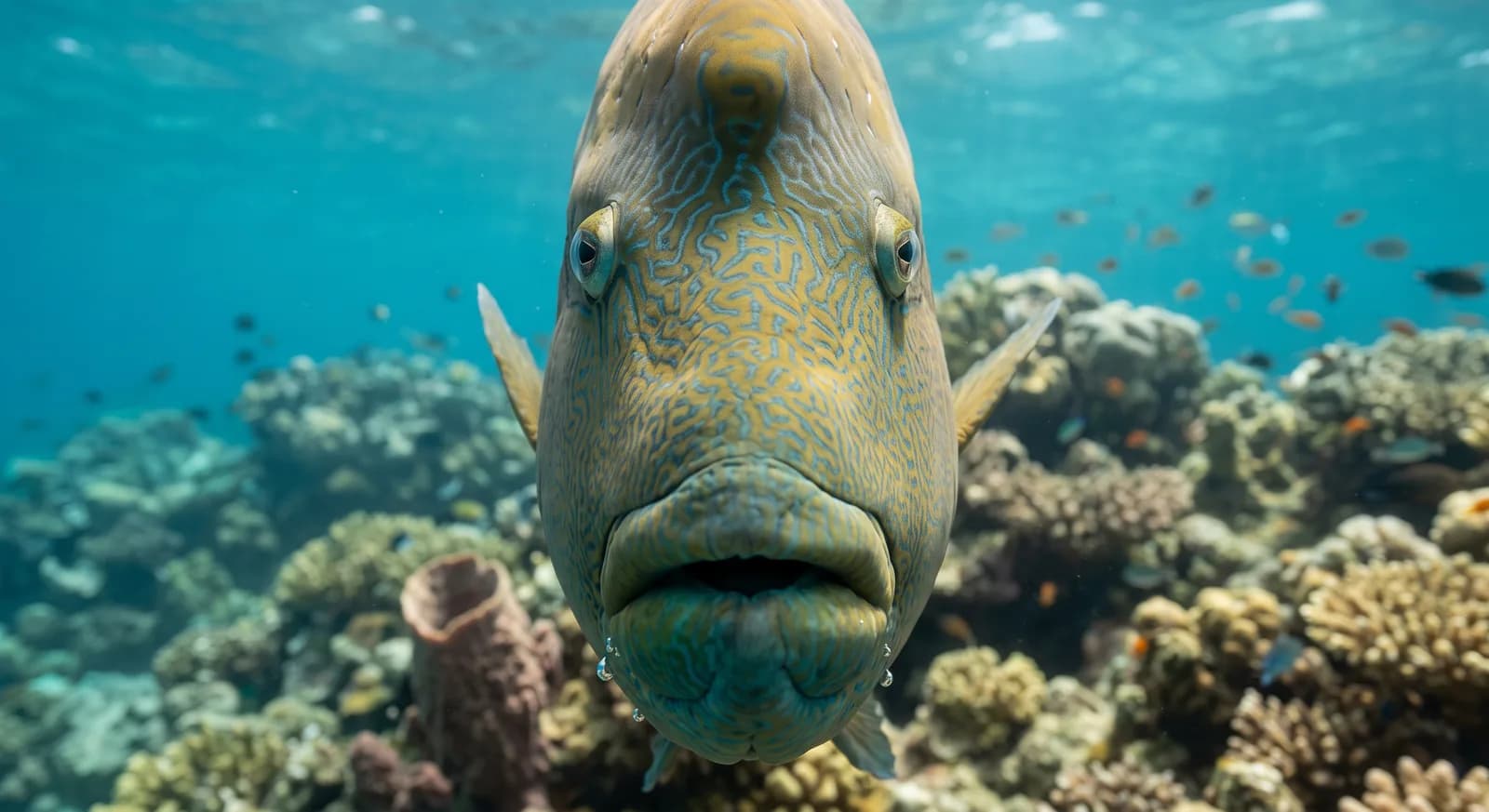 Endangered
Humphead Wrasse
Cheilinus undulatus
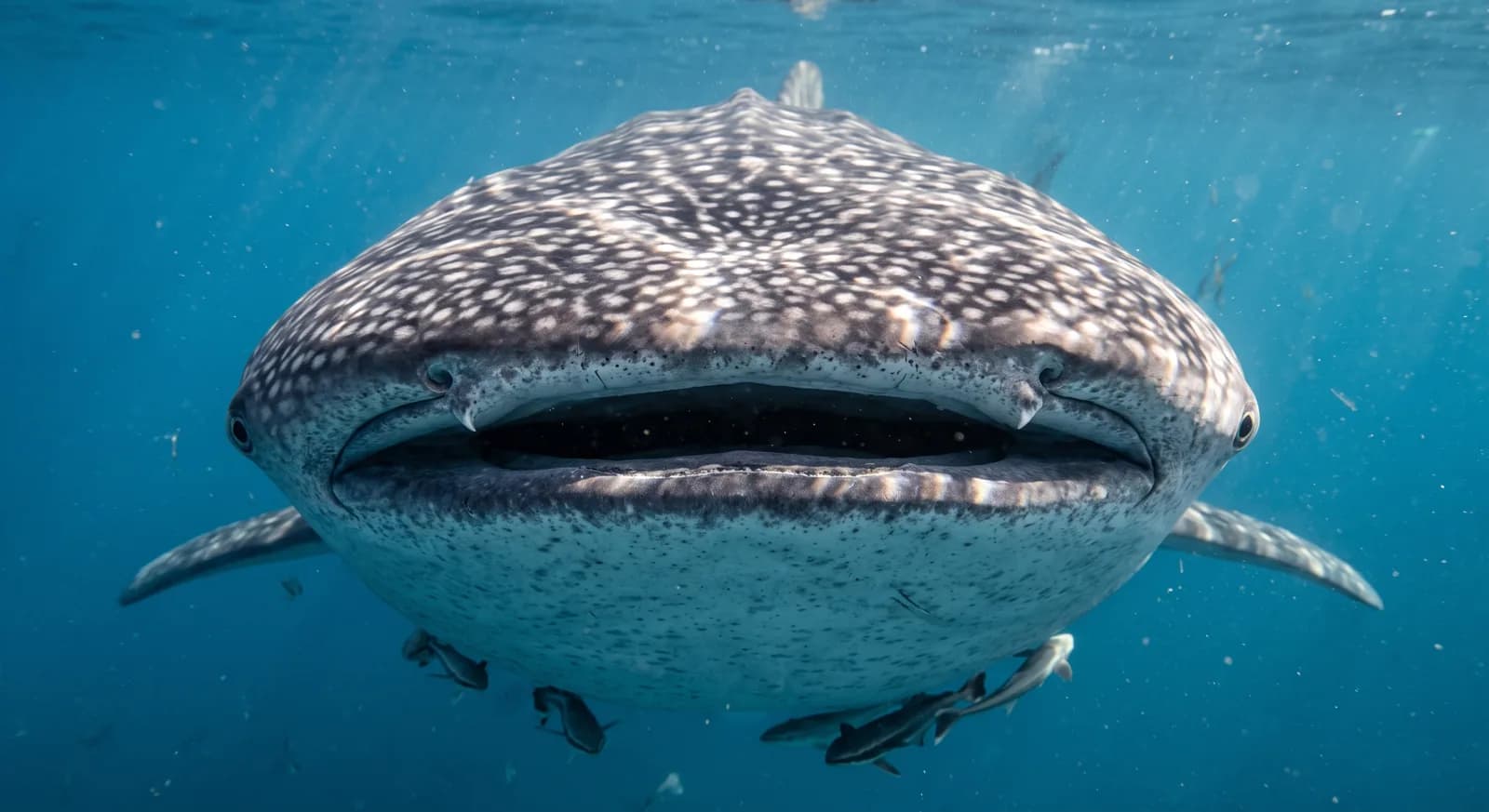 Endangered
Whale Shark
Rhincodon typus
 Endangered
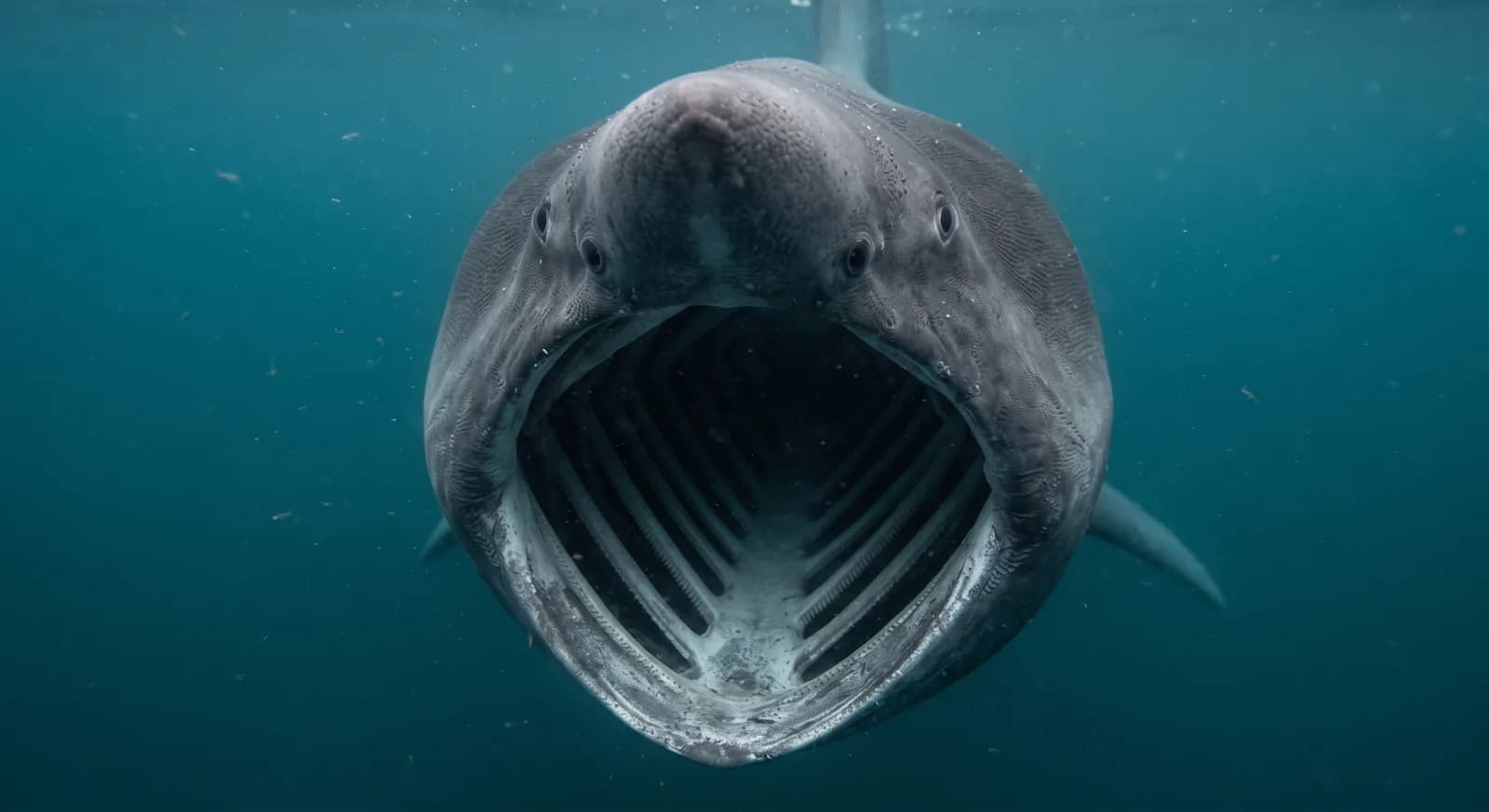
Basking Shark
Cetorhinus maximus
 Endangered
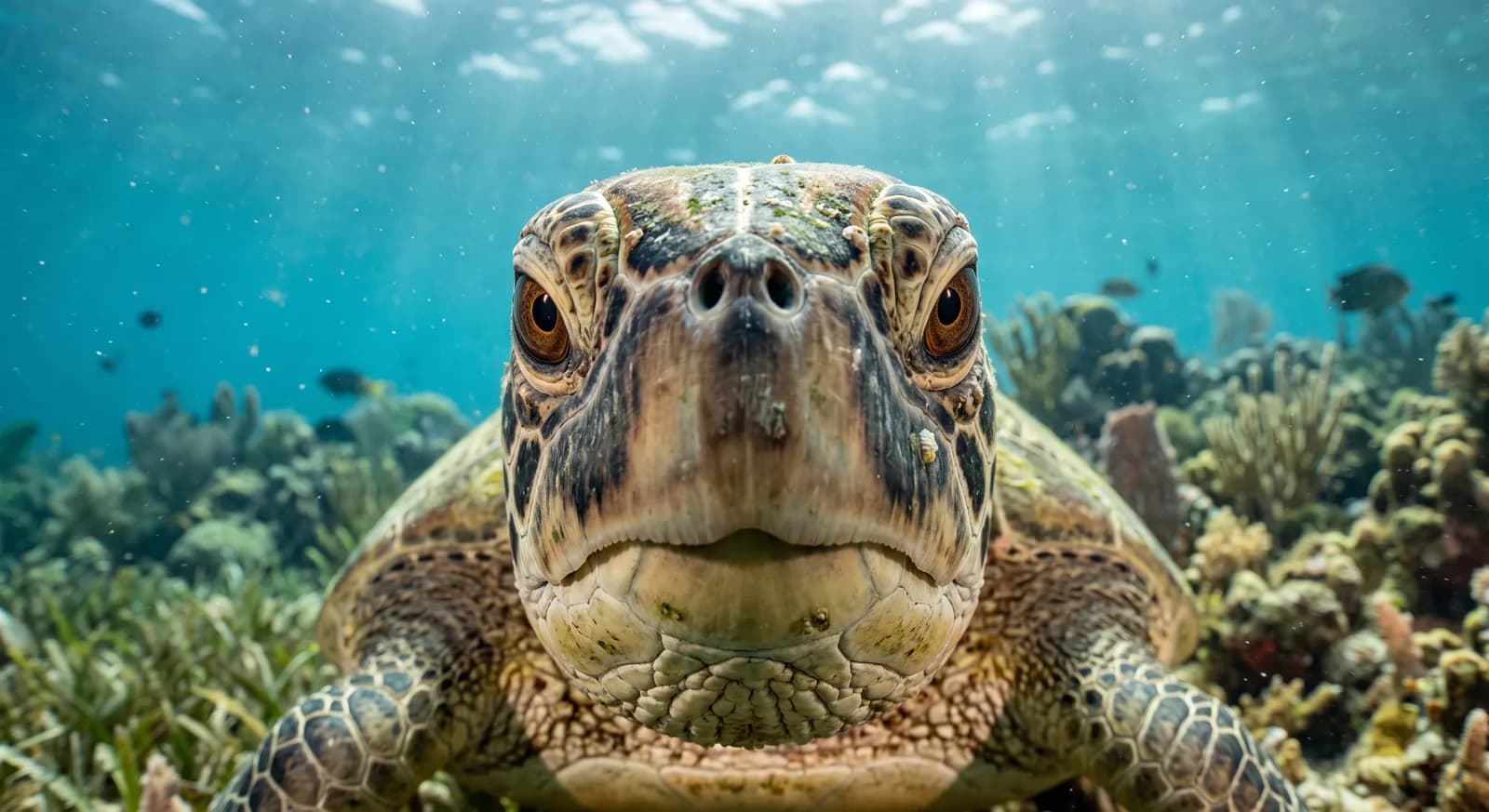
Green Turtle
Chelonia mydas
 Vulnerable
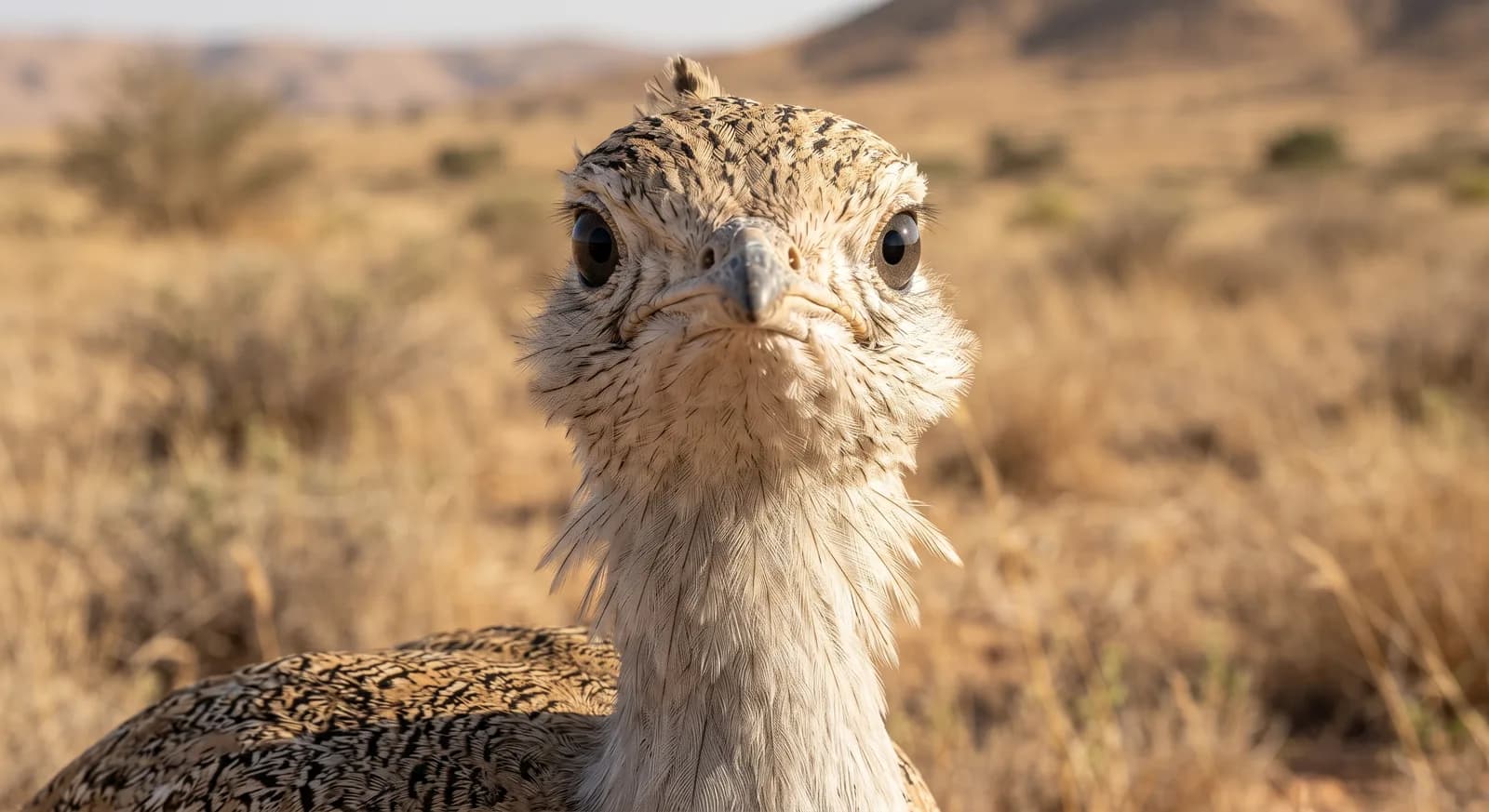
Houbara Bustard
Chlamydotis undulata
 Vulnerable
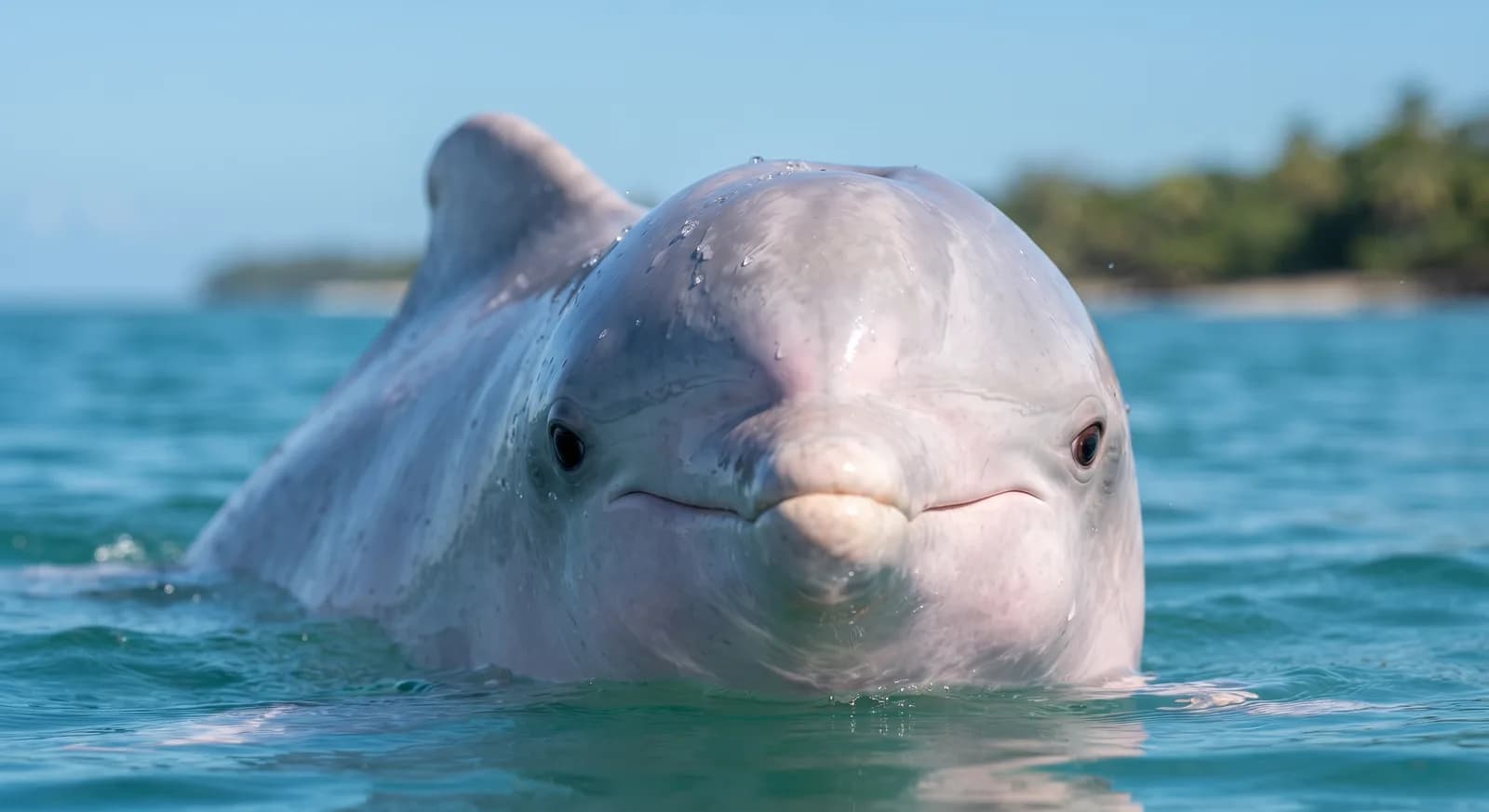
Indo-Pacific Humpback Dolphin
Sousa chinensis
 Vulnerable
Dugong
Dugong dugon
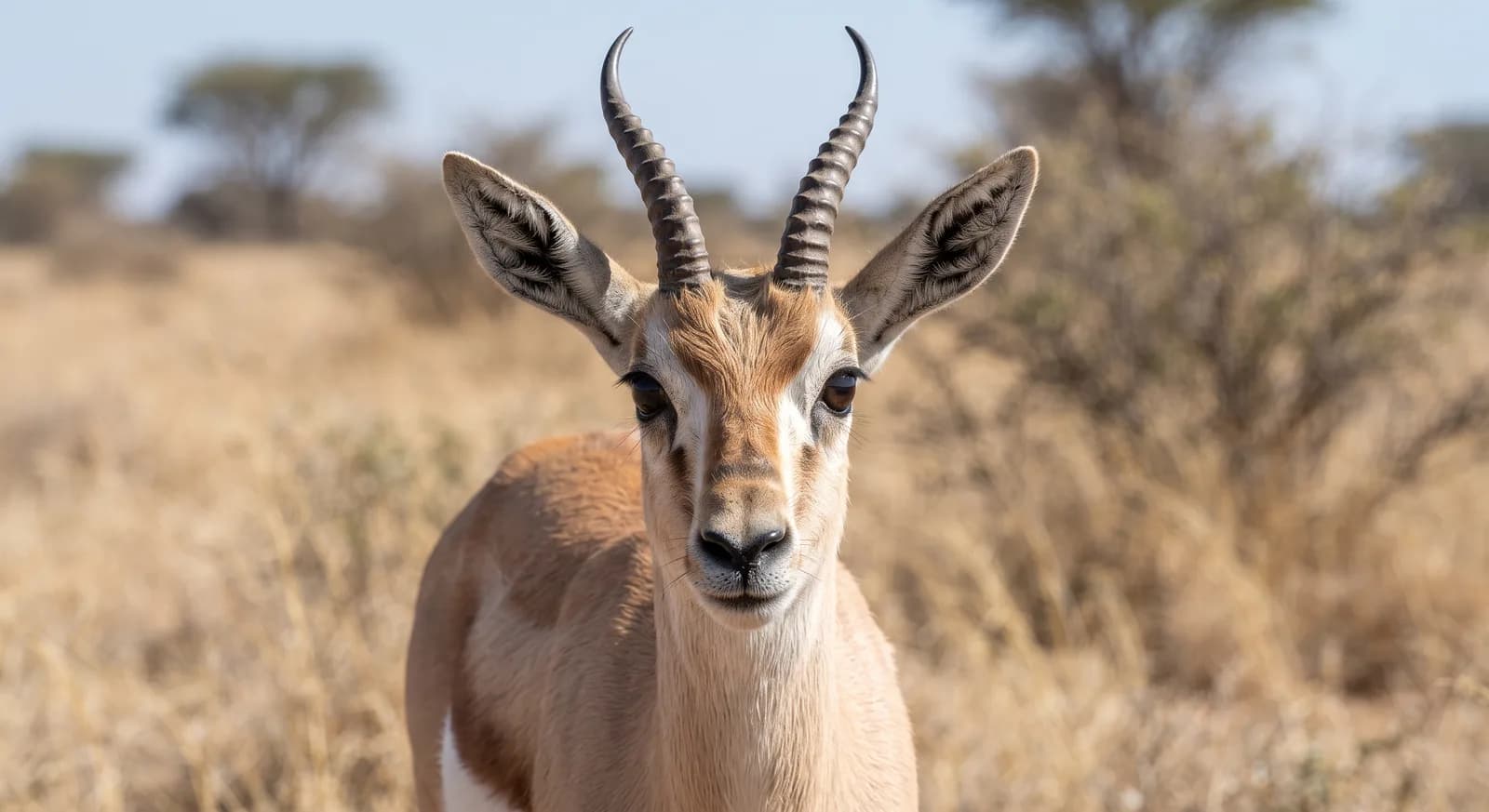 Vulnerable
Dorcas Gazelle
Gazella dorcas
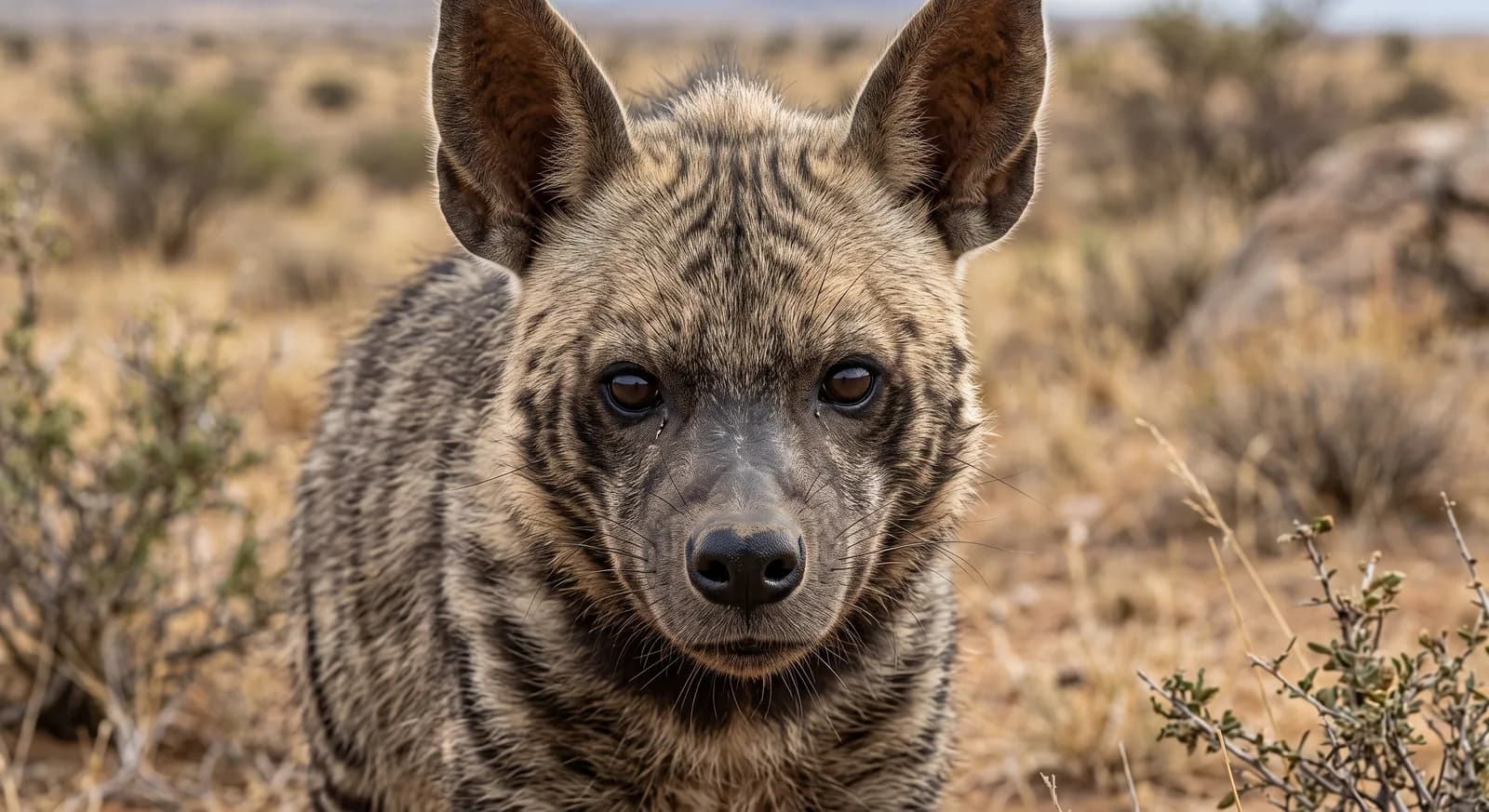 Near Threatened
Striped Hyaena
Hyaena hyaena
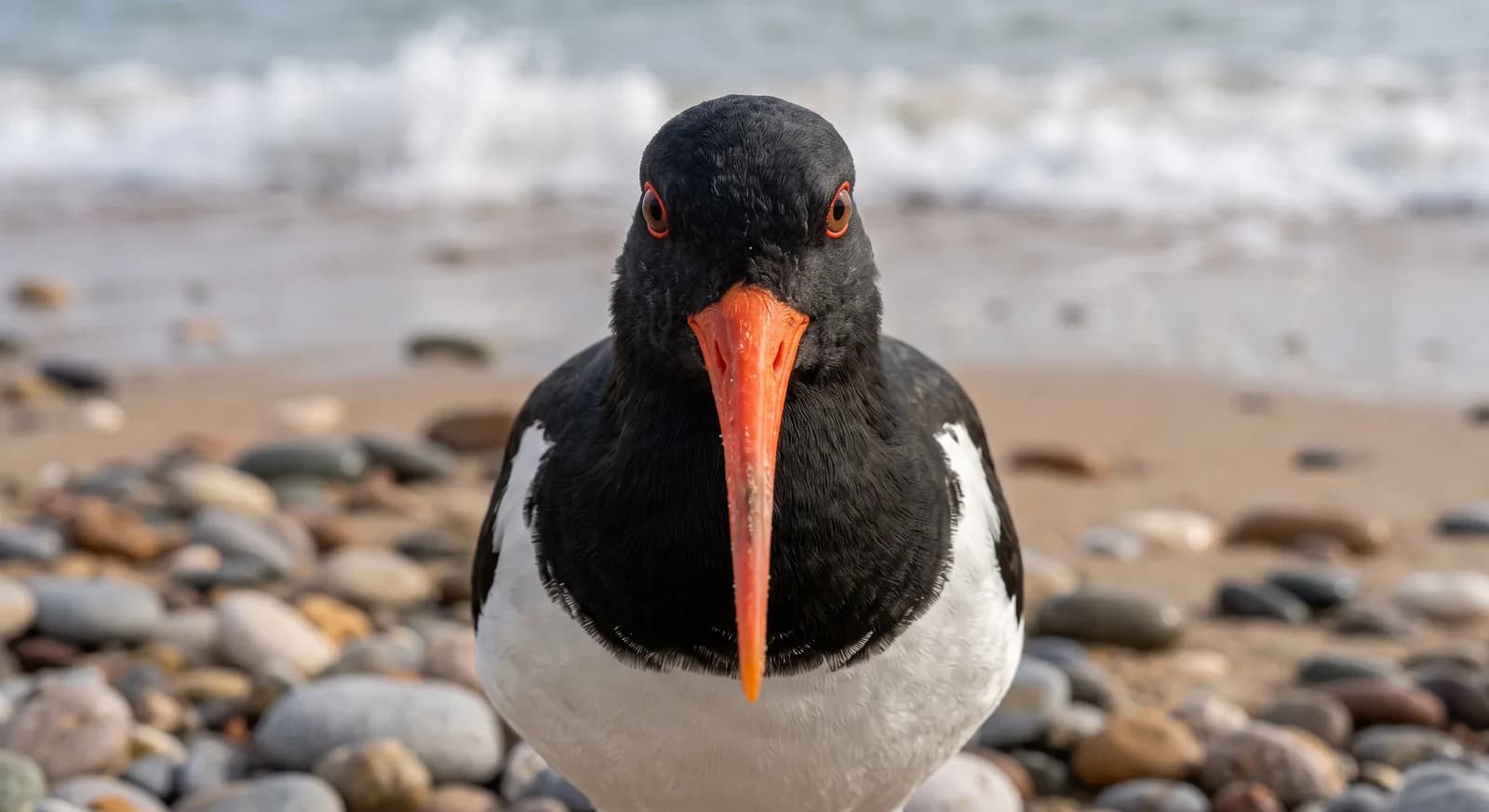 Near Threatened
Eurasian Oystercatcher
Haematopus ostralegus
Keep exploring
Based on what we already know about Bahrain.