One of the 5 oystercatchers on WAnimals
Birds · Charadriiformes · Haematopodidae
Eurasian Oystercatcher
Haematopus ostralegus
It could become endangered in the near future if current threats go unchecked. See full glossary
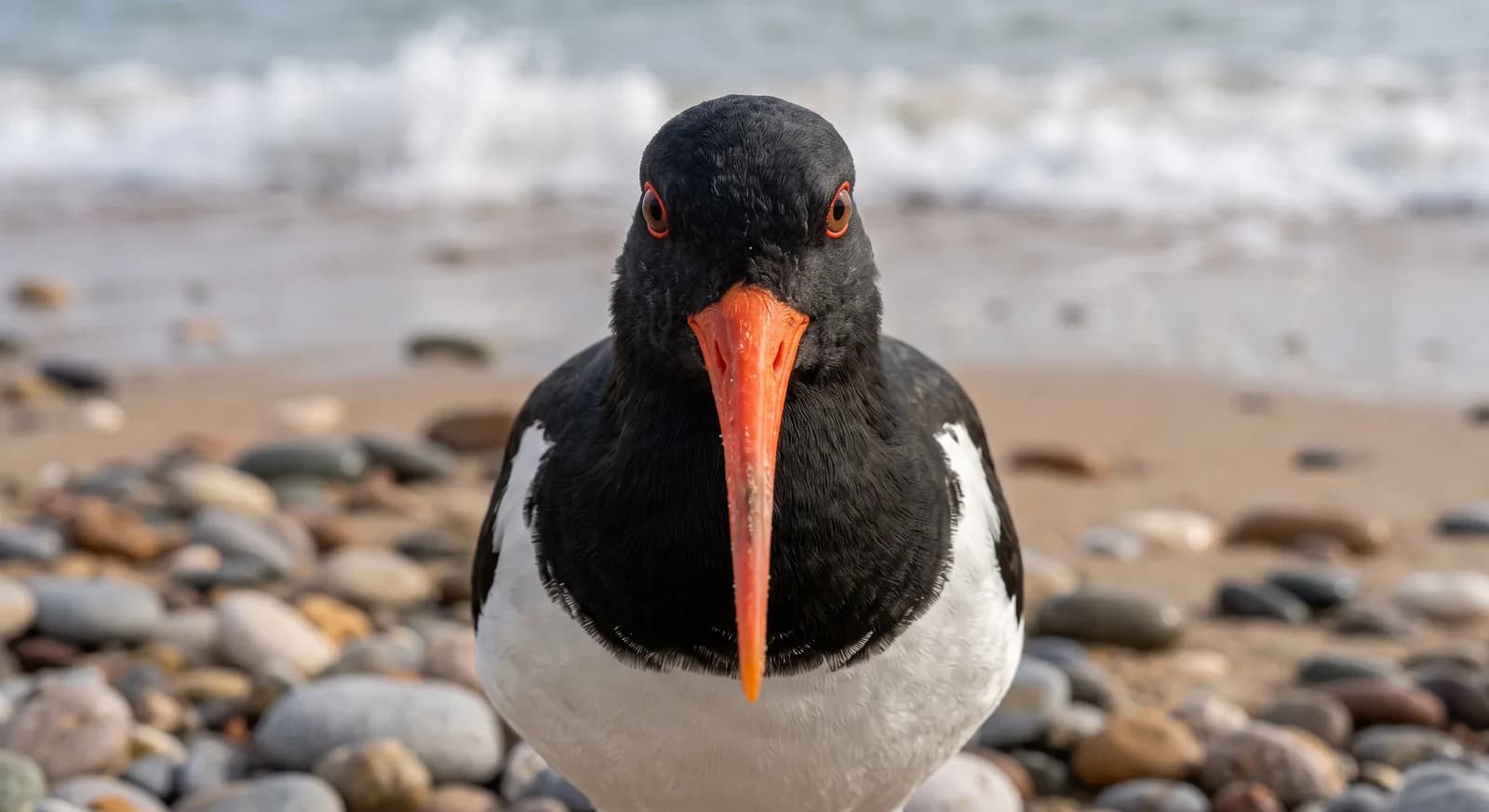
One of the largest and most striking waders in Europe, boldly plumaged in black and white: head, breast and upperparts black, underparts white. Its legs are red and its long, straight, sturdy bill, also red, accounts for 8 to 9 cm of its total length and is flattened at the sides.
Weight
480 g on average
Size
40 cm – 45 cm
Diet
Carnivore
Feeds mainly on other animals.
Activity
Diurnal
Active mainly during the day.
Sighting difficulty
Moderate
Fun facts
- alimentaciónIt has a stout chisel-shaped bill it uses to open mussels and other bivalves, either hammering them or slipping the bill between half-open shells.
- Despite its name, oysters are not an important part of its diet, though it is among the very few birds able to open their shells.
- It is the most widely distributed oystercatcher in the world.
- Its scientific name means literally 'blood feet', from the Greek haima, blood, and pous, foot, after the intense red of its legs.
Life cycle & biology
- Skeleton type
- Vertebrate - internal bony skeleton (bird)
- Habitat & environment
- Sandy and muddy coastal habitats of Eurasia and Africa, where it probes the substrate for molluscs and worms
- Sexual maturity
- 3 years
Sources consulted: IUCN Red List; Asturnatura; Wikipedia (Haematopus ostralegus); Lee et al. 2017, Mitochondrial DNA Part B (genoma mitocondrial completo); Linnaeus 1758
Where to find it
See its range on the interactive mapBest time: All year round on sandy and muddy coasts; in Spain mainly on passage and in winter
Where to watch it
Parques y spots de buceo donde se ha documentado esta especie — se muestran 10 de 71 documentados.
Related species
Other species in the catalogue with the most in common with Eurasian Oystercatcher — same habitat, park, country, tags or family.
 Near Threatened
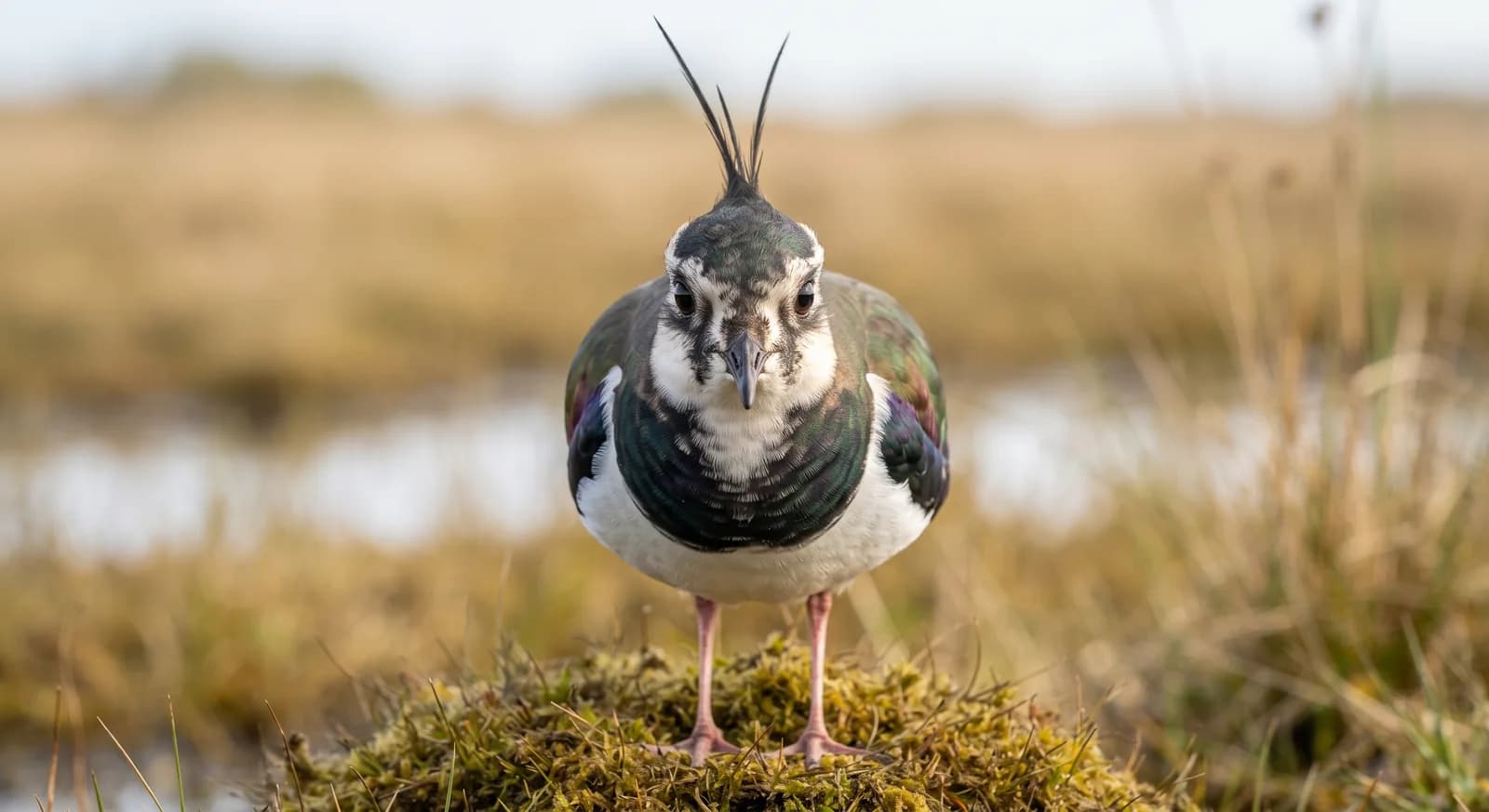
Northern Lapwing
Vanellus vanellus
 Near Threatened
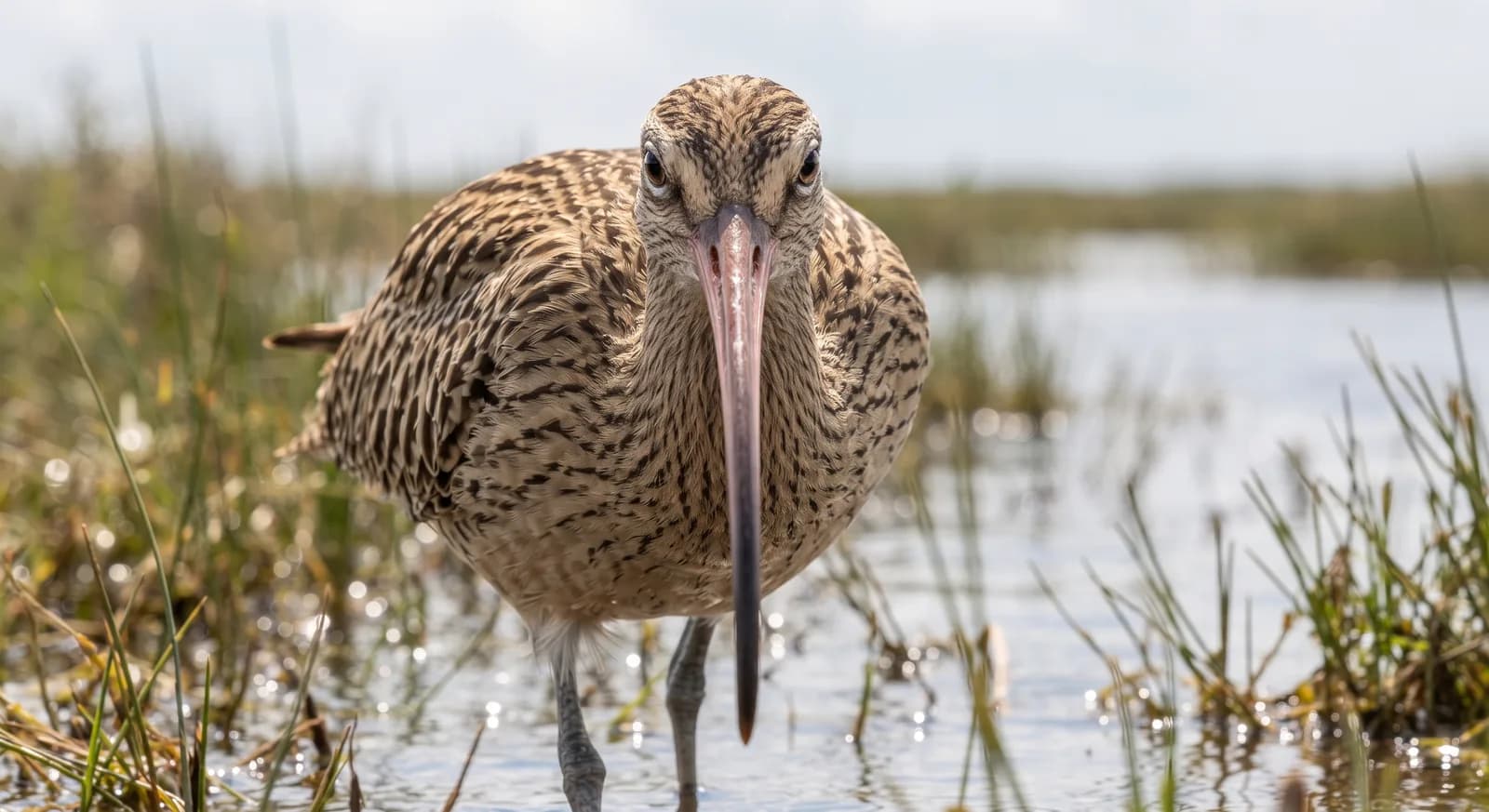
Eurasian Curlew
Numenius arquata
Black-tailed Godwit
Limosa limosa
 Near Threatened
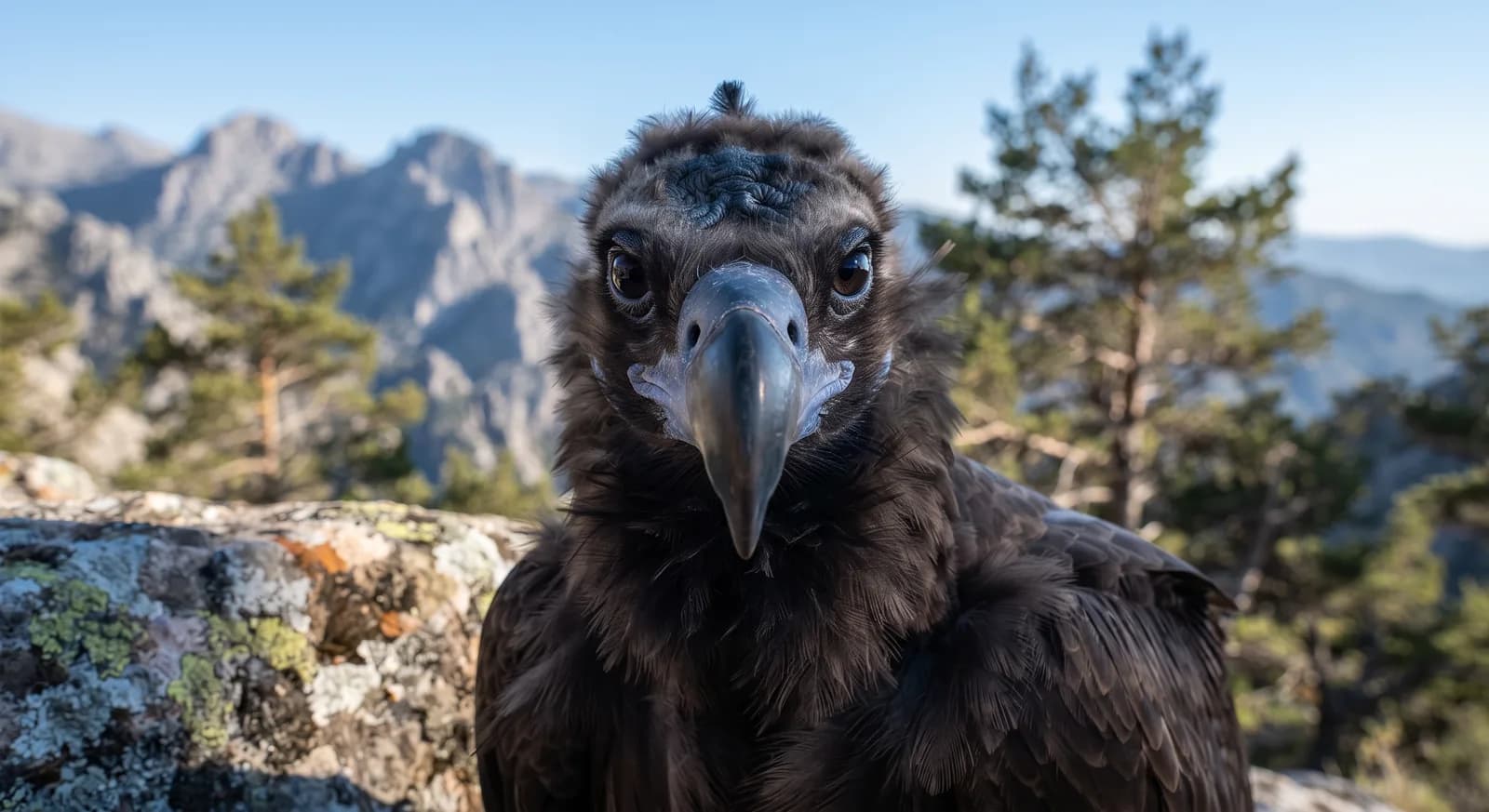
Cinereous Vulture
Aegypius monachus
Bearded Vulture
Gypaetus barbatus
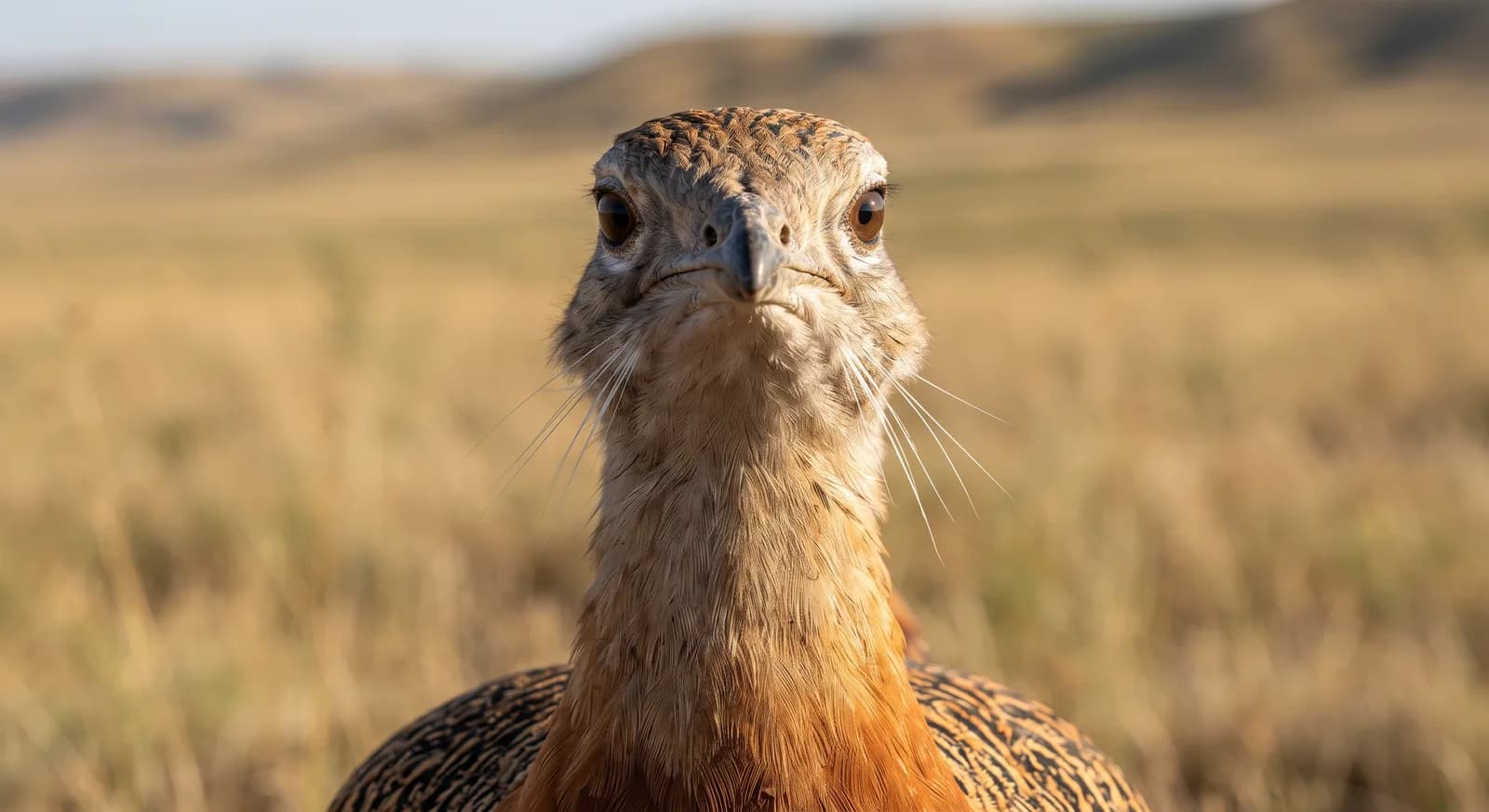 Near Threatened
Great Bustard
Otis tarda
Keep exploring
Based on what we already know about eurasian oystercatcher.
Comments
Share an experience, a fun fact or a tip for seeing the eurasian oystercatcher.
Be the first to comment.