One of the 3 bustards on WAnimals
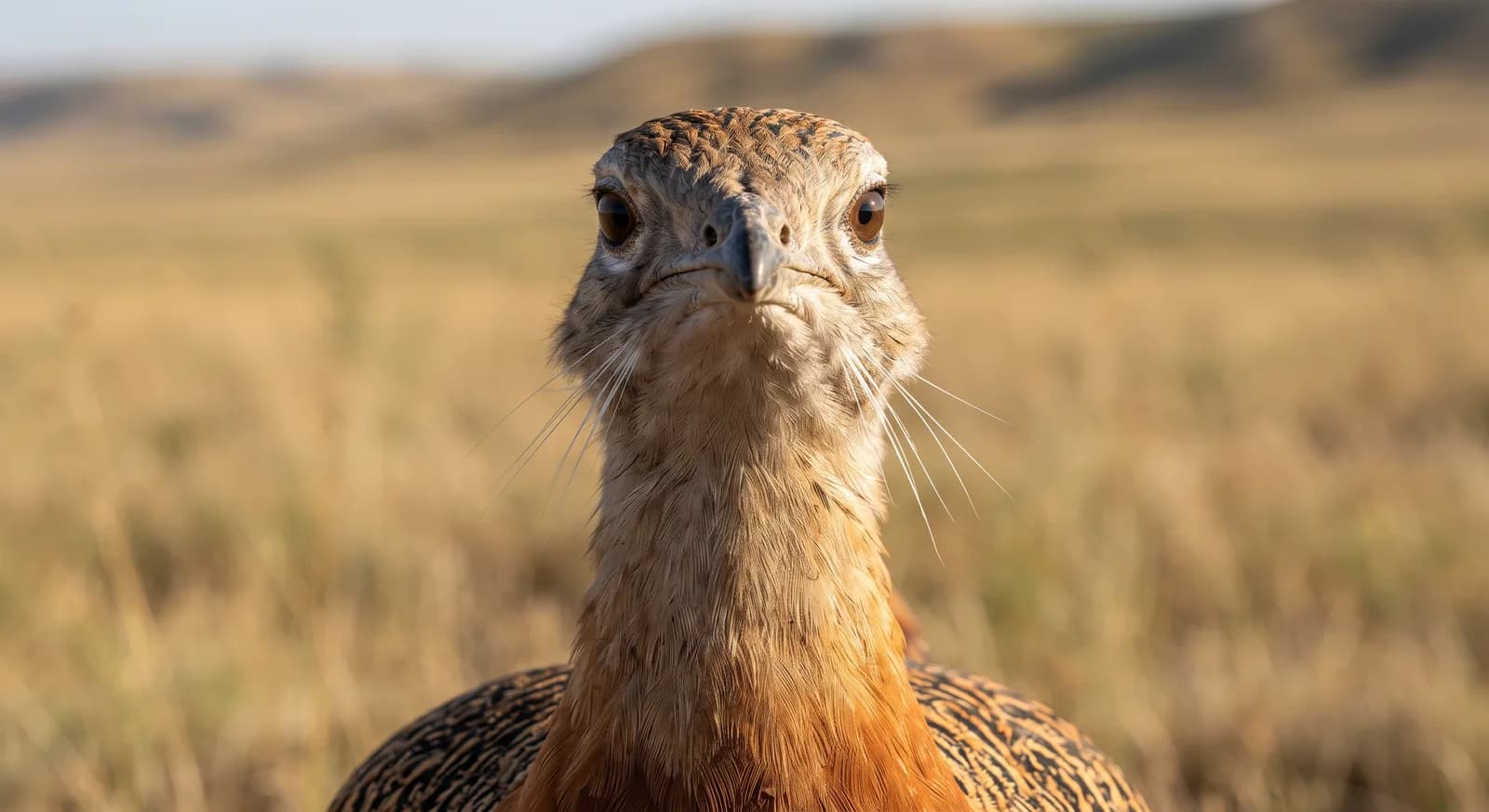
Birds · Otidiformes · Otididae
Great Bustard
Otis tarda
It could become endangered in the near future if current threats go unchecked. See full glossary
It is one of the heaviest flying birds in the world, with males weighing up to 18 kg. It also shows one of the greatest differences in weight between the sexes of any bird, males reaching twice the weight of females.
Weight
3.1 kg – 18 kg
Size
up to 1 m
Lifespan
12 years
Diet
Omnivore
Combines animal and plant food depending on availability.
Activity
Diurnal
Active mainly during the day.
Social structure
Herd
Lives in large groups as a strategy against predators.
Sighting difficulty
Moderate
Fun facts
- reproducciónIt is one of the heaviest flying birds in the world, and males perform a courtship display in which they all but turn their plumage inside out over their own bodies.
Life cycle & biology
- Skeleton type
- Vertebrate - pneumatised bony skeleton (bird)
- Habitat & environment
- Open steppe, grassland and low-intensity farmland of Europe and Central Asia
- Birth weight
- Exact weight not found as a precise figure
- Size at birth
- Precocial, with camouflaged down, able to move soon after hatching though unable to fly until 6-8 weeks
- Sexual maturity
- Female: 2-4 years | Male: 5-6 years
- Gestation / incubation
- 21-28 days
- Litter / clutch size
- 2 to 3 eggs per clutch
- Lifespan in captivity
- Documented record of up to 28.3 years in captivity
Sources consulted: AnAge; JungleDragon; Birda; Bird Spot; LIFE EUROBUSTARD; Animalia.bio; Birds of the World; eBird; Springer
Where to find it
See its range on the interactive mapWhere to watch it
Parques y spots de buceo donde se ha documentado esta especie — se muestran 10 de 27 documentados.
Related species
Other species in the catalogue with the most in common with Great Bustard — same habitat, park, country, tags or family.
Little Bustard
Tetrax tetrax
 Near Threatened
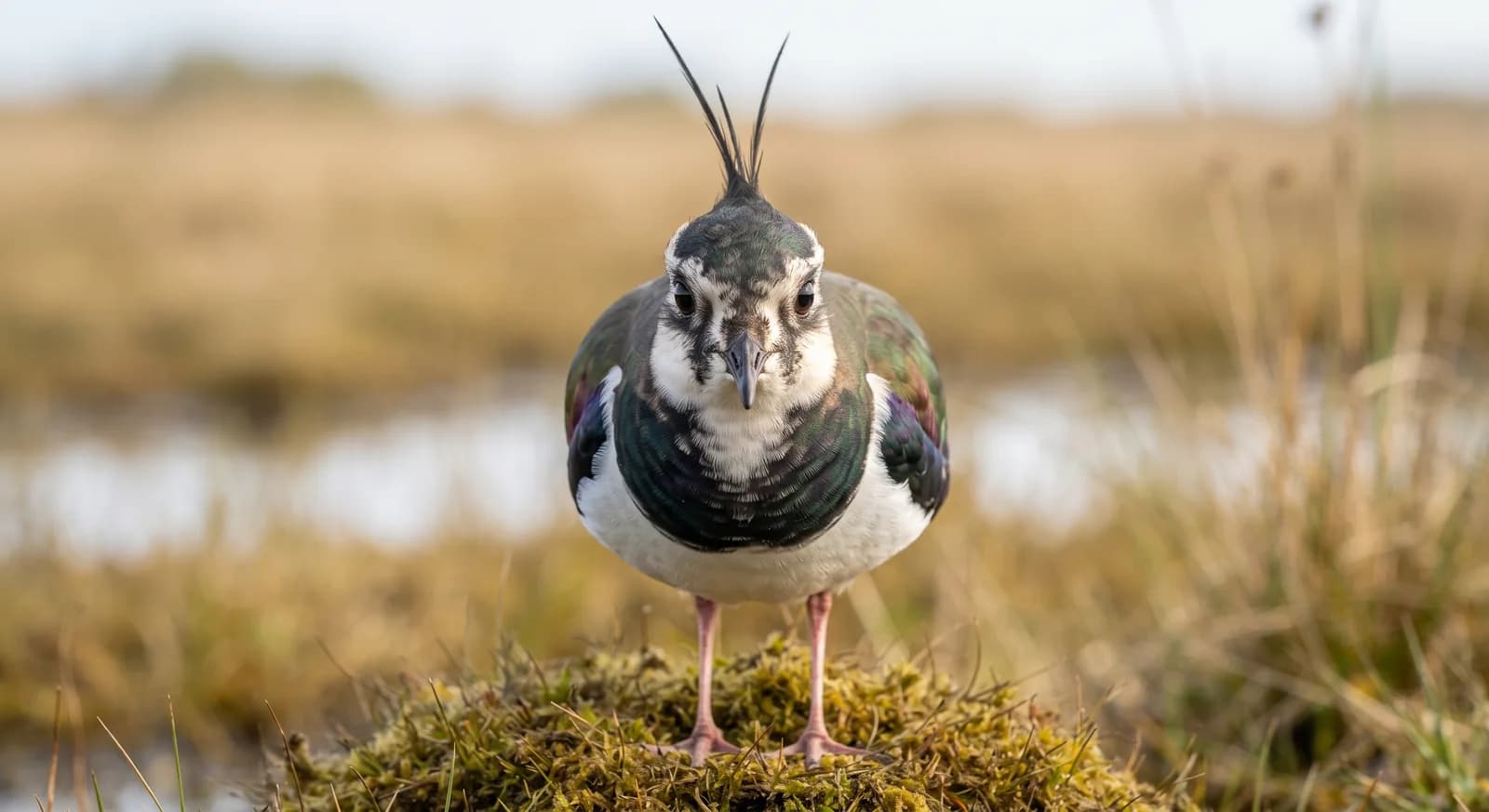
Northern Lapwing
Vanellus vanellus
Saiga
Saiga tatarica
Black-tailed Godwit
Limosa limosa
Siberian Ibex
Capra sibirica
Dartford Warbler
Curruca undata
Keep exploring
Based on what we already know about great bustard.
Comments
Share an experience, a fun fact or a tip for seeing the great bustard.
Be the first to comment.