Birds · Charadriiformes · Scolopacidae
Black-tailed Godwit
Limosa limosa
It could become endangered in the near future if current threats go unchecked. See full glossary
A large wader of upright bearing, with a slender neck, long legs and a very long, straight bill, orange at the base and black at the tip, longer still in the female. In flight it shows a broad white wing bar, a white rump and a strongly marked black terminal band on the tail.
Weight
264 g – 315 g
Size
37 cm – 44 cm
Lifespan
12 years
Diet
Carnivore
Feeds mainly on other animals.
Activity
Diurnal
Active mainly during the day.
Social structure
Colony
Lives in large concentrations, often for breeding reasons.
Sighting difficulty
Moderate
Estimated population
The world population is estimated at between 634,000 and 805,000 birds. The European population has gone from some 120,000 pairs to fewer than 46,000
Fun facts
- conservaciónIt is in marked decline across Europe as farming intensifies on the wet meadows where it traditionally breeds, which has cut its nesting success sharply.
- Practically the whole population that winters in Africa stops over at Doñana on its way back to the breeding grounds; Veta la Palma and the nearby rice fields can hold in January 23% of the total of the East Atlantic Flyway.
- Doñana has become the main European wintering area, displacing Africa, a change tied to extensive fish farming and to the winter use of the rice fields.
- European youngsters stay on in Africa after their first winter and do not return until they are two.
Life cycle & biology
- Skeleton type
- Vertebrate - internal bony skeleton (bird)
- Habitat & environment
- In winter and on migration it occupies rice fields, coastal saltpans, marshes, saltmarsh and estuaries. It breeds in damp meadows of tall grass and soft ground, peat bogs and wet steppe depressions of northern and central Europe
- Birth weight
- Precocial: born covered in down and leaves the nest within a few hours
- Size at birth
- Precocial: born covered in down and leaves the nest within a few hours
- Sexual maturity
- 2 years
- Gestation / incubation
- 22-24 days of incubation
- Litter / clutch size
- 3-4 eggs in a small scrape on the ground among the vegetation, from May to July
Sources consulted: SEO/BirdLife (ficha y III Atlas de las aves en época de reproducción en España); IUCN Red List; Asturnatura; Márquez Ferrando et al. 2014; Masero et al. 2011, Ardeola; Navedo, Masero y Juanes 2007, Ardeola 54(2); Acuerdo AEWA; Estación Biológica de Doñana (CSIC)
Where to find it
See its range on the interactive mapBest time: From November to March in the rice fields and saltpans of the south, peaking in January in Doñana
Where to watch it
Parques y spots de buceo donde se ha documentado esta especie — se muestran 10 de 28 documentados.
Related species
Other species in the catalogue with the most in common with Black-tailed Godwit — same habitat, park, country, tags or family.
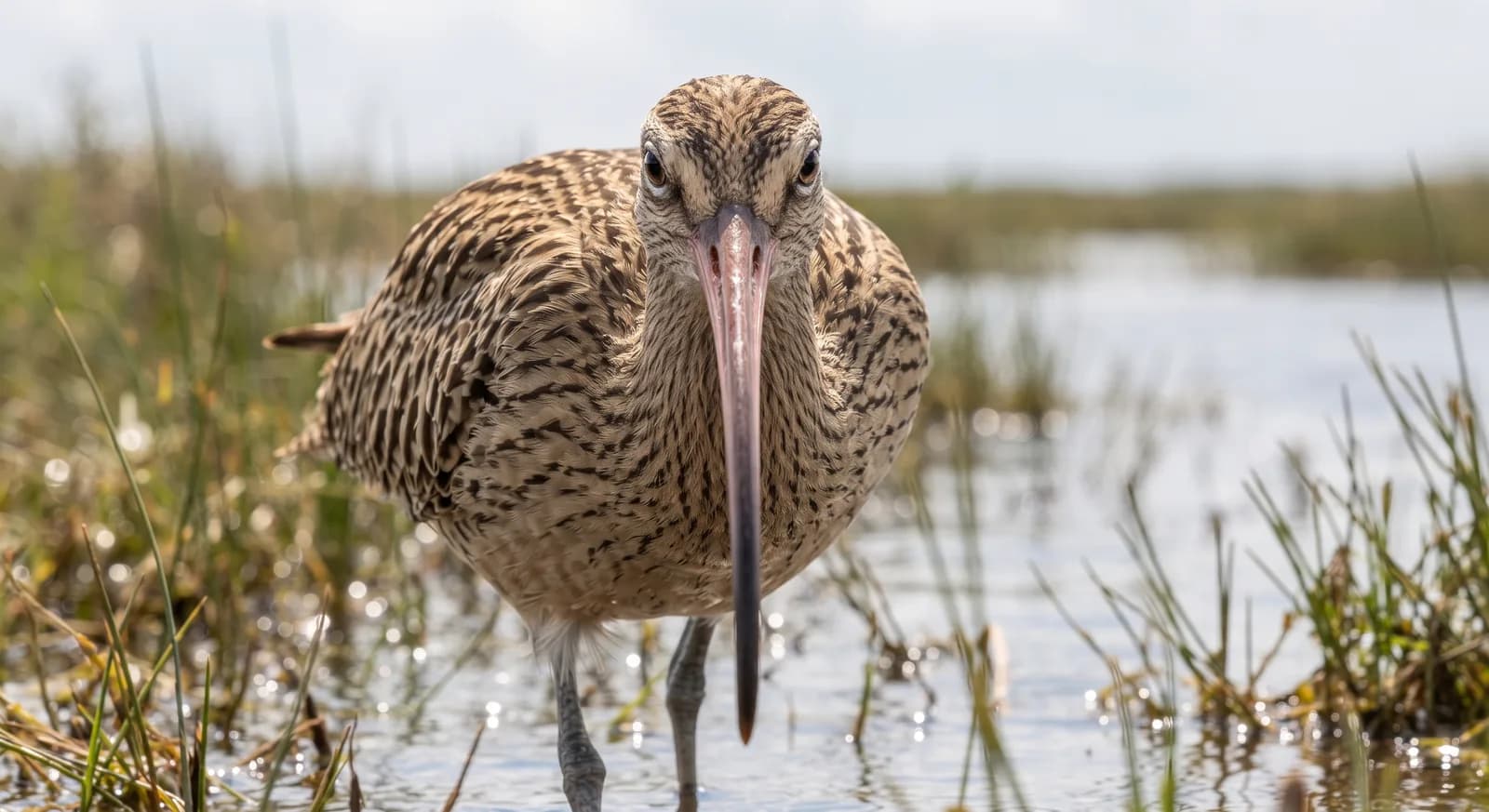 Near Threatened
Eurasian Curlew
Numenius arquata
Common Redshank
Tringa totanus
Ruff
Calidris pugnax
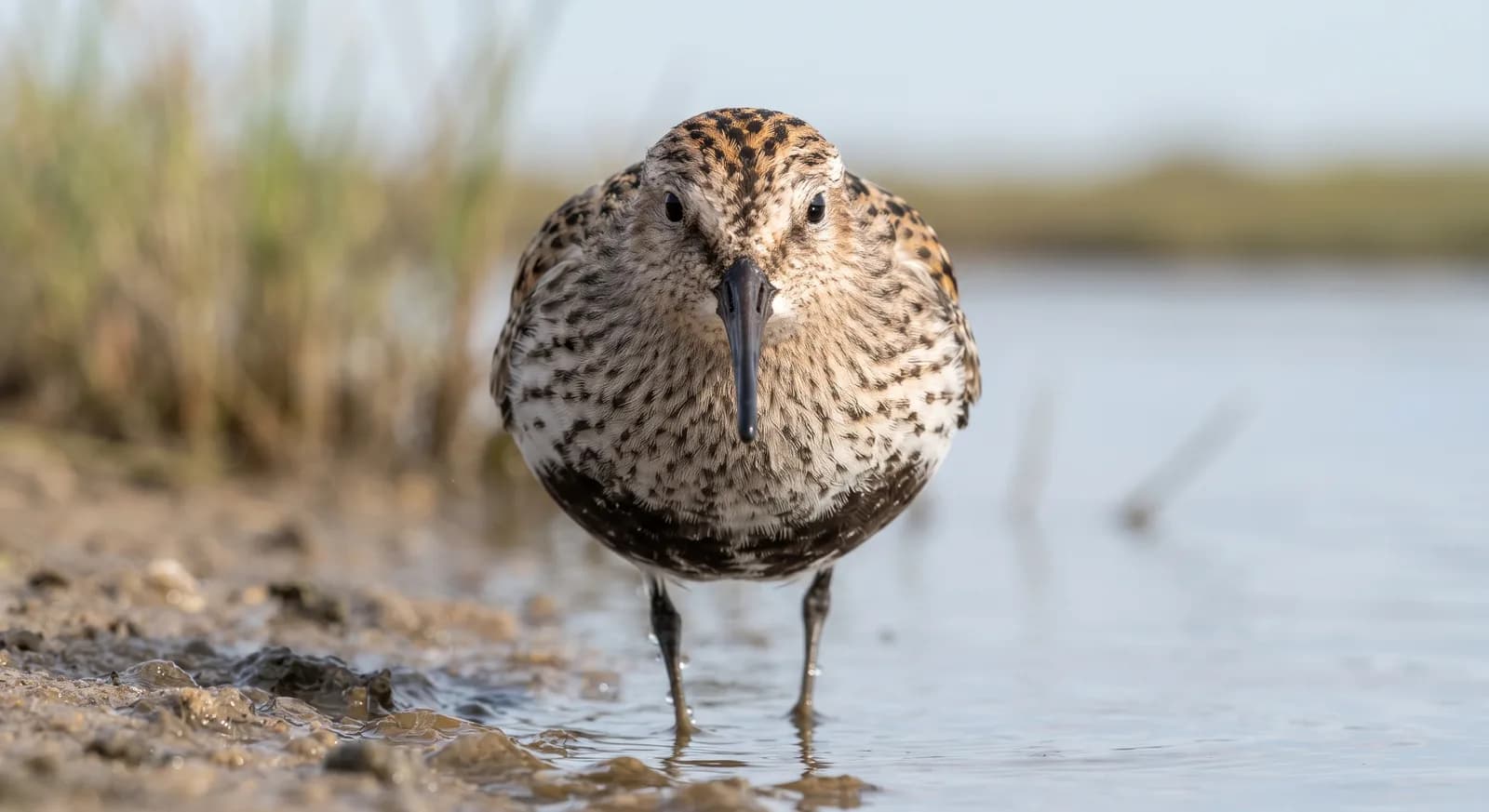 Least Concern
Dunlin
Calidris alpina
Common Greenshank
Tringa nebularia
Whimbrel
Numenius phaeopus
Keep exploring
Based on what we already know about black-tailed godwit.
Comments
Share an experience, a fun fact or a tip for seeing the black-tailed godwit.
Be the first to comment.