One of the 2 shanks on WAnimals
Birds · Charadriiformes · Scolopacidae
Common Greenshank
Tringa nebularia
The species is abundant and widely distributed; it faces no significant short-term risk. See full glossary
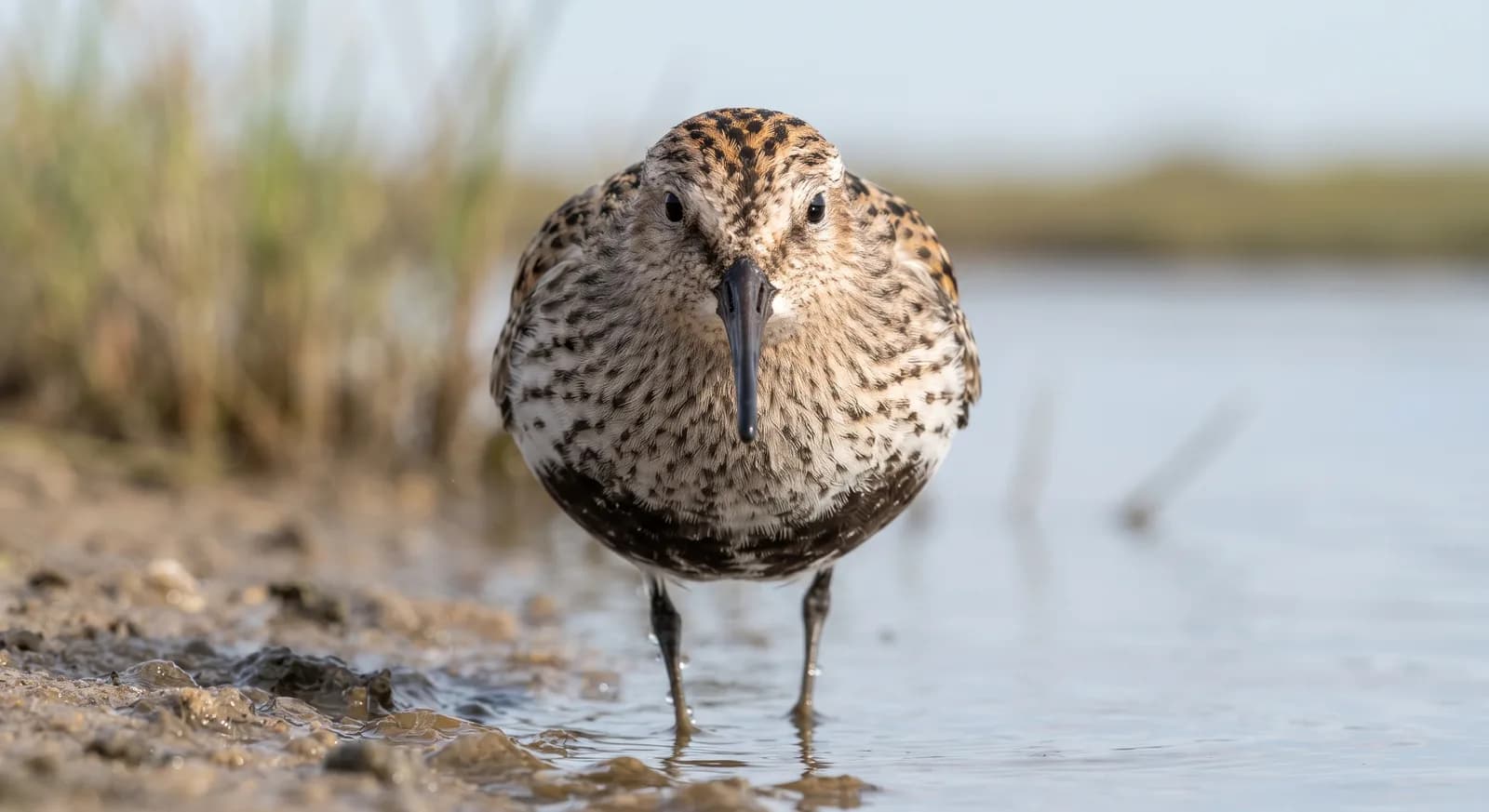
The common greenshank is a slender, pale wader with greenish legs and a long bill slightly upturned at the tip. It breeds in the peat bogs of the taiga in Scandinavia and Siberia and spends the winter in marshes and estuaries of Africa, Asia and southern Europe, including the Spanish coast. It actively chases small fish and crustaceans by running through shallow water, a more dynamic style of hunting than that of most waders.
Weight
125 g – 290 g
Size
30 cm – 35 cm
Lifespan
17 years
Diet
Carnivore
Feeds mainly on other animals.
Activity
Diurnal
Active mainly during the day.
Social structure
Solitary
Lives and hunts alone, joining others only to breed.
Sighting difficulty
Easy
Fun facts
- GeneralIt runs through the shallows after small fish with its bill open.
- It hunts on the run: instead of probing the mud like other waders, it chases fry and shrimp through shallow water in zigzag dashes, sometimes sweeping the water sideways with its bill.
- Its fluting three-syllable call is one of the most characteristic sounds of the Spanish marshes in winter, and usually gives it away before it is seen.
- It breeds in taiga peat bogs thousands of kilometres away and turns up in the saltpans of southern Spain from July, as soon as the breeding season is over.
Life cycle & biology
- Skeleton type
- Vertebrate - internal bony skeleton (bird)
- Habitat & environment
- Boreal peat bogs; saltmarsh and salt pans in winter
- Birth weight
- Precocial: born covered in down and leaves the nest within a few hours
- Size at birth
- Precocial: born covered in down and leaves the nest within a few hours
- Sexual maturity
- 12 months
- Gestation / incubation
- 24 days of incubation
- Litter / clutch size
- 4 eggs
Sources consulted: https://es.wikipedia.org/wiki/Tringa_nebularia
Where to find it
See its range on the interactive mapBest time: From August to April in Iberian marshes, saltpans and rice fields; it is easily detected by its loud, repeated three-note call.
Where to watch it
Parques y spots de buceo donde se ha documentado esta especie — se muestran 10 de 61 documentados.
Related species
Other species in the catalogue with the most in common with Common Greenshank — same habitat, park, country, tags or family.
Whimbrel
Numenius phaeopus
Common Redshank
Tringa totanus
Sanderling
Calidris alba
Ruff
Calidris pugnax
 Least Concern
Dunlin
Calidris alpina
Common Sandpiper
Actitis hypoleucos
Keep exploring
Based on what we already know about common greenshank.
Comments
Share an experience, a fun fact or a tip for seeing the common greenshank.
Be the first to comment.