Micronesia
Oceanía
The Federated States of Micronesia bring together more than six hundred islands spread across four states along almost three thousand kilometres of ocean. Pohnpei, mountainous and volcanic, is one of the rainiest places on the planet and keeps cloud forest on its summits, with plant species and birds that exist on no other island. Kosrae holds exceptionally well-preserved mangroves and reefs under little fishing pressure. Chuuk encloses an immense lagoon shut in by a coral barrier, on whose floor rests a fleet sunk during the Second World War that has become an artificial reef colonised by soft corals and fish. Yap, to the west, is famous for its waters and for its enormous stone discs traditionally used as money.
The nature of Micronesia
National animal: No official national animal
Did you know?
The waters of Yap hold a resident population of reef mantas that does not migrate and that comes every day to particular points on the reef known as cleaning stations, where small wrasse take on the job of removing their parasites and dead skin. Researchers have spent decades identifying individuals by the unique pattern of spots on their bellies, which has made it possible to follow the lives of particular animals for more than thirty years.
Biodiversity profile
Climate
- •Tropical de selva lluviosa (Af), calido y humedo todo el año, con alta pluviosidad en islas altas (Pohnpei, Chuuk, Kosrae, Yap)
Main biomes
- •Bosque tropical humedo en islas altas volcanicas
- •Vegetacion de atolon en islas bajas coralinas
- •Manglares extensos
- •Selva de niebla insular
- •Arrecife de coral
- •Laguna de barrera
- •Manglar costero
- •Isla volcánica alta
- •Atolón coralino
- •Pecio convertido en arrecife
Marine and coastal ecosystems
- •Arrecifes de coral y lagunas (parte del Triangulo de Coral en sentido amplio de biodiversidad del Pacifico occidental)
- •Atolones biologicamente diversos como And Atoll (Pohnpei), con 13 especies de reptiles, 25 de aves y 7 mamiferos registrados
Flagship wildlife
- •Tortuga marina verde y carey
- •Aves marinas y terrestres endemicas de cada estado insular
- •Murcielagos fructivoros
- •Manta de arrecife
- •Tortuga verde
- •Tortuga carey
- •Zorro volador de las Marianas
- •Megápodo de Micronesia
- •Tiburón de puntas grises
- •Pez napoleón
- •Cangrejo de los cocoteros
- •Delfín girador
- •Nautilo
Notable endemic species
- •Alto grado de endemismo insular distribuido entre los cuatro estados (Yap, Chuuk, Pohnpei, Kosrae), cada uno con especies propias de aves y plantas
- •Estornino de Pohnpei
- •Cárabo de Pohnpei
- •Carricero de Nauru y Micronesia
- •Salangana de Micronesia
Notable threatened species
- •Dato no disponible con precision agregada a nivel nacional en fuentes consultadas; ver fichas de especies individuales
Notable protected areas
- •And Atoll Biosphere Reserve (Pohnpei)
- •Laguna de Chuuk
- •Parque de la Selva de Pohnpei
- •Manglares de Kosrae
- •Arrecifes de Yap
- •Atolón de Ant
- •Ruinas de Nan Madol
Main conservation threats
- •Invasion de la hormiga de fuego (little red fire ant)
- •Especies invasoras en general
- •Subida del nivel del mar en atolones bajos
- •Perdida de habitat costero
Notable natural phenomena
- •Parte del Hotspot de Biodiversidad Polinesia-Micronesia, uno de los mas amenazados del planeta (solo ~21% de vegetacion original en estado prístino)
Conservation
The regional Micronesia Challenge initiative committed the countries and territories of the region to protecting a significant percentage of their marine and terrestrial resources. The mangroves of Kosrae are among the best preserved in the Pacific and shield the coast from storms.
Where and when to watch wildlife
Yap between December and April for mantas at the cleaning stations. Chuuk year-round for wrecks colonised by coral. Pohnpei in the less rainy season for endemic highland birds.
Micronesia (FSM) es una federacion de 4 estados con ecosistemas notablemente distintos entre si; los datos agregados nacionales son limitados en las fuentes consultadas.
Sources: One Earth - Eastern Micronesia Tropical Moist Forests | Wikipedia - And Atoll Biosphere Reserve | CEPF - Polynesia-Micronesia Hotspot
Diving and snorkelling
Chuuk Lagoon (Truk Lagoon)
An atoll of 245 islands that was Japan's largest naval base in the Pacific. On 17 and 18 February 1944 the American Task Force 58 launched Operation Hailstone, sinking more than forty ships and destroying more than 250 aircraft. More than sixty wrecks lie on the lagoon floor today, most of them between 30 and 60 m and many practically intact.
View dive siteWreckFujikawa Maru (Chuuk)
An armed freighter sunk during Operation Hailstone and the most visited wreck in the lagoon. Her five holds contain the remains of dismantled Zero fighters, ammunition and war materiel. The engine room, amidships, runs over three levels and is the highlight of the dive.
View dive siteCleaning stationYap (mantarrayas residentes)
One of the few islands in the world with guaranteed manta ray sightings all year round.
View dive sitePaíses similares
¿A dónde más podría interesarme viajar?
Misma región: Oceanía
Misma región: Oceanía
Misma región: Oceanía
Misma región: Oceanía
Especies documentadas en Micronesia
132 species found
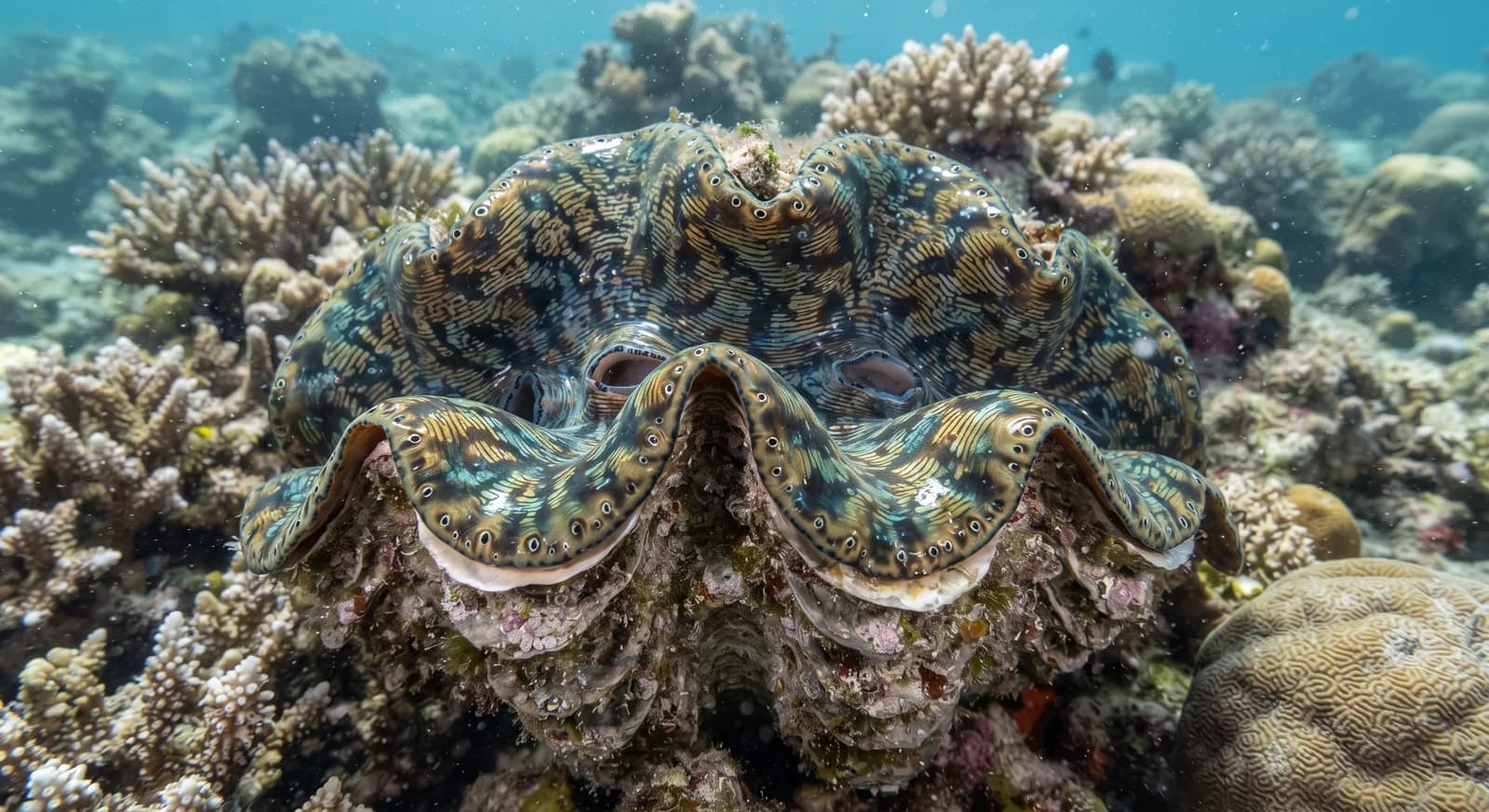 Critically Endangered
Giant Clam
Tridacna gigas
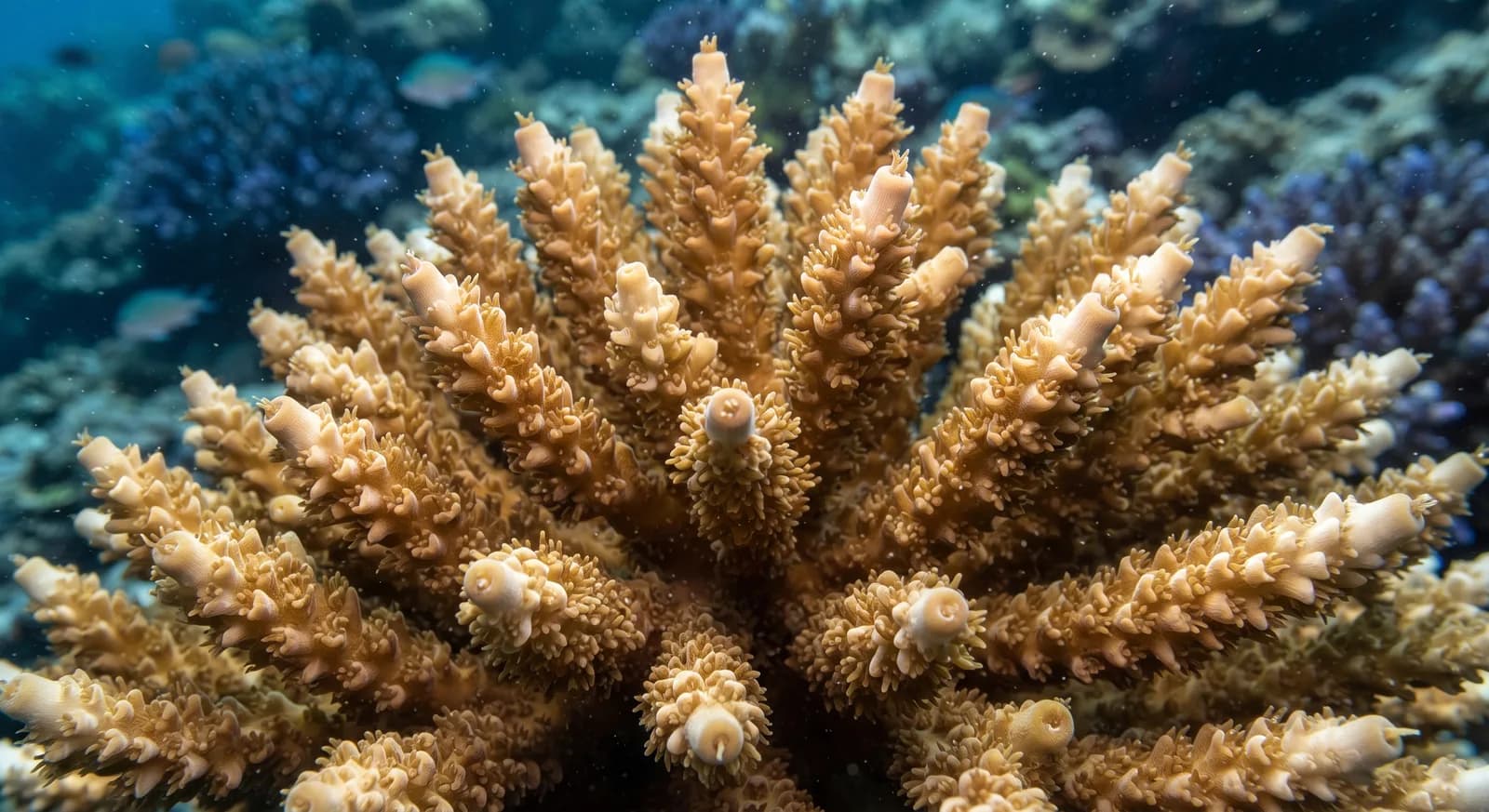 Critically Endangered
Staghorn Coral
Acropora cervicornis
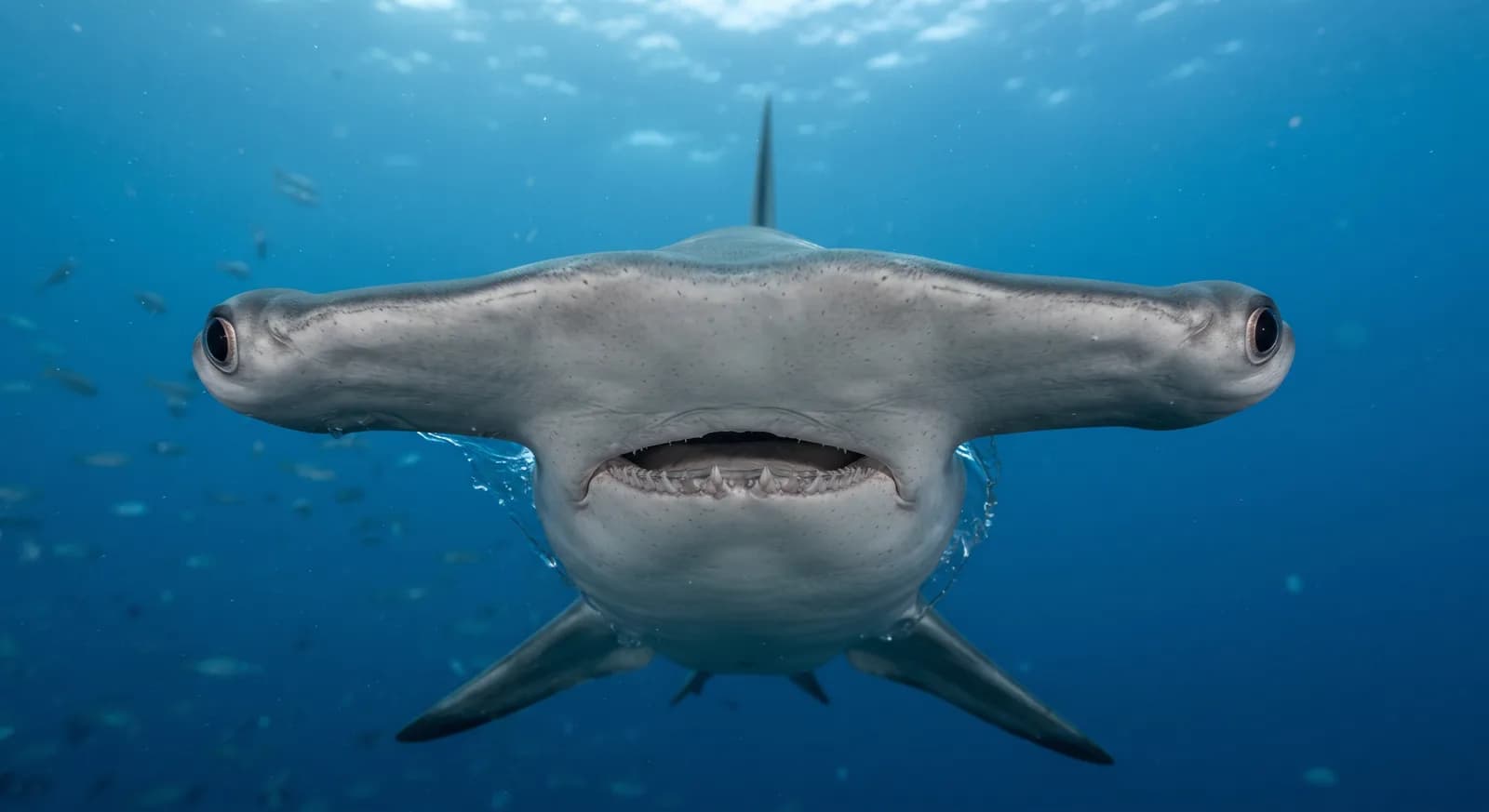 Critically Endangered
Great Hammerhead
Sphyrna mokarran
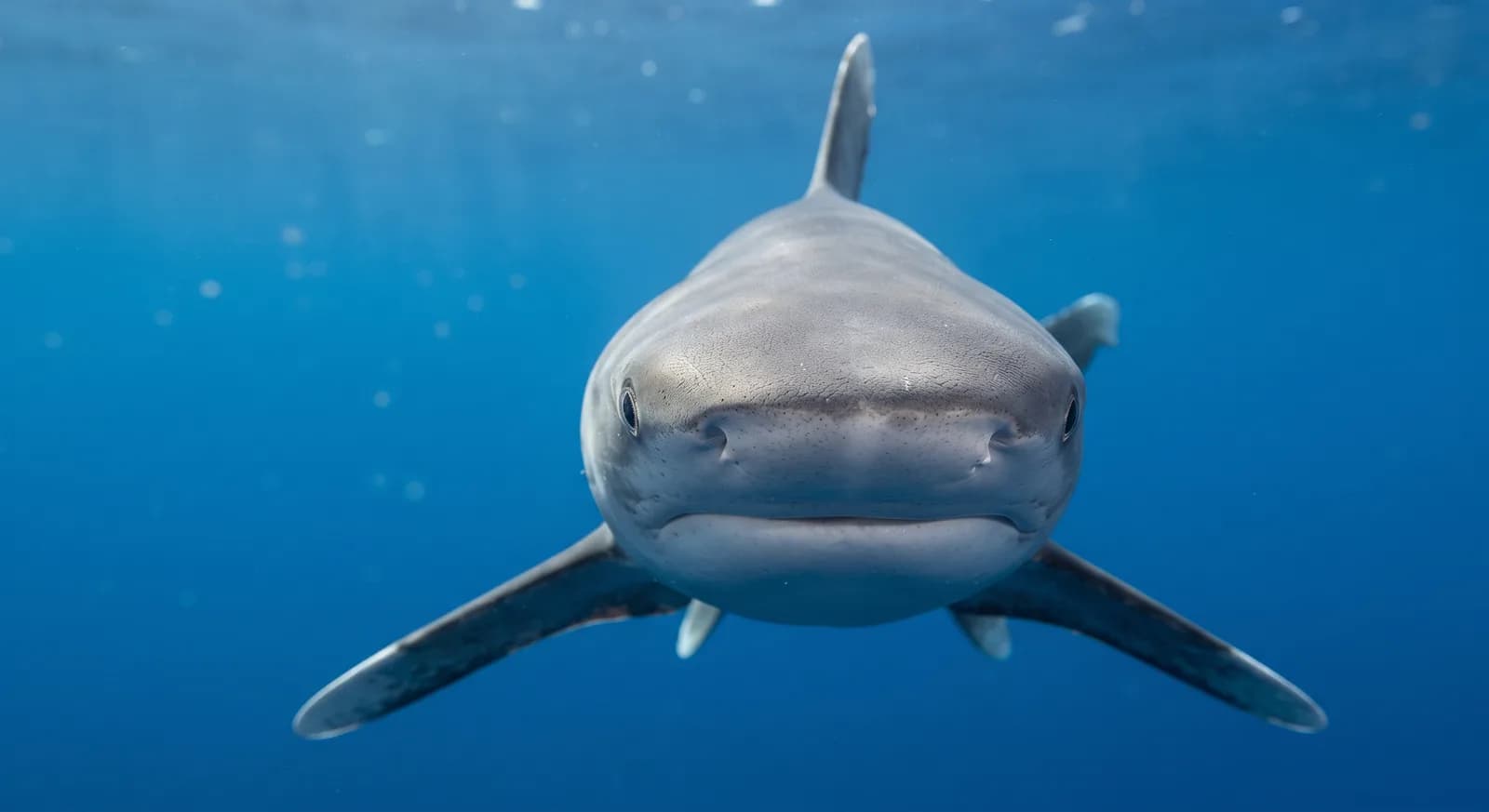 Critically Endangered
Oceanic Whitetip Shark
Carcharhinus longimanus
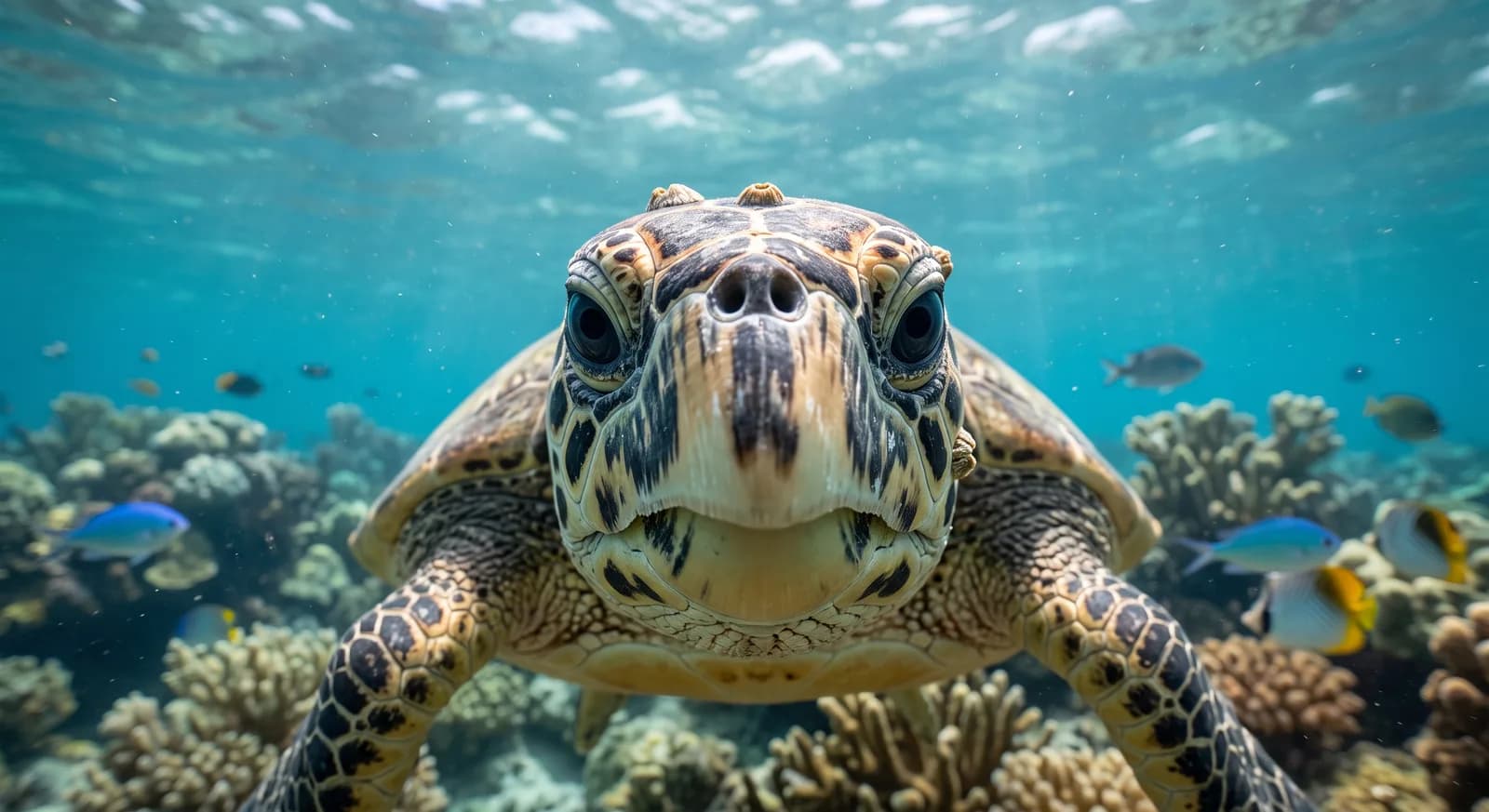 Critically Endangered
Hawksbill Turtle
Eretmochelys imbricata
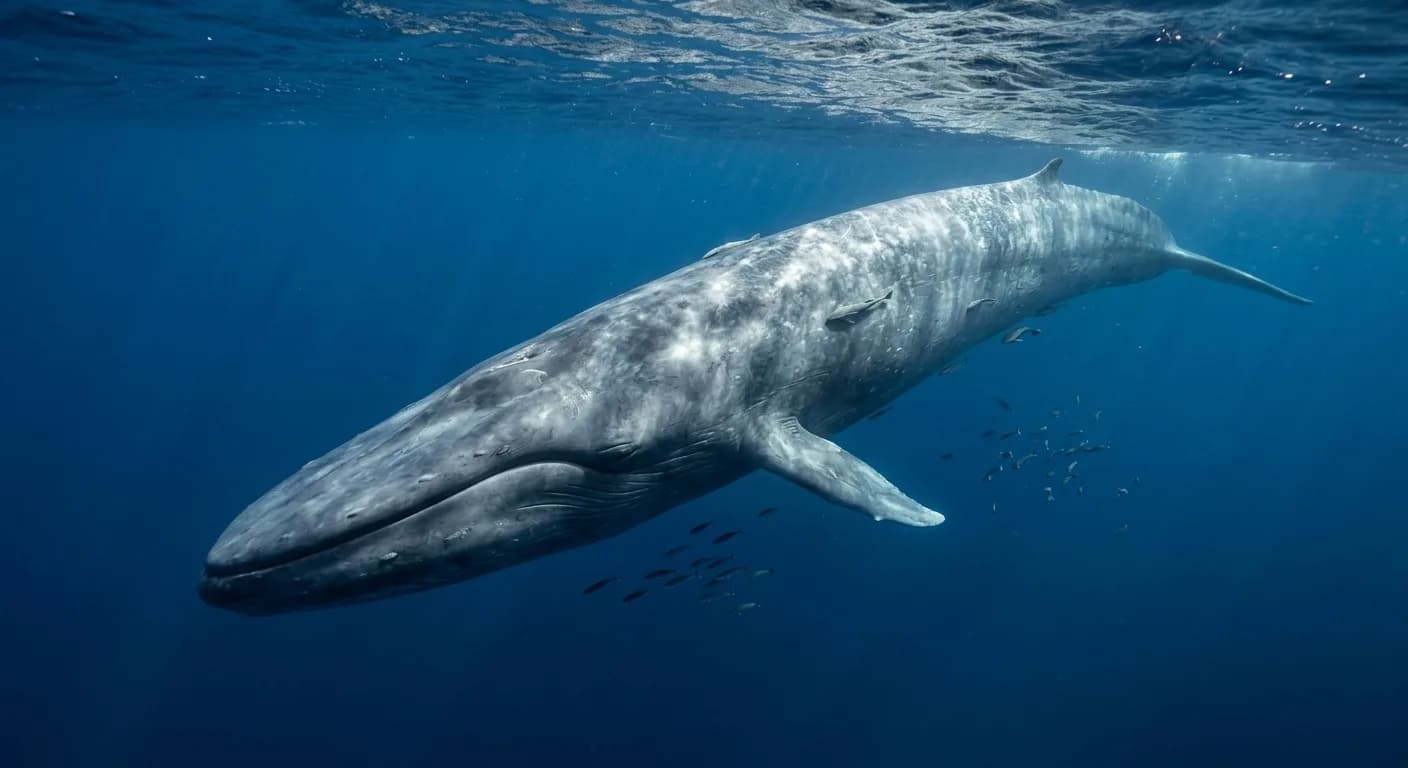 Endangered
Blue Whale
Balaenoptera musculus
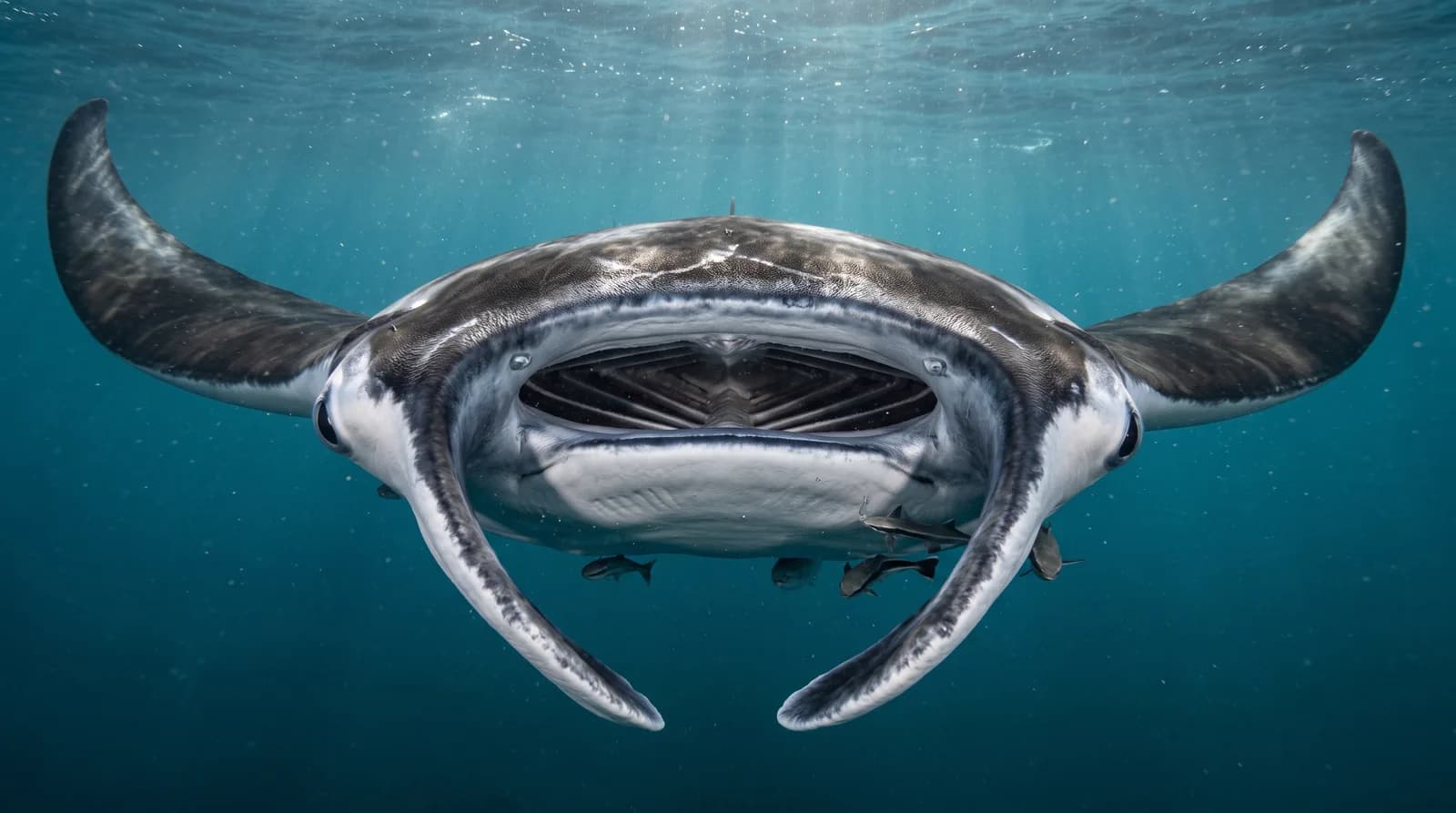 Endangered
Giant Manta
Mobula birostris
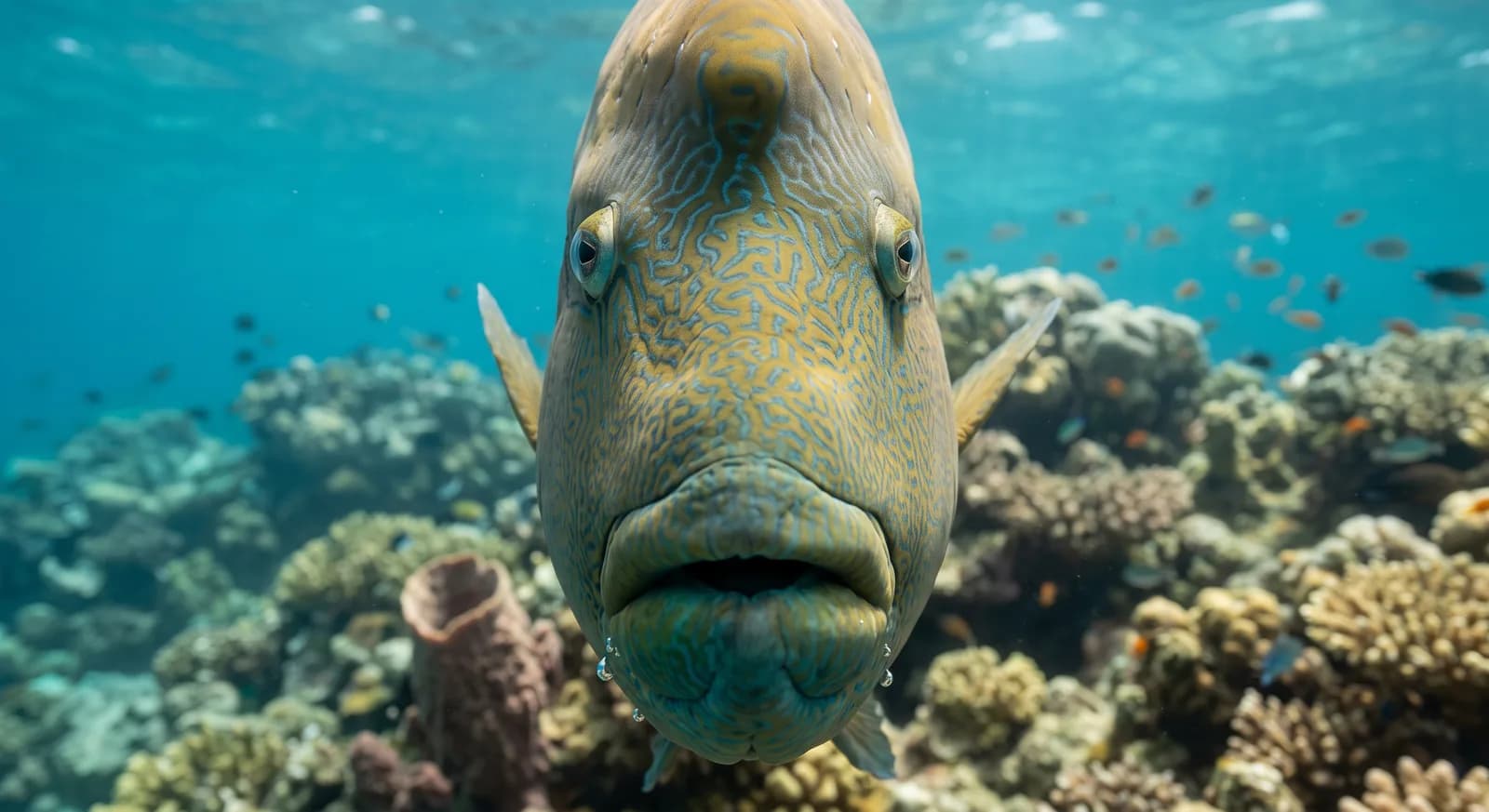 Endangered
Humphead Wrasse
Cheilinus undulatus
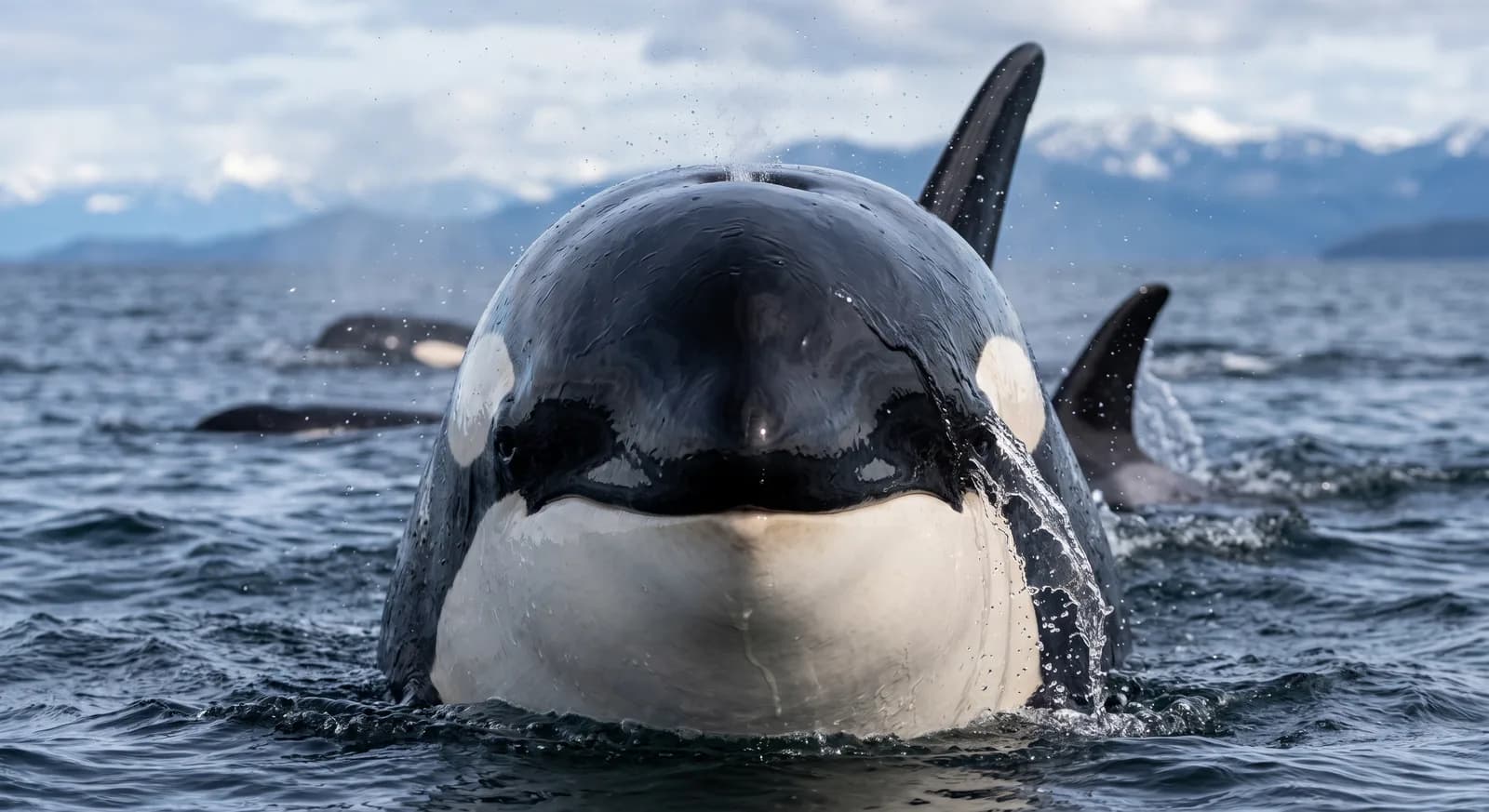 Endangered
Killer Whale
Orcinus orca
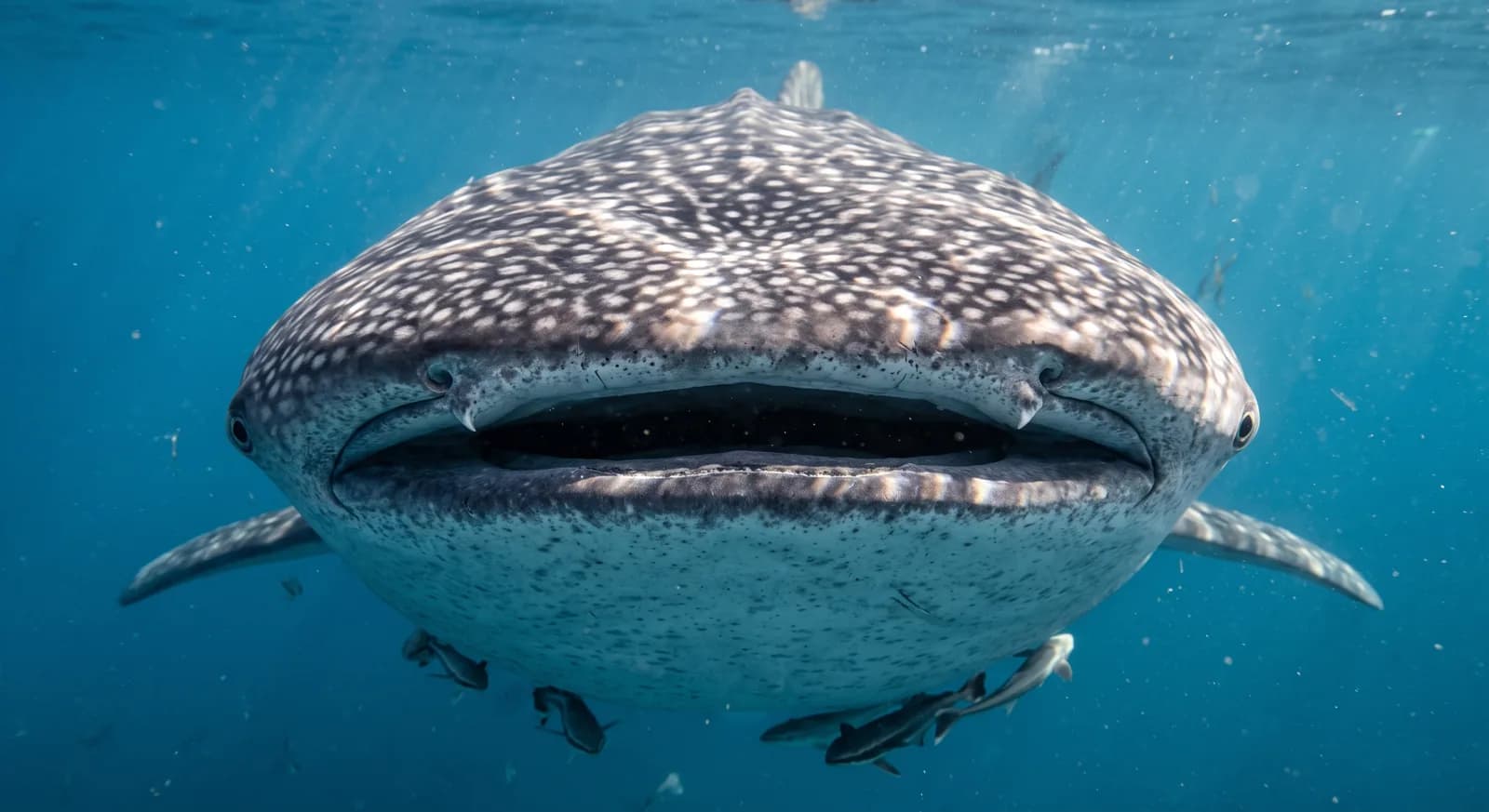 Endangered
Whale Shark
Rhincodon typus
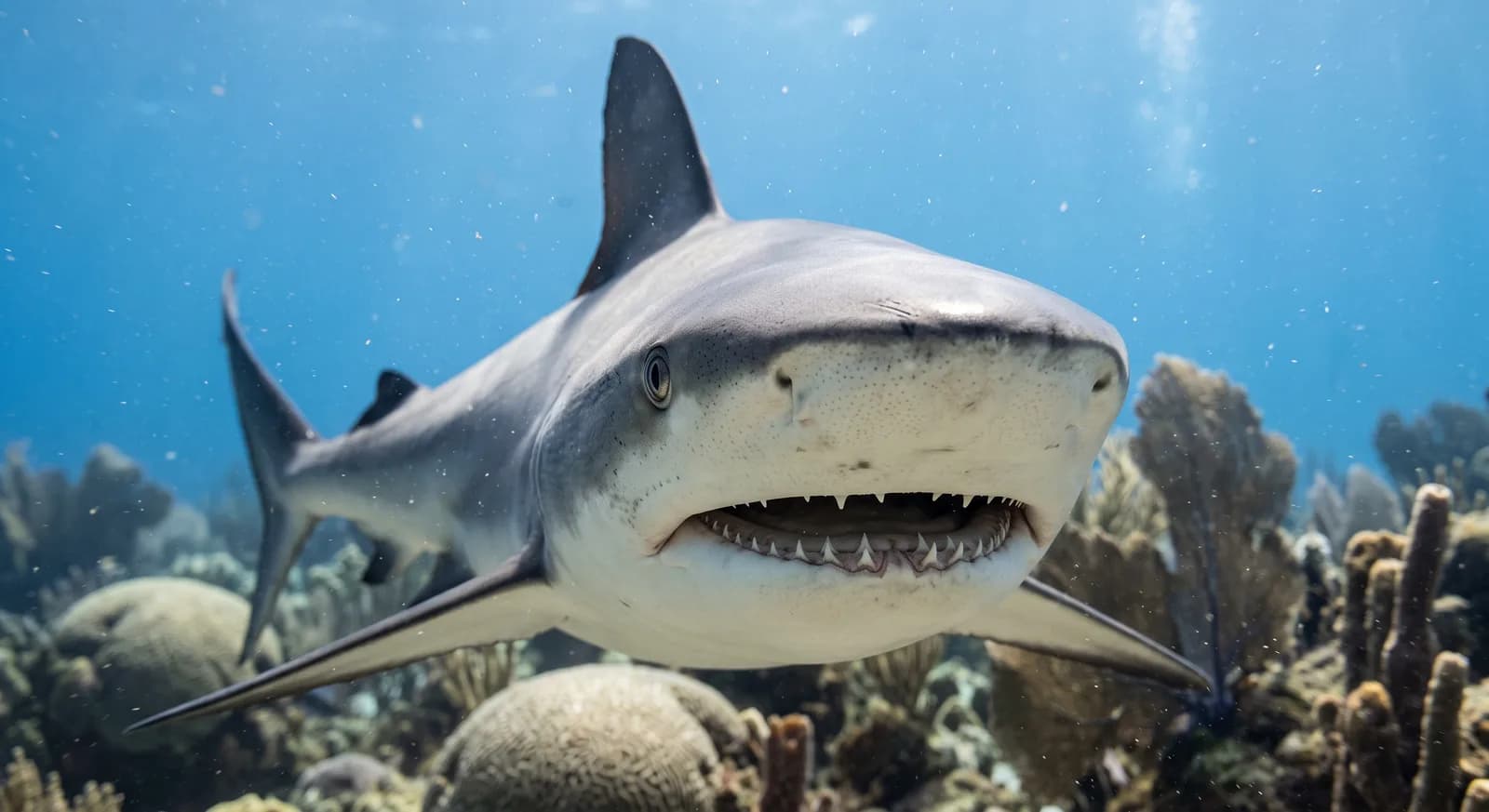 Endangered
Grey Reef Shark
Carcharhinus amblyrhynchos
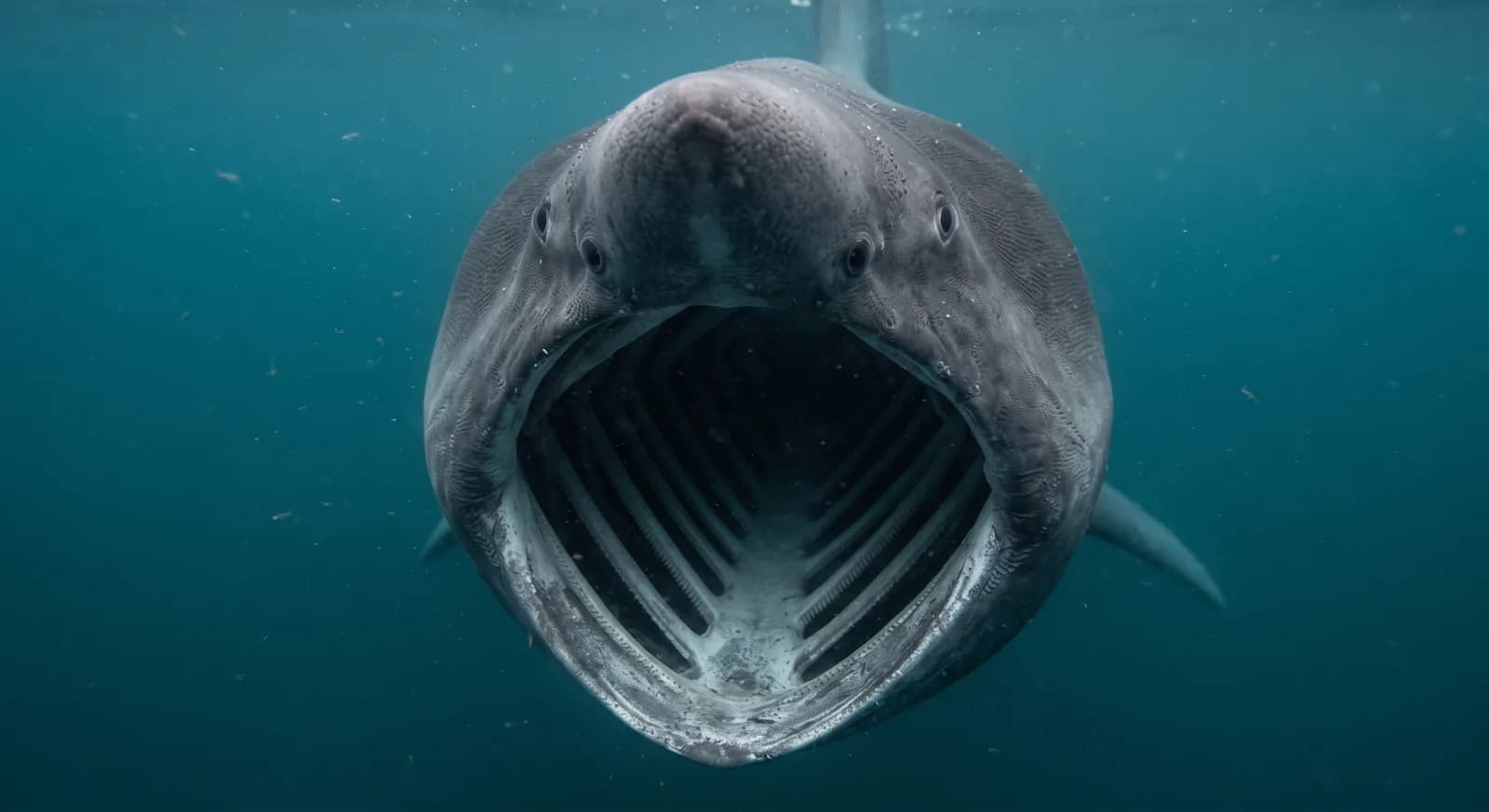 Endangered
Basking Shark
Cetorhinus maximus
Keep exploring
Based on what we already know about Micronesia.