One of the 2 manta rays on WAnimals
Cartilaginous fish · Myliobatiformes · Mobulidae
Reef Manta Ray
Mobula alfredi
It faces a high risk of extinction in the wild over the medium term. See full glossary
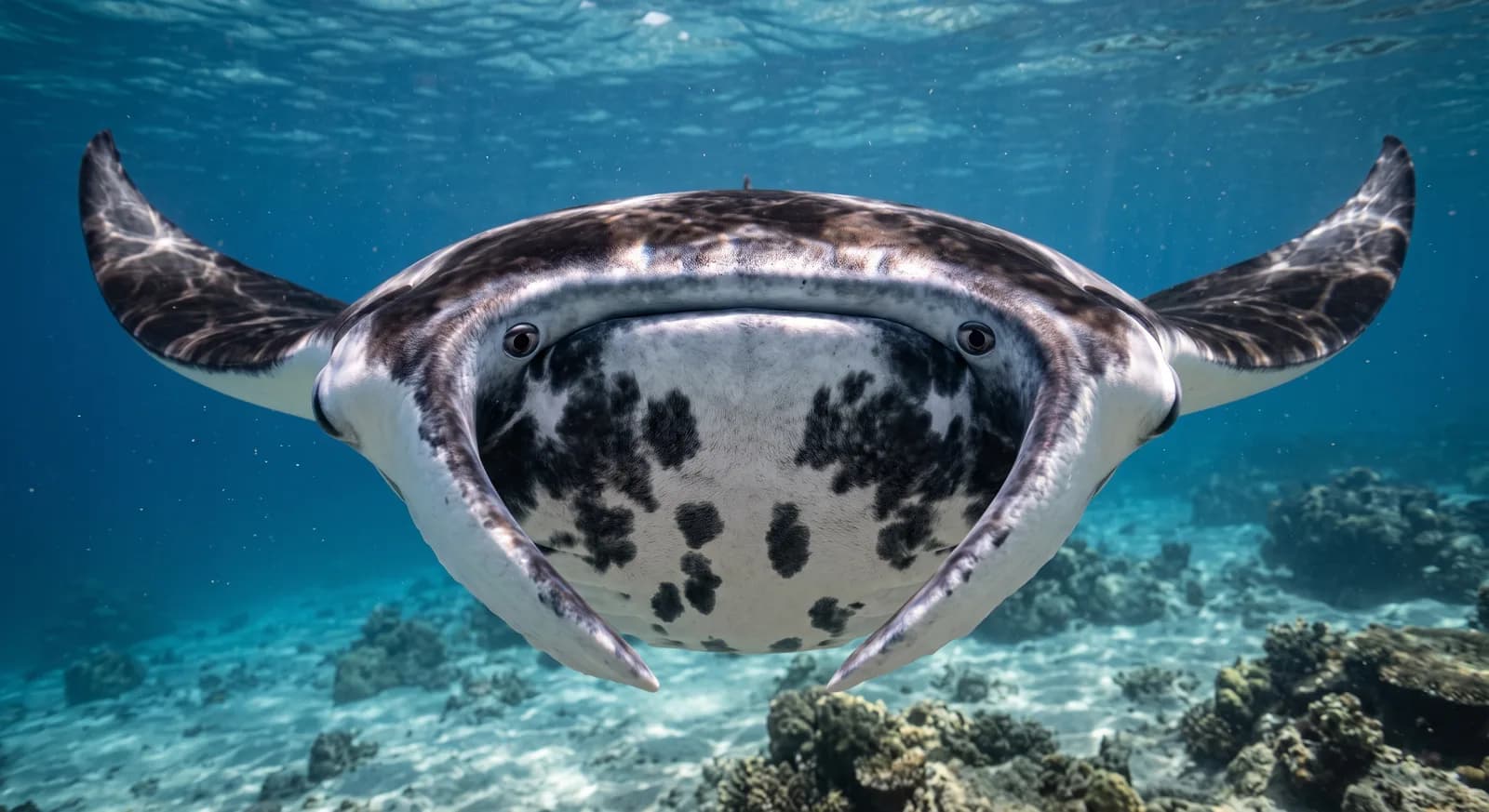
A large ray with a diamond-shaped disc formed by the fused pectoral fins, cephalic lobes on either side of the mouth that funnel water in while filter feeding, and a long tail with no caudal spine. The ventral markings are unique to each individual and work like a fingerprint.
Weight
700 kg on average
Size
3 m – 5.5 m
Lifespan
45 years
Activity
Diurnal
Active mainly during the day.
Sighting difficulty
Moderate
Estimated population
No global estimate. Local populations are usually below 1,000 individuals, except in the Maldives, with some 10,000. A global reduction of 30-49% over three generations (about 72 years) is inferred
Fun facts
- The dark markings on its belly are unique to each individual and identify it like a fingerprint.
- In New Caledonia an individual has been recorded descending to 672 m in search of food.
- Its generation length is estimated at 24 years, which means a depleted population takes decades to recover.
Life cycle & biology
- Skeleton type
- Vertebrate - cartilaginous skeleton (chondrichthyan)
- Habitat & environment
- Tropical and subtropical waters of the Indian Ocean and the western Pacific, associated with coastal reefs, oceanic islands and upwelling areas; from the surface down to 432 m
- Size at birth
- 130-150 cm of disc width; the pup is born with its fins folded over its body
- Sexual maturity
- Males: 3-13 years (270-300 cm disc width) | Females: 8-17 years (300-350 cm)
- Gestation / incubation
- 12-13 months. It is aplacental viviparous: the embryo feeds first on the yolk sac and then on uterine secretions rich in lipids and proteins
- Litter / clutch size
- 1 pup per litter (exceptionally 2), averaging only 1 pup every 4-5 years. It is one of the lowest reproductive rates of any elasmobranch
Sources consulted: IUCN Red List (Marshall et al. 2019, e.T195459A68632178); Manta Trust; FishBase; Animal Diversity Web; Marshall & Bennett 2010, Journal of Fish Biology 77; Fisheries Research and Development Corporation (Australia); Save Our Seas Foundation
Where to find it
See its range on the interactive mapBest time: Seasonal aggregations at cleaning stations and feeding grounds; the breeding season is concentrated between October and January
Where to watch it
Parques y spots de buceo donde se ha documentado esta especie — se muestran 20 de 176 documentados.
Related species
Other species in the catalogue with the most in common with Reef Manta Ray — same habitat, park, country, tags or family.
 Endangered
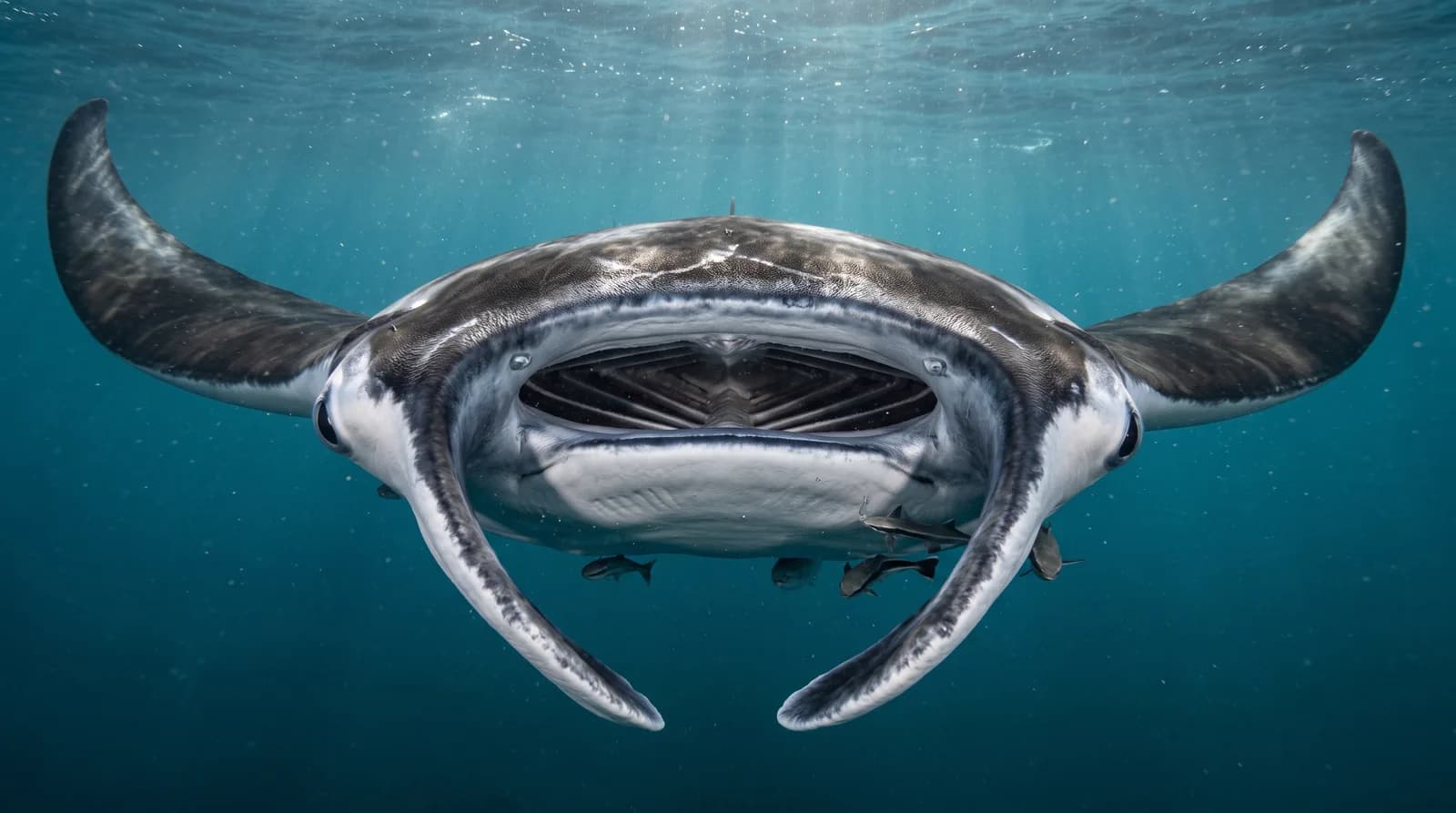
Giant Manta
Mobula birostris
Blacktip Reef Shark
Carcharhinus melanopterus
Spotted Seahorse
Hippocampus kuda
Bluefish
Pomatomus saltatrix
 Vulnerable
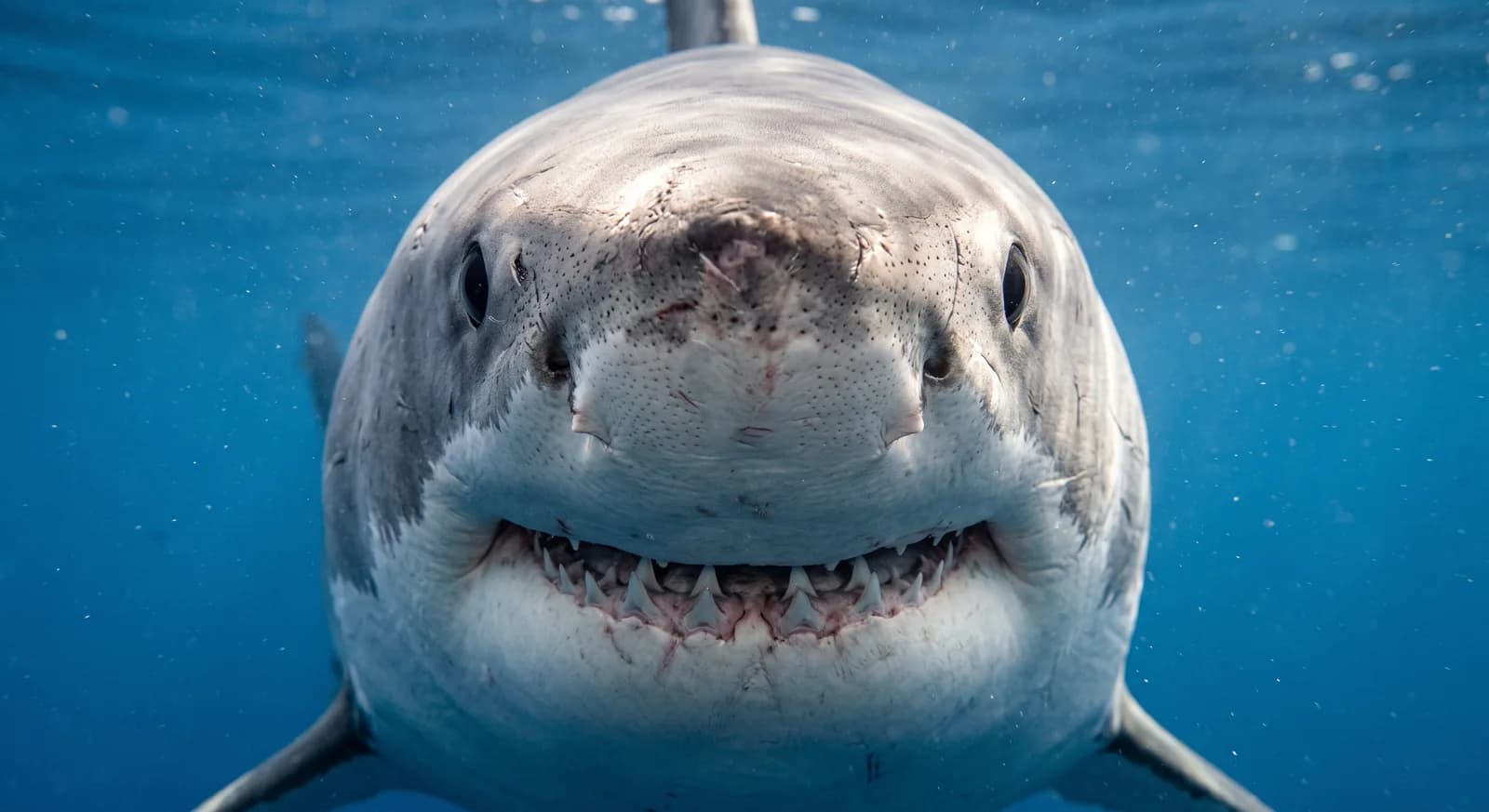
Great White Shark
Carcharodon carcharias
 Vulnerable
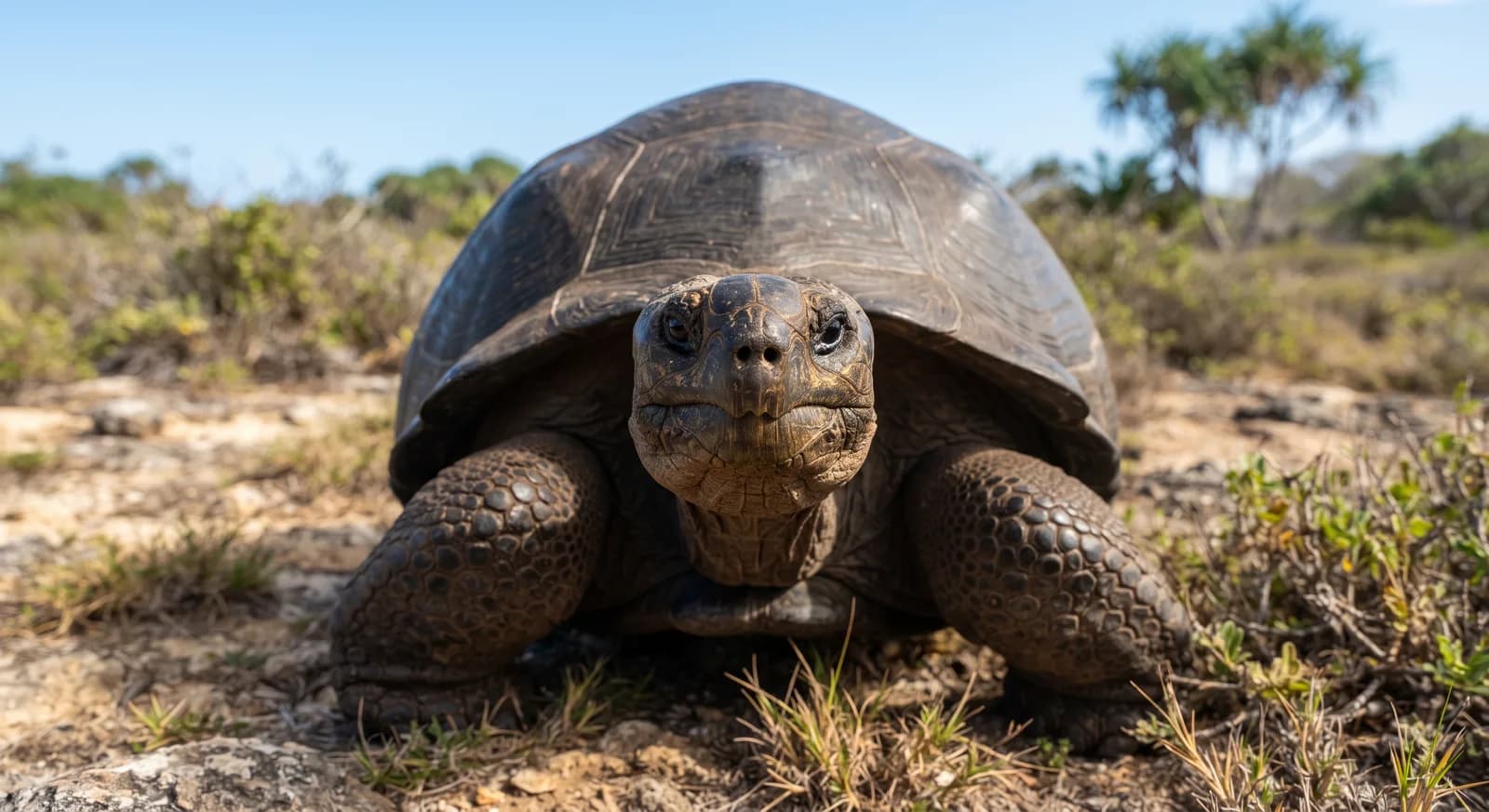
Aldabra Giant Tortoise
Aldabrachelys gigantea
How to help
The reef manta ray is classified as vulnerable. Organizations such as UICN, WWF y Wildlife Conservation Society work specifically on its conservation and that of its habitat; looking into their programs is a good starting point if you want to get involved.
It's documented in 13 real protected areas — part of why protecting these places matters for its conservation.
Keep exploring
Based on what we already know about reef manta ray.
Comments
Share an experience, a fun fact or a tip for seeing the reef manta ray.
Be the first to comment.