Mammals · Artiodactyla · Bovidae
Saiga
Saiga tatarica
It could become endangered in the near future if current threats go unchecked. See full glossary
Its striking large, flexible nose, rather like a short trunk, warms and moistens the cold, dry air of the steppe. As many as 97% of mature males may die each winter after the exhausting rut.
Weight
26 kg – 63 kg
Size
1 m – 1.4 m
Lifespan
7 years
Diet
Herbivore
Feeds mainly on plants.
Activity
Diurnal
Active mainly during the day.
Social structure
Herd
Lives in large groups as a strategy against predators.
Sighting difficulty
Moderate
Estimated population
It recovered from fewer than 50,000 animals in the early 2000s to more than a million in Kazakhstan during the 2020s.
Fun facts
- Its short trunk-like nose warms and filters the steppe air.
- As many as 97% of mature males may die each winter after the rut.
- It recovered from Critically Endangered status between 2002 and 2021.
Life cycle & biology
- Skeleton type
- Vertebrate - internal bony skeleton (mammal)
- Habitat & environment
- Arid steppe and open semi-desert of Central Asia, mainly Kazakhstan, Russia and Mongolia
- Birth weight
- 3.5 kg
- Size at birth
- Able to stand soon after birth, though it stays hidden for the first few days
- Sexual maturity
- Female: 7-8 months | Male: 20 months-2 years
- Gestation / incubation
- 140-152 days (~5 months)
- Litter / clutch size
- 1 to 2 young per litter (non-identical twins most often, in up to two thirds of births)
- Lifespan in captivity
- Documented record of 10.5 years in captivity
Sources consulted: AnAge; EBSCO Research Starters; Animal Spot; Animals Time; A-Z Animals; Blue Planet Biomes; Animalia.bio; Website of Everything; Animal Diversity Web; PMC
Where to find it
See its range on the interactive mapBest time: From April to May, during the mass calving on the steppes of Kazakhstan, when tens of thousands of females give birth within a few days.
Where to watch it
Parks and dive sites where this species has been documented.
Related species
Other species in the catalogue with the most in common with Saiga — same habitat, park, country, tags or family.
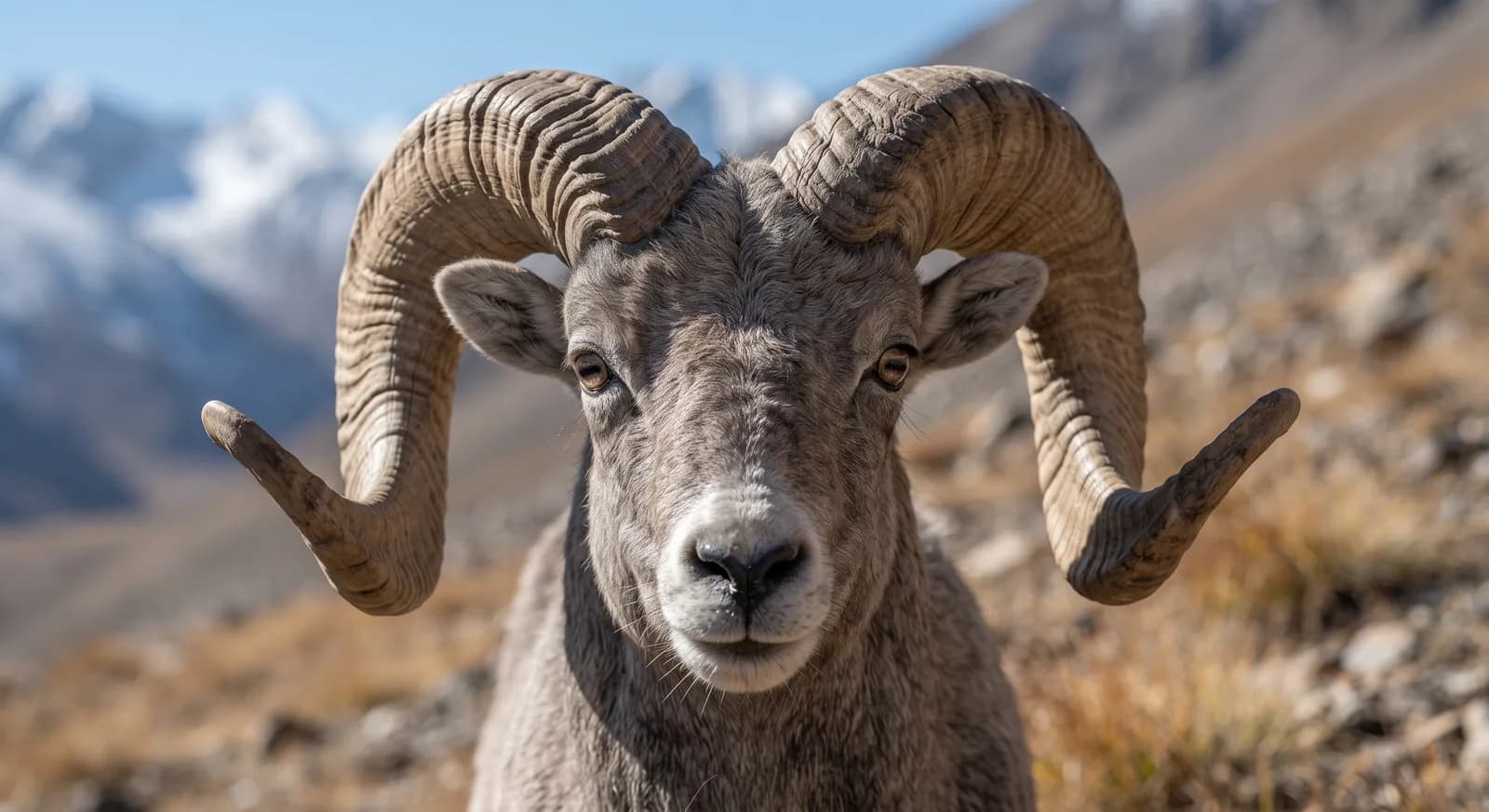 Near Threatened
Argali
Ovis ammon
Siberian Ibex
Capra sibirica
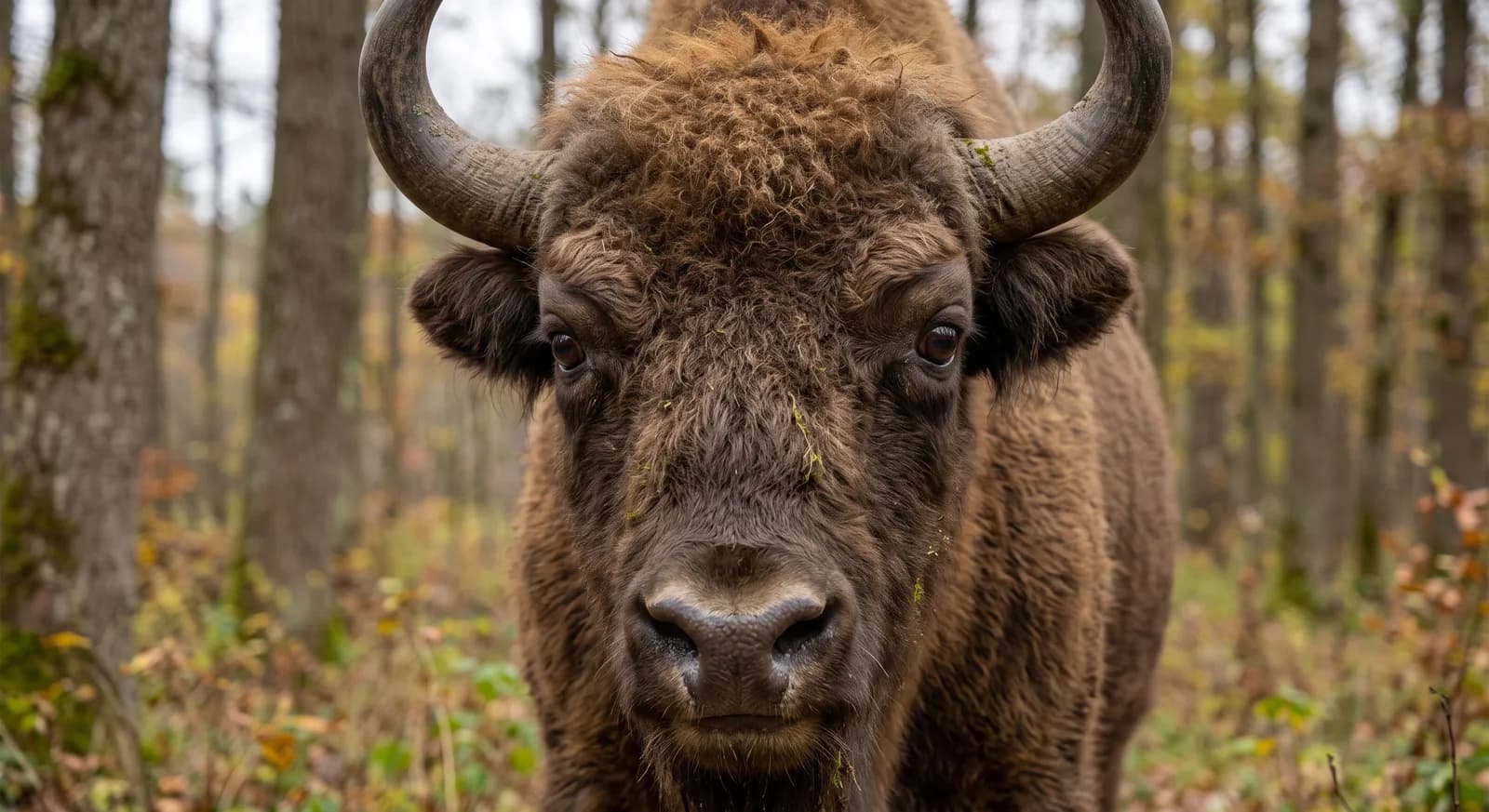 Near Threatened
European Bison
Bison bonasus
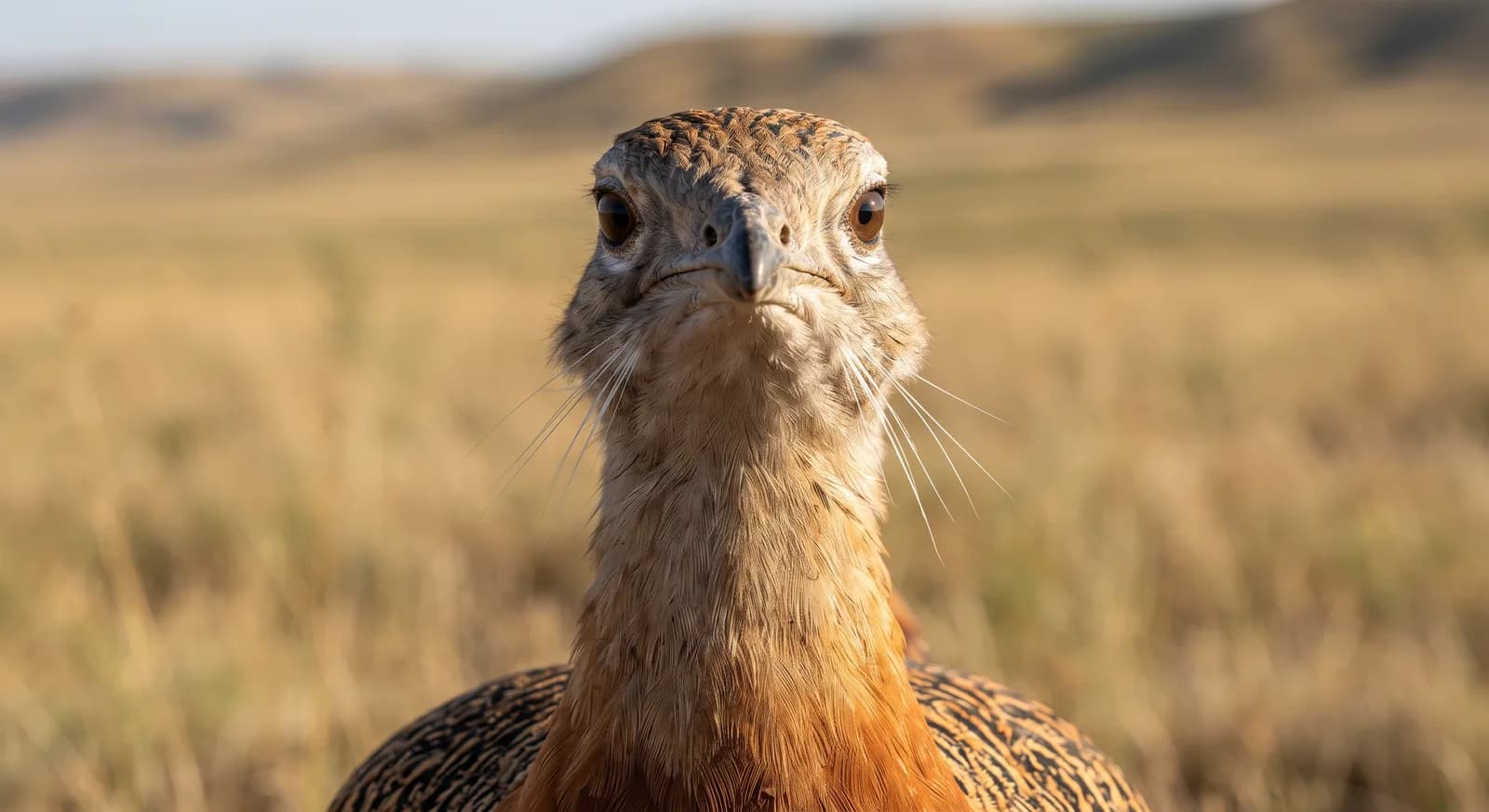 Near Threatened
Great Bustard
Otis tarda
Chiru
Pantholops hodgsonii
Himalayan Tahr
Hemitragus jemlahicus
Keep exploring
Based on what we already know about saiga.
Comments
Share an experience, a fun fact or a tip for seeing the saiga.
Be the first to comment.