Species group · Birds
Oystercatchers
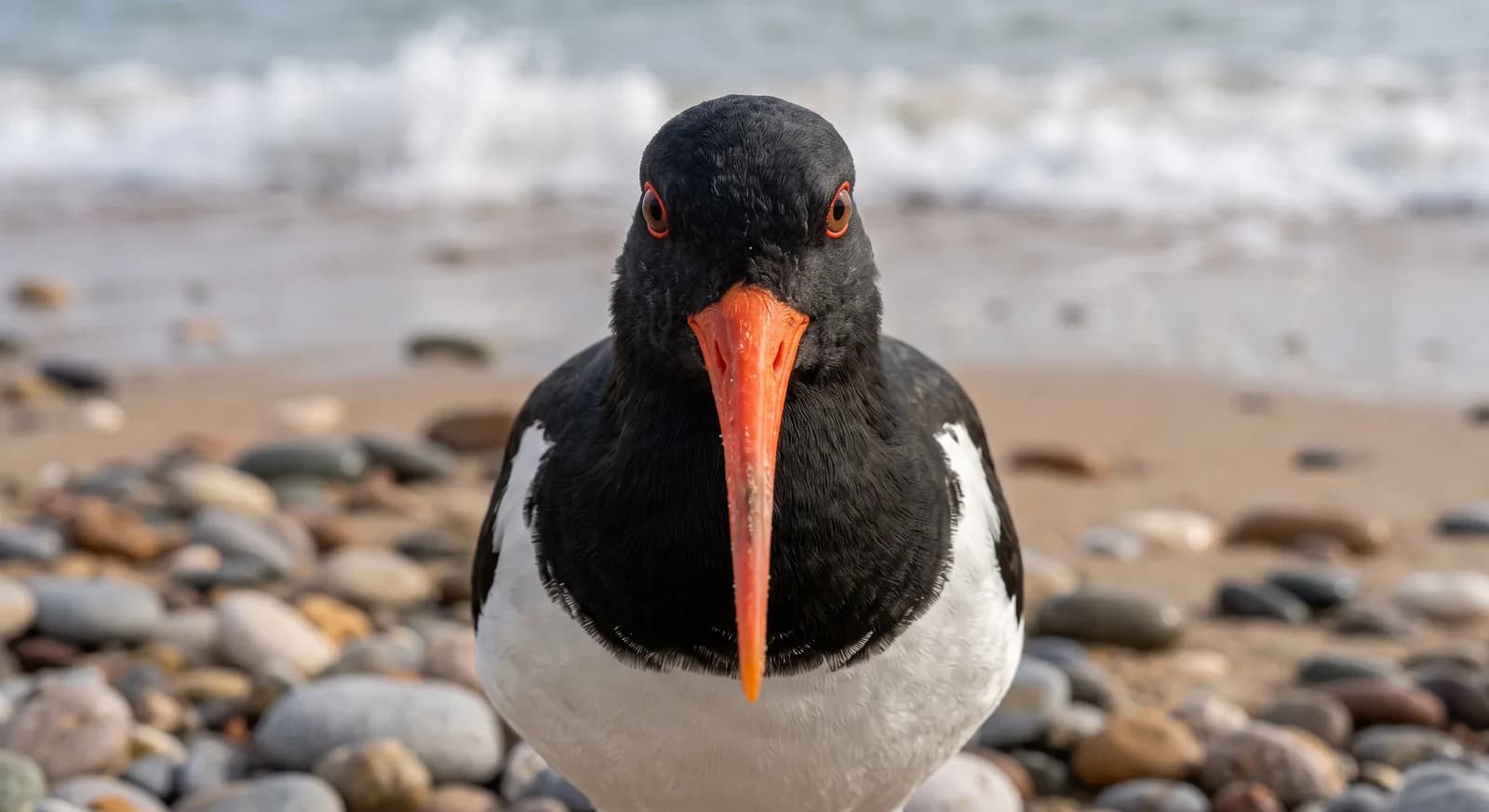
WAnimals has 5 species of oystercatcher, all in the family Haematopodidae.
- 5 species
- 1 family
- 107 countries
- 139 parks
- Weight
- 480 g – 699 g
- Length
- 40 cm – 46 cm
- Lifespan
- 10 – 33 years
Ranges calculated from the entries that record the figure, not from all 5.
All 5 species of oystercatchers on WAnimals
Each one has its own full entry. This group does not replace them: it brings them together.
 Near Threatened
Eurasian Oystercatcher
Haematopus ostralegus
American Oystercatcher
Haematopus palliatus
African Oystercatcher
Haematopus moquini
Magellanic Oystercatcher
Haematopus leucopodus
Pied Oystercatcher
Haematopus longirostris
Conservation status
No species documented in this group is genuinely at risk according to the IUCN, with the data available today.
See the global conservation statusWhere they live
Recorded in 107 countries. The ones with the most species in the group:
Where to see them
Did you know…
It has a stout chisel-shaped bill it uses to open mussels and other bivalves, either hammering them or slipping the bill between half-open shells.
Despite its name, oysters are not an important part of its diet, though it is among the very few birds able to open their shells.
It is the most widely distributed oystercatcher in the world.
Its epithet palliatus means "wrapped in a cloak", from the contrast between the brown back and the rest of the plumage.
It feeds at low tide and rests at high tide: its day is set by the sea, not by the sun.
It hybridises with the South American blackish oystercatcher and with the North American black oystercatcher where their ranges overlap, and those hybrids are recorded as taxa in their own right in the databases.
Its scientific name honours Alfred Moquin-Tandon, the French naturalist who found and named the species before Bonaparte, who ended up signing the valid description.
It is one of very few seabirds in southern Africa that breeds on the mainland and not only on islands.