A limestone range holding the highest summits in the Basque Country and marking the Cantabrian-Mediterranean watershed.
Area
159 km²
Declared in
2006
Region
Southern Europe
Climate
Árido / desértico, Templado, Mediterráneo, Montañoso
Best time
All year round
Highlight
Limestone ridges and the Basque Country's high point (Aitxuri, 1,551 m)
Aizkorri-Aratz Natural Park extends over 15,919 hectares between Gipuzkoa and Álava and takes in the massifs of Altzania, Aratz, Aizkorri, Urkilla, Elgea and Zaraia. The high point of the Basque Autonomous Community is here: Aitxuri, at 1,551 m, followed by Aizkorri at 1,528 m. The chain acts as the watershed between the Cantabrian and Mediterranean basins, and three of the main rivers of Gipuzkoa rise from its rocks: the Deba, the Urola and the Oria.
The relief is steep and mostly limestone, which has generated a highly developed karst: underground drainage has cut an extensive network of cavities, shafts and swallow holes beneath summits that at the surface alternate rocky crests with broad high-altitude pastures. The climate is montane, with cold winters and mild summers, and rainfall ranging from 1,100 mm on the valley floors to some 2,000 mm on the high ground. Beech and oak woods cover the slopes and give way, as height is gained, to mountain plant communities.
Among its wildlife are the peregrine falcon, the griffon vulture, the wildcat, the pine marten and the alpine newt; the Provincial Council of Gipuzkoa also runs a project to monitor the bearded vulture in Aizkorri-Aratz and Aralar in order to understand its use of the habitat better. Grazing by latxa sheep is still a living, landscape-shaping activity. The park also concentrates cultural landmarks of the first order: the San Adrián tunnel, a natural passage bored through the rock along which the royal road ran and today a variant of the Way of St James, with its small chapel; and the Sanctuary of Arantzazu, hanging over a ravine in Oñati, beside which stands one of the park's parketxe visitor centres. It was declared a Natural Park in 2006, the same year as Armañón.
Location
See on the interactive map222 species documented in Aizkorri-Aratz
At conservation risk:Cangrejo de río autóctono,Capricornio del roble,Murciélago de cueva (murciélago de alas largas),Náyade perlífera,Nóctulo grande,Perdiz roja
Abeja albañil
Osmia bicornis
Abeja carpintera violeta
Xylocopa violacea
Abeja del sudor europea
Lasioglossum malachurum
Abeja minera fulva
Andrena fulva
Abejorro común
Melolontha melolontha
Abejorro terrestre
Bombus terrestris
Acentor común
Prunella modularis
Águila calzada
Hieraaetus pennatus
Aguilucho cenizo
Circus pygargus
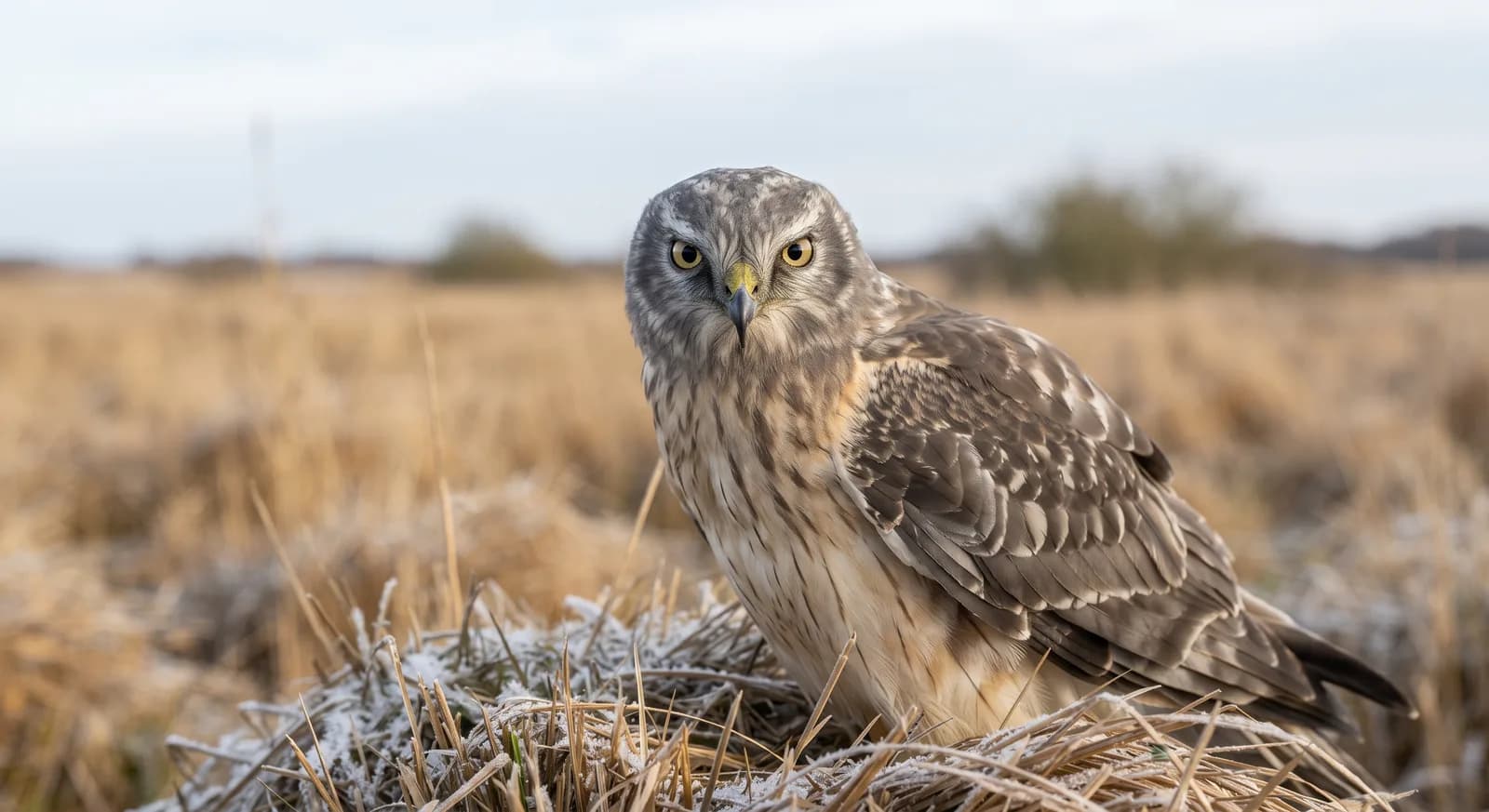 Least Concern
Aguilucho pálido
Circus cyaneus
 Least Concern
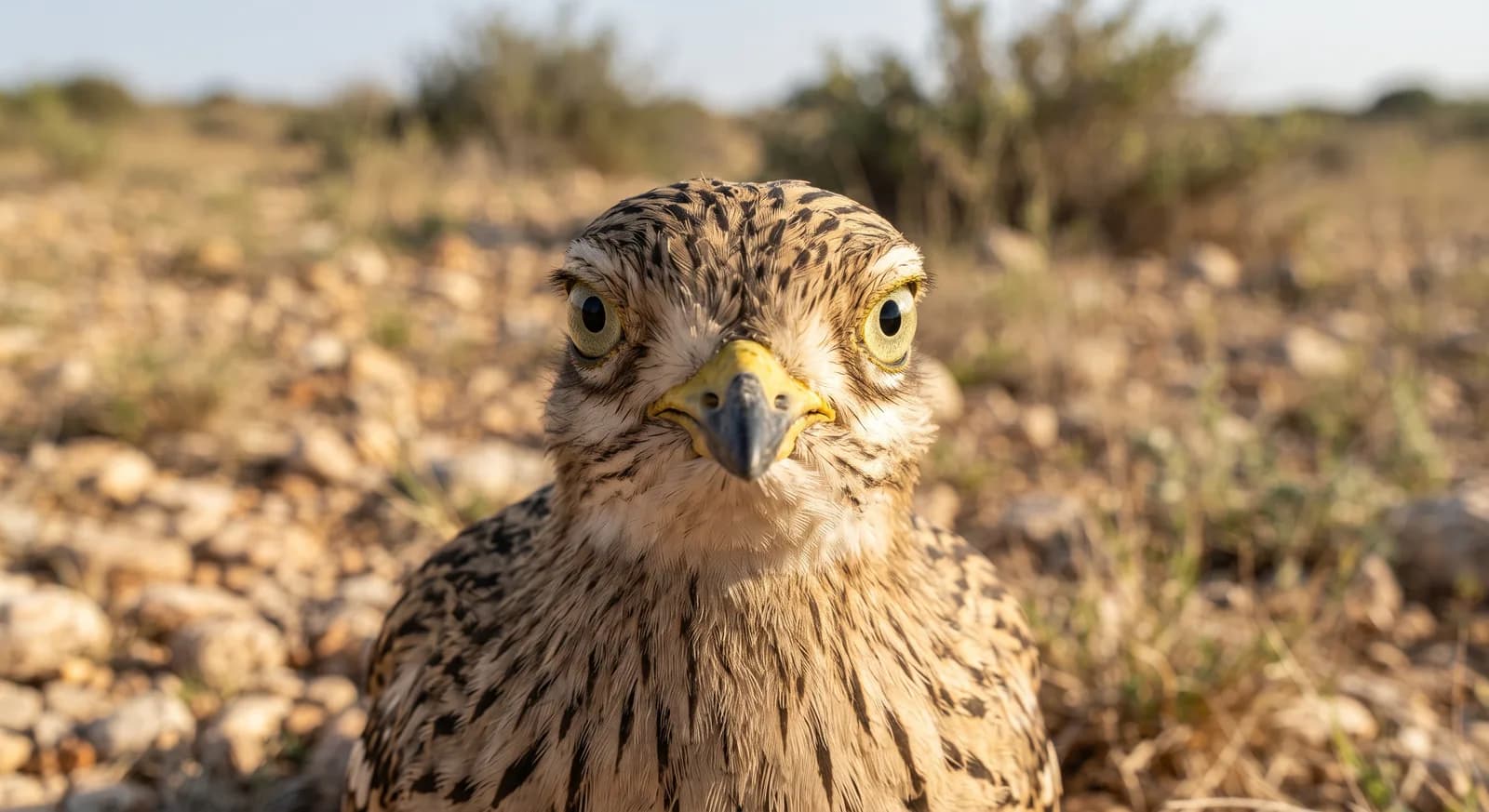
Alcaraván común
Burhinus oedicnemus
 Least Concern
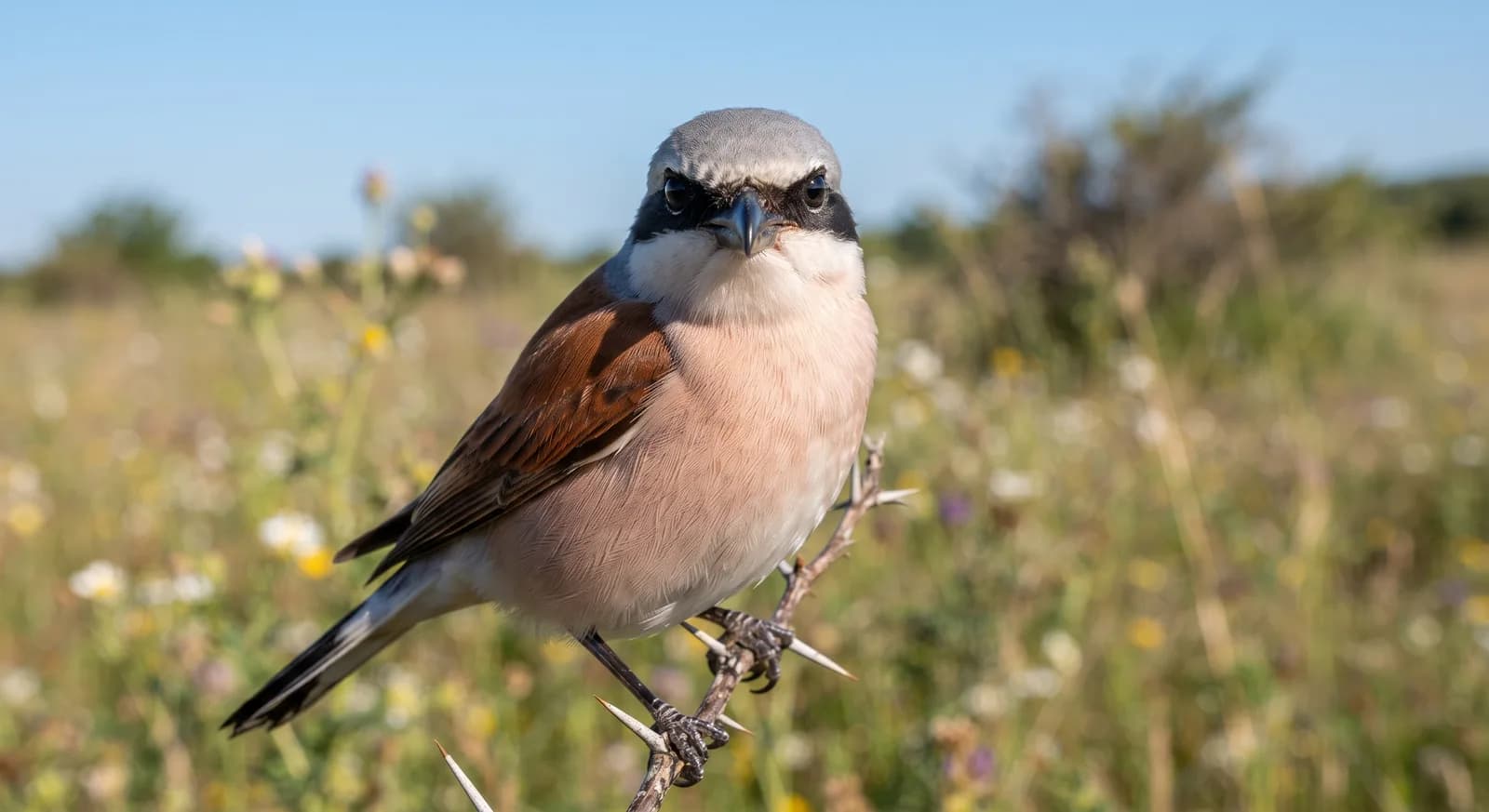
Alcaudón dorsirrojo
Lanius collurio
Flora and ecosystems
Ecosystems found in Spain, where Aizkorri-Aratz lies.
Experiences in this park
Similar parks
Which other parks are like this one?
Keep exploring
Based on what we already know about Aizkorri-Aratz.
Your rating
How many stars would you give Aizkorri-Aratz?
Comments
Share your experience visiting Aizkorri-Aratz, or a tip for other travellers.
Be the first to comment.