One of the 3 shrikes on WAnimals
Birds · Passeriformes · Laniidae
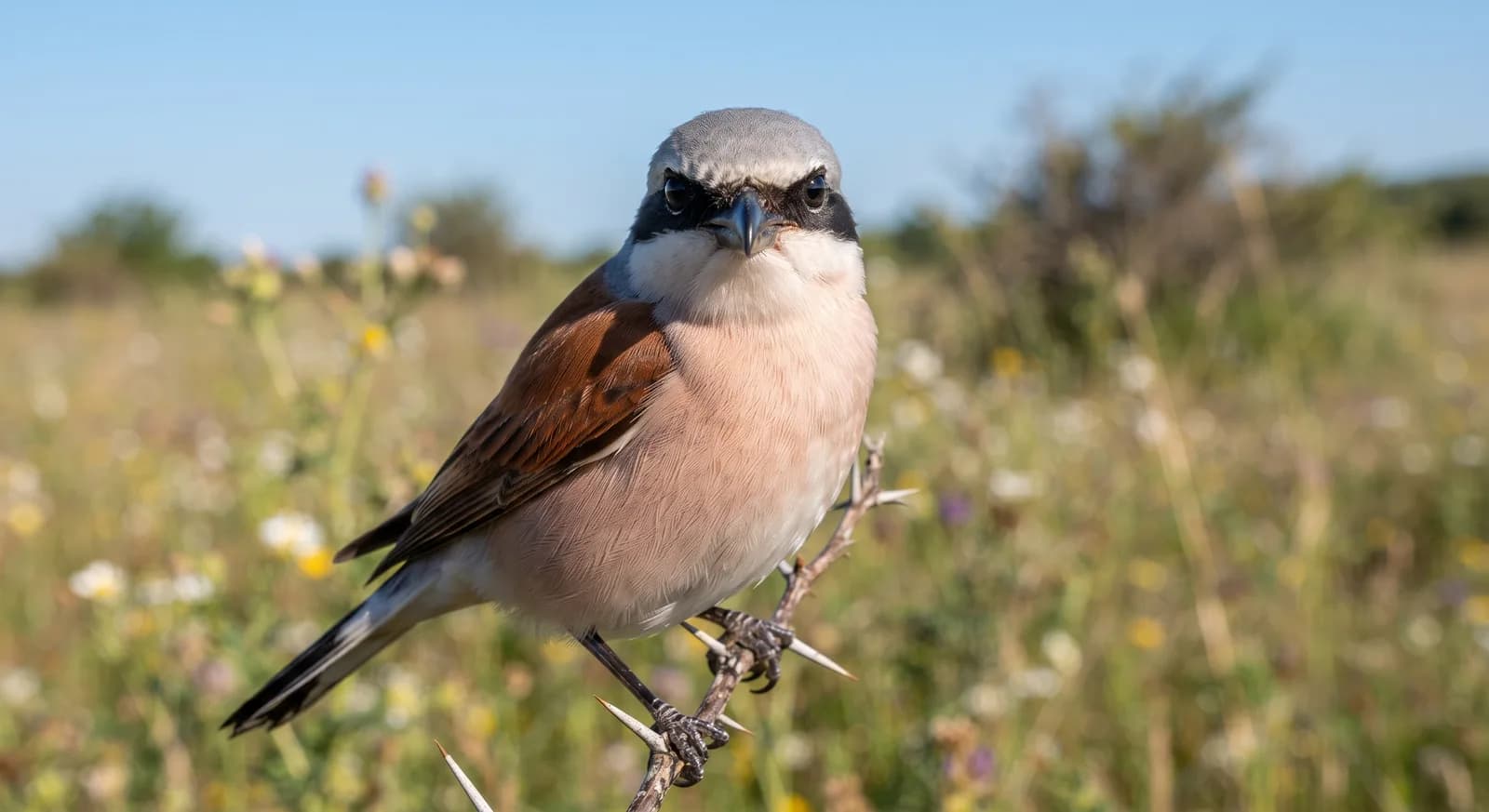
Red-backed Shrike
Lanius collurio
The species is abundant and widely distributed; it faces no significant short-term risk. See full glossary
The smallest of the shrikes of the Eurasian Palaearctic. The male has an ash-grey head, a black mask and the reddish brown mantle that gives it its name; the female is brown and vermiculated. Like all shrikes it has a bulky head and a bill hooked at the tip.
Weight
25 g – 36 g
Size
16 cm – 18 cm
Diet
Carnivore
Feeds mainly on other animals.
Activity
Diurnal
Active mainly during the day.
Social structure
In pairs
Usually lives in pairs, sometimes for life.
Sighting difficulty
Easy
Fun facts
- GeneralIt impales its prey on thorns to store it, like a larder.
- It impales its prey on hawthorn and blackthorn spines or on barbed wire, creating larders that it often never eats.
- This has earned it the nickname 'butcher bird', and its genus, Lanius, means precisely butcher in Latin.
- Although it weighs little more than thirty grams, it hunts small mammals, reptiles, amphibians and even birds and their young.
Life cycle & biology
- Skeleton type
- Vertebrate - internal bony skeleton (bird)
- Habitat & environment
- Thorn hedges, scrubby meadows and field margins
- Gestation / incubation
- 14 - 16 days of incubation
- Litter / clutch size
- 5-6 eggs as a rule (a range of 3 to 7), of very variable colours (white, olive, pink, ochre). A single clutch a year, in May or June
Sources consulted: SEO/BirdLife (ficha y III Atlas de las aves en época de reproducción en España); IUCN Red List; Asturnatura; Metzmacher y Van Nieuwenhuyse 2012, Terre et Vie 67; Santander Capital Natural; Monaco Nature Encyclopedia
Where to find it
See its range on the interactive mapBest time: From May to August in the north of the peninsula, where it is a summer visitor
Where to watch it
Parques y spots de buceo donde se ha documentado esta especie — se muestran 10 de 185 documentados.
Related species
Other species in the catalogue with the most in common with Red-backed Shrike — same habitat, park, country, tags or family.
Woodchat Shrike
Lanius senator
Great Grey Shrike
Lanius excubitor
Great Crested Grebe
Podiceps cristatus
 Least Concern
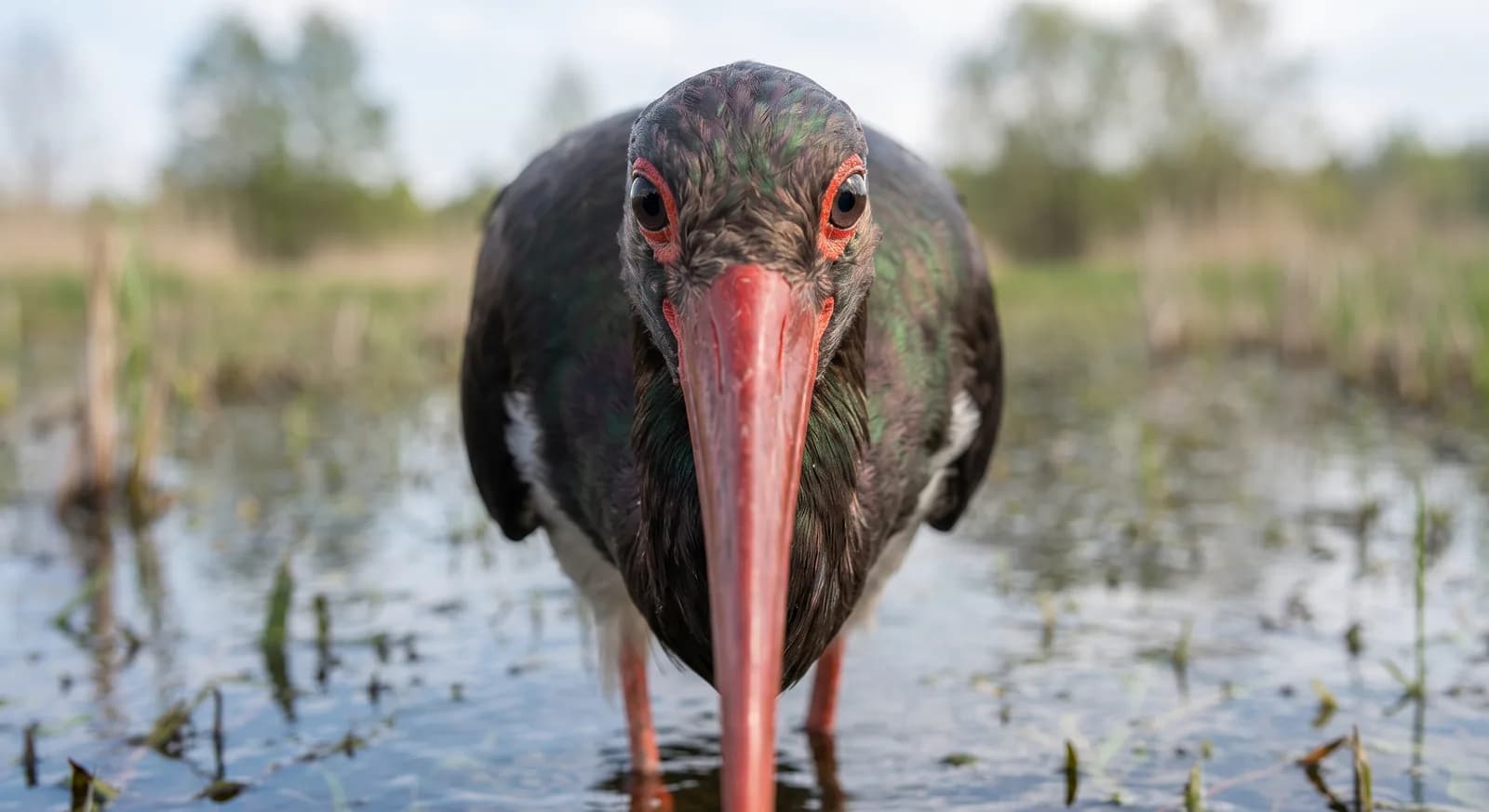
Black Stork
Ciconia nigra
 Least Concern
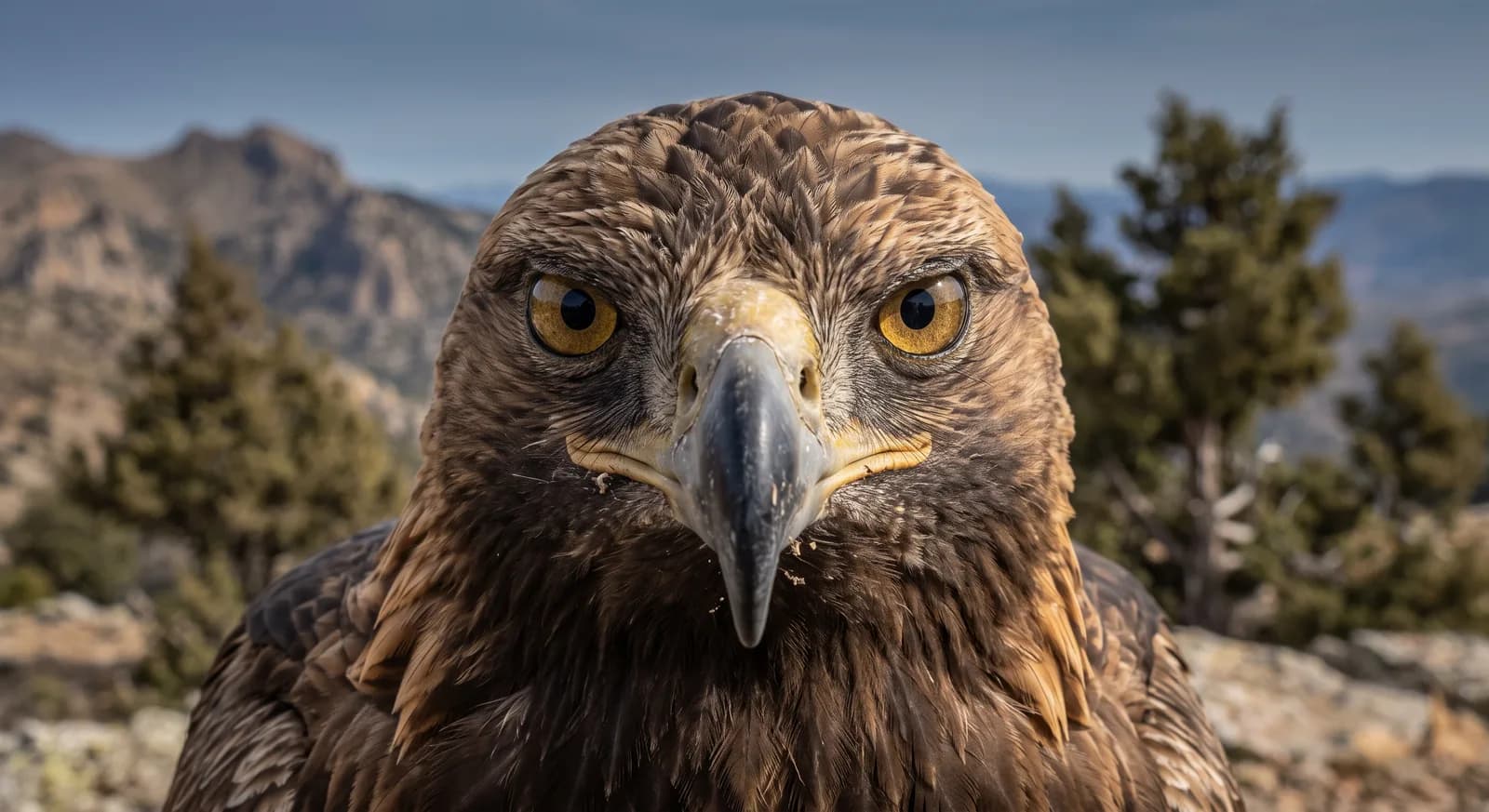
Golden Eagle
Aquila chrysaetos
 Least Concern
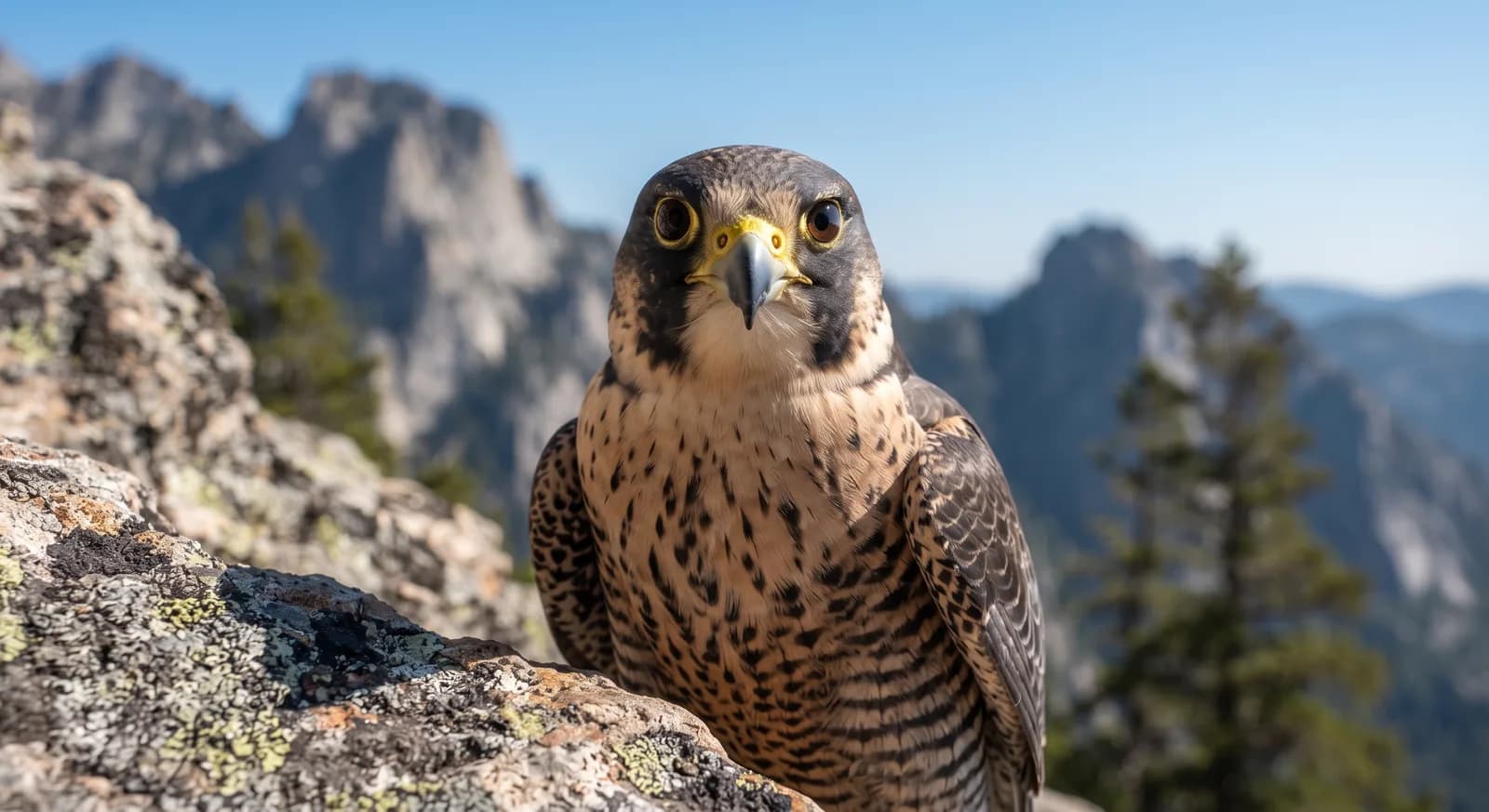
Peregrine Falcon
Falco peregrinus
Keep exploring
Based on what we already know about red-backed shrike.
Comments
Share an experience, a fun fact or a tip for seeing the red-backed shrike.
Be the first to comment.