One of the 3 shrikes on WAnimals
Birds · Passeriformes · Laniidae
Great Grey Shrike
Lanius excubitor
The species is abundant and widely distributed; it faces no significant short-term risk. See full glossary
The great grey shrike is a predatory bird the size of a blackbird, grey with a black mask and black and white wings and tail. It hunts from raised perches and drops onto large insects, mice, lizards and other birds, which it kills with a precise bite to the nape. Its most famous habit is impaling its prey on thorns or barbed wire, forming larders that let it store food for lean days.
Weight
55 g – 80 g
Size
22 cm – 26 cm
Lifespan
12 years
Diet
Carnivore
Feeds mainly on other animals.
Activity
Diurnal
Active mainly during the day.
Social structure
Solitary
Lives and hunts alone, joining others only to breed.
Sighting difficulty
Easy
Fun facts
- It impales its prey on thorn bushes and barbed wire, forming visible larders: it has no raptor's talons for holding prey while it tears at it, so it pins the prey down and pulls with its bill.
- Males with larger larders attract more females: the store of impaled prey works as a display of the quality of both the territory and the hunter.
Life cycle & biology
- Skeleton type
- Vertebrate - internal bony skeleton (bird)
- Habitat & environment
- Open country with perches: open taiga, wooded tundra, steppe and farmland of Eurasia
- Sexual maturity
- 11 months
- Gestation / incubation
- 16 days of incubation
- Litter / clutch size
- 5
Sources consulted: https://www.iucnredlist.org/ | https://animaldiversity.org/ | https://es.wikipedia.org/
Where to find it
See its range on the interactive mapWhere to watch it
Parques y spots de buceo donde se ha documentado esta especie — se muestran 10 de 104 documentados.
Related species
Other species in the catalogue with the most in common with Great Grey Shrike — same habitat, park, country, tags or family.
Woodchat Shrike
Lanius senator
 Least Concern
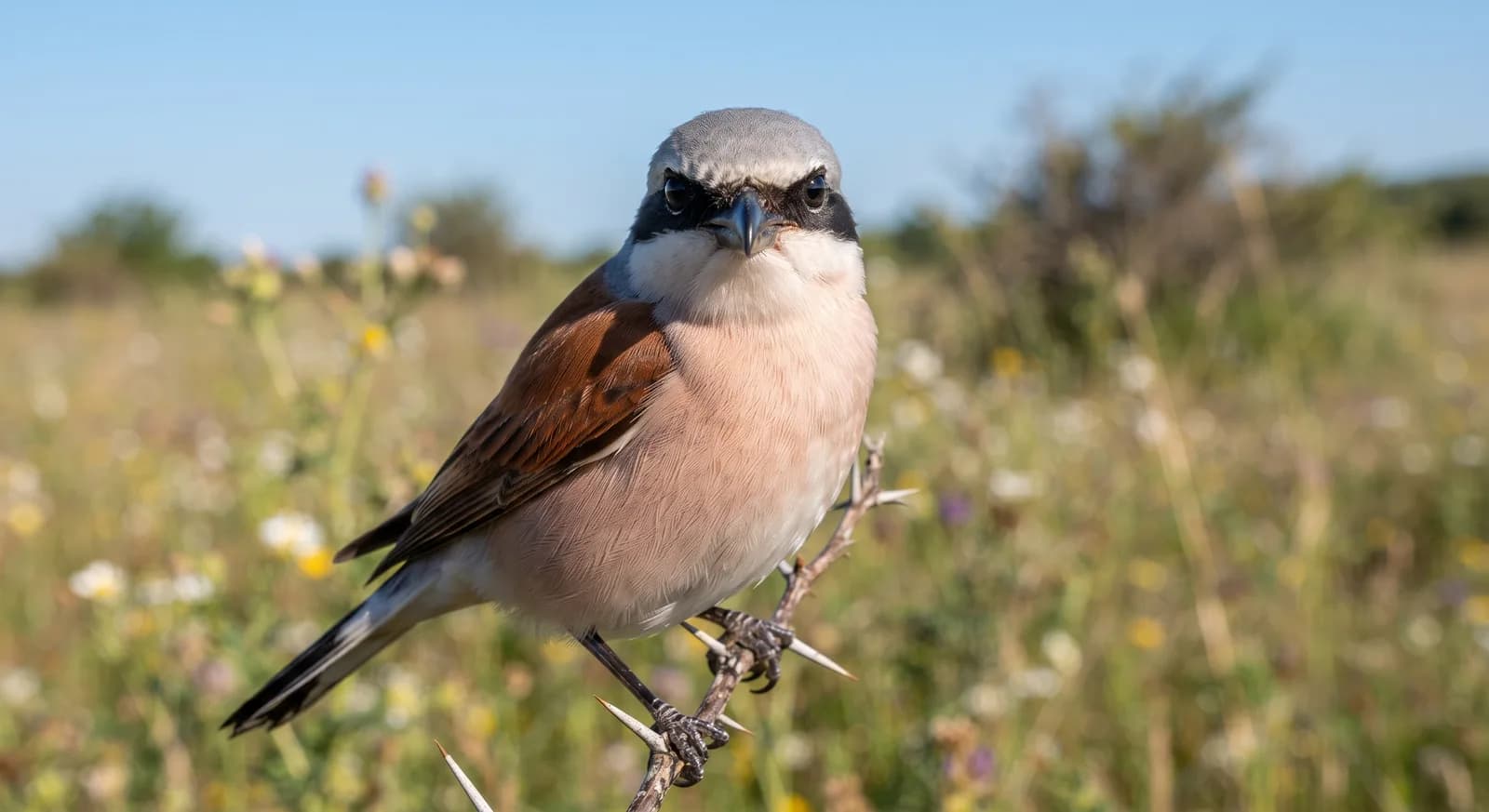
Red-backed Shrike
Lanius collurio
 Least Concern
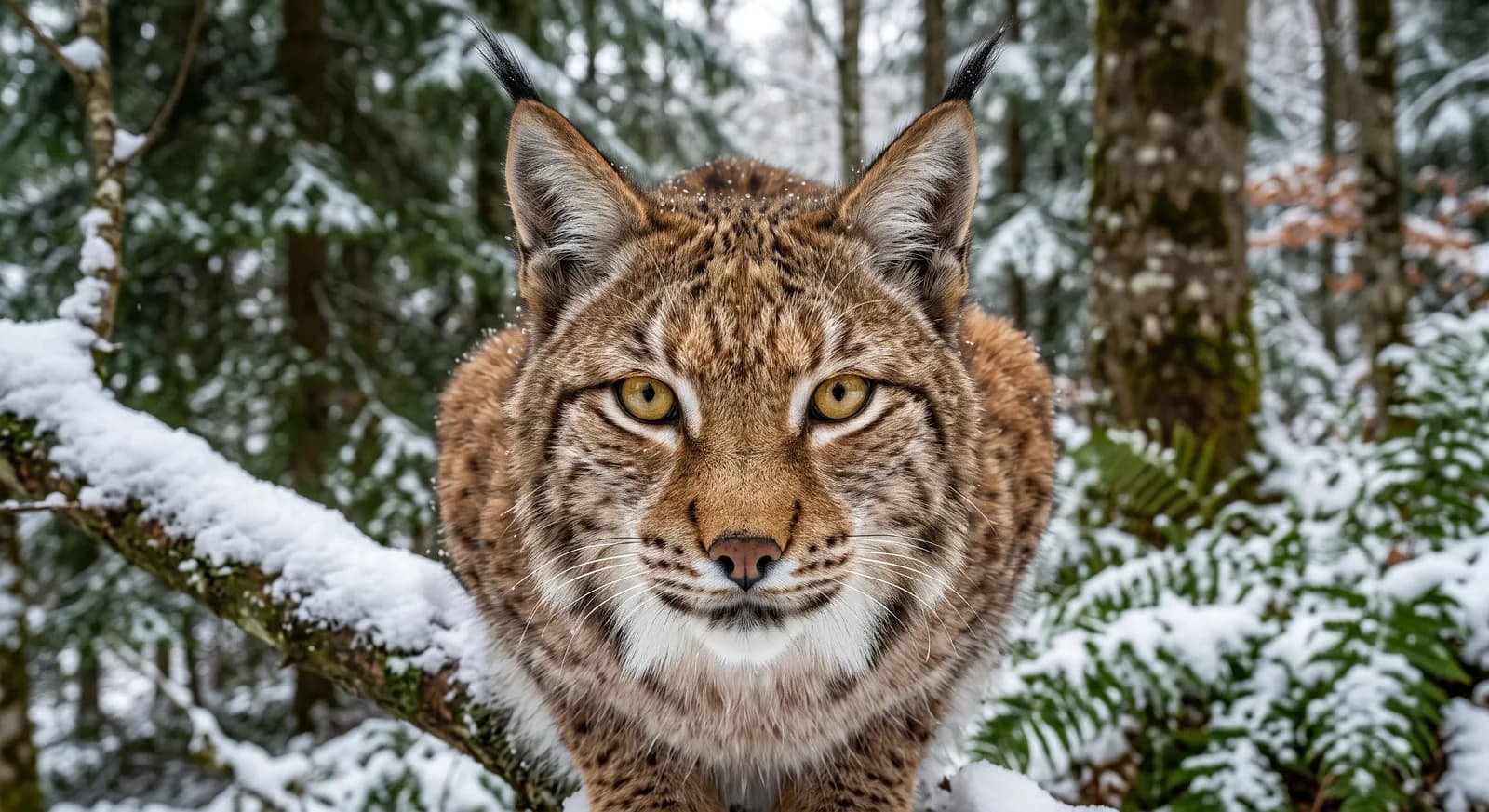
Eurasian Lynx
Lynx lynx
Least Weasel
Mustela nivalis
 Least Concern
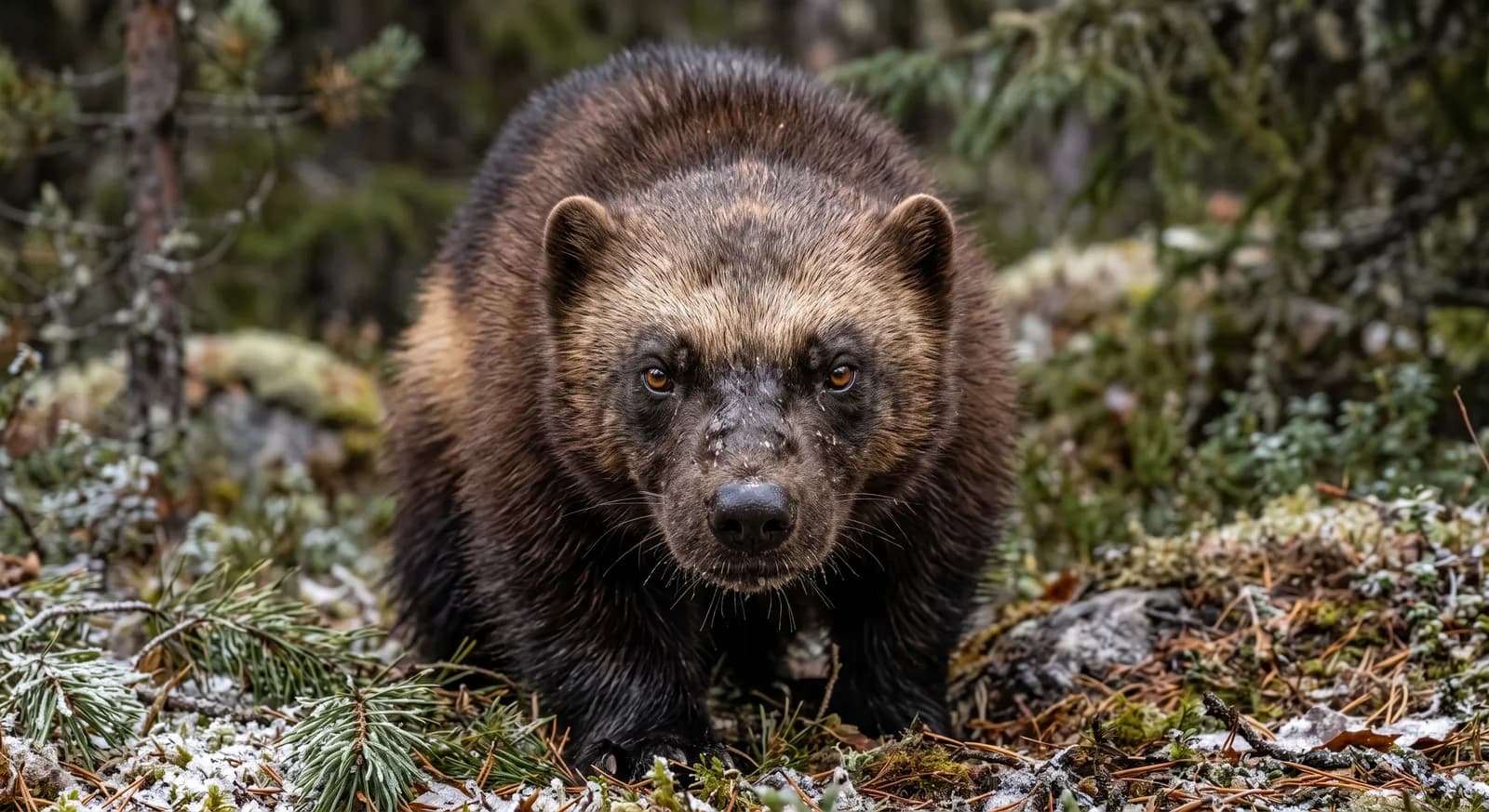
Wolverine
Gulo gulo
 Least Concern
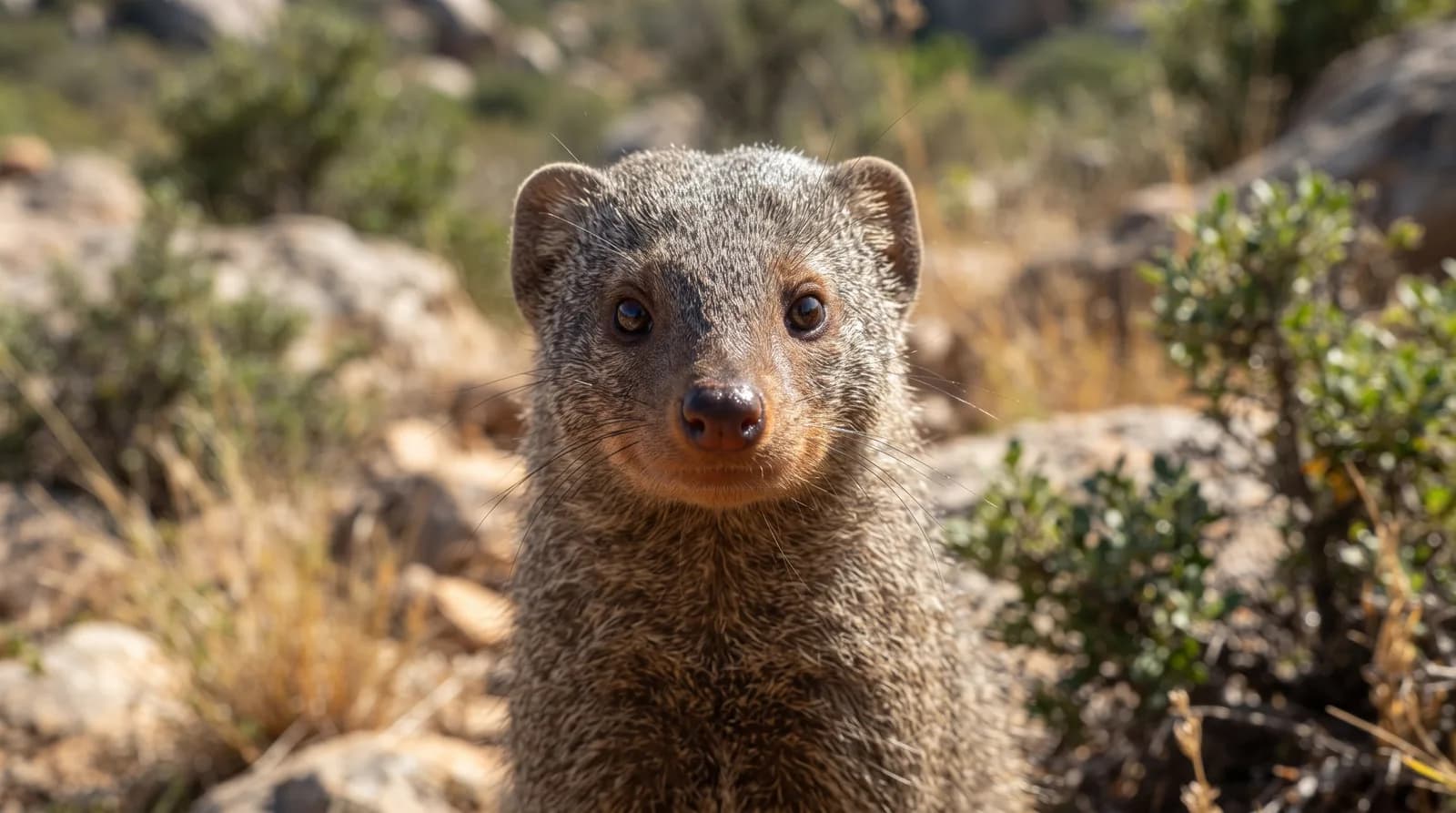
Egyptian Mongoose
Herpestes ichneumon
Keep exploring
Based on what we already know about great grey shrike.
Comments
Share an experience, a fun fact or a tip for seeing the great grey shrike.
Be the first to comment.