One of the 3 shrikes on WAnimals
Birds · Passeriformes · Laniidae
Woodchat Shrike
Lanius senator
The species is abundant and widely distributed; it faces no significant short-term risk. See full glossary
The woodchat shrike is a predatory bird of the Mediterranean countryside, the male showing a striking chestnut cap, a black mask and a black back with large white patches. It hunts large insects from perches and impales them on thorn bushes to form larders. It is a trans-Saharan migrant that breeds in Spain and spends the winter in tropical Africa. Its European population has been in decline for decades because of the loss of insects and of mixed farmland.
Weight
30 g – 45 g
Size
17 cm – 19 cm
Lifespan
9 years
Diet
Carnivore
Feeds mainly on other animals.
Activity
Diurnal
Active mainly during the day.
Social structure
In pairs
Usually lives in pairs, sometimes for life.
Sighting difficulty
Easy
Fun facts
- GeneralIts chestnut crown sets it apart; it watches from wires and bare branches.
- It impales grasshoppers, beetles and lizards on thorn bushes and barbed wire, forming visible larders that also work as a shop window: the males with the best larder attract more females.
- It depends on large insects, and its European decline goes hand in hand with the general fall in insect biomass documented over recent decades.
- It is a trans-Saharan migrant weighing less than forty grams: it crosses the desert twice a year between the Spanish dehesas and the savannahs of the Sahel.
Life cycle & biology
- Skeleton type
- Vertebrate - internal bony skeleton (bird)
- Habitat & environment
- Dehesa, olive groves and farmland with scattered trees
- Sexual maturity
- 12 months
- Gestation / incubation
- 15 days of incubation
- Litter / clutch size
- 5 eggs
Sources consulted: https://es.wikipedia.org/wiki/Lanius_senator
Where to find it
See its range on the interactive mapWhere to watch it
Parques y spots de buceo donde se ha documentado esta especie — se muestran 10 de 86 documentados.
Related species
Other species in the catalogue with the most in common with Woodchat Shrike — same habitat, park, country, tags or family.
Great Grey Shrike
Lanius excubitor
 Least Concern
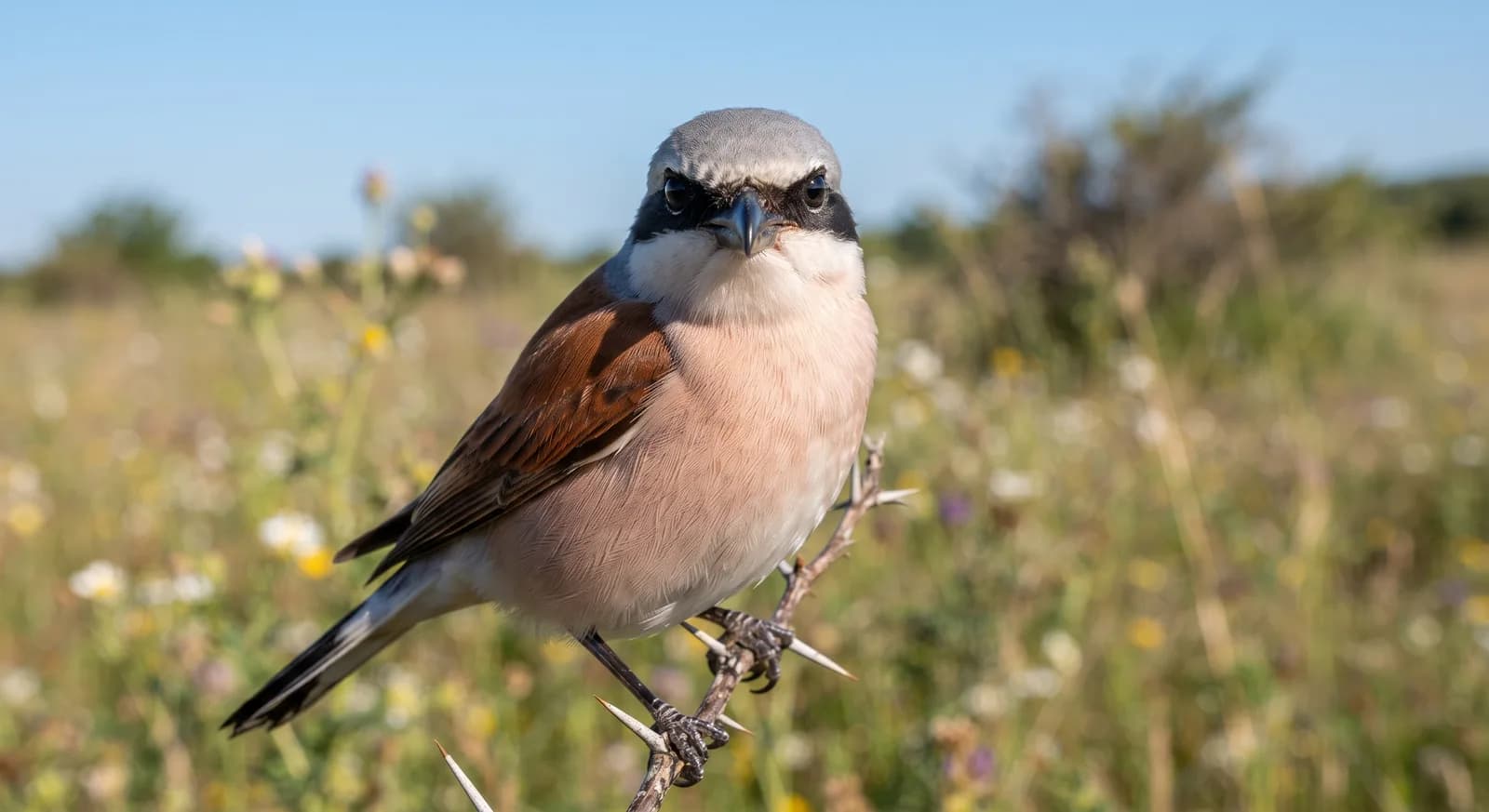
Red-backed Shrike
Lanius collurio
 Least Concern
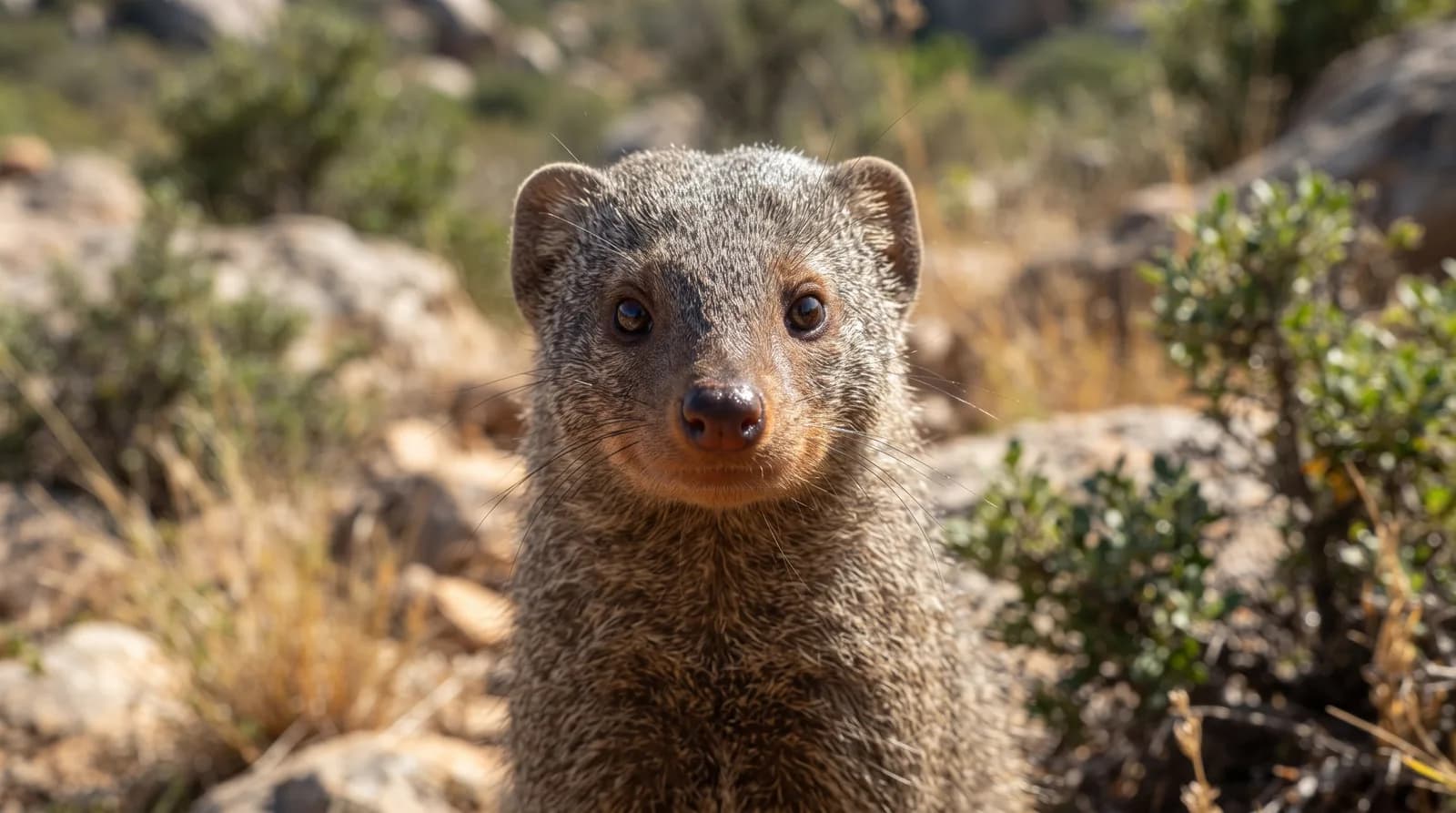
Egyptian Mongoose
Herpestes ichneumon
Eurasian Collared Dove
Streptopelia decaocto
Black-bellied Sandgrouse
Pterocles orientalis
 Least Concern
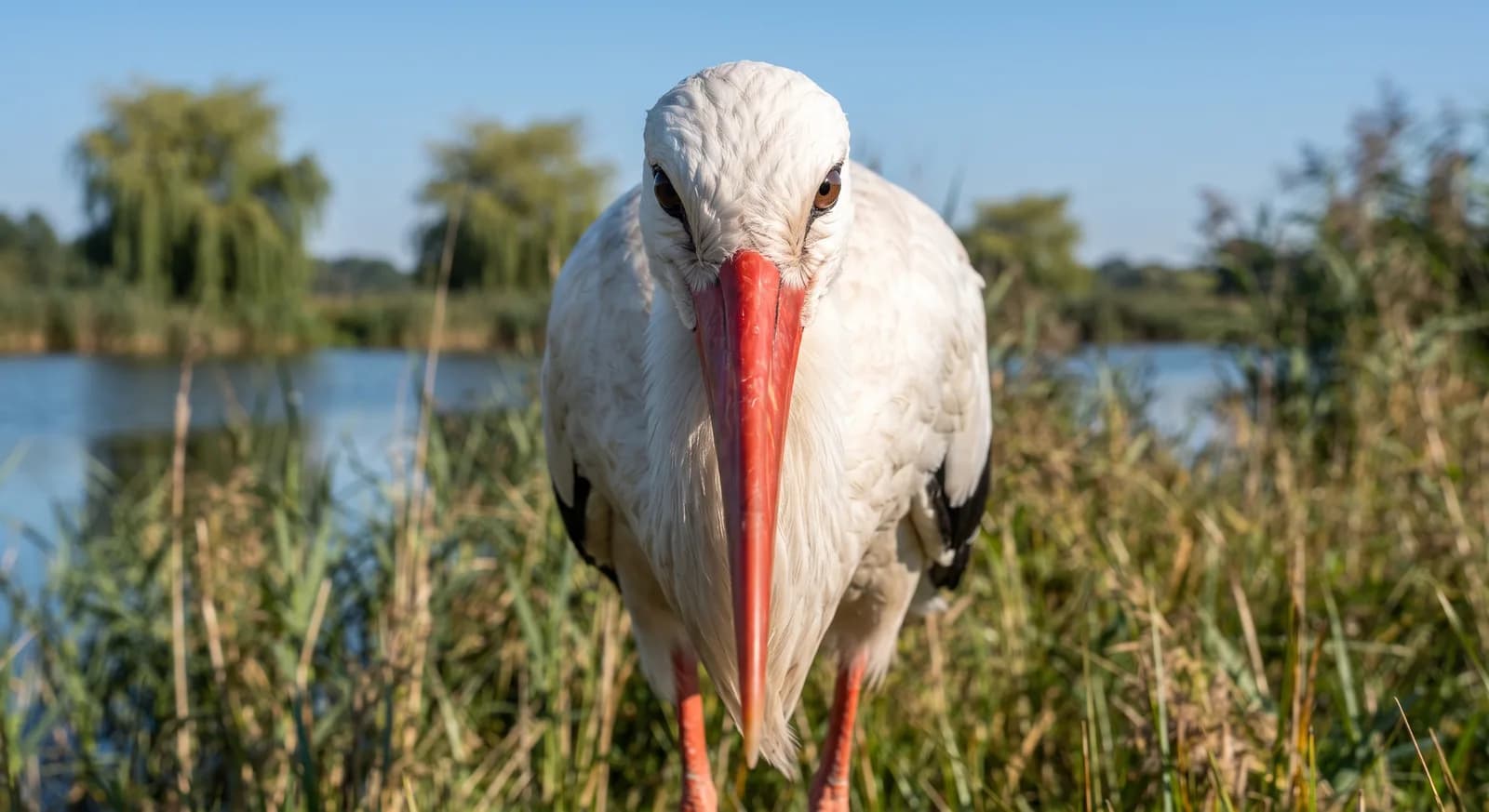
White Stork
Ciconia ciconia
Keep exploring
Based on what we already know about woodchat shrike.
Comments
Share an experience, a fun fact or a tip for seeing the woodchat shrike.
Be the first to comment.