A karst massif in Las Encartaciones with more than 200 caves, among them Pozalagua and its eccentric stalactites.
Area
29 km²
Declared in
2006
Region
Southern Europe
Climate
Árido / desértico, Templado, Mediterráneo, Montañoso
Best time
All year round
Highlight
The Peñas de Ranero karst and Pozalagua cave
Armañón Natural Park is the westernmost in Bizkaia and occupies the far end of the Las Encartaciones district, between Karrantza and Turtzioz, on the boundary with Cantabria. It was declared in 2006 and its relief combines two very different registers: the gentle sandstone forms of Mount Armañón, which reaches 854 m, and the steep limestone massifs of Peñas de Ranero (737 m) and Los Jorrios (837 m). On the limestone a very complete karst has developed, with limestone pavements, dolines and fissures at the surface and more than 200 caves and shafts catalogued underground.
That underground world is the park's great asset. The Pozalagua cave, discovered in 1957 during quarrying, is a single chamber some 125 m long by 70 wide and 12 high that holds the largest known concentration of helictites in the world: millimetre-scale formations that grow in all directions in defiance of gravity and intertwine above all in what is called the Versailles chamber. Nearby opens the Torca del Carlista, one of the largest underground chambers in Europe. The cavities are also of high biological value: the park hosts the main breeding colony of the Mediterranean horseshoe bat, a threatened species, among several bat species.
At the surface the mosaic alternates oak, beech and mixed broadleaf woods with pastures and farmed countryside. The botanical jewel is the Sopeña holm oak wood: a Cantabrian holm oak stand that survives thanks to the microclimate created by the rock wall, which shelters it from the cold winds and reflects the heat, and that offers a Mediterranean scene in the middle of the Cantabrian coast. Eagles and vultures breed on the crags. The rural character of the setting shows in the native breeds still kept here — the blonde-faced and black-faced Carranzana sheep, the Monchina cow, the Villano de Las Encartaciones dog — and in a heritage that includes dolmens and barrows with a signposted megalithic route. The park's interpretation centre, next to Pozalagua, occupies the buildings of the former dolomite works.
Location
See on the interactive map225 species documented in Armañón
At conservation risk:Cangrejo de río autóctono,Capricornio del roble,Murciélago de cueva (murciélago de alas largas),Náyade perlífera,Nóctulo grande,Perdiz roja,Rana patilarga (rana ibérica)
Abeja albañil
Osmia bicornis
Abeja carpintera violeta
Xylocopa violacea
Abeja del sudor europea
Lasioglossum malachurum
Abeja minera fulva
Andrena fulva
Abejorro común
Melolontha melolontha
Abejorro terrestre
Bombus terrestris
Acentor común
Prunella modularis
Águila calzada
Hieraaetus pennatus
Aguilucho cenizo
Circus pygargus
 Least Concern
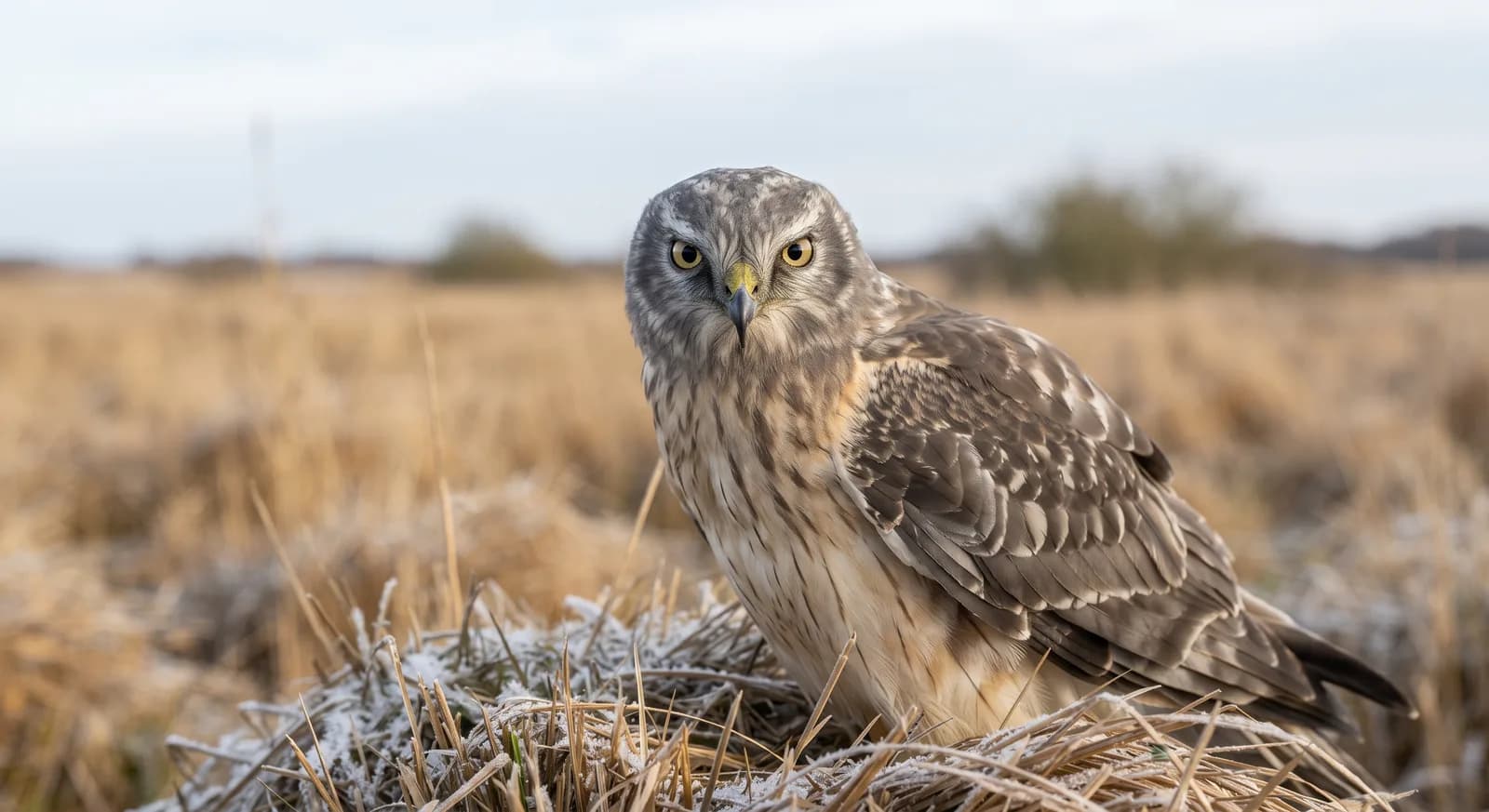
Aguilucho pálido
Circus cyaneus
 Least Concern
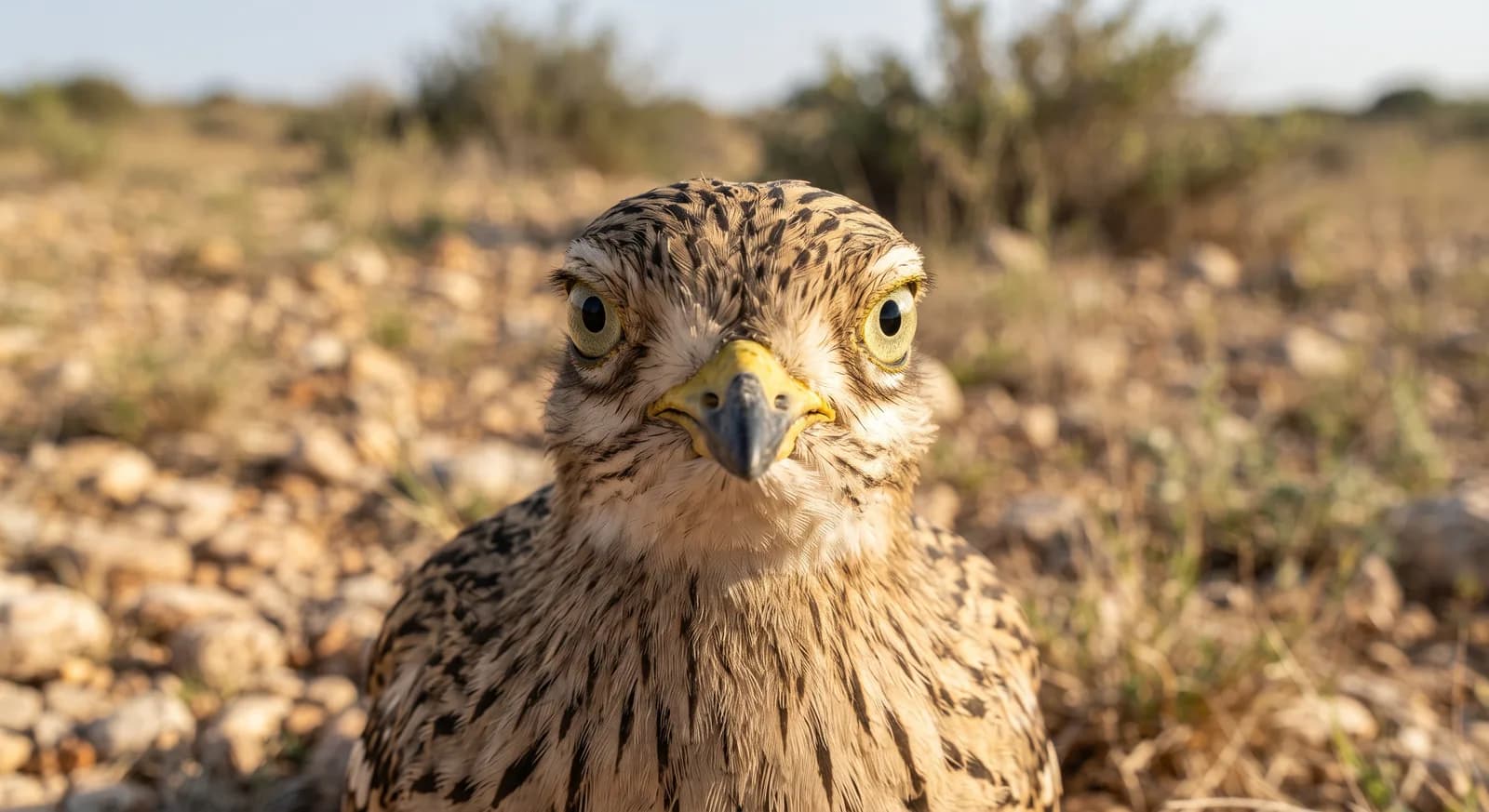
Alcaraván común
Burhinus oedicnemus
 Least Concern
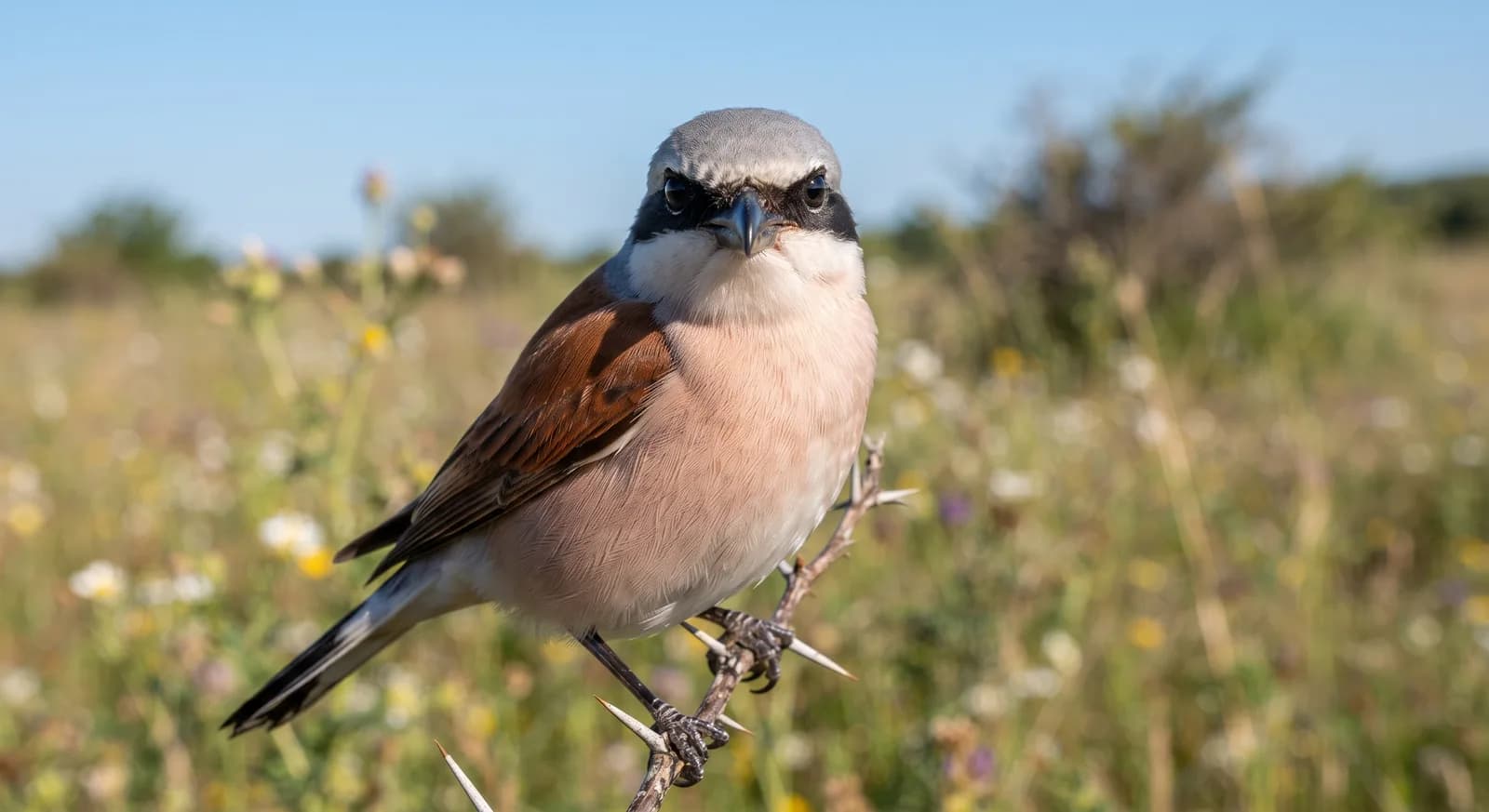
Alcaudón dorsirrojo
Lanius collurio
Flora and ecosystems
Ecosystems found in Spain, where Armañón lies.
Experiences in this park
Similar parks
Which other parks are like this one?
Keep exploring
Based on what we already know about Armañón.
Your rating
How many stars would you give Armañón?
Comments
Share your experience visiting Armañón, or a tip for other travellers.
Be the first to comment.