One of the 2 accentors on WAnimals
Birds · Passeriformes · Prunellidae
Dunnock
Prunella modularis
The species is abundant and widely distributed; it faces no significant short-term risk. See full glossary
An unobtrusive bird the size of a sparrow, with a glossy slate-grey head, eyebrow, throat and breast contrasting with an ochre-brown back densely streaked with black. A fine insect-eater's bill and robust reddish legs. It is easily confused with a young robin or a wren.
Weight
20 g – 23 g
Size
14 cm on average
Lifespan
5 years
Diet
Omnivore
Combines animal and plant food depending on availability.
Activity
Diurnal
Active mainly during the day.
Social structure
In pairs
Usually lives in pairs, sometimes for life.
Sighting difficulty
Easy
Fun facts
- It has one of the most complex mating systems of any European bird: it forms trios of one male with two females or one female with two males, and also pairs and larger groups.
- When a female has two males, both help her raise the brood in proportion to how much they have mated with her, and her clutch can be double the usual size.
- It is one of the common cuckoo's favourite victims, and is parasitised by it regularly.
Life cycle & biology
- Skeleton type
- Vertebrate - internal bony skeleton (bird)
- Habitat & environment
- Scrub, hedgerows, heathland and woodland edges with dense vegetation. As a breeder it is limited to the northern third, the Sistema Ibérico and the Sistema Central, with an isolated pocket in Sierra Nevada; in winter it occupies practically the whole peninsula and the Balearics
- Birth weight
- Altricial: born blind, naked or with sparse down and entirely dependent
- Size at birth
- The chicks hatch partly covered in black down
- Sexual maturity
- 12 months
- Gestation / incubation
- 12-13 days, by the female alone. The chicks leave the nest at 12 days
- Litter / clutch size
- 3-7 deep blue eggs, though when the female mates with two males she may lay as many as 12. Two or three clutches between April and August
Sources consulted: SEO/BirdLife (ficha y III Atlas de las aves en época de reproducción en España); IUCN Red List; Asturnatura; Taboada Martínez y Justo Álvarez 2022, III Atlas; Ponce y Leal 2013 (SEO/BirdLife); MITECO - Inventario Español de Especies Terrestres; Cramp 1988
Where to find it
See its range on the interactive mapBest time: From October to March in most of Spain, when the European wintering birds arrive
Where to watch it
Parques y spots de buceo donde se ha documentado esta especie — se muestran 10 de 250 documentados.
Related species
Other species in the catalogue with the most in common with Dunnock — same habitat, park, country, tags or family.
Alpine Accentor
Prunella collaris
Willow Ptarmigan
Lagopus lagopus
Western Capercaillie
Tetrao urogallus
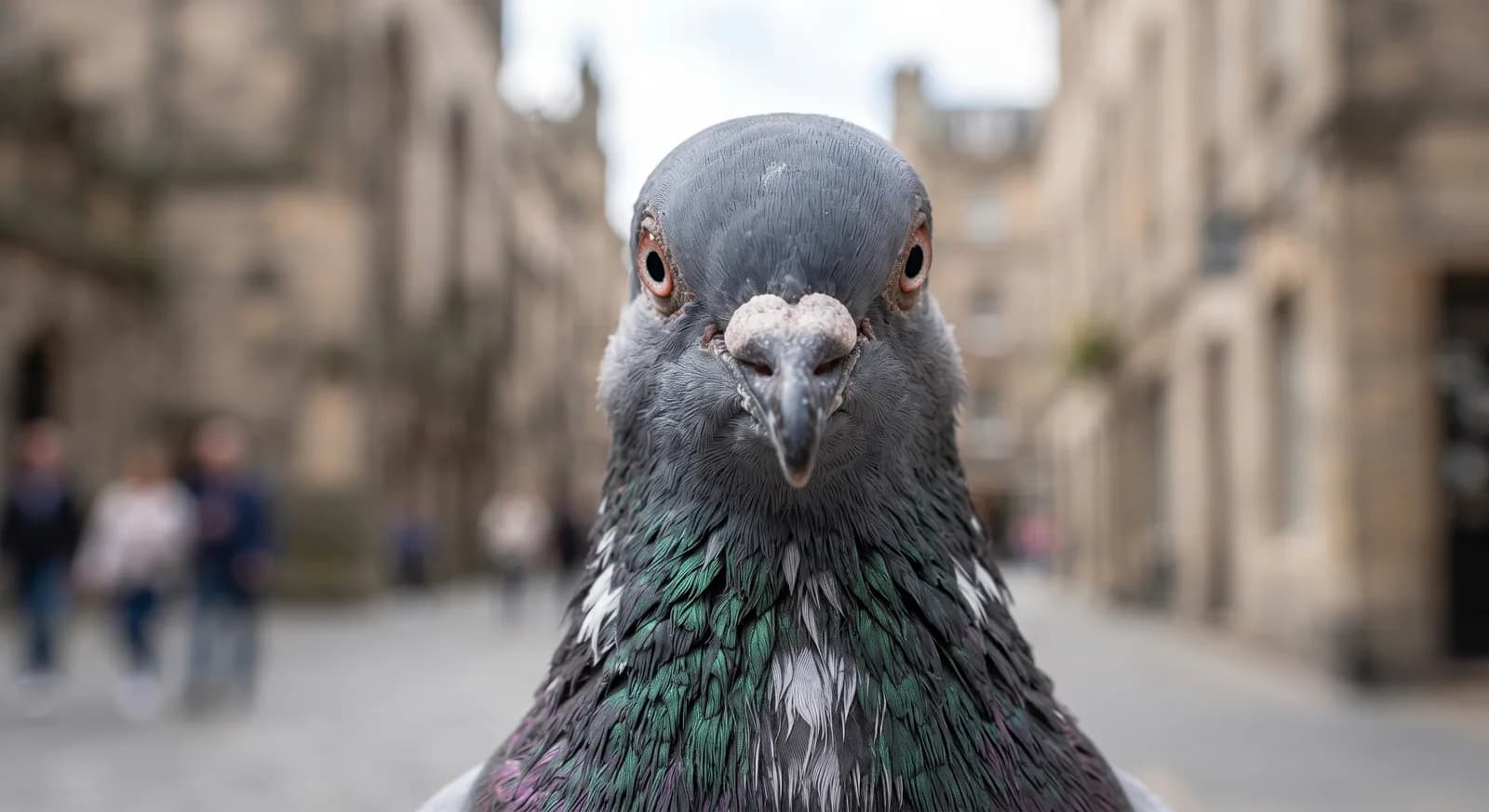 Least Concern
Rock Pigeon
Columba livia
Eurasian Collared Dove
Streptopelia decaocto
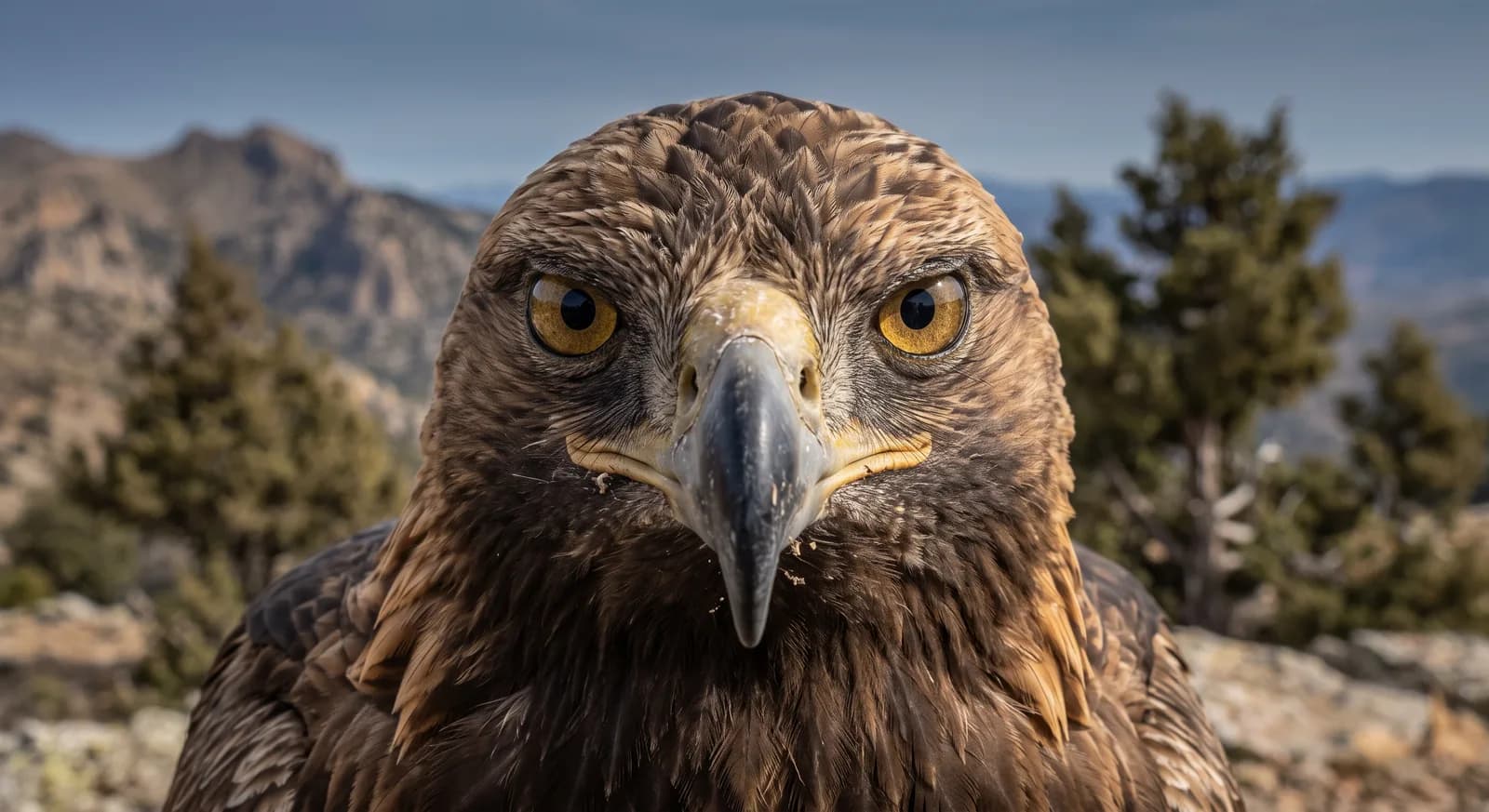 Least Concern
Golden Eagle
Aquila chrysaetos
Keep exploring
Based on what we already know about dunnock.
Comments
Share an experience, a fun fact or a tip for seeing the dunnock.
Be the first to comment.