One of the 2 accentors on WAnimals
Birds · Passeriformes · Prunellidae
Alpine Accentor
Prunella collaris
The species is abundant and widely distributed; it faces no significant short-term risk. See full glossary
The alpine accentor is a passerine bird of the family Prunellidae seen on rocky slopes and high mountain meadows. In winter its range is wider and includes lower altitudes. It has a grey head, a yellowish bill, dark wings and streaked, rufous underparts and flanks. In shape and behaviour it resembles the dunnock, but it is larger.
Weight
30 g – 45 g
Size
15 cm – 18 cm
Lifespan
9 years
Diet
Insectivore
Feeds mainly on insects and other invertebrates.
Activity
Diurnal
Active mainly during the day.
Sighting difficulty
Easy
Fun facts
- It lives in polygynandry: groups of three or four males and three or four females that all mate with each other, in which each male feeds the chicks of the nests where he has copulated. The males' testes are enormous in proportion to the body because of the intensity of sperm competition.
- It is one of the highest-breeding birds in Europe: in the Alps and the Himalayas it is found above 4,000 metres.
Life cycle & biology
- Skeleton type
- Vertebrate - internal bony skeleton (bird)
- Habitat & environment
- Scree, rocky outcrops and alpine meadows above the treeline; in winter it drops to middle altitudes
- Sexual maturity
- 12 months
- Gestation / incubation
- 15 days of incubation
- Litter / clutch size
- 4 eggs
Sources consulted: https://es.wikipedia.org/wiki/Prunella_collaris
Where to find it
See its range on the interactive mapWhere to watch it
Parques y spots de buceo donde se ha documentado esta especie — se muestran 10 de 33 documentados.
Related species
Other species in the catalogue with the most in common with Alpine Accentor — same habitat, park, country, tags or family.
Dunnock
Prunella modularis
White-throated Dipper
Cinclus cinclus
Goldcrest
Regulus regulus
Black Grouse
Lyrurus tetrix
 Least Concern
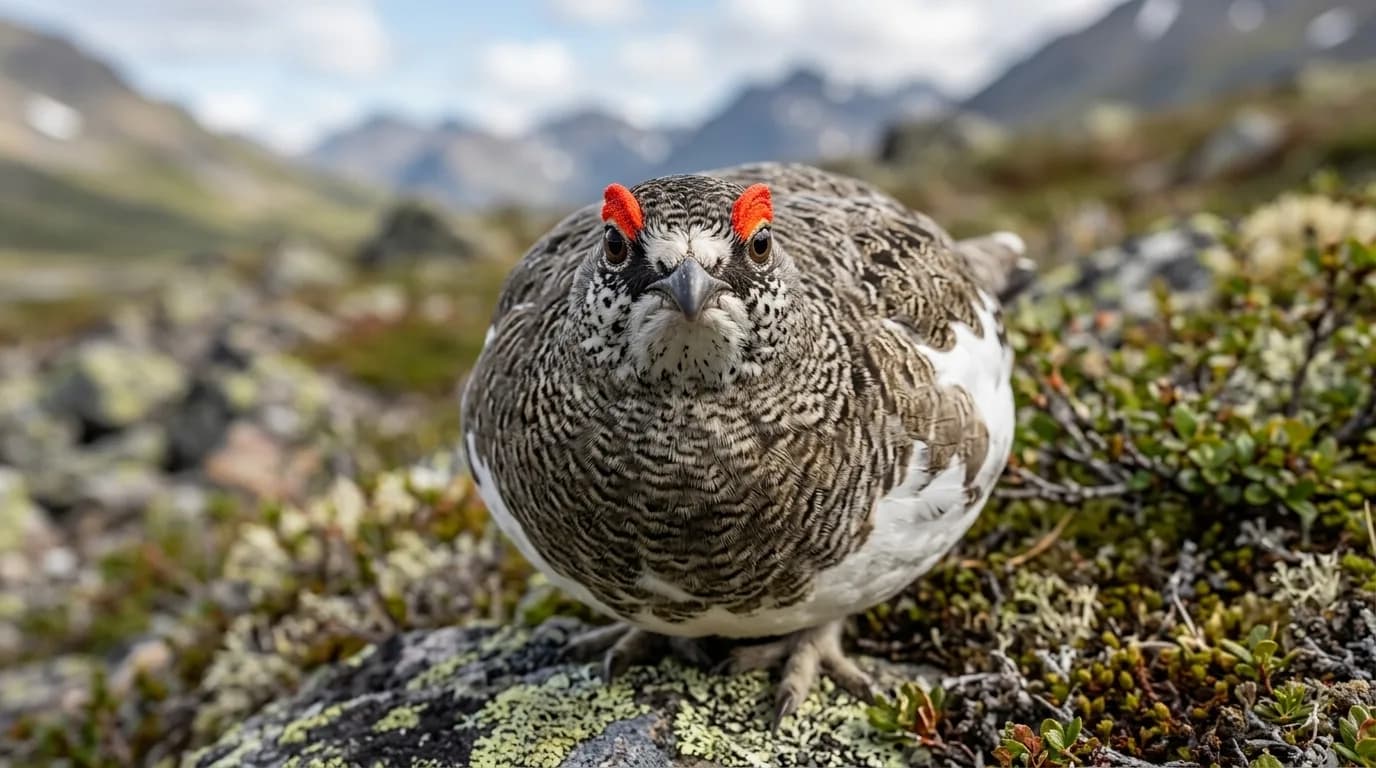
Rock Ptarmigan
Lagopus muta
 Least Concern
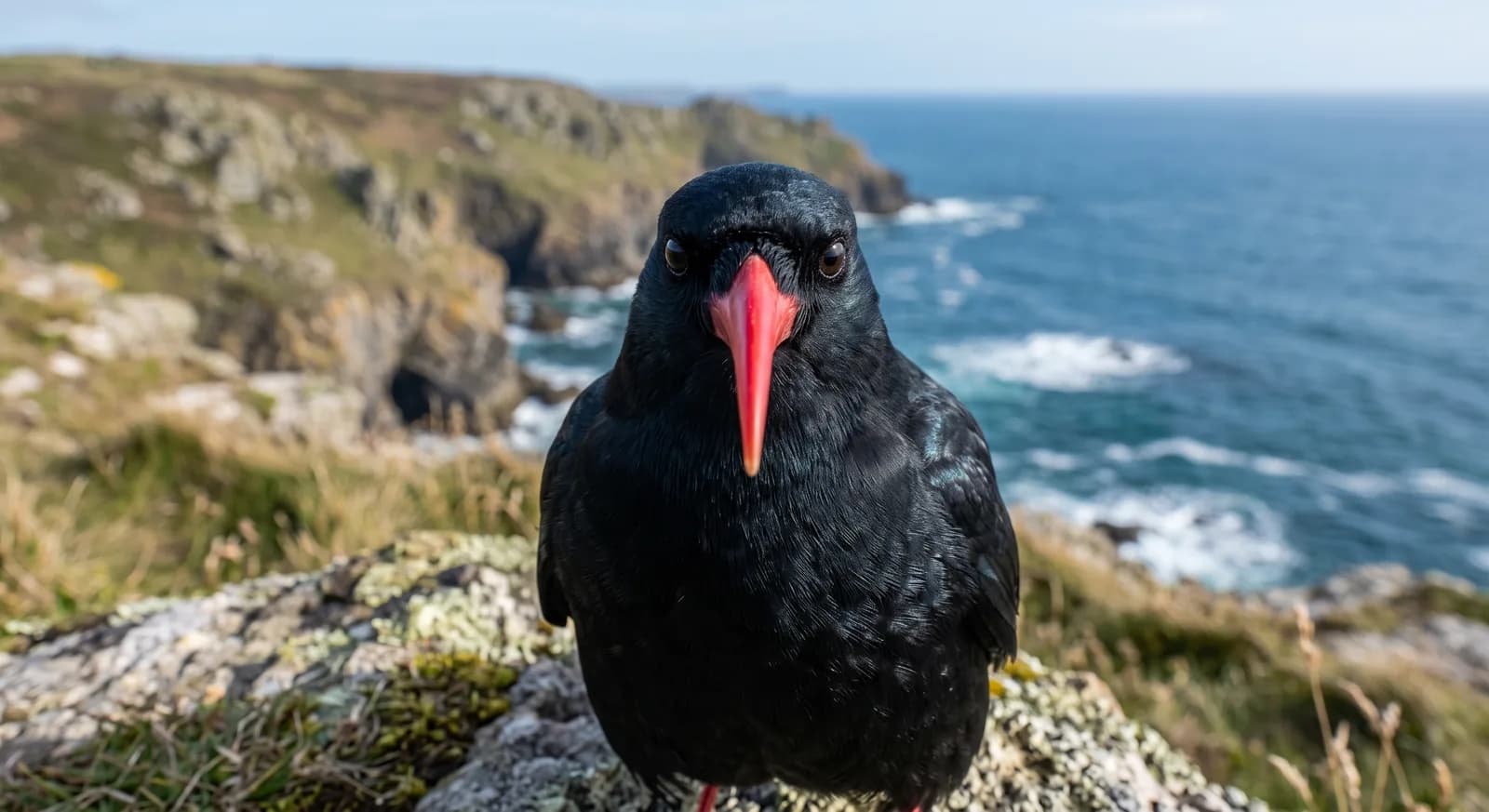
Red-billed Chough
Pyrrhocorax pyrrhocorax
Keep exploring
Based on what we already know about alpine accentor.
Comments
Share an experience, a fun fact or a tip for seeing the alpine accentor.
Be the first to comment.