One of the 2 kinglets on WAnimals
Birds · Passeriformes · Regulidae
Goldcrest
Regulus regulus
The species is abundant and widely distributed; it faces no significant short-term risk. See full glossary
The goldcrest is the smallest bird in Europe: it weighs about six grams, less than a small coin. It is olive green with a yellow or orange crown stripe bordered in black. It lives in coniferous woodland, where it moves tirelessly along the thinnest branches looking for tiny insects. In Spain it is common in mountain pine and fir woods.
Weight
5 g – 7 g
Size
8 cm – 10 cm
Lifespan
7 years
Diet
Insectivore
Feeds mainly on insects and other invertebrates.
Activity
Diurnal
Active mainly during the day.
Social structure
In pairs
Usually lives in pairs, sometimes for life.
Sighting difficulty
Easy
Fun facts
- comportamientoIt is one of the smallest birds in Europe and yet, for all its size, some populations migrate hundreds of kilometres, crossing even the North Sea.
- It is the smallest bird in Europe, at about six grams, and even so it breeds in forests where winter drops below twenty degrees under zero: to survive the night it has to eat almost its own weight in insects every day.
- It lays up to eleven eggs in a clutch, one of the largest of any European passerine, in a hanging nest of moss and cobweb the size of a golf ball.
- In winter it sleeps huddled with other goldcrests in a tight ball among the branches, sharing body heat to survive the coldest nights.
Life cycle & biology
- Skeleton type
- Vertebrate - internal bony skeleton (bird)
- Habitat & environment
- Coniferous woodland, fir and pine woods and parks with conifers of Europe and Asia
- Birth weight
- Altricial: born blind, naked or with sparse down and entirely dependent
- Size at birth
- Altricial: born blind, naked or with sparse down and entirely dependent
- Sexual maturity
- 12 months
- Gestation / incubation
- 16 days of incubation
- Litter / clutch size
- 9 eggs
Sources consulted: https://es.wikipedia.org/wiki/Regulus_regulus
Where to find it
See its range on the interactive mapBest time: All year round in pine and fir woods; in winter it joins mixed flocks and drops down into lower woodland, parks and gardens.
Where to watch it
Parques y spots de buceo donde se ha documentado esta especie — se muestran 10 de 210 documentados.
Related species
Other species in the catalogue with the most in common with Goldcrest — same habitat, park, country, tags or family.
Firecrest
Regulus ignicapilla
Willow Ptarmigan
Lagopus lagopus
Western Capercaillie
Tetrao urogallus
Eurasian Collared Dove
Streptopelia decaocto
European Nightjar
Caprimulgus europaeus
 Least Concern
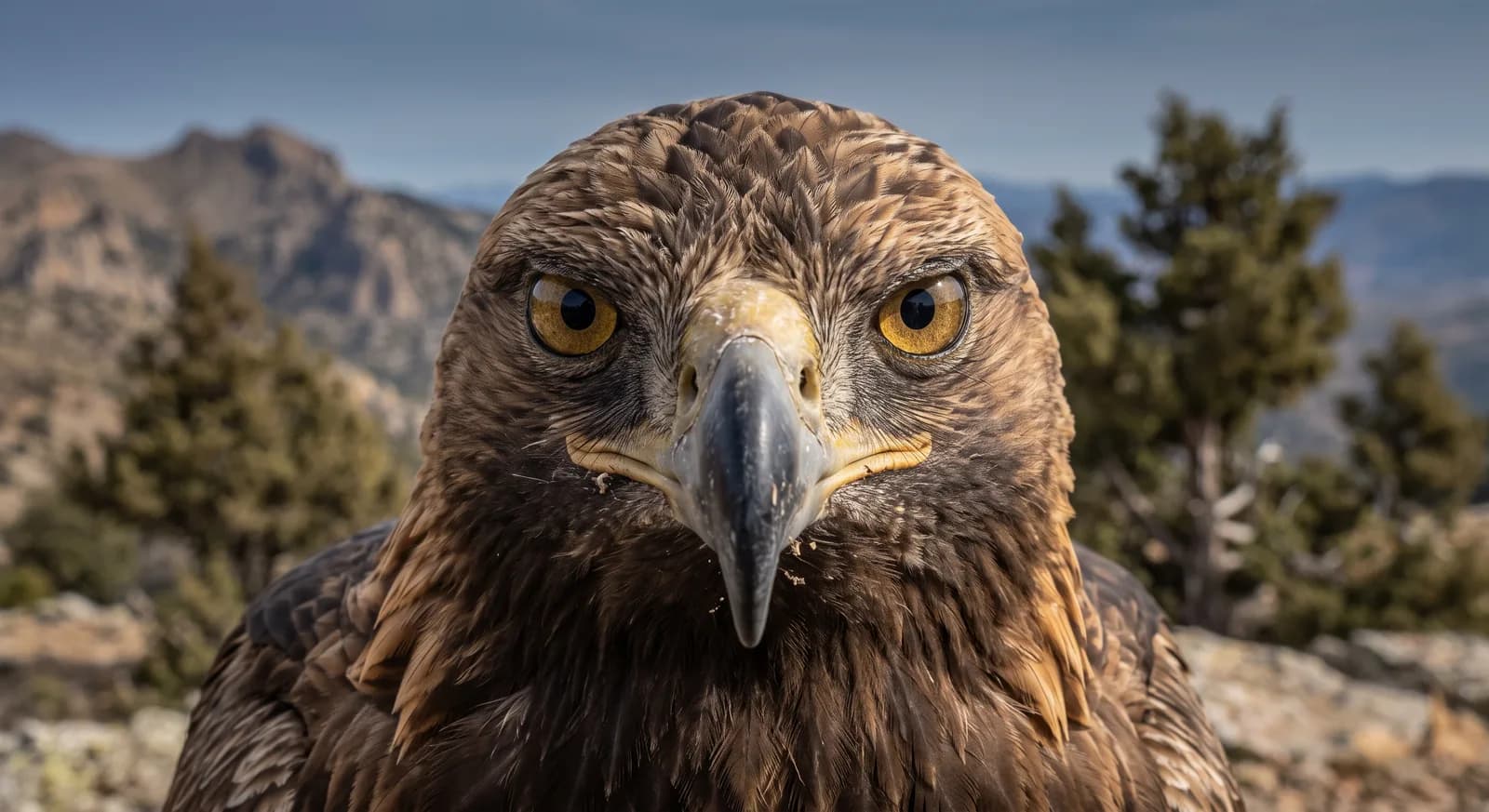
Golden Eagle
Aquila chrysaetos
Keep exploring
Based on what we already know about goldcrest.
Comments
Share an experience, a fun fact or a tip for seeing the goldcrest.
Be the first to comment.