One of the 2 nightjars on WAnimals
Birds · Caprimulgiformes · Caprimulgidae
European Nightjar
Caprimulgus europaeus
The species is abundant and widely distributed; it faces no significant short-term risk. See full glossary
A nocturnal bird with extraordinarily cryptic plumage, mottled in brown, buff, grey and black, which makes it almost invisible on the ground or perched along a branch. It has a very short bill but an enormous gape surrounded by bristles for catching insects in flight, and long, narrow wings and tail. The male has white spots on three primaries and on the outer tail feathers; the female has none.
Weight
67 g on average
Size
24 cm – 28 cm
Lifespan
4 years
Diet
Insectivore
Feeds mainly on insects and other invertebrates.
Activity
Nocturnal
Active mainly at night.
Social structure
In pairs
Usually lives in pairs, sometimes for life.
Sighting difficulty
Easy
Fun facts
- alimentaciónIts mouth is enormous for the size of its head, and it uses it as a net to catch flying insects on the wing at night.
- Its scientific name and its common name in several European languages come from an ancient myth that had it suckling from goats: Caprimulgus means literally "goat-milker", from capra and mulgere.
- Its song is a monotonous, continuous churring that recalls a car engine or a cat's purr.
- It perches along the branch, not across it as other birds do, which helps it go unnoticed by day.
Life cycle & biology
- Skeleton type
- Vertebrate - internal bony skeleton (bird)
- Habitat & environment
- Open, dry country with some trees and bushes: heathland, forest clearings, edges, scrub and cool dehesas. In Spain it occupies mainly the northern half and the mountains of the south (the Baetic and Penibaetic ranges), with recent records in the Guadalquivir valley and the south-east. It also breeds in the Balearics and, sparsely, in Ceuta
- Birth weight
- Semi-altricial: born covered in down and with its eyes open, but dependent
- Size at birth
- Semi-altricial: covered in cryptic down on hatching
- Sexual maturity
- 12 months
- Gestation / incubation
- 17-18 days of incubation
- Litter / clutch size
- It is monogamous and may have two clutches, in mid to late spring and in July, in the slightest scrape on the ground and generally without adding any material to the nest
Sources consulted: IUCN Red List; SEO/BirdLife (ficha y III Atlas); Asturnatura; MITECO; Sierra de Baza (ficha técnica); Monaco Nature Encyclopedia; Linnaeus 1758
Where to find it
See its range on the interactive mapBest time: At twilight in spring and summer, high in the sierras; it is a summer visitor in Spain
Where to watch it
Parques y spots de buceo donde se ha documentado esta especie — se muestran 10 de 154 documentados.
Related species
Other species in the catalogue with the most in common with European Nightjar — same habitat, park, country, tags or family.
Red-necked Nightjar
Caprimulgus ruficollis
 Least Concern
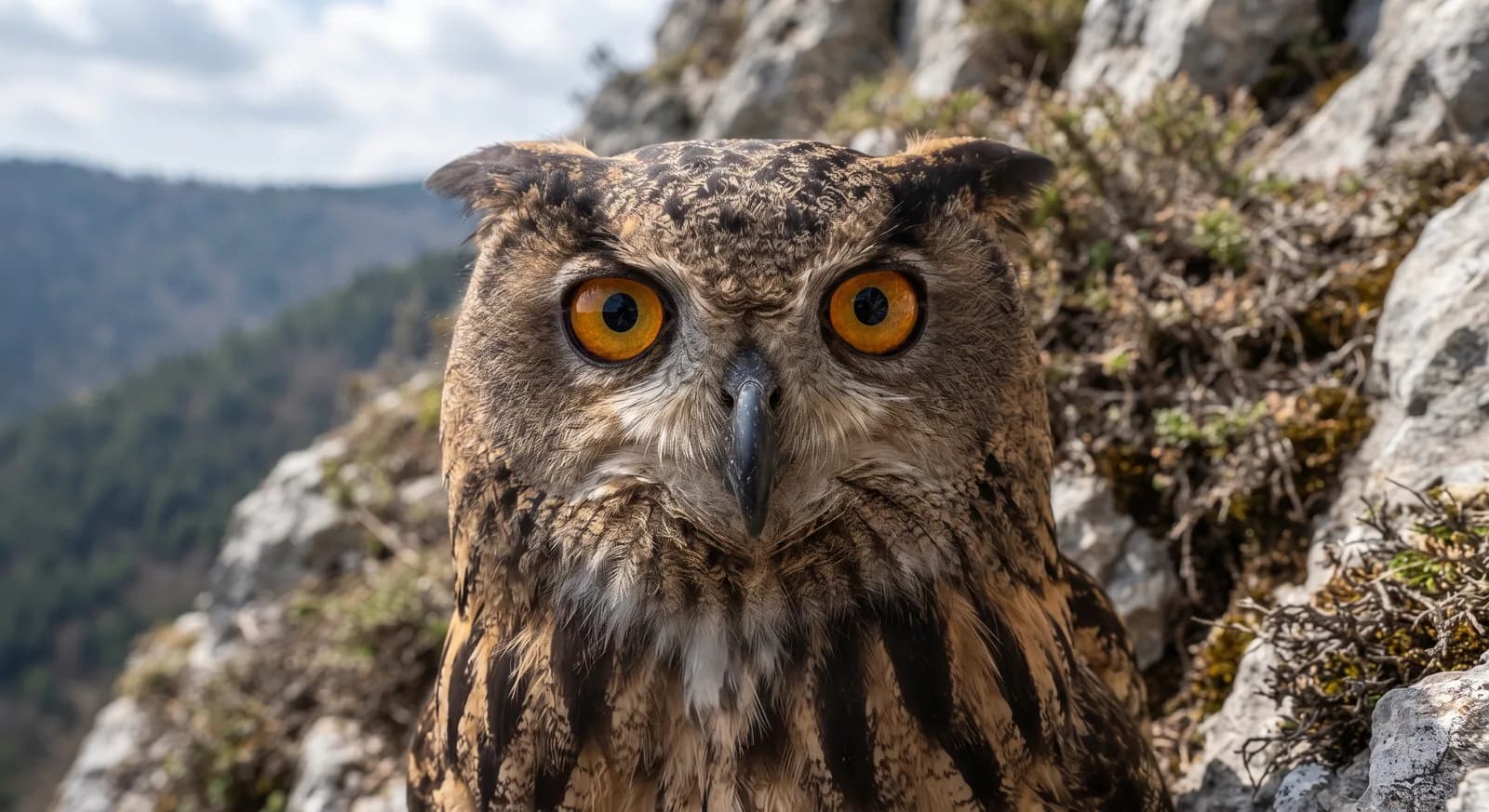
Eurasian Eagle-Owl
Bubo bubo
Goldcrest
Regulus regulus
Eurasian Scops Owl
Otus scops
 Least Concern
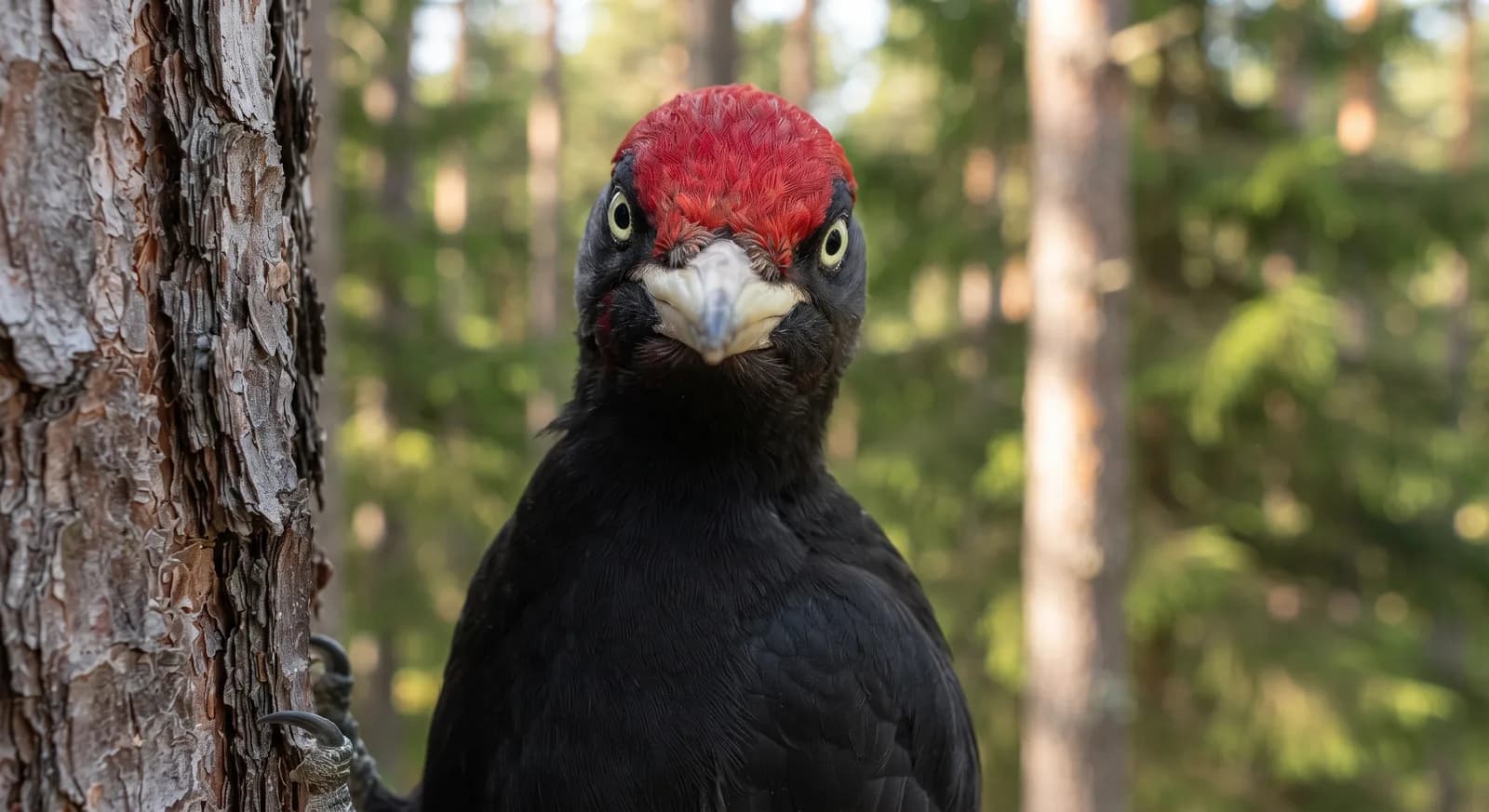
Black Woodpecker
Dryocopus martius
European Crested Tit
Lophophanes cristatus
Keep exploring
Based on what we already know about european nightjar.
Comments
Share an experience, a fun fact or a tip for seeing the european nightjar.
Be the first to comment.