Birds · Galliformes · Phasianidae
Western Capercaillie
Tetrao urogallus
The species is abundant and widely distributed; it faces no significant short-term risk. See full glossary
The western capercaillie is a galliform bird of the family Phasianidae. It is distributed across much of boreal Europe and in small mountain enclaves of temperate areas such as the Cantabrian Mountains, the Pyrenees, the Alps and the Jura.
Weight
2 kg – 3.8 kg
Diet
Herbivore
Feeds mainly on plants.
Activity
Diurnal
Active mainly during the day.
Social structure
Solitary
Lives and hunts alone, joining others only to breed.
Sighting difficulty
Easy
Fun facts
- reproducciónMales perform a courtship ritual, the lek, at particular spots in the forest, with highly distinctive postures and calls to attract females.
Life cycle & biology
- Skeleton type
- Vertebrate - internal bony skeleton (bird)
- Habitat & environment
- Mature mountain forest, conifers in the core of its range and beech and other deciduous woodland in the Cantabrian Mountains, with a dense shrub understorey
- Size at birth
- Precocial, cryptically marked chicks, which leave the nest soon after hatching and follow the female
- Sexual maturity
- 3 years
- Gestation / incubation
- 26-29 days of incubation, by the female alone
- Litter / clutch size
- 5-8 eggs, with records of up to twelve
Sources consulted: https://es.wikipedia.org/wiki/Tetrao_urogallus
Where to find it
See its range on the interactive mapBest time: April and May, during the display season at the leks, although in Spain access to those areas is restricted so as not to disturb the species
Where to watch it
Parques y spots de buceo donde se ha documentado esta especie — se muestran 10 de 34 documentados.
Related species
Other species in the catalogue with the most in common with Western Capercaillie — same habitat, park, country, tags or family.
Black Grouse
Lyrurus tetrix
Grey Partridge
Perdix perdix
Willow Ptarmigan
Lagopus lagopus
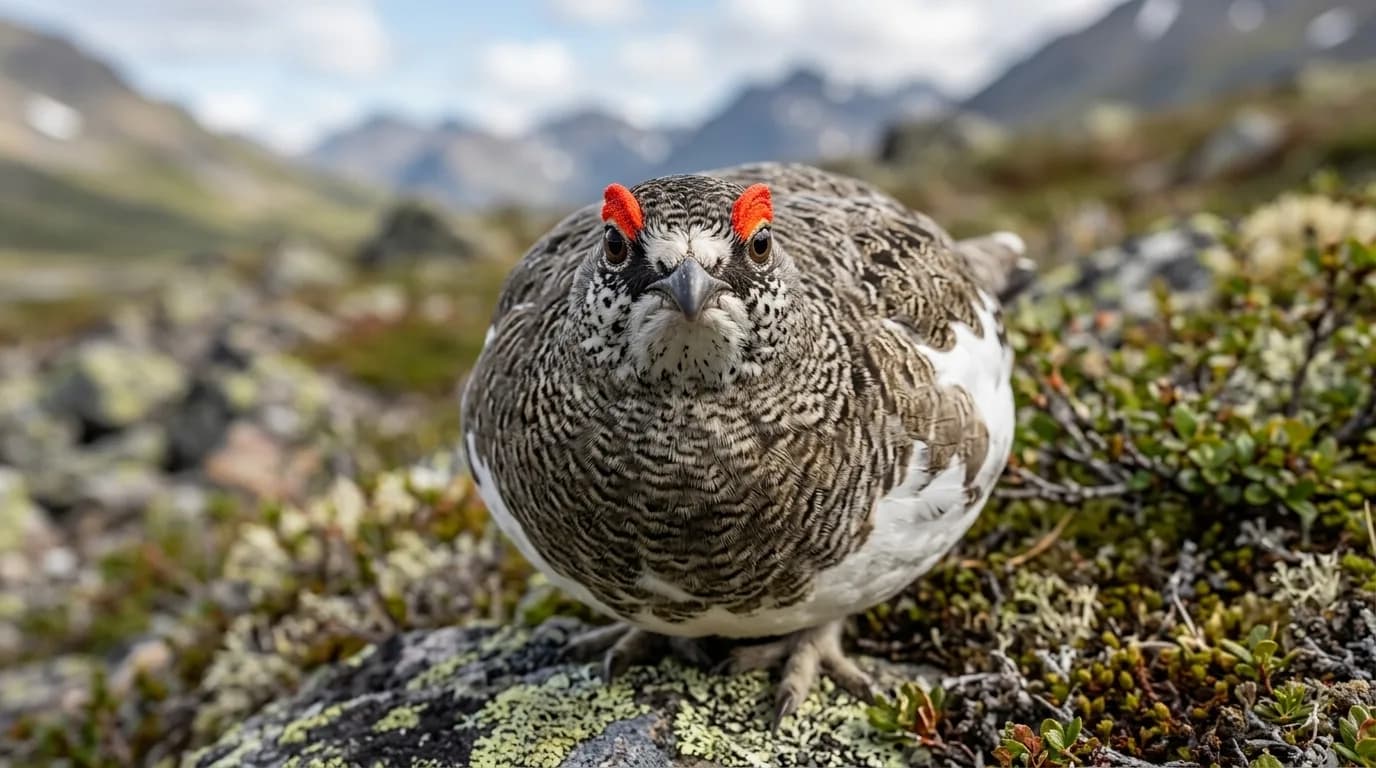 Least Concern
Rock Ptarmigan
Lagopus muta
Red-legged Partridge
Alectoris rufa
Common Quail
Coturnix coturnix
Keep exploring
Based on what we already know about western capercaillie.
Comments
Share an experience, a fun fact or a tip for seeing the western capercaillie.
Be the first to comment.