One of the 5 partridges on WAnimals
Birds · Galliformes · Phasianidae
Red-legged Partridge
Alectoris rufa
It faces a high risk of extinction in the wild over the medium term. See full glossary
Some pairs practise double clutching: the female may start two nests at once in separate scrapes, each incubated by one parent, doubling her potential breeding success.
Weight
390 g – 550 g
Size
33 cm – 36 cm
Lifespan
3 years
Diet
Herbivore
Feeds mainly on plants.
Activity
Diurnal
Active mainly during the day.
Social structure
Herd
Lives in large groups as a strategy against predators.
Sighting difficulty
Moderate
Fun facts
- It eats seeds, grain and plants, supplemented with small invertebrates.
- It lives on open, sunny, dry lowland farmland in western Europe.
- It is at high risk of dying out in the wild across part of its range.
Life cycle & biology
- Skeleton type
- Vertebrate - pneumatised bony skeleton (bird)
- Habitat & environment
- Open, sunny, dry lowland farmland of western Europe, the Iberian Peninsula above all
- Birth weight
- Weight at hatching not found as a precise figure
- Size at birth
- Born precocial, able to move soon after hatching
- Sexual maturity
- 1 year (full breeding maturity at 2 years)
- Gestation / incubation
- 23-25 days (usual reference 23-24 days)
- Litter / clutch size
- 7 to 20 eggs per clutch (most commonly 10-16)
Sources consulted: ResearchGate (egg characteristics study); Wildlife Trusts; EBSCO Research Starters; Bird Hunting Spain; Animalia.bio; Oxford Academic Poultry Science (age laying performance study); BirdLife DataZone
Where to find it
See its range on the interactive mapBest time: All year round in Mediterranean farmland and scrub; in spring the males call from stone piles and field banks and are far more conspicuous.
Where to watch it
Parques y spots de buceo donde se ha documentado esta especie — se muestran 10 de 53 documentados.
Related species
Other species in the catalogue with the most in common with Red-legged Partridge — same habitat, park, country, tags or family.
Grey Partridge
Perdix perdix
Common Pheasant
Phasianus colchicus
Black Grouse
Lyrurus tetrix
Willow Ptarmigan
Lagopus lagopus
 Least Concern
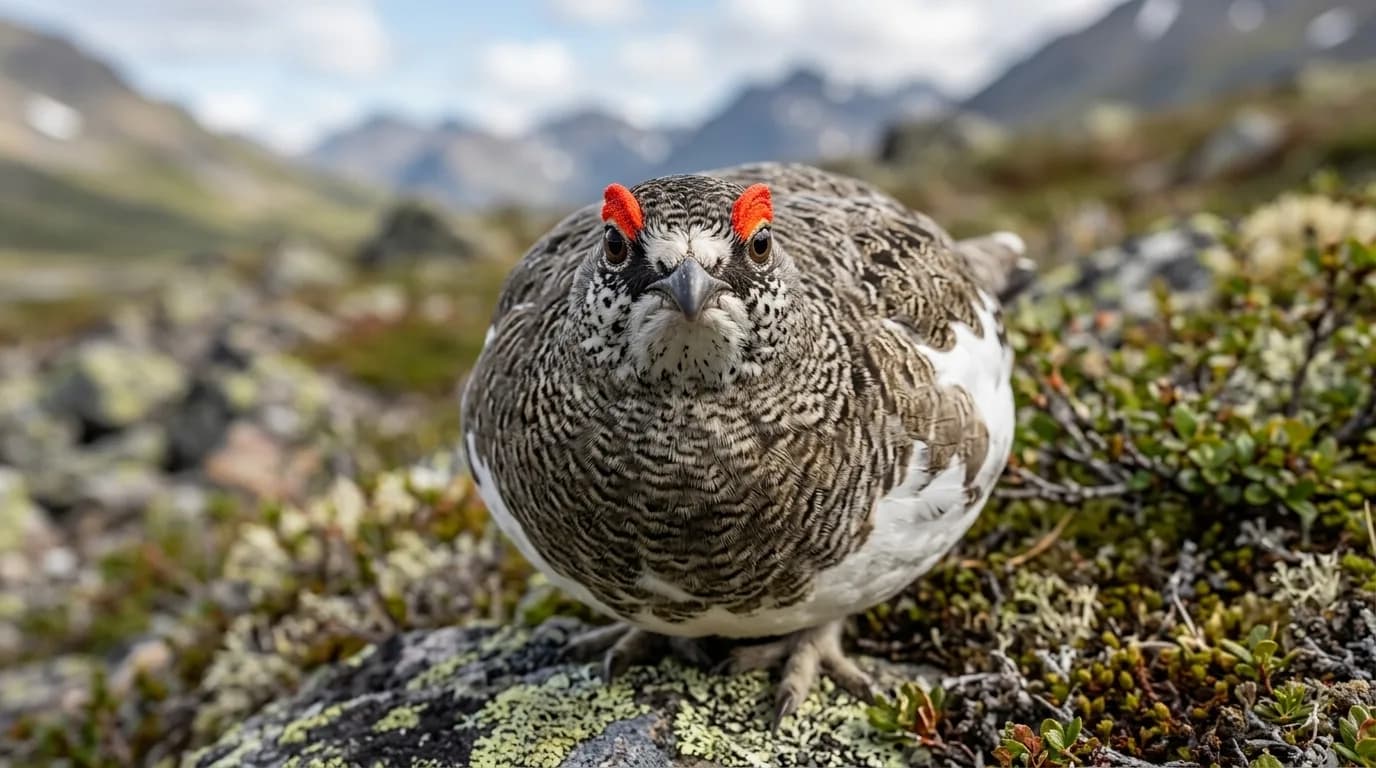
Rock Ptarmigan
Lagopus muta
Common Quail
Coturnix coturnix
How to help
The red-legged partridge is classified as vulnerable. Organizations such as UICN, WWF y Wildlife Conservation Society work specifically on its conservation and that of its habitat; looking into their programs is a good starting point if you want to get involved.
It's documented in 10 real protected areas — part of why protecting these places matters for its conservation.
Keep exploring
Based on what we already know about red-legged partridge.
Comments
Share an experience, a fun fact or a tip for seeing the red-legged partridge.
Be the first to comment.