One of the 5 partridges on WAnimals
Birds · Galliformes · Phasianidae
Grey Partridge
Perdix perdix
The species is abundant and widely distributed; it faces no significant short-term risk. See full glossary
The grey partridge is a bird of the European countryside that has suffered one of the most severe declines of any bird on the continent: the British population has fallen by more than 90% since the 1960s. The cause is well identified: herbicides removed the weeds, the insects went with them, and the chicks, which depend entirely on insects for their first few weeks, starve. In Spain a relict mountain population survives.
Weight
300 g – 450 g
Size
28 cm – 32 cm
Lifespan
5 years
Diet
Herbivore
Feeds mainly on plants.
Activity
Diurnal
Active mainly during the day.
Social structure
Family group
Lives in small family groups with close bonds.
Sighting difficulty
Easy
Fun facts
- GeneralIn Iberia it survives only high in the mountains, cut off from the rest of Europe.
- Its decline is the classic case study of the impact of intensive farming on wildlife: the chicks need insects for their first two weeks, and the herbicides that removed the weeds removed with them the insects they depended on.
- It lays one of the largest clutches of any bird: up to twenty eggs in a single laying, a strategy suited to extremely high juvenile mortality.
- In Spain it survives only in the Cantabrian Mountains and the Pyrenees, in isolated mountain populations listed as threatened.
Life cycle & biology
- Skeleton type
- Vertebrate - internal bony skeleton (bird)
- Habitat & environment
- Cereal farmland with field boundaries, hedges and fallow; in Spain, mountain pasture and scrub
- Birth weight
- Precocial: born covered in down and leaves the nest within a few hours
- Size at birth
- Precocial: born covered in down and leaves the nest within a few hours
- Sexual maturity
- 12 months
- Gestation / incubation
- 24 days
- Litter / clutch size
- 16
Sources consulted: https://es.wikipedia.org/wiki/Perdix_perdix
Where to find it
See its range on the interactive mapBest time: All year round in mixed farmland and cereal country; in spring the males call at dawn and dusk from banks and field edges.
Where to watch it
Parques y spots de buceo donde se ha documentado esta especie — se muestran 10 de 43 documentados.
Related species
Other species in the catalogue with the most in common with Grey Partridge — same habitat, park, country, tags or family.
Black Grouse
Lyrurus tetrix
Willow Ptarmigan
Lagopus lagopus
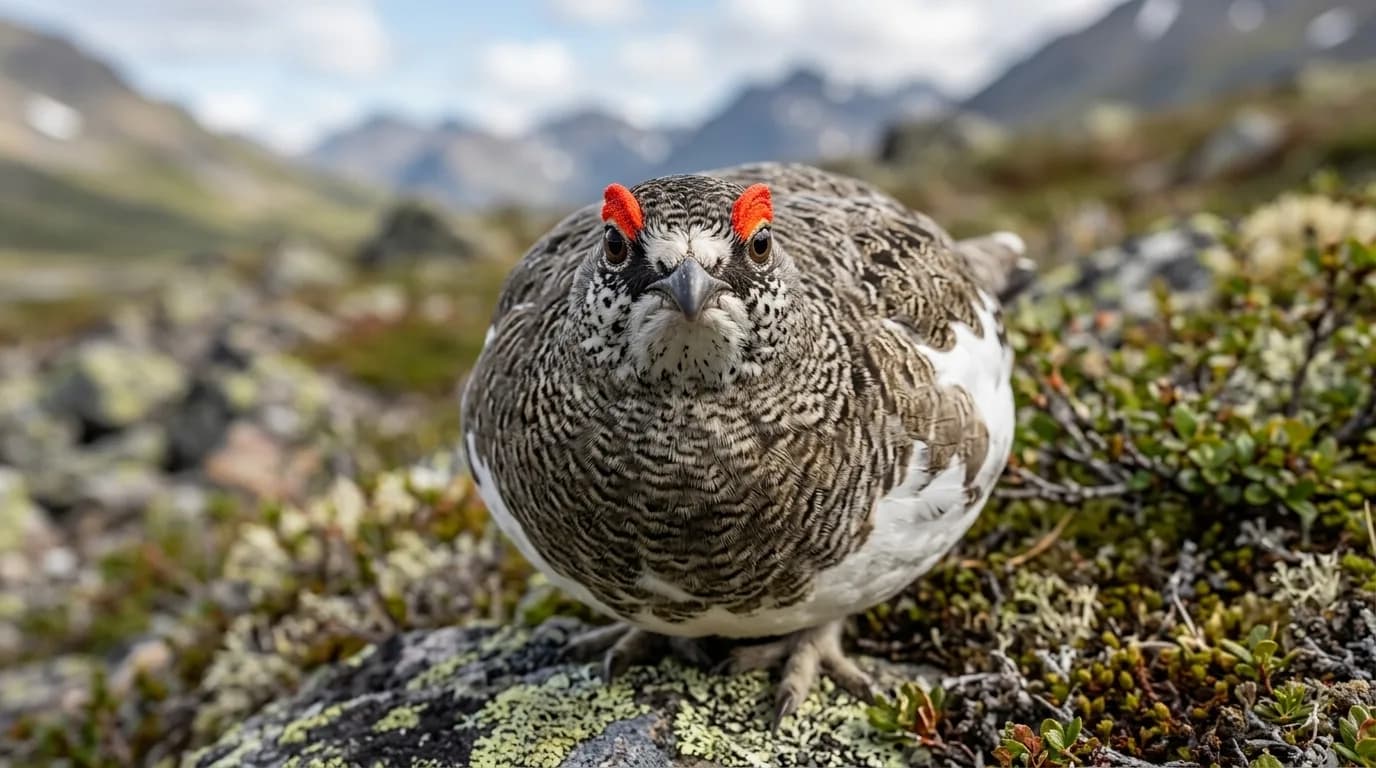 Least Concern
Rock Ptarmigan
Lagopus muta
Western Capercaillie
Tetrao urogallus
Red-legged Partridge
Alectoris rufa
Common Pheasant
Phasianus colchicus
Keep exploring
Based on what we already know about grey partridge.
Comments
Share an experience, a fun fact or a tip for seeing the grey partridge.
Be the first to comment.