Birds · Charadriiformes · Burhinidae
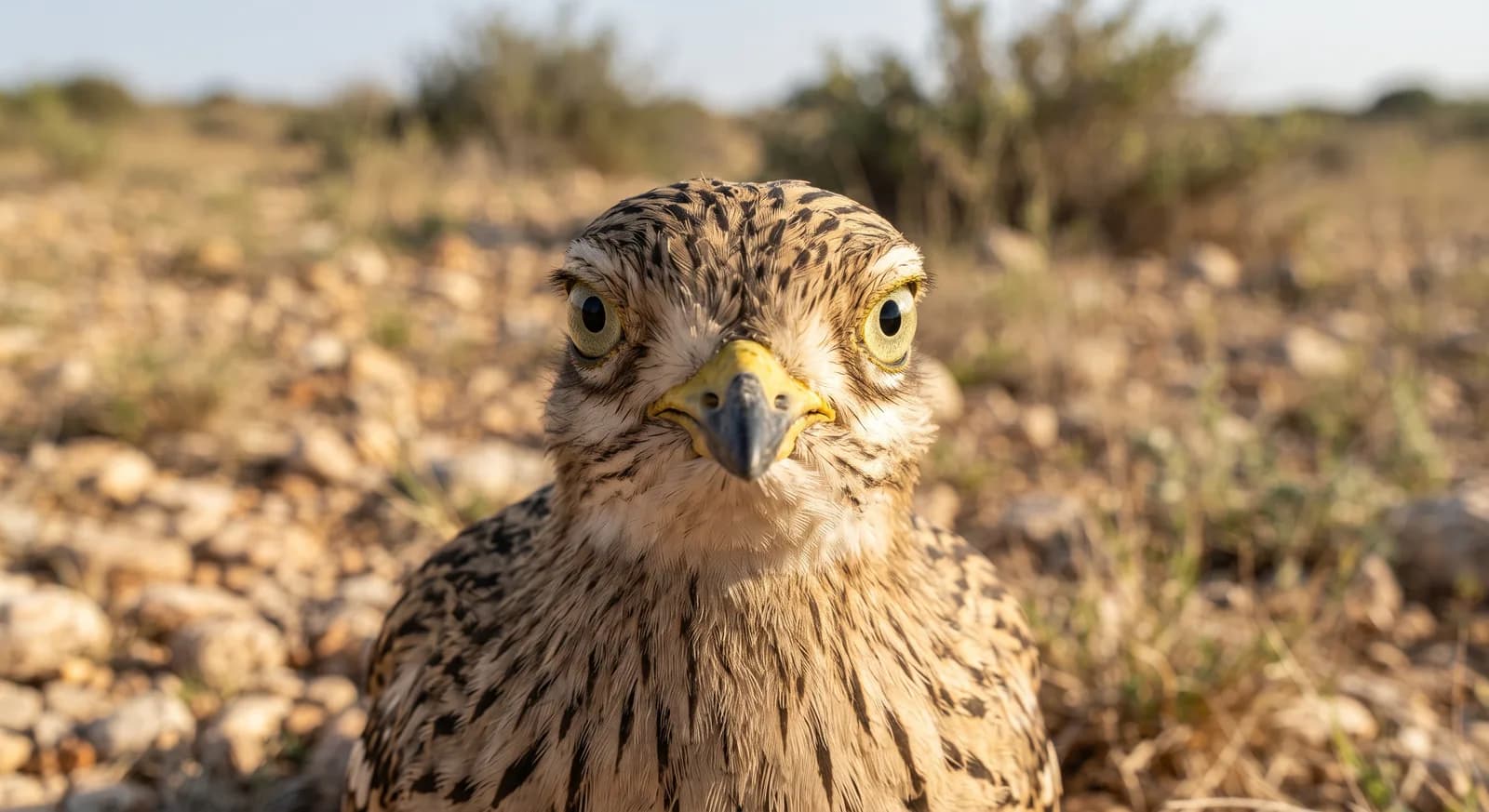
Eurasian Stone-Curlew
Burhinus oedicnemus
The species is abundant and widely distributed; it faces no significant short-term risk. See full glossary
A medium-large wader within its family, with cryptic pale brown plumage and dark streaking on the upperparts. Its eyes are large and yellow, adapted to activity at dusk and by night, and give it an unmistakable look. The legs are long and yellowish, with prominent joints.
Weight
290 g – 535 g
Size
38 cm – 46 cm
Diet
Carnivore
Feeds mainly on other animals.
Activity
Nocturnal
Active mainly at night.
Sighting difficulty
Easy
Fun facts
- It is the wader that breaks its order's rule: while plovers, oystercatchers and sandpipers live tied to water, the stone-curlew occupies dry steppe far from any shore.
- Its huge yellow eyes are an adaptation to hunting at night, and have earned it the English name stone-curlew.
- Linnaeus described it in 1758 as Charadrius oedicnemus, within the plover genus.
Life cycle & biology
- Skeleton type
- Vertebrate - internal bony skeleton (bird)
- Habitat & environment
- Steppe and dry grassland away from water, unlike the rest of the waders, which are mostly tied to it. Also dry farmland, fallow ground and wasteland
- Sexual maturity
- 23.9 months
Sources consulted: IUCN Red List; Wikipedia (Burhinus oedicnemus); Catálogo de fauna protegida de la Comunidad de Madrid; Anuario Ornitológico de Albacete (especie objetivo 2016); Linnaeus 1758
Where to find it
See its range on the interactive mapBest time: At dusk and by night, when it gives itself away with whistled calls from the plains
Where to watch it
Parques y spots de buceo donde se ha documentado esta especie — se muestran 10 de 72 documentados.
Related species
Other species in the catalogue with the most in common with Eurasian Stone-Curlew — same habitat, park, country, tags or family.
European Storm-Petrel
Hydrobates pelagicus
Black-crowned Night Heron
Nycticorax nycticorax
 Least Concern
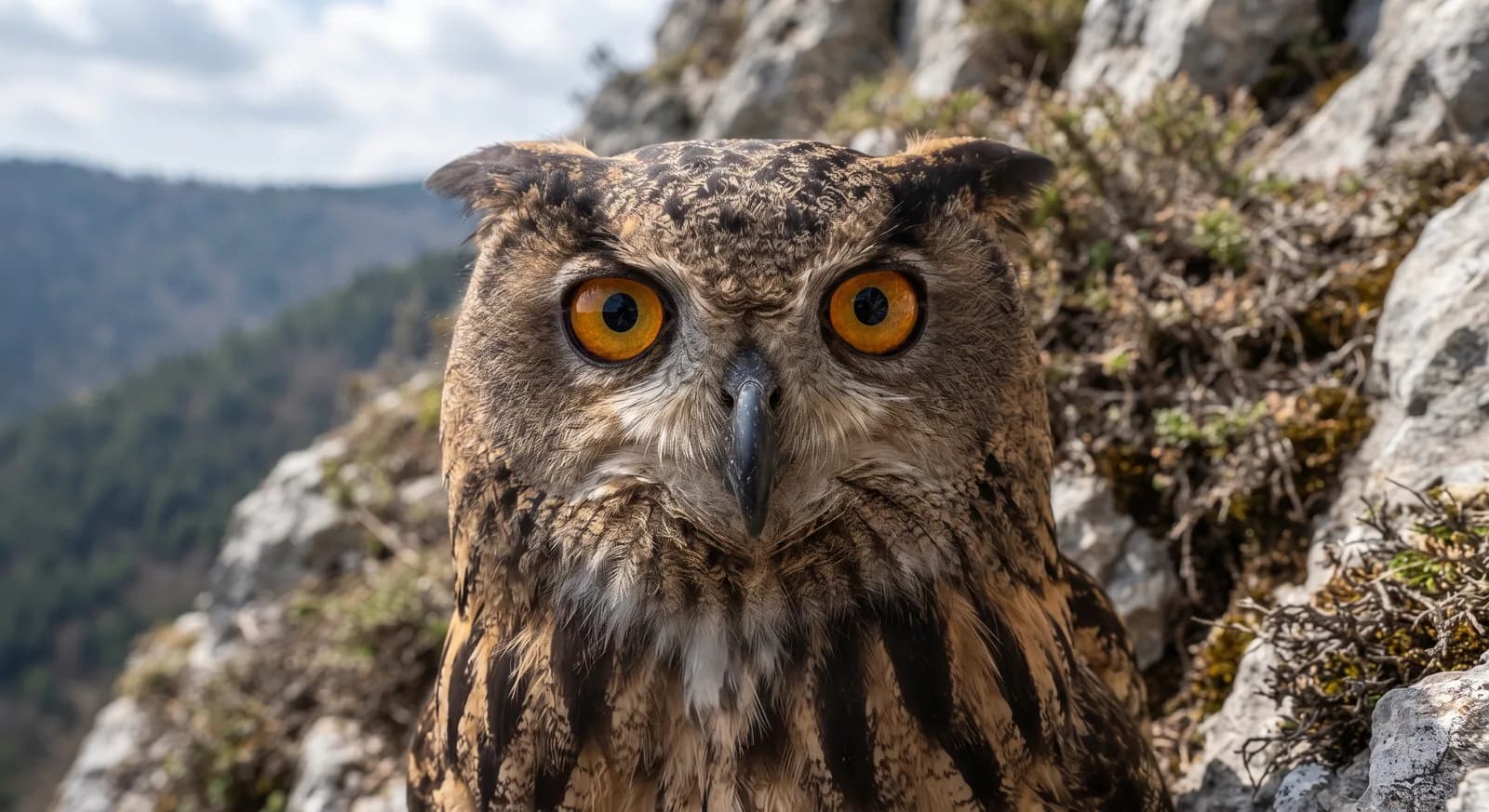
Eurasian Eagle-Owl
Bubo bubo
 Least Concern
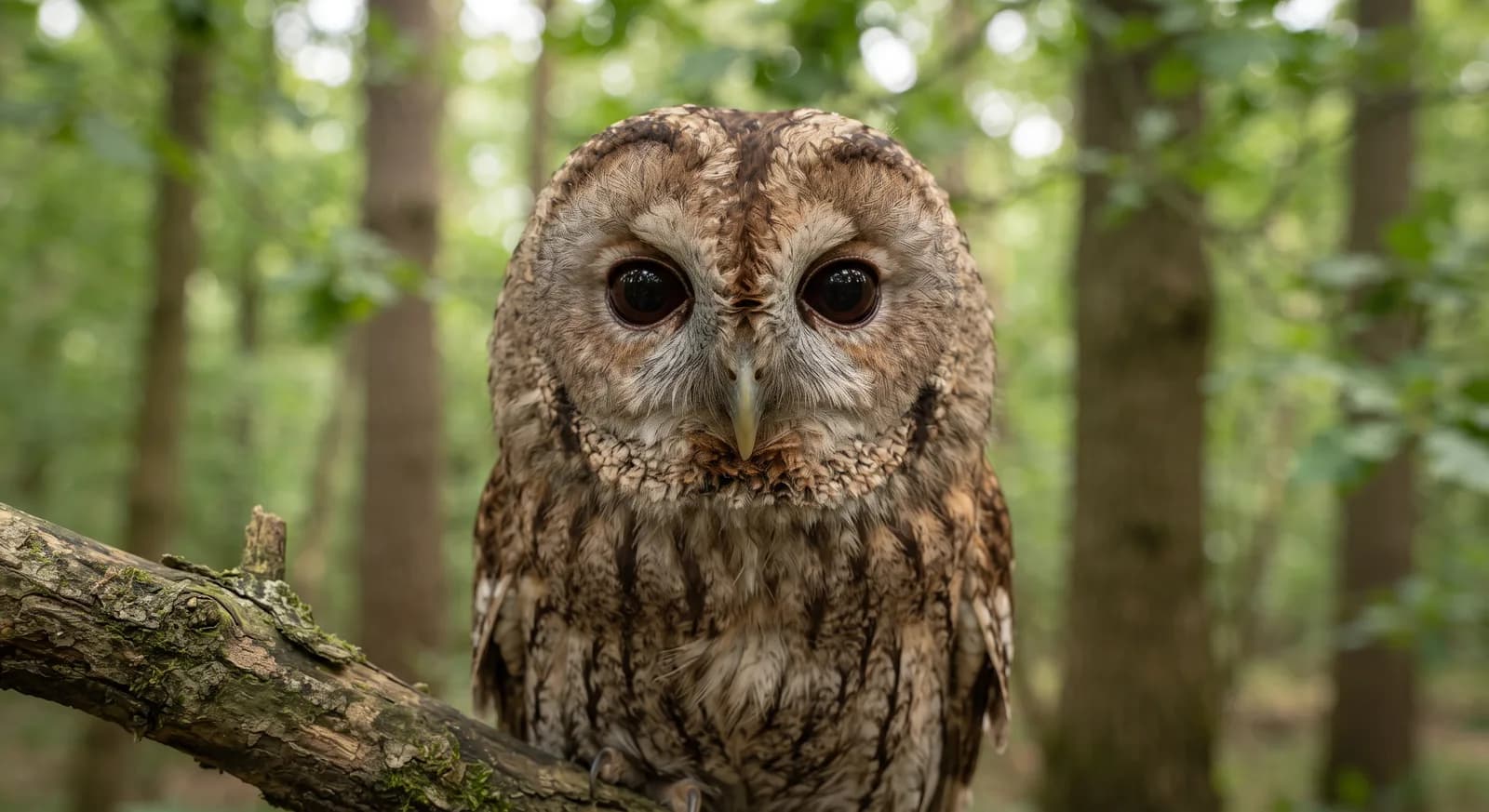
Tawny Owl
Strix aluco
Long-eared Owl
Asio otus
Barn Owl
Tyto alba
Keep exploring
Based on what we already know about eurasian stone-curlew.
Comments
Share an experience, a fun fact or a tip for seeing the eurasian stone-curlew.
Be the first to comment.