Birds · Pelecaniformes · Ardeidae
Black-crowned Night Heron
Nycticorax nycticorax
The species is abundant and widely distributed; it faces no significant short-term risk. See full glossary
A stocky heron with a very short neck for its family and a stout black bill. Blackish crown, nape and back, grey wings and greyish white underparts, with a pure white face, throat and belly. Its eyes are an unmistakable intense red and two or three long white plumes spring from the nape.
Weight
500 g – 700 g
Size
58 cm – 65 cm
Diet
Carnivore
Feeds mainly on other animals.
Activity
Nocturnal
Active mainly at night.
Social structure
Colony
Lives in large concentrations, often for breeding reasons.
Sighting difficulty
Easy
Fun facts
- comportamientoIt is a heron of mainly nocturnal or crepuscular habits, unlike most herons, and hunts by standing still at the water's edge waiting for prey.
- Its scientific name means literally 'night raven': in flight it gives a hoarse croak reminiscent of a crow's, which is also the source of its Andalusian folk name, garza bruja, the witch heron.
- It begins its activity just as the other herons in the colony retire to roost, which reduces competition for the feeding grounds.
- In the Ebro delta the eating of other birds has been documented in its diet, a trait more typical of American than of European populations.
Life cycle & biology
- Skeleton type
- Vertebrate - internal bony skeleton (bird)
- Habitat & environment
- The middle and lower reaches of large rivers and Mediterranean-facing wetlands with abundant marsh vegetation and well-preserved banks. Rarely above 200 m of altitude. Practically absent from the Cantabrian coast, Galicia and the Pyrenean area
- Sexual maturity
- 12 months
- Gestation / incubation
- 25 days
- Litter / clutch size
- 4
Sources consulted: SEO/BirdLife (ficha y III Atlas de las aves en época de reproducción en España); IUCN Red List; Asturnatura; Wikipedia (Nycticorax nycticorax); estudios sobre alimentación de pollos en el delta del Ebro y las marismas del Guadalquivir (Ardeola)
Where to find it
See its range on the interactive mapBest time: From spring to summer, at dusk, when it leaves the heronry for its feeding grounds
Where to watch it
Parques y spots de buceo donde se ha documentado esta especie — se muestran 10 de 100 documentados.
Related species
Other species in the catalogue with the most in common with Black-crowned Night Heron — same habitat, park, country, tags or family.
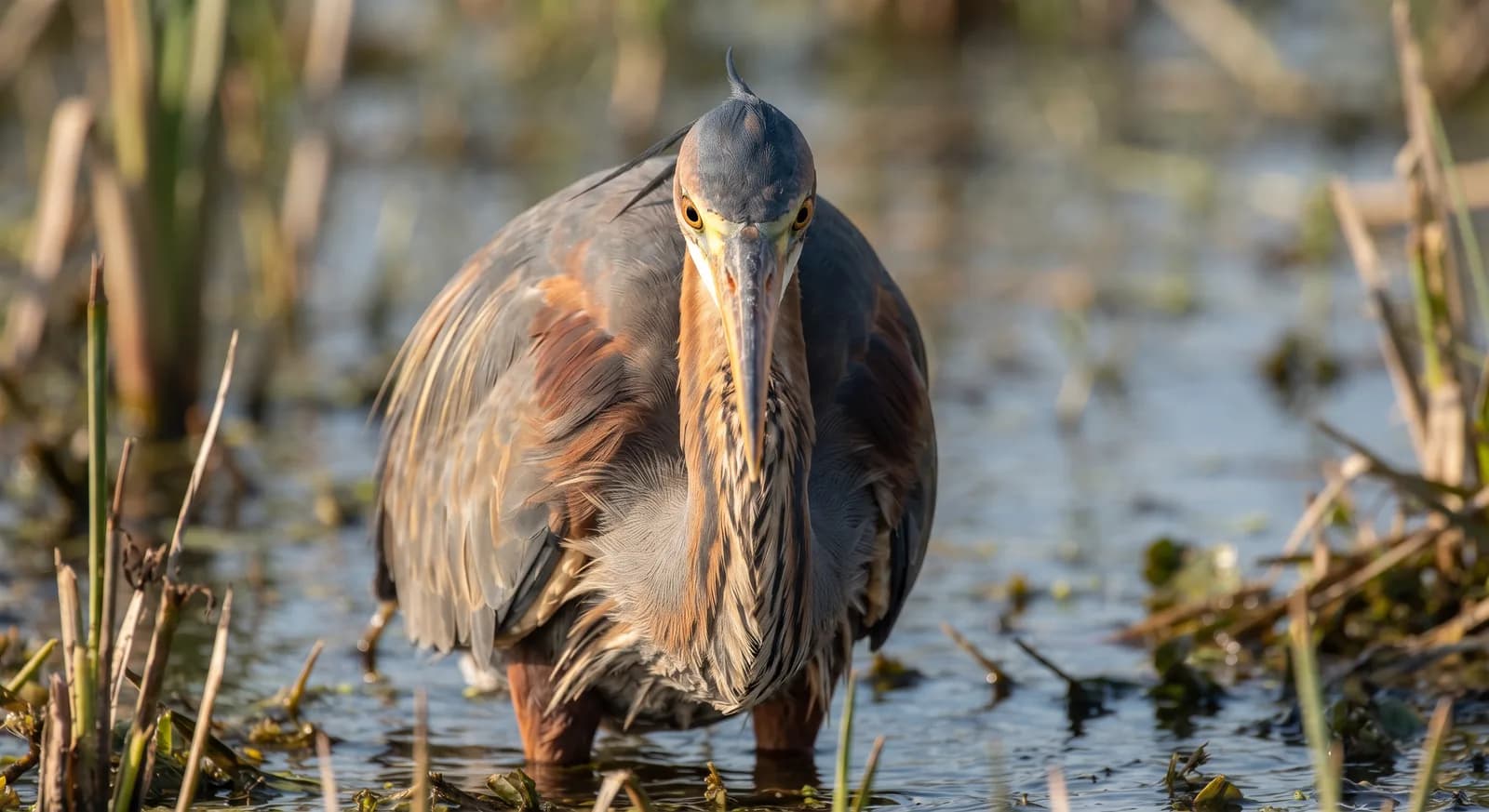 Least Concern
Purple Heron
Ardea purpurea
Little Egret
Egretta garzetta
Little Bittern
Ixobrychus minutus
Great Egret
Ardea alba
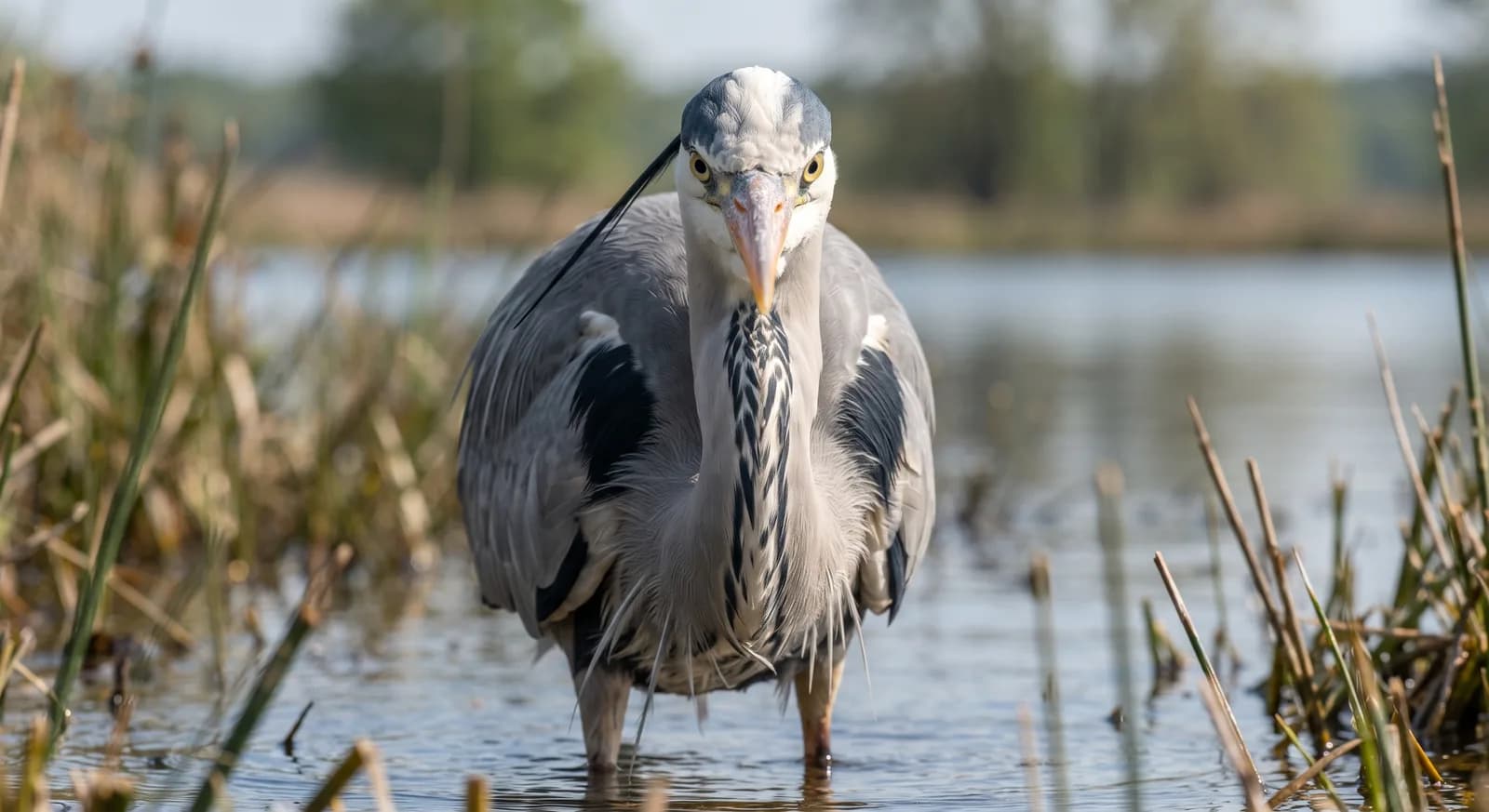 Least Concern
Grey Heron
Ardea cinerea
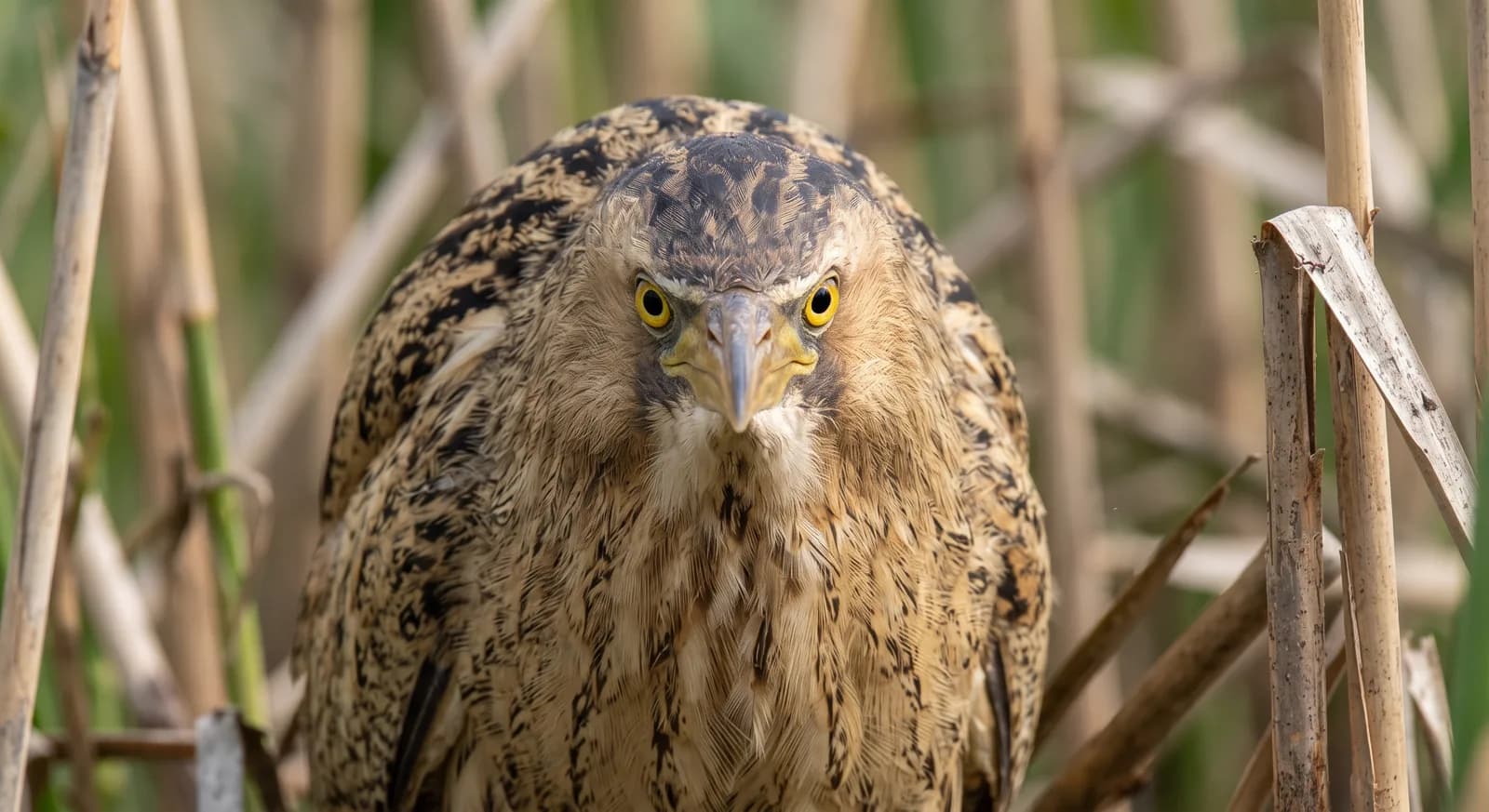 Least Concern
Eurasian Bittern
Botaurus stellaris
Keep exploring
Based on what we already know about black-crowned night heron.
Comments
Share an experience, a fun fact or a tip for seeing the black-crowned night heron.
Be the first to comment.