One of the 4 egrets on WAnimals
Birds · Pelecaniformes · Ardeidae
Little Egret
Egretta garzetta
The species is abundant and widely distributed; it faces no significant short-term risk. See full glossary
It was hunted intensively through the nineteenth century for its breeding plumes, used to decorate fashionable hats, which drove it to local extinction across much of north-western Europe before it later recovered.
Weight
350 g – 550 g
Size
55 cm – 65 cm
Lifespan
17 years
Diet
Carnivore
Feeds mainly on other animals.
Activity
Diurnal
Active mainly during the day.
Social structure
Colony
Lives in large concentrations, often for breeding reasons.
Sighting difficulty
Easy
Fun facts
- It was hunted on a massive scale in the nineteenth century for its breeding plumes, used on hats.
- It became locally extinct across much of north-western Europe before recovering.
- It feeds on fish, amphibians, crustaceans and molluscs in wetlands.
Life cycle & biology
- Skeleton type
- Vertebrate - pneumatised bony skeleton (bird)
- Habitat & environment
- Wetlands, coastal lagoons, rice paddies and mangroves of Europe, Africa, Asia and Australia
- Birth weight
- Exact weight at hatching not found as a precise figure
- Size at birth
- Altricial, covered in white down and completely dependent on both parents
- Sexual maturity
- 1 year
- Gestation / incubation
- 21-25 days
- Litter / clutch size
- 3 to 5 eggs per clutch
Sources consulted: AnAge; Birda; Birdfact; Margherita di Savoia; Avibase; Wikipedia; Animalia.bio
Where to find it
See its range on the interactive mapWhere to watch it
Parques y spots de buceo donde se ha documentado esta especie — se muestran 10 de 143 documentados.
Related species
Other species in the catalogue with the most in common with Little Egret — same habitat, park, country, tags or family.
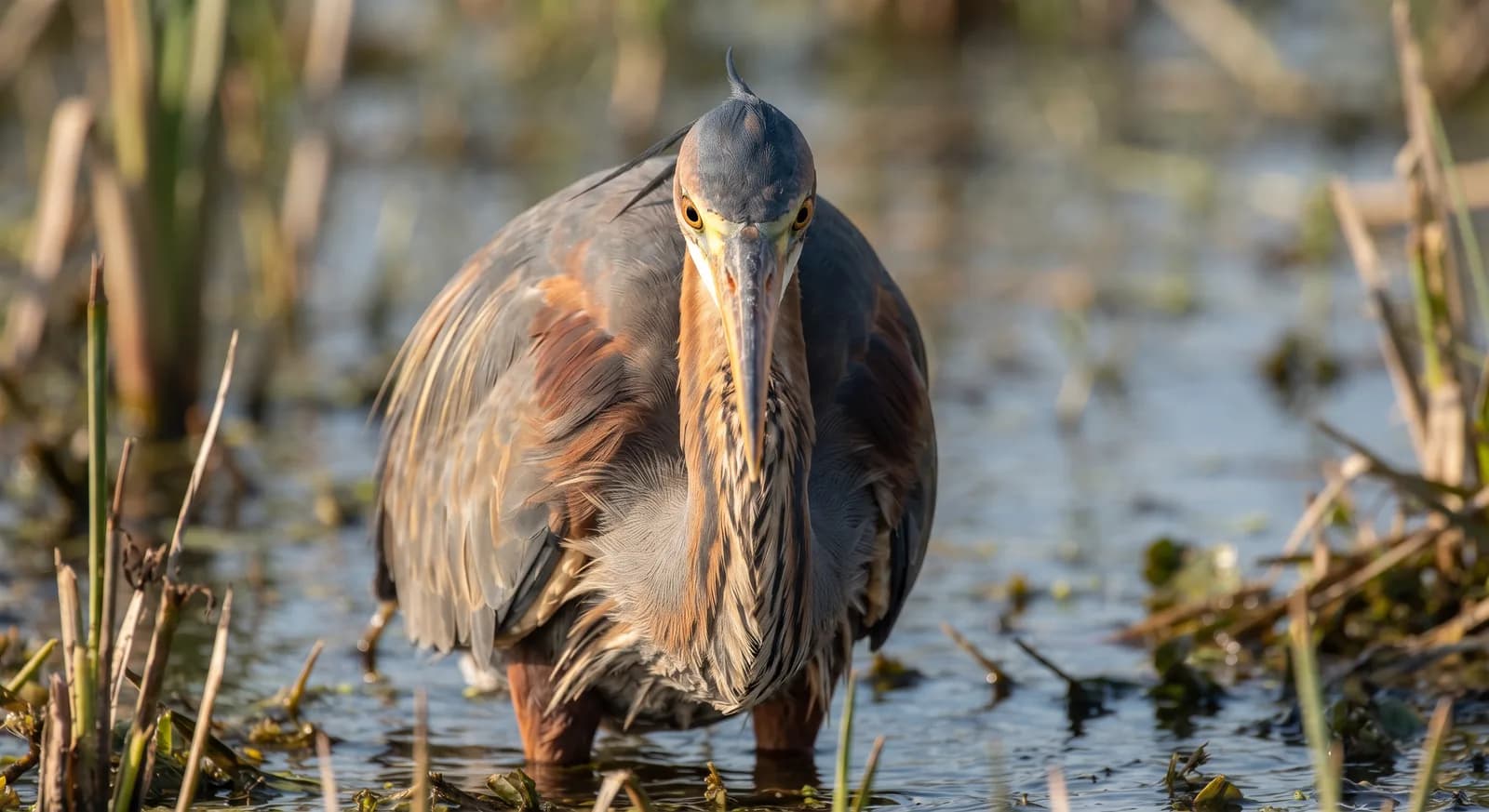 Least Concern
Purple Heron
Ardea purpurea
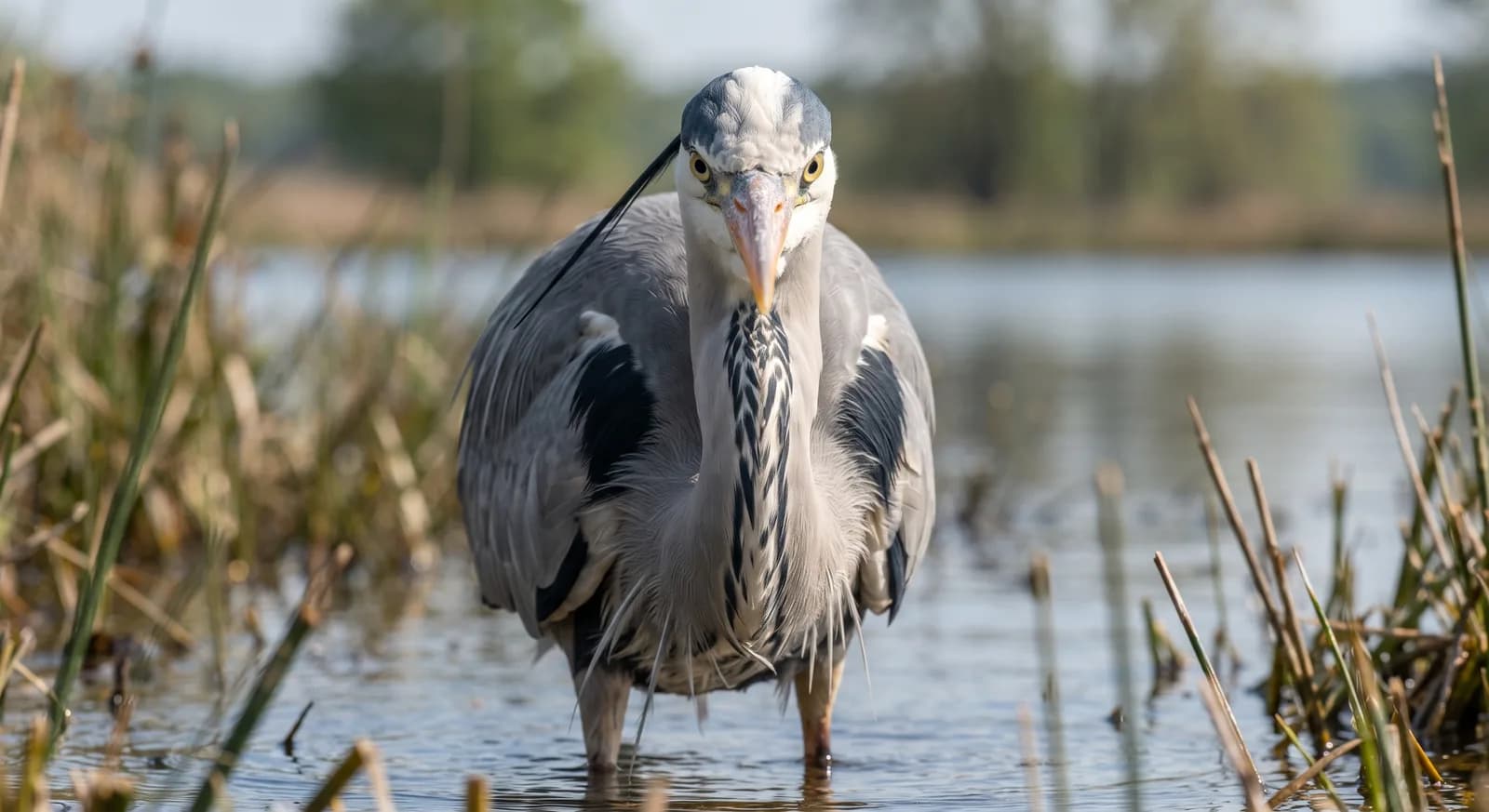 Least Concern
Grey Heron
Ardea cinerea
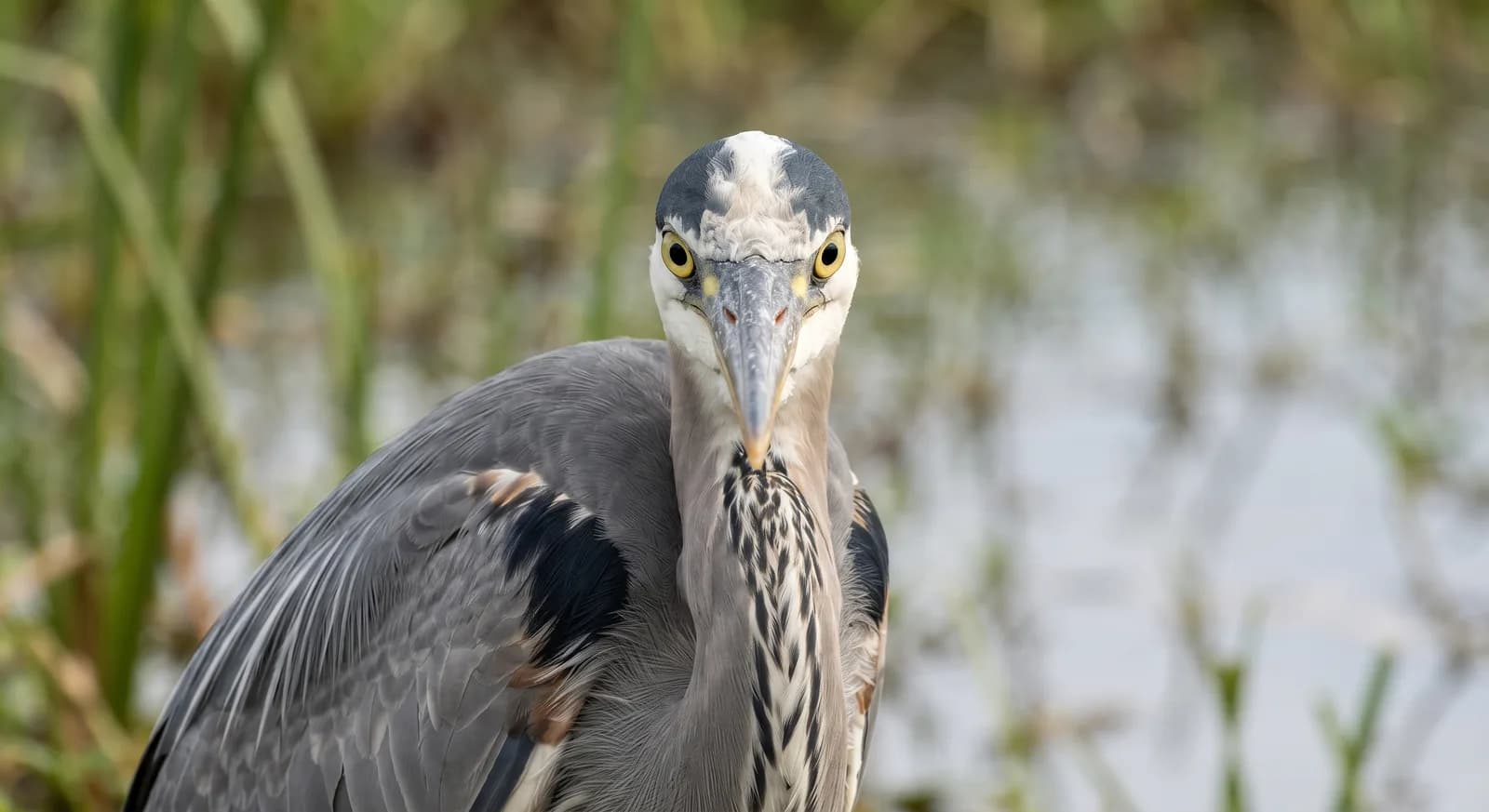 Least Concern
Cocoi Heron
Ardea cocoi
Little Bittern
Ixobrychus minutus
Great Egret
Ardea alba
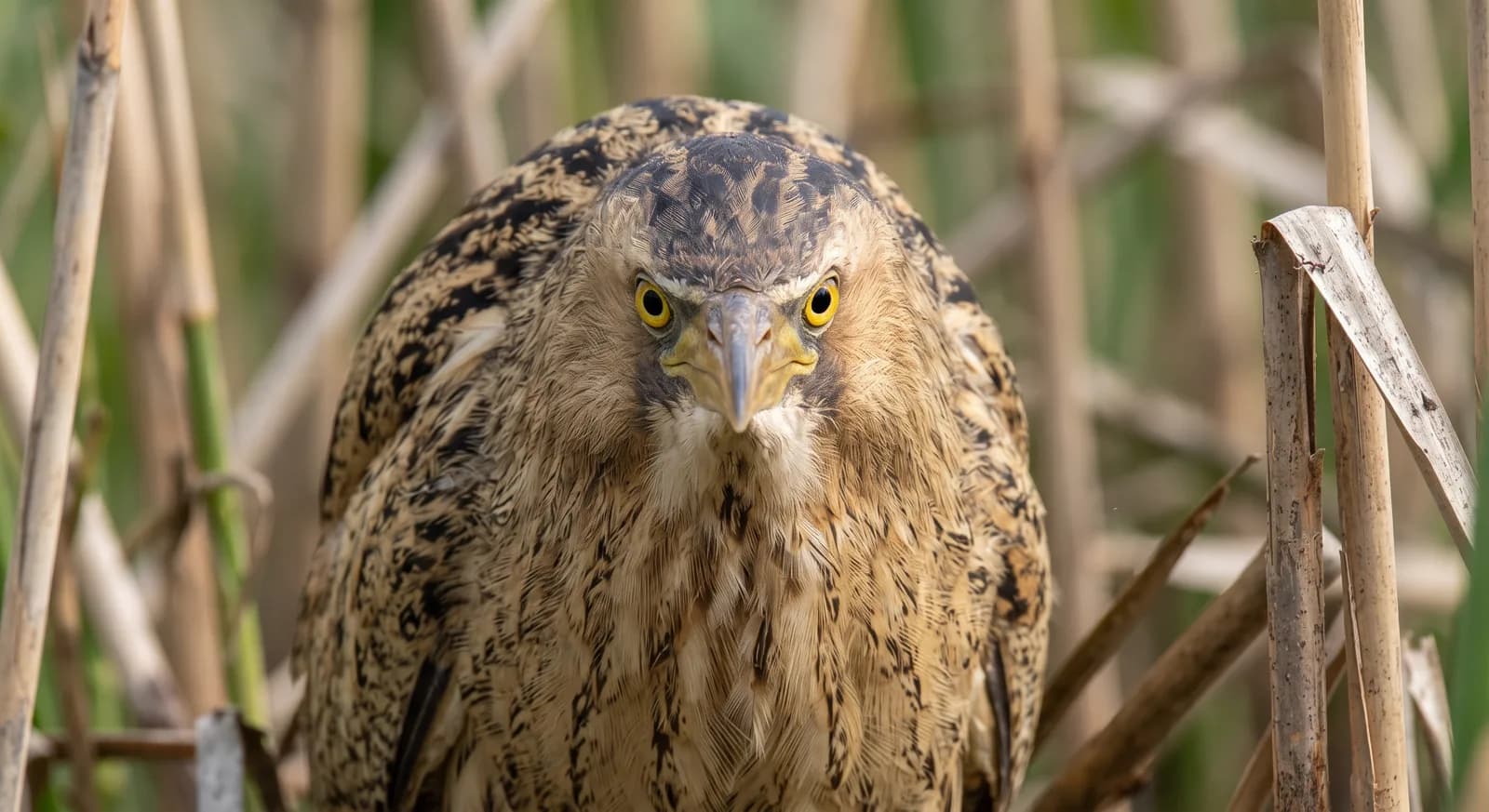 Least Concern
Eurasian Bittern
Botaurus stellaris
Keep exploring
Based on what we already know about little egret.
Comments
Share an experience, a fun fact or a tip for seeing the little egret.
Be the first to comment.