Guatemala
América del Norte
Guatemala concentrates a remarkable diversity of landscapes in a relatively small territory: a chain of more than thirty volcanoes, several of them active, crosses the south of the country; the western highlands combine pine and oak forest with volcanic lakes such as Atitlán; and towards the north, the Petén opens into the Maya Biosphere Reserve, the largest block of tropical rainforest in Central America, a continuation of the forests of Belize and Mexico. The cloud forests of the Sierra de las Minas and the Verapaz hold back the moisture from the Caribbean and shelter a very particular highland fauna. The Caribbean coast contributes mangroves and wetlands such as those of the Río Dulce and Punta de Manabique.
The nature of Guatemala
National animal: The quetzal, the national bird, which gives its name to the country's currency
Did you know?
The quetzal is so central to Guatemalan identity that the country's currency bears its name. The Maya used its long tail feathers in the headdresses of their rulers, but they captured the bird, pulled a few feathers and released it, because killing it was punishable. The belief that it does not survive in captivity has reinforced its role as a symbol of freedom, and its presence today depends entirely on the cloud forests.
Biodiversity profile
Climate
- •Tropical humedo (Af/Am) en Peten y costa caribeña
- •Tropical con estacion seca (Aw) en la costa pacifica
- •Templado de montaña en el altiplano volcanico
Main biomes
- •Bosque tropical humedo (Peninsula de Yucatan/Peten)
- •Bosque de pino-encino premontano
- •Bosque montano
- •Matorral arido y bosque seco (oriente)
- •Manglares del Pacifico
- •Selva tropical húmeda
- •Bosque nuboso de montaña
- •Bosque de pino y encino
- •Lago volcánico
- •Manglar del Caribe
- •Volcán activo
- •Humedal costero
Marine and coastal ecosystems
- •Costa caribeña con arrecifes (extremo sur del Sistema Arrecifal Mesoamericano)
- •Manglares y lagunas en ambas costas
Flagship wildlife
- •Quetzal resplandeciente (ave nacional)
- •Jaguar
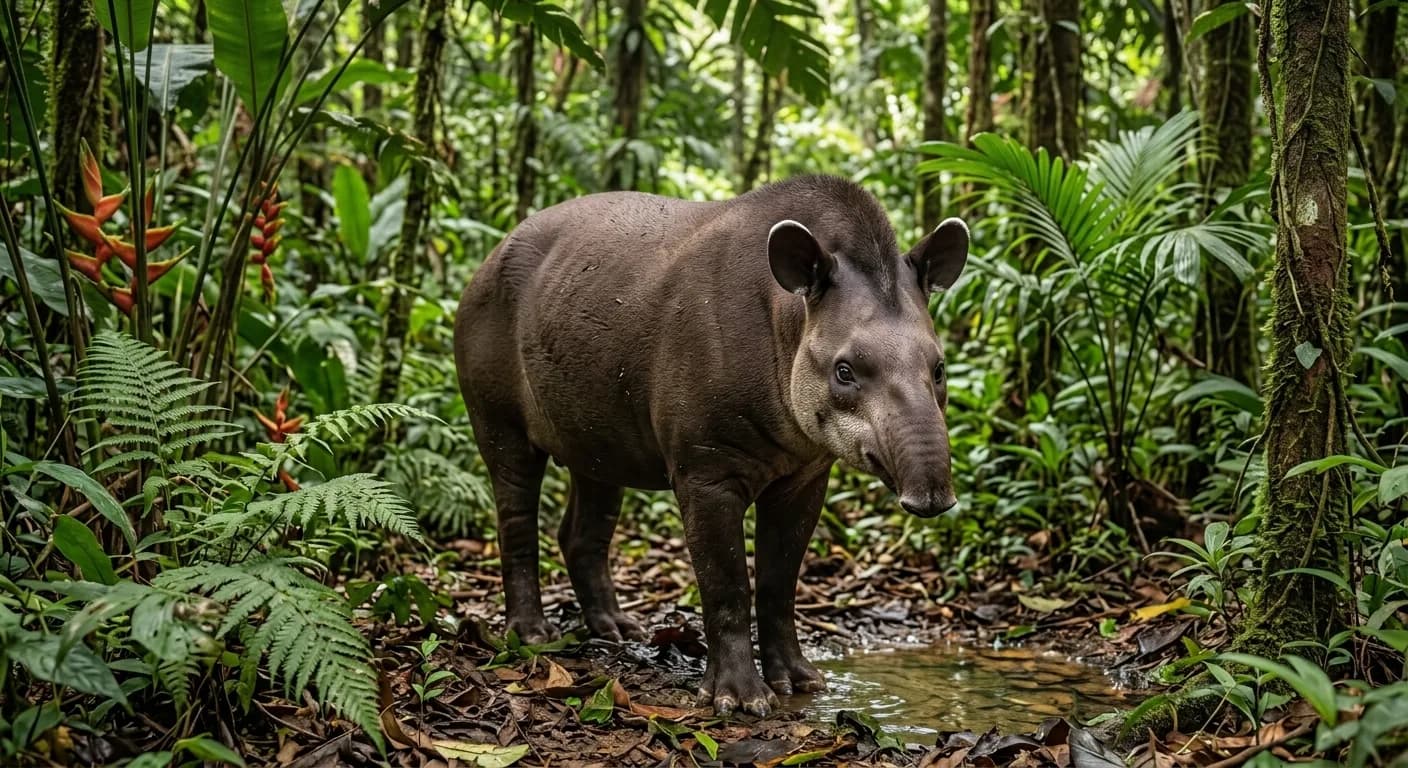
- •Tapir centroamericano
- •Guacamayo rojo
- •Pavo ocelado
- •Quetzal
- •Mono aullador
- •Guacamaya roja
- •Manatí del Caribe
- •Cocodrilo de Morelet
- •Tortuga baula
- •Águila arpía
Notable endemic species
- •823 especies con algun grado de endemismo, 538 restringidas exclusivamente a Guatemala (13% del total de especies del pais, la mayor tasa de endemismo de Centroamerica)
- •Mayor diversidad mundial de salamandras sin pulmones (familia Plethodontidae, 41 especies, 19 endemicas)
- •Pavo ocelado
- •Salamandra de las Verapaces
- •Colibrí de Doherty
Notable threatened species
- •Loro nuca amarilla (En Peligro Critico)
- •Pavo cornudo o pajuil (En Peligro)
- •19 de las 698 especies de aves registradas estan globalmente amenazadas
Notable protected areas
- •Reserva de la Biosfera Maya (mayor area protegida de Centroamerica)
- •Reserva de la Biosfera Sierra de las Minas
- •Parque Nacional Tikal (Patrimonio Mundial)
- •Lago de Atitlán
- •Biotopo del Quetzal
- •Parque Nacional Laguna del Tigre
Main conservation threats
- •Deforestacion vinculada a la expansion agricola (21% del PIB depende de la agricultura)
- •Caza ilegal
- •Degradacion en el corredor dulce del oriente (corredor seco)
- •Insuficiente inventario cientifico de flora y fauna
Notable natural phenomena
- •Fuerte gradiente de precipitacion interno (desde 500 mm/año en el corredor seco hasta 6.000 mm/año en zonas humedas)
- •Actividad volcanica activa en el altiplano
Conservation
The Atitlán grebe, a flightless waterbird that existed only in that lake, became extinct in 1989 through the introduction of largemouth bass and the alteration of the reedbeds. The community forest concessions of the Petén are an internationally cited model of sustainable rainforest management.
Where and when to watch wildlife
The Quetzal Biotope and the Sierra de las Minas between February and May for the quetzal. Tikal at dawn for howler monkeys and ocellated turkeys. The Río Dulce year-round for manatees and waterbirds.
Sources: BIOFIN - Guatemala | World Land Trust - Guatemala | The Nature Conservancy - Guatemala | Interactive Country Fiches (UNEP-GRID) - Biodiversity Guatemala
Parks and reserves
Tikal
A dual UNESCO listing, natural and cultural; one of the great cities of the Classic Maya world, its temples rising above the forest canopy
View parkBiosphere ReserveMaya Biosphere Reserve
The largest stretch of protected rainforest in Central America; it holds El Mirador, with the most voluminous pyramid in the Maya world
View parkBiosphere ReserveSierra de las Minas
The largest stretch of protected cloud forest in Central America; the water source for over 60% of the population of eastern Guatemala
View parkNational ParkLaguna del Tigre
The largest protected wetland in Central America, inside the Maya Biosphere Reserve and gravely threatened.
View parkNatural MonumentSemuc Champey
A natural limestone bridge over the Cahabón river, with stepped turquoise pools above the underground channel.
View parkNational ParkSierra del Lacandón
Western Petén rainforest with the Maya city of Piedras Negras, in the Maya Biosphere Reserve.
View parkEspecies documentadas en Guatemala
260 species found
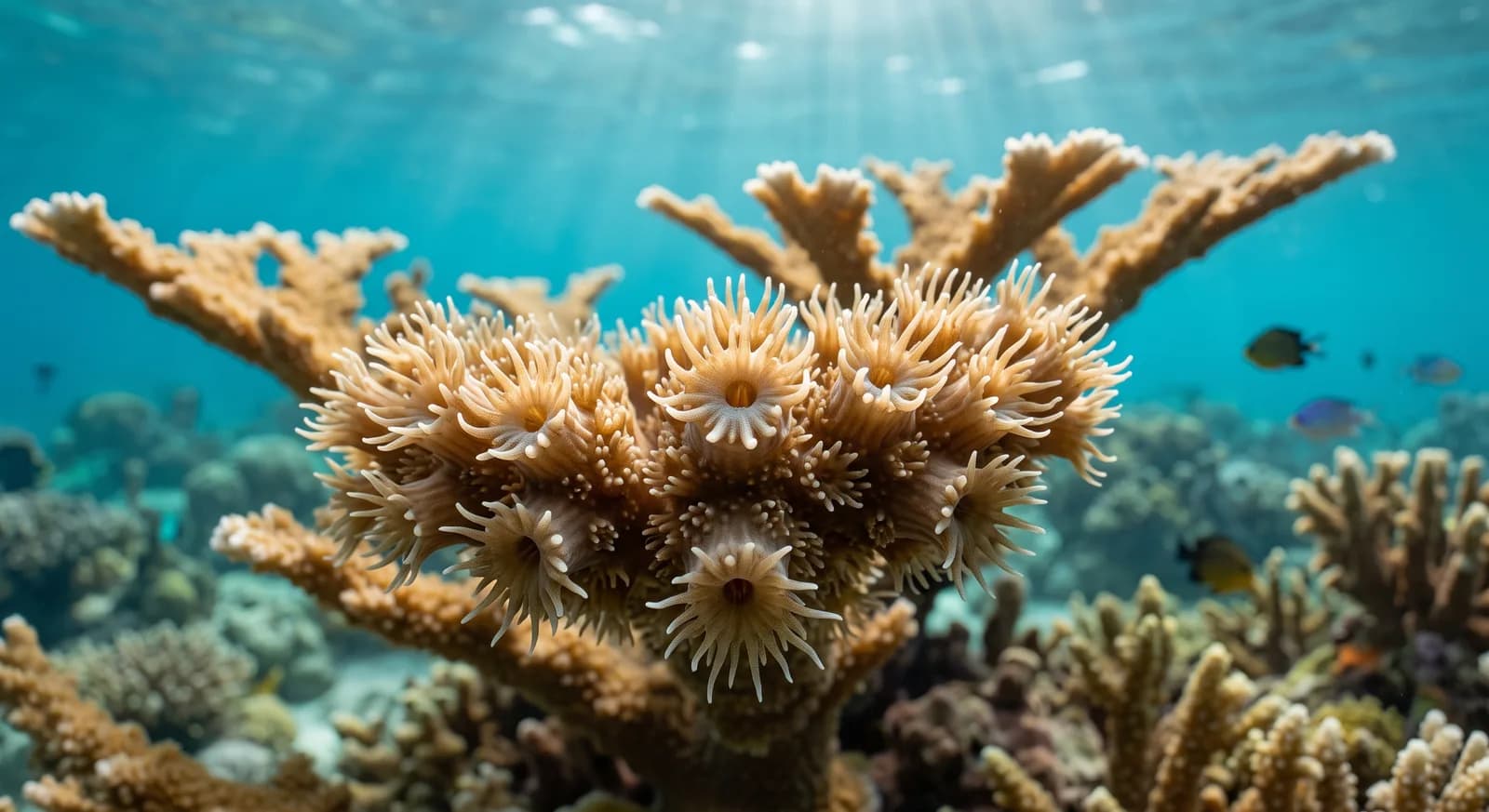 Critically Endangered
Elkhorn Coral
Acropora palmata
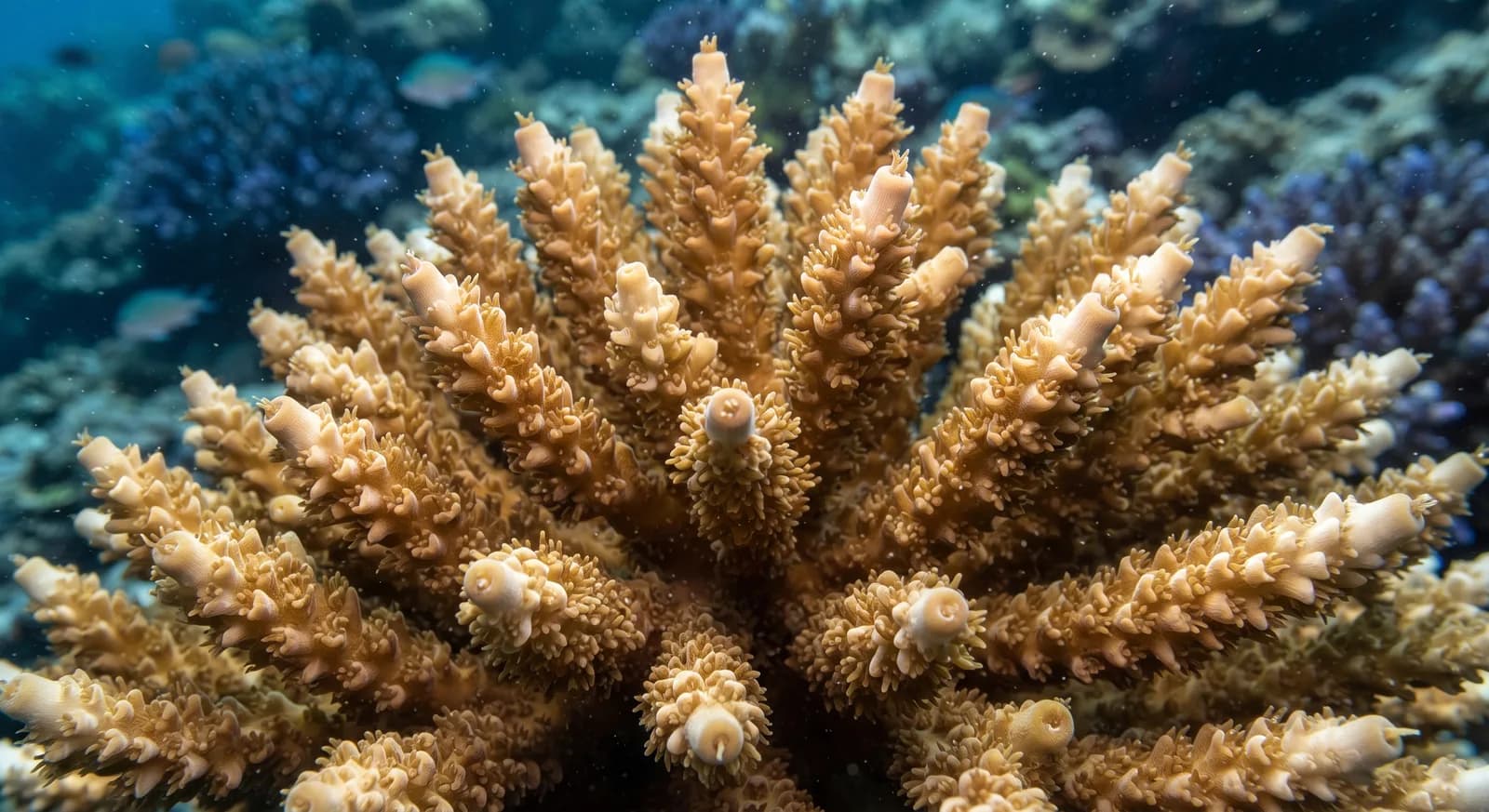 Critically Endangered
Staghorn Coral
Acropora cervicornis
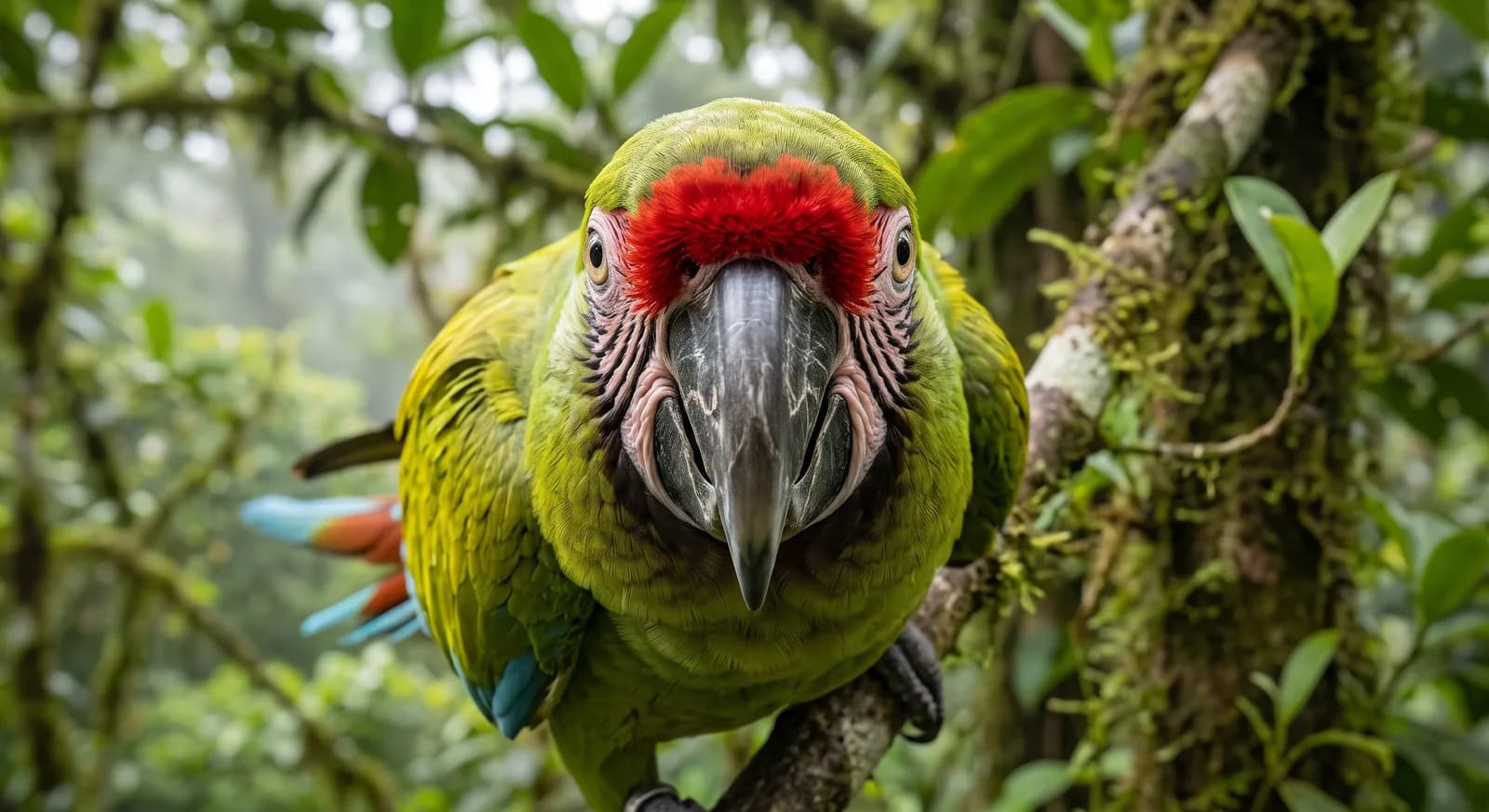 Critically Endangered
Great Green Macaw
Ara ambiguus
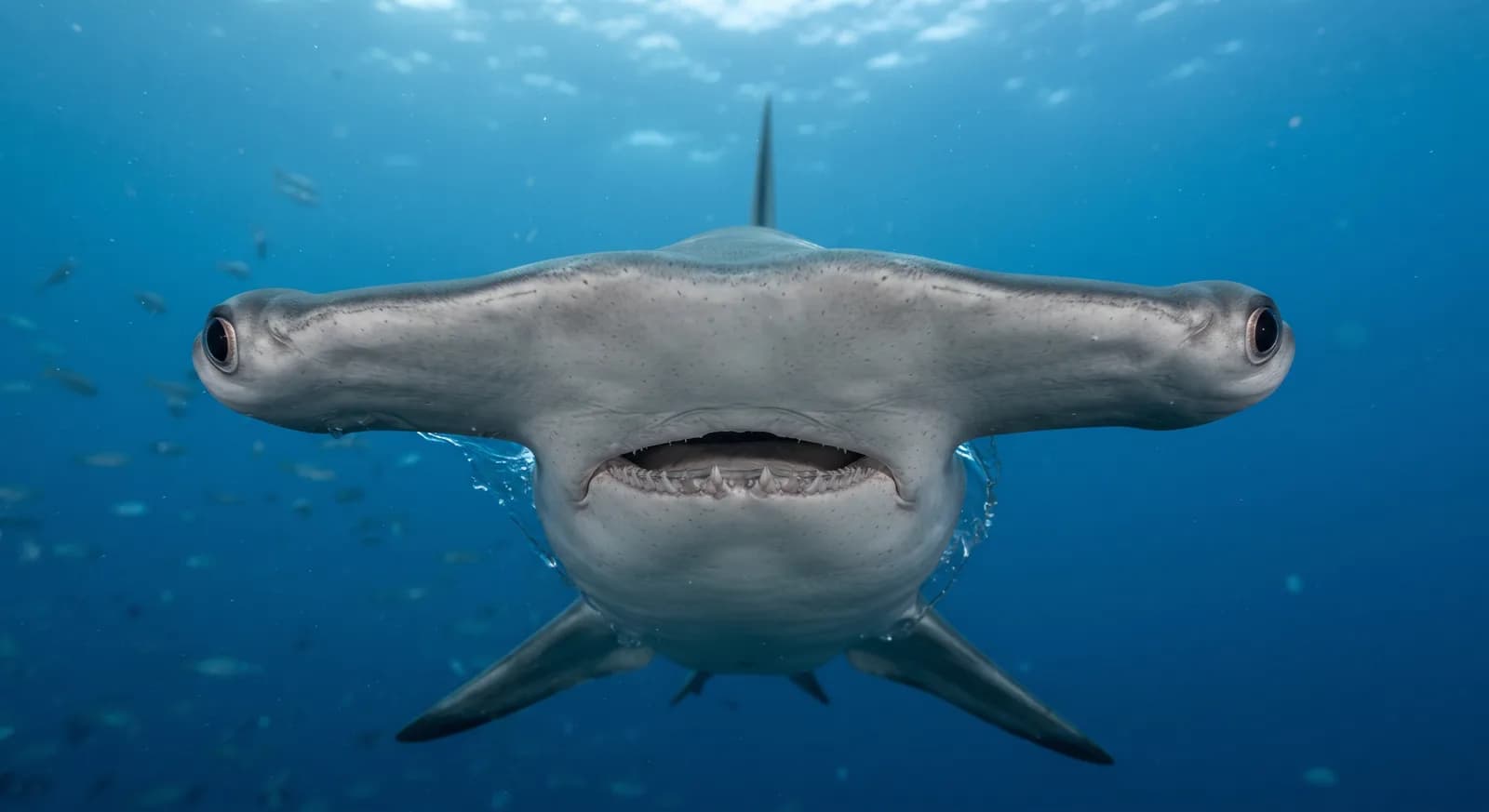 Critically Endangered
Great Hammerhead
Sphyrna mokarran
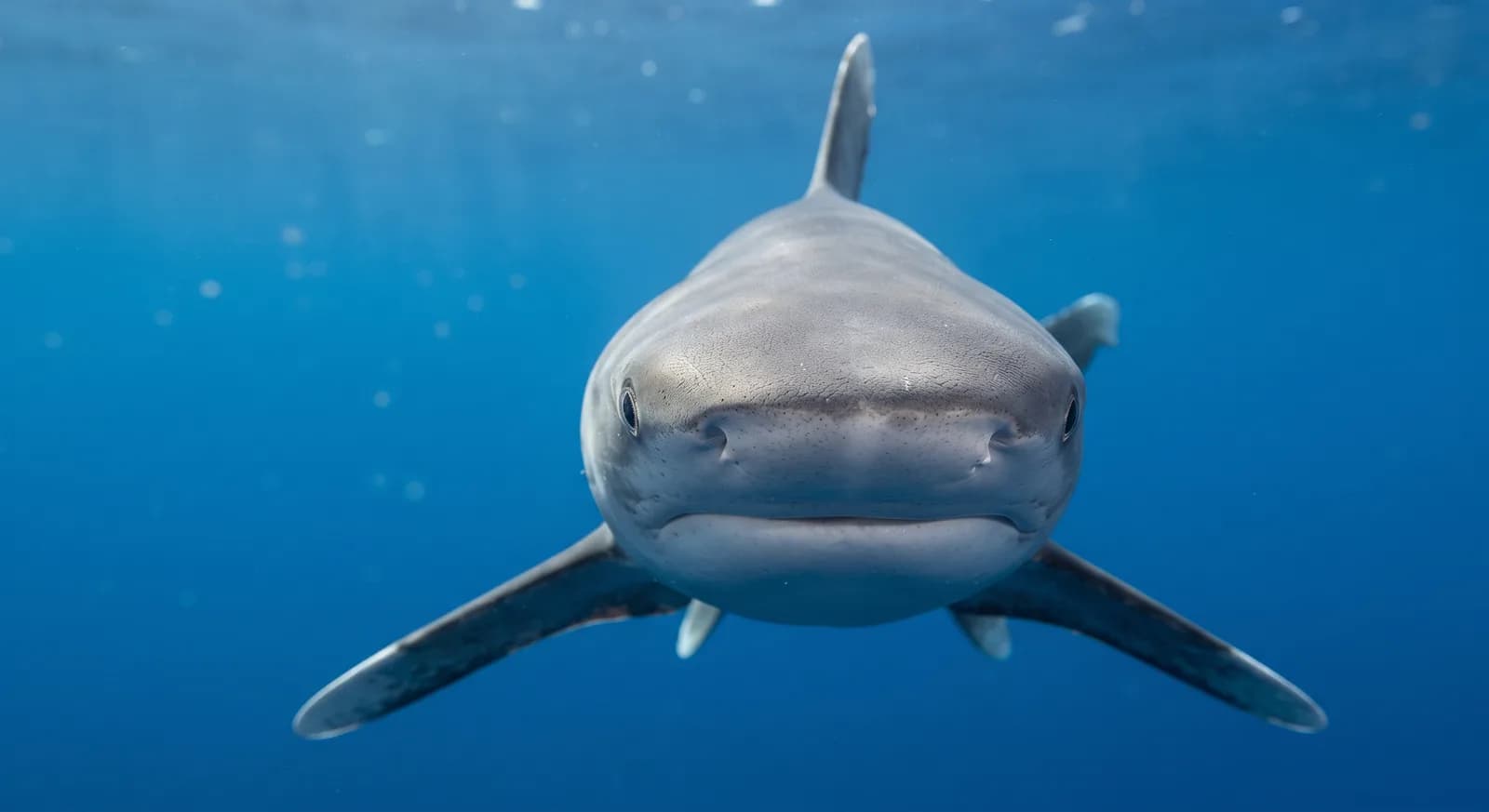 Critically Endangered
Oceanic Whitetip Shark
Carcharhinus longimanus
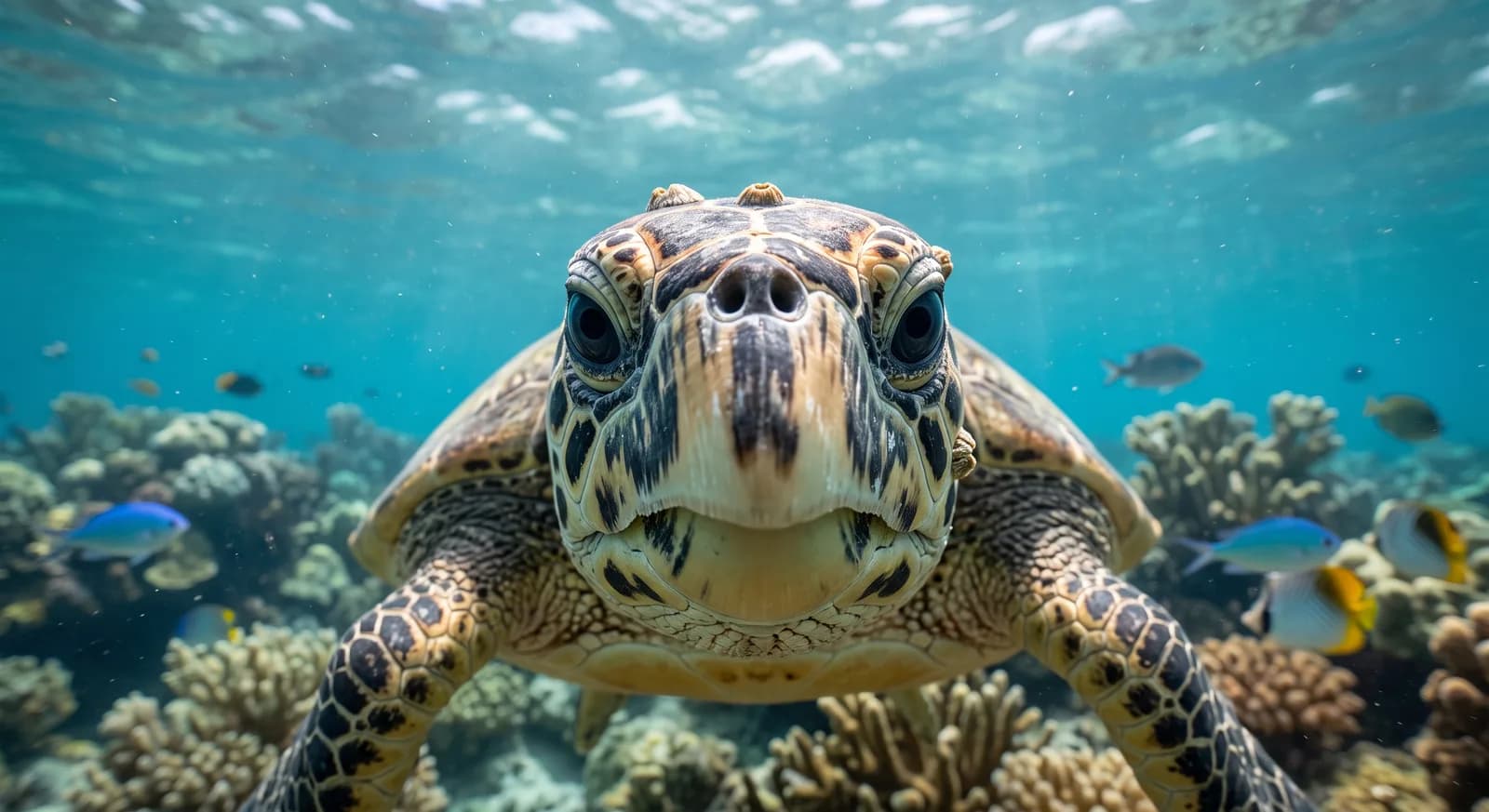 Critically Endangered
Hawksbill Turtle
Eretmochelys imbricata
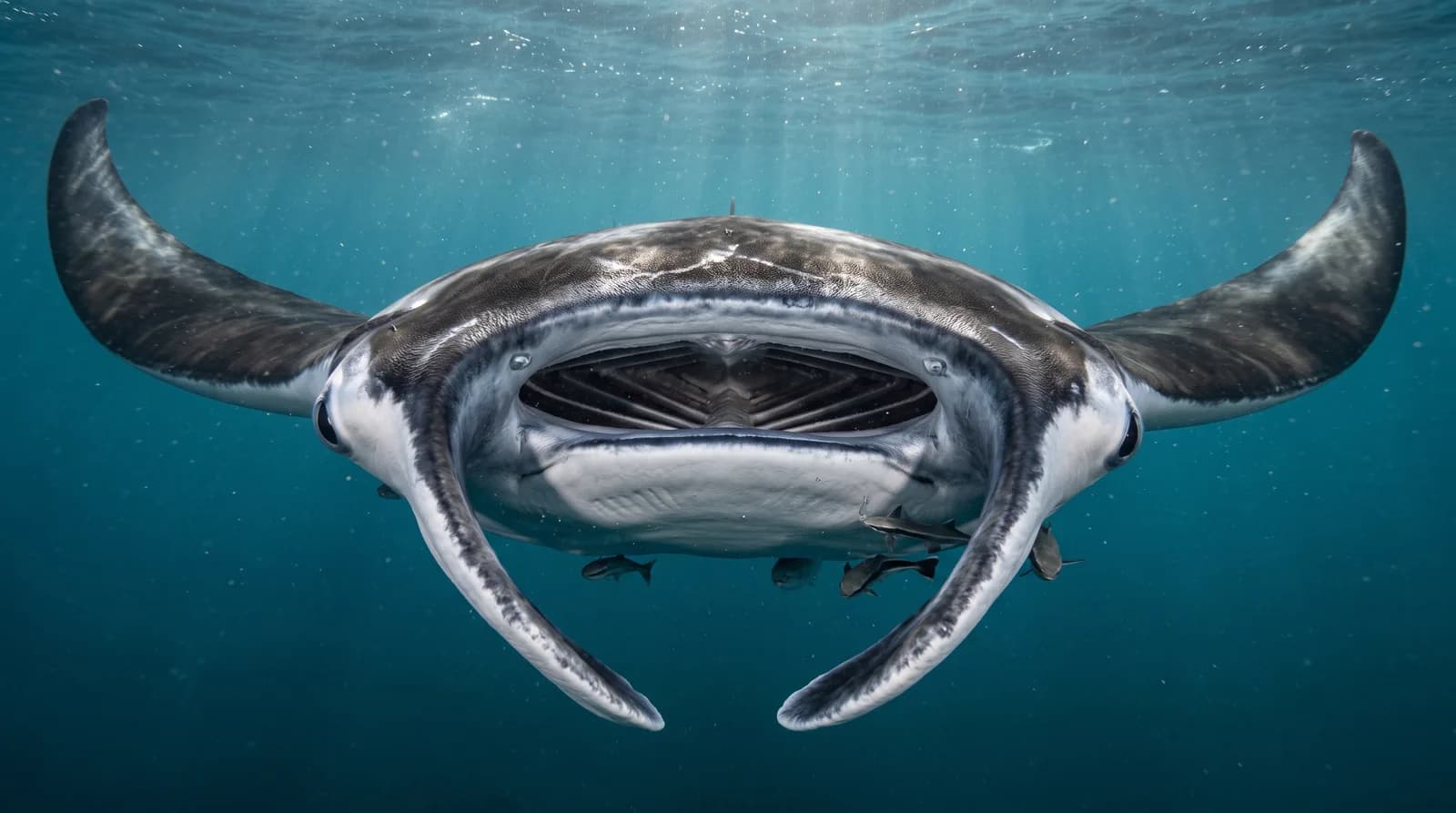 Endangered
Giant Manta
Mobula birostris
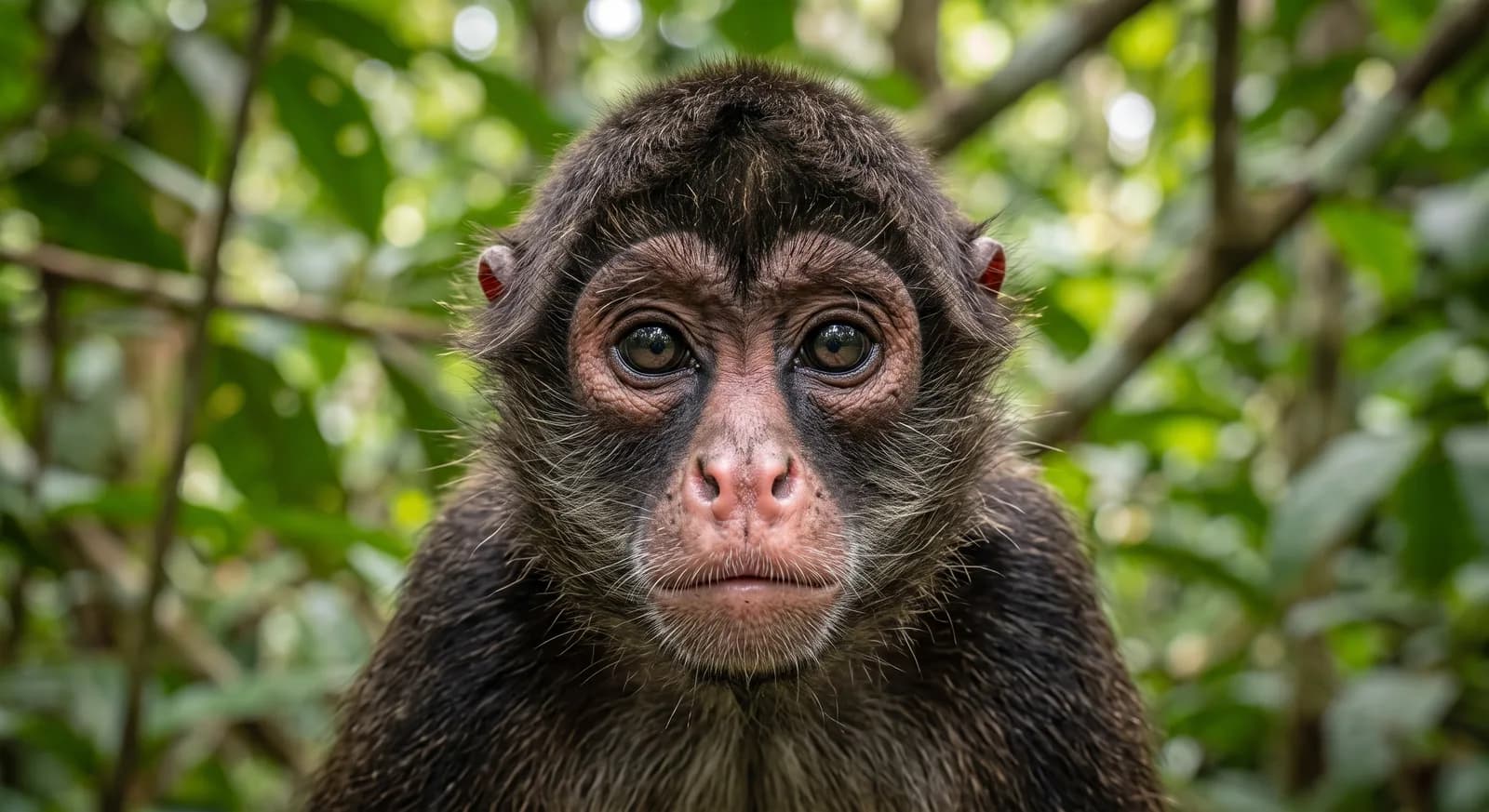 Endangered
Central American Spider Monkey
Ateles geoffroyi
 Endangered
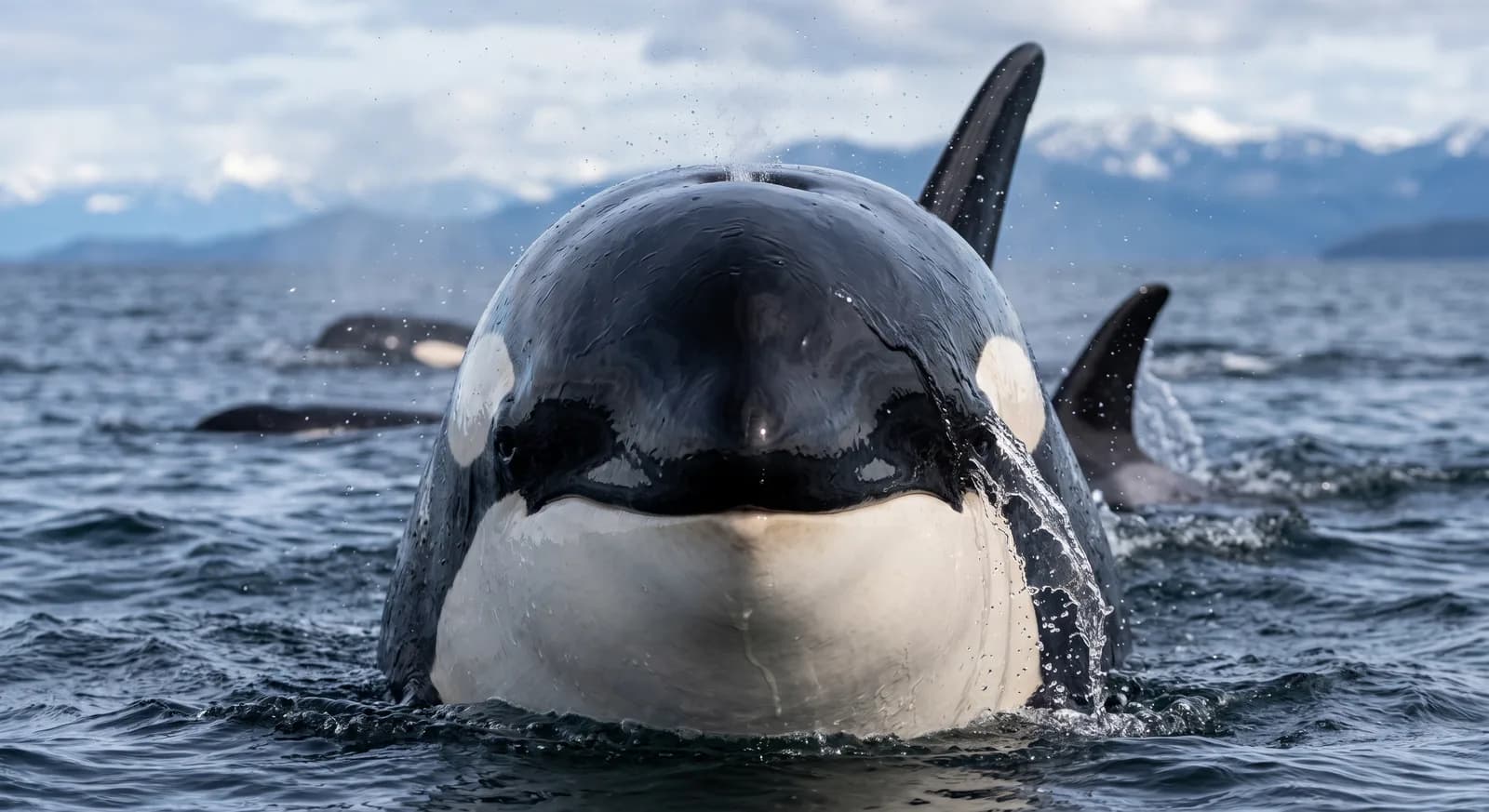
Killer Whale
Orcinus orca
 Endangered
Baird's Tapir
Tapirus bairdii
 Endangered
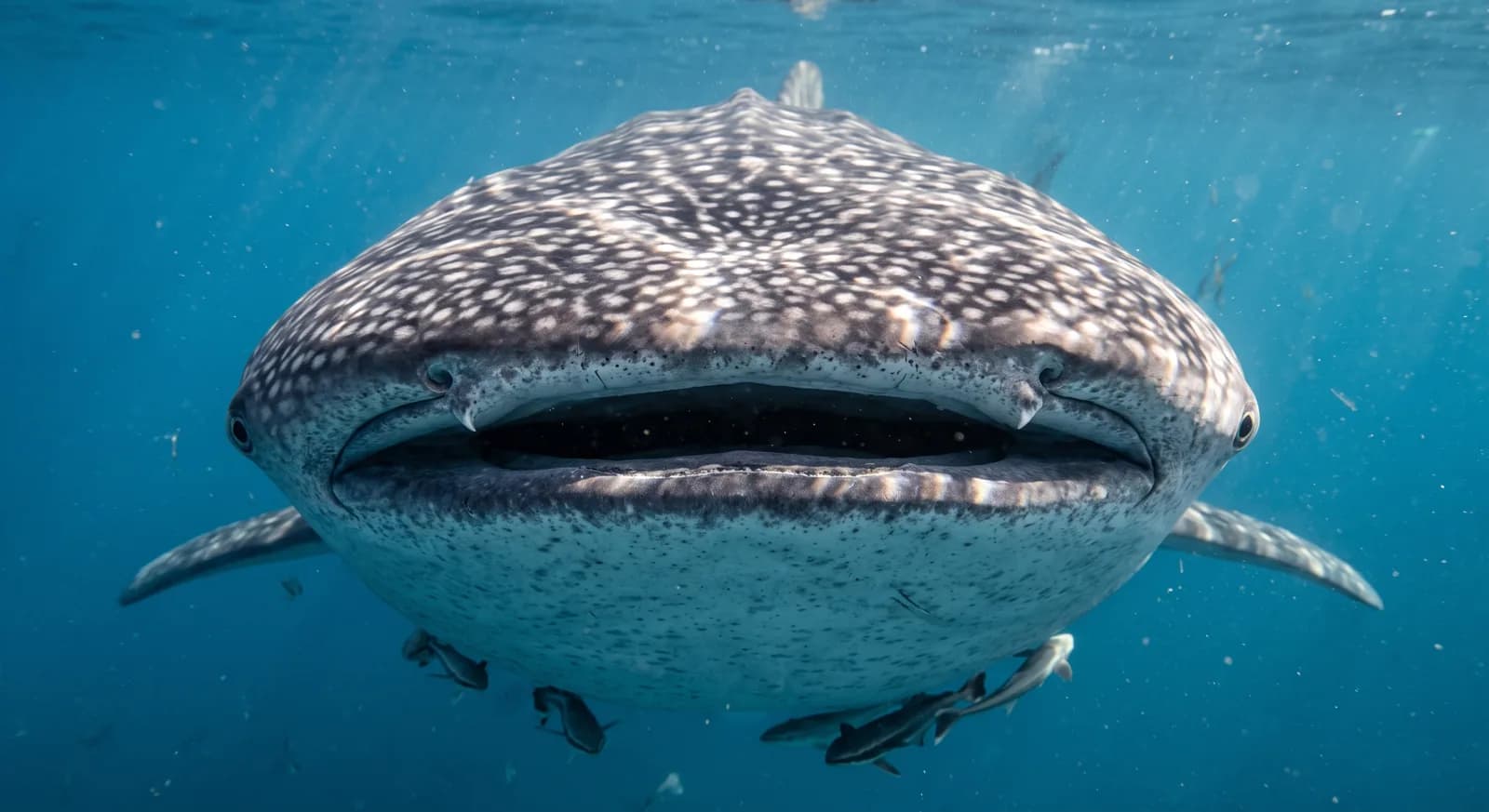
Whale Shark
Rhincodon typus
 Endangered
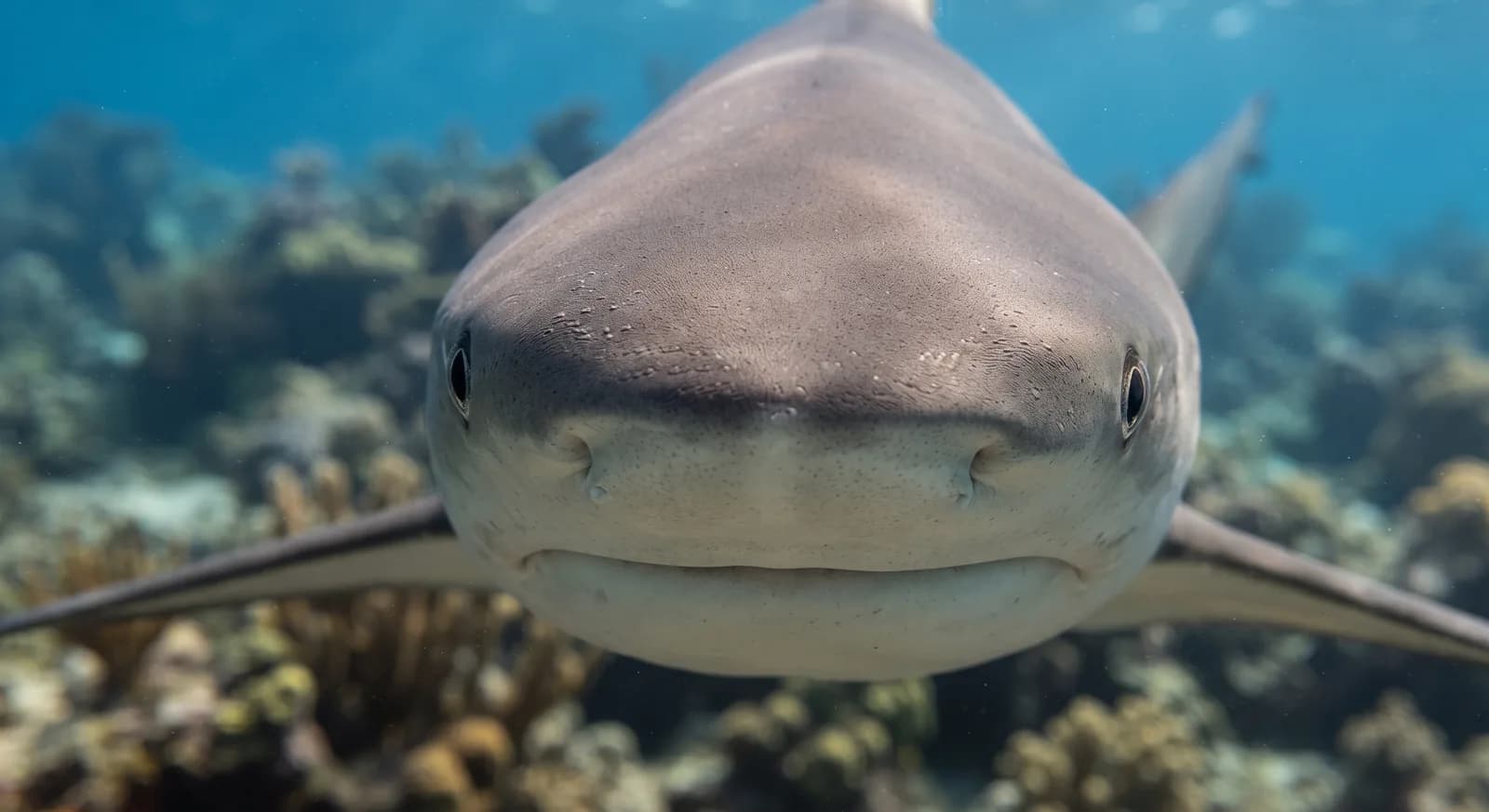
Caribbean Reef Shark
Carcharhinus perezi
Keep exploring
Based on what we already know about Guatemala.