One of the 10 crocodiles on WAnimals
Reptiles · Crocodilia · Crocodylidae
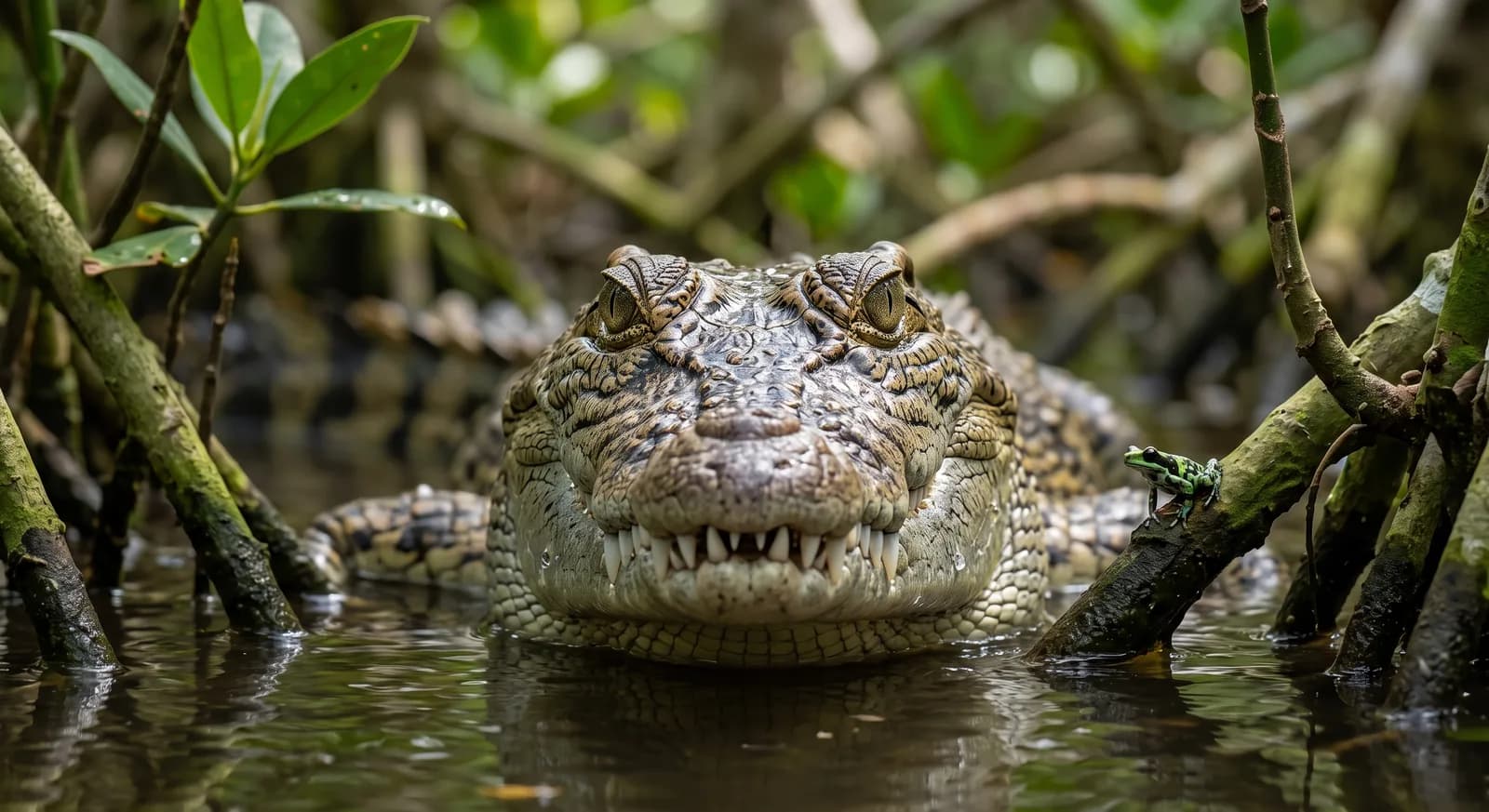
Morelet's Crocodile
Crocodylus moreletii
The species is abundant and widely distributed; it faces no significant short-term risk. See full glossary
It was hunted almost to extinction through the 1940s and 1950s for its valuable skin, and has recovered markedly since hunting was banned.
Weight
30 kg – 58 kg
Size
1.5 m – 4.7 m
Lifespan
55 years
Diet
Carnivore
Feeds mainly on other animals.
Activity
Nocturnal
Active mainly at night.
Social structure
Solitary
Lives and hunts alone, joining others only to breed.
Sighting difficulty
Easy
Estimated population
Close to 20,000 adults in the wild after a notable recovery: the species was on the brink of extinction in the 1940s and 1950s through hunting for the skin trade, and today holds healthy populations across much of its range in Mexico, northern Guatemala and Belize
Fun facts
- It was hunted almost to extinction for its skin, and recovered once hunting was banned.
- It builds nests up to 3 metres across from soil and rotting vegetation.
- Both parents take an active part in defending the young.
Life cycle & biology
- Skeleton type
- Vertebrate - internal bony skeleton with osteoderms (crocodilian reptile)
- Habitat & environment
- Swamps, freshwater marshes and riverine forest rivers on the Atlantic side of Mexico, Belize and Guatemala
- Birth weight
- Exact weight at hatching not found as a precise figure
- Size at birth
- Precocial at hatching
- Sexual maturity
- 7-8 years (~1.5 m long, though occasionally from 4 years)
- Gestation / incubation
- Exact duration not specified as a precise figure
- Litter / clutch size
- 20 to 50 eggs per clutch
- Lifespan in captivity
- Documented record of up to 42-80 years in captivity
Sources consulted: AnAge (genomics.senescence.info); Britannica; Animalia.bio; Animal Diversity Web; USGS NAS Species Profile; The Animal Facts; Wikipedia (Morelet's crocodile); IUCN Red List, evaluación de Crocodylus moreletii; IUCN SSC Crocodile Specialist Group; World Land Trust || IUCN SSC Crocodile Specialist Group, ficha de Crocodylus moreletii; Platt y Thorbjarnarson 2000
Where to find it
See its range on the interactive mapBest time: From April to June, just before the rainy season, when the females build their mound nests beside the water; surveys of the species are carried out at night with a spotlight, because that is when it can be detected
Where to watch it
Parks and dive sites where this species has been documented.
Related species
Other species in the catalogue with the most in common with Morelet's Crocodile — same habitat, park, country, tags or family.
 Vulnerable
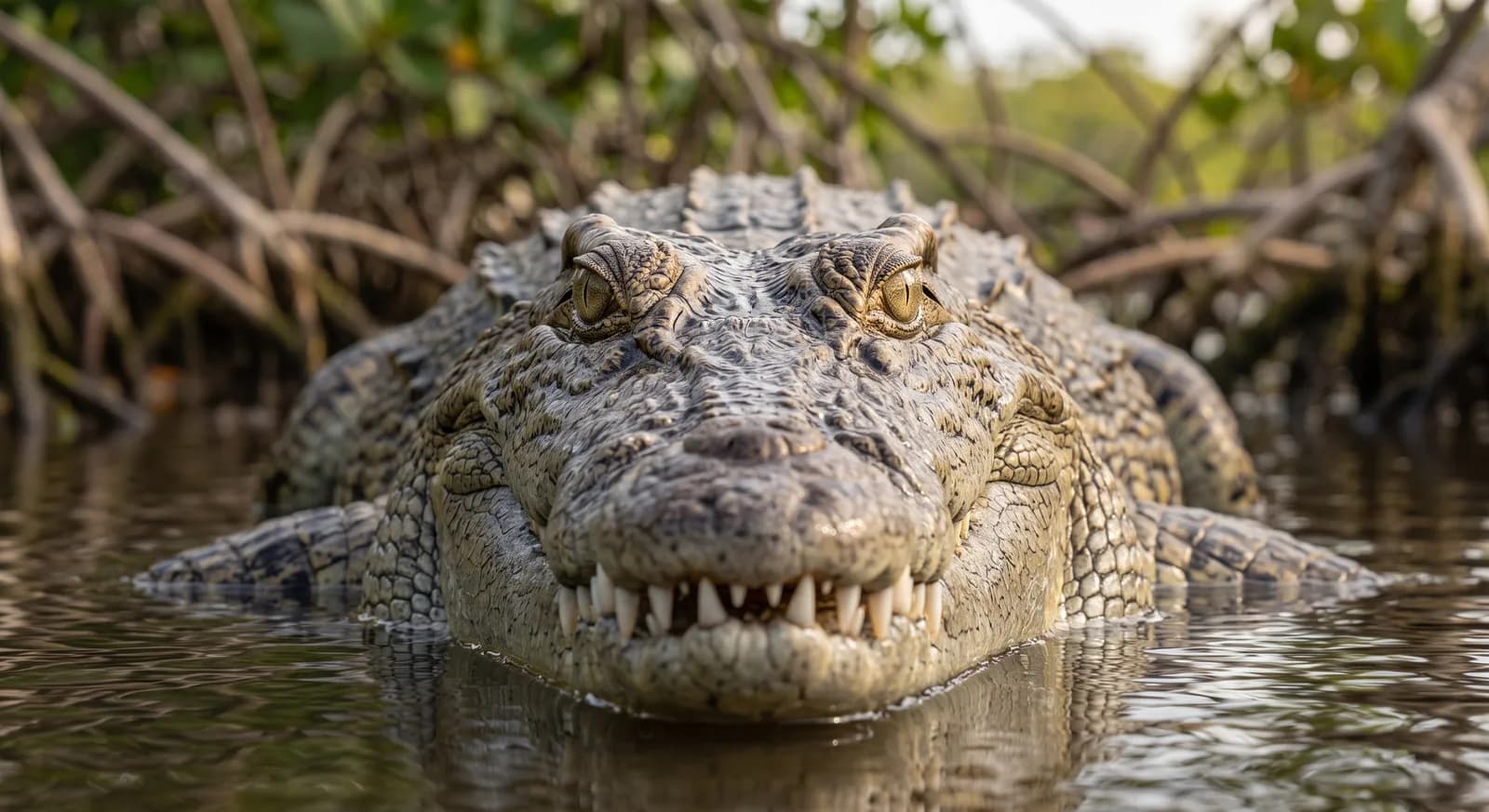
American Crocodile
Crocodylus acutus
Tarpon
Megalops atlanticus
Water Opossum
Chironectes minimus
Greater Bulldog Bat
Noctilio leporinus
 Least Concern
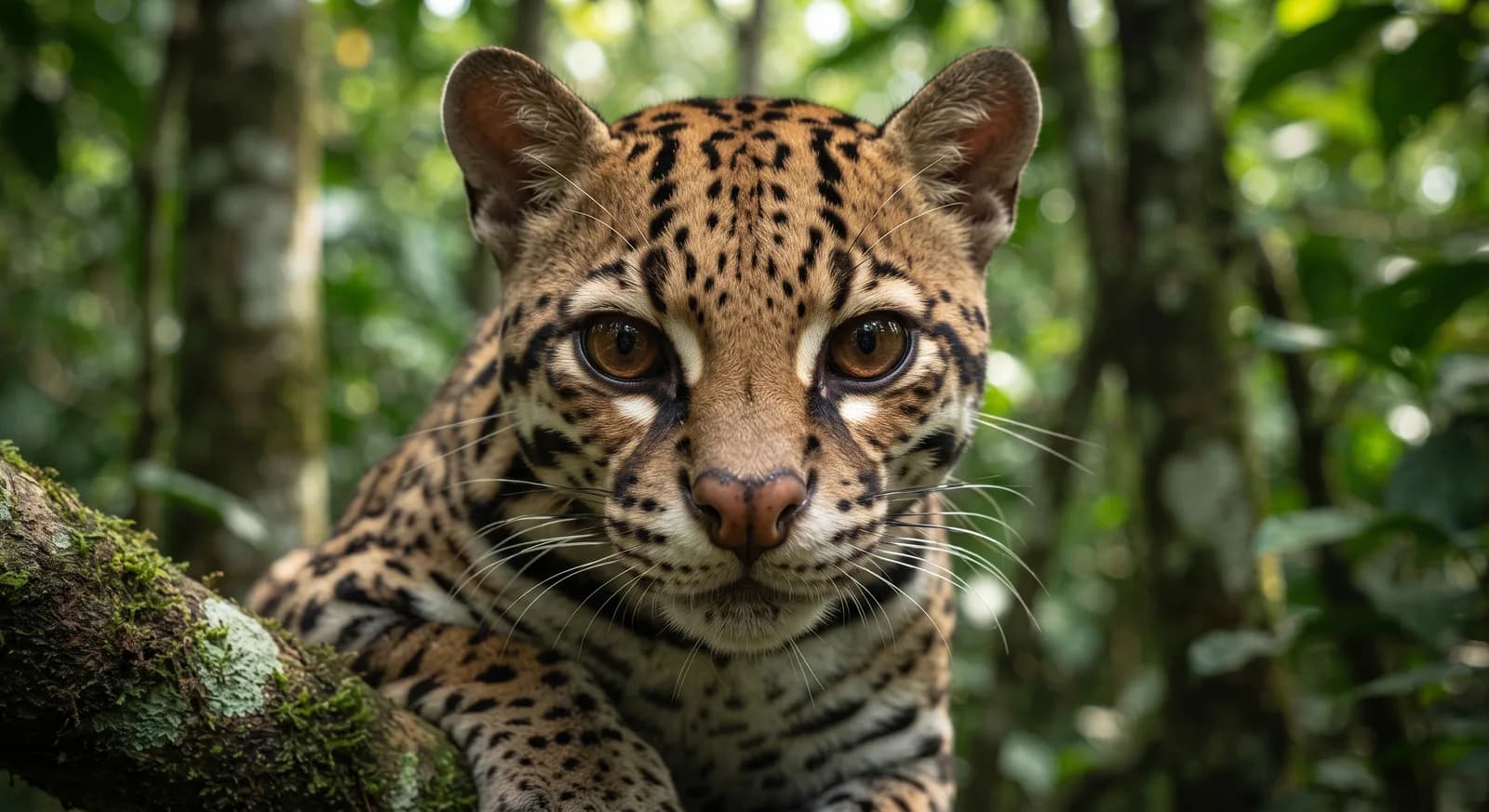
Ocelot
Leopardus pardalis
Mexican Beaded Lizard
Heloderma horridum
Keep exploring
Based on what we already know about morelet's crocodile.
Comments
Share an experience, a fun fact or a tip for seeing the morelet's crocodile.
Be the first to comment.