Dominican Republic
América del Norte
The Dominican Republic shares the island of Hispaniola with Haiti and concentrates the highest ground in the whole Caribbean in the Cordillera Central, with Pico Duarte above three thousand metres and Hispaniolan pine forests on its slopes. In the southwest, Lake Enriquillo occupies a depression below sea level, is hypersaline and holds American crocodiles and rhinoceros iguanas on its islands. The Sierra de Bahoruco, Jaragua park and the lake itself form a biosphere reserve running from cloud forest to semi-desert thorn scrub. In the north, Samaná bay and the Silver Bank receive every winter one of the largest humpback whale breeding concentrations in the world.
The nature of Dominican Republic
National animal: The palmchat, the national bird, endemic to Hispaniola
Did you know?
Between January and March, between two and three thousand humpback whales gather in the warm shallow waters of the Silver Bank and Samaná bay to mate and calve, after travelling thousands of kilometres from the North Atlantic. It is the largest breeding congregation of the species in the whole Atlantic Ocean, and one of the few places on the planet where meeting them in the water is permitted, under very limited licences.
Biodiversity profile
Climate
- •Tropical con estacion seca (Aw) en la mayor parte del territorio
- •Clima semiarido en el suroeste (Lago Enriquillo)
- •Templado de montaña en la Cordillera Central
Main biomes
- •Bosque nuboso (Sierra de Bahoruco, Barbacoa-Casabito)
- •Bosque seco y semiarido (region del Lago Enriquillo, punto mas bajo del Caribe)
- •Manglares (Bajo Yuna)
- •Bosque nublado de montaña
- •Pinar de altura
- •Lago hipersalino bajo el nivel del mar
- •Matorral espinoso semidesértico
- •Manglar costero
- •Arrecife de coral
- •Banco marino somero
Marine and coastal ecosystems
- •Arrecifes de coral y humedales costeros de importancia Ramsar (Jaragua)
- •Bahia de Samana (avistamiento de ballenas jorobadas en temporada)
Flagship wildlife
- •Solenodonte de La Española
- •Jutia de La Española
- •Cotorra de La Española
- •Iguana rinoceronte (Lago Enriquillo)
- •Ballena jorobada (temporada en Samana)
- •Cigua palmera
- •Cocodrilo americano
- •Manatí del Caribe
- •Flamenco americano
- •Tortuga carey
Notable endemic species
- •La Española (compartida con Haiti) y Cuba son los mayores contribuyentes a la biodiversidad de las islas del Caribe, uno de los 36 hotspots mundiales
- •Sierra de Bahoruco, Barbacoa-Casabito y Sierra de Neiba concentran la mayor proporcion de especies endemicas de flora y fauna del pais
- •35 Areas Clave de Biodiversidad (KBA) cubren aprox. 18% del territorio
- •Cigua palmera
- •Iguana de Ricord
- •Solenodonte de La Española
- •Todi de La Española
Notable threatened species
- •Solenodonte de La Española (En Peligro)
- •Iguana rinoceronte (Vulnerable, restringida al entorno del Lago Enriquillo)
- •45% de arboles y arbustos endemicos de la region en riesgo de extincion (cifra referida al conjunto de la isla/hotspot Caribe)
Notable protected areas
- •Reserva de la Biosfera Jaragua-Bahoruco-Enriquillo
- •Parque Nacional La Humeadora
- •Parque Nacional Los Haitises
- •Santuario de Mamíferos Marinos del Banco de la Plata
- •Parque Nacional Jaragua
- •Parque Nacional Sierra de Bahoruco
- •Lago Enriquillo
- •Parque Nacional Valle Nuevo
Main conservation threats
- •Perdida de habitat en zonas de alto endemismo (Bahoruco, Neiba)
- •Corredor Biologico del Caribe (2007) establecido junto a Haiti y Cuba para mitigar amenazas compartidas
- •Desarrollo turistico costero
Notable natural phenomena
- •Migracion y reproduccion invernal de ballenas jorobadas en la Bahia de Samana
- •El Lago Enriquillo es el punto mas bajo del Caribe y alberga ecosistemas hipersalinos unicos
Conservation
The Silver Bank marine mammal sanctuary was one of the first in the world created specifically to protect a whale breeding ground, in 1986. The palmchat builds enormous communal stick nests that can house several pairs in separate compartments.
Where and when to watch wildlife
Samaná and the Silver Bank between January and March for humpback whales. Lake Enriquillo in the dry season for crocodiles and iguanas. Bahoruco at dawn for endemic birds.
Sources: Interactive Country Fiches (UNEP-GRID) - Biodiversity Dominican Republic | Ecosystem Profile - Caribbean Islands Biodiversity Hotspot (CEPF)
Parks and reserves
Del Este
Coastal dry forest, Saona island and caves holding the largest body of Taíno rock art in the Caribbean.
View parkNational ParkJaragua
The largest national park in the Dominican Republic; it holds the largest flamingo colony in the insular Caribbean
View parkNational ParkLos Haitises
A karst landscape of mogotes among boat-navigable mangroves, with caves of Taíno rock art
View parkDiving and snorkelling
Silver Bank (ballenas jorobadas)
One of the very few places in the world where swimming with humpback whales is permitted. Together with the neighbouring Navidad Bank it holds the largest known humpback population in the North Atlantic, according to a 2015 NOAA review. A count by NOAA researchers in 2005 estimated between 5,000 and 7,000 animals passing through the sanctuary each winter.
View dive siteWallCatalina Wall
A coral wall with giant tube sponges and great invertebrate biodiversity.
View dive siteShallow reefSaona Island
A marine protected area with shallow seagrass meadows, popular for introductory diving and snorkelling.
View dive siteWall/CaveSosúa
A former fishing bay with shore access to a system of caves and well-preserved coral walls.
View dive sitePaíses similares
¿A dónde más podría interesarme viajar?
Misma región: Centroamérica y Caribe
Misma región: Centroamérica y Caribe
Misma región: Centroamérica y Caribe
Misma región: Centroamérica y Caribe
Especies documentadas en Dominican Republic
160 species found
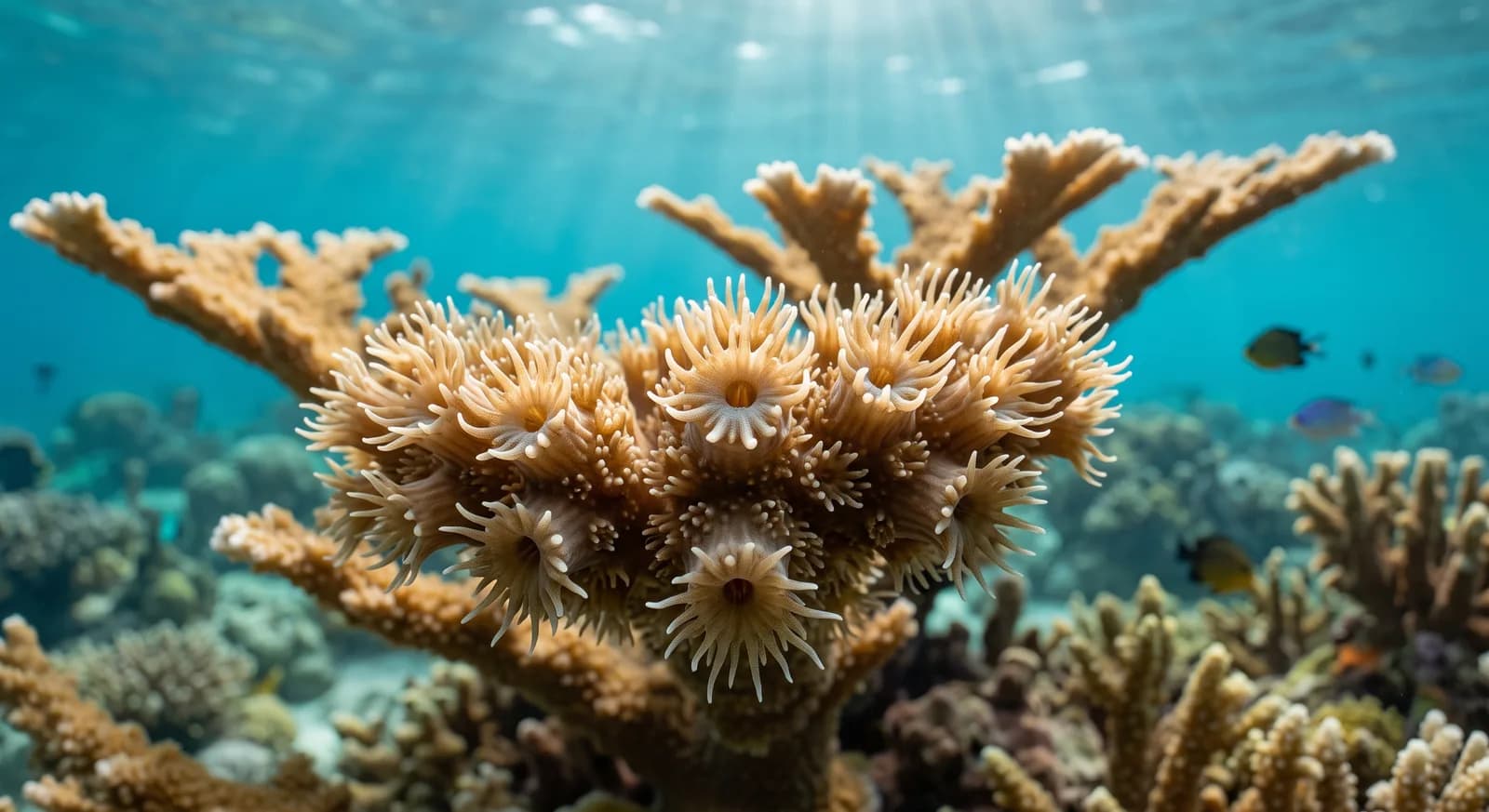 Critically Endangered
Elkhorn Coral
Acropora palmata
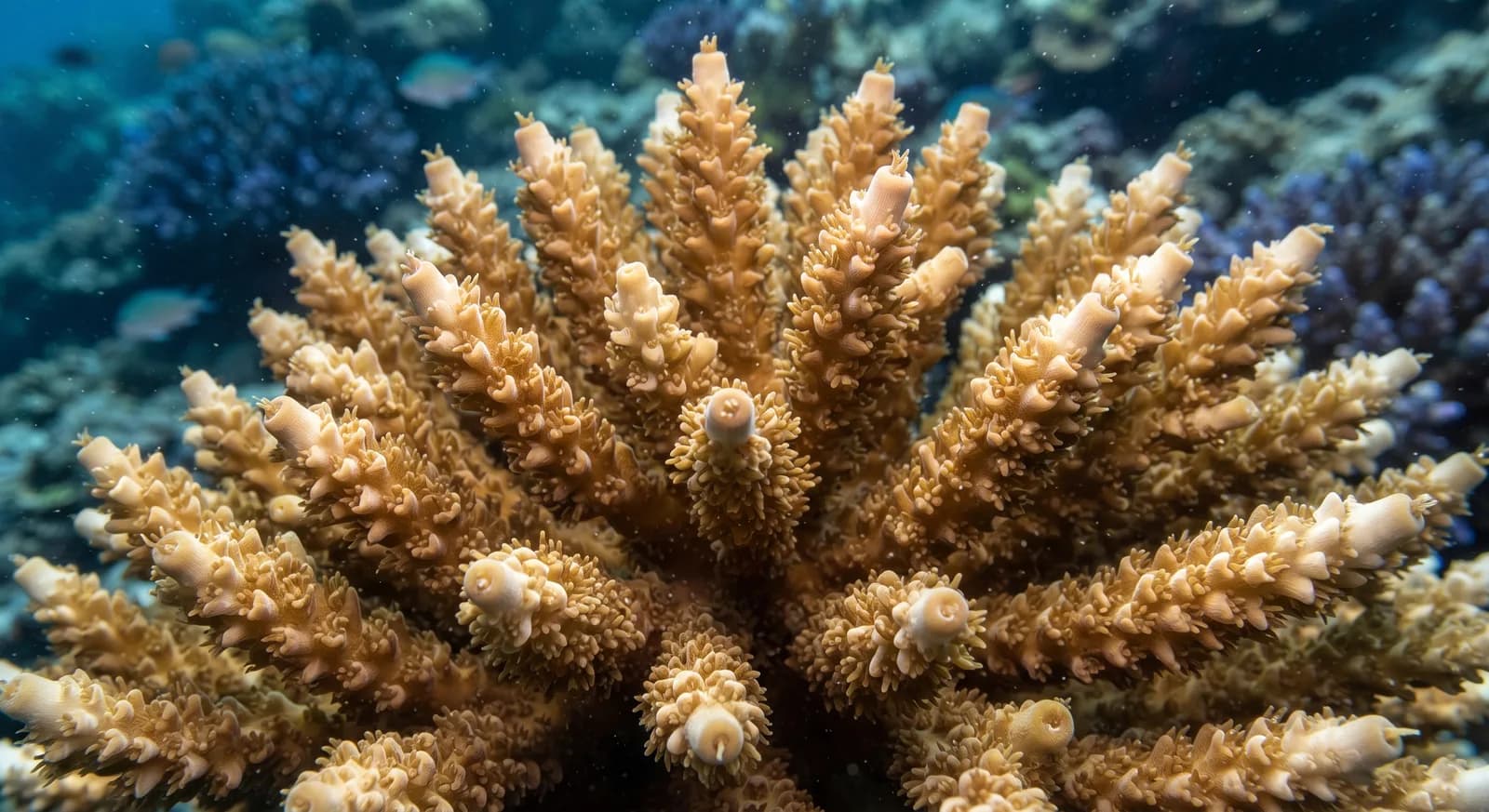 Critically Endangered
Staghorn Coral
Acropora cervicornis
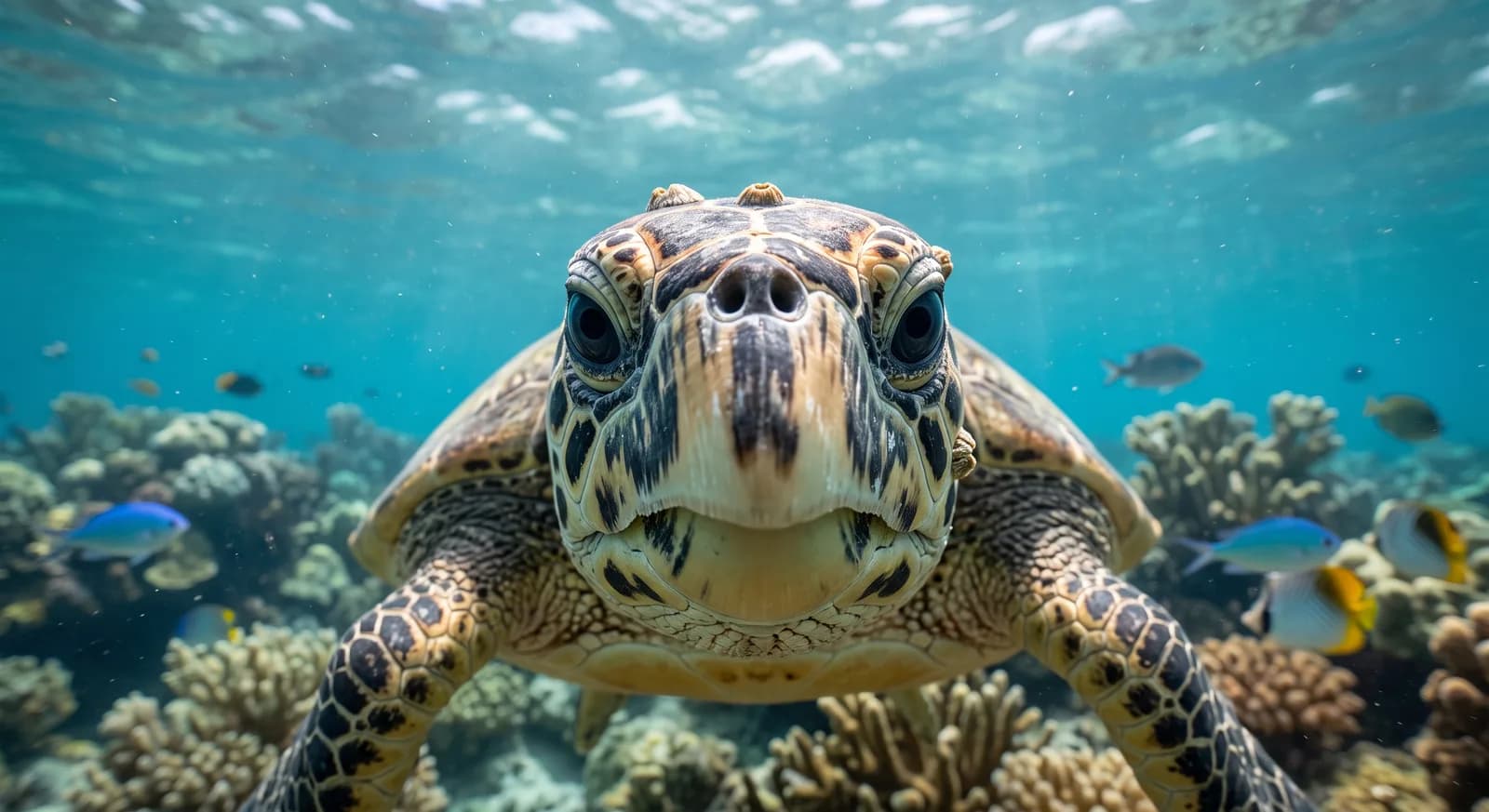 Critically Endangered
Hawksbill Turtle
Eretmochelys imbricata
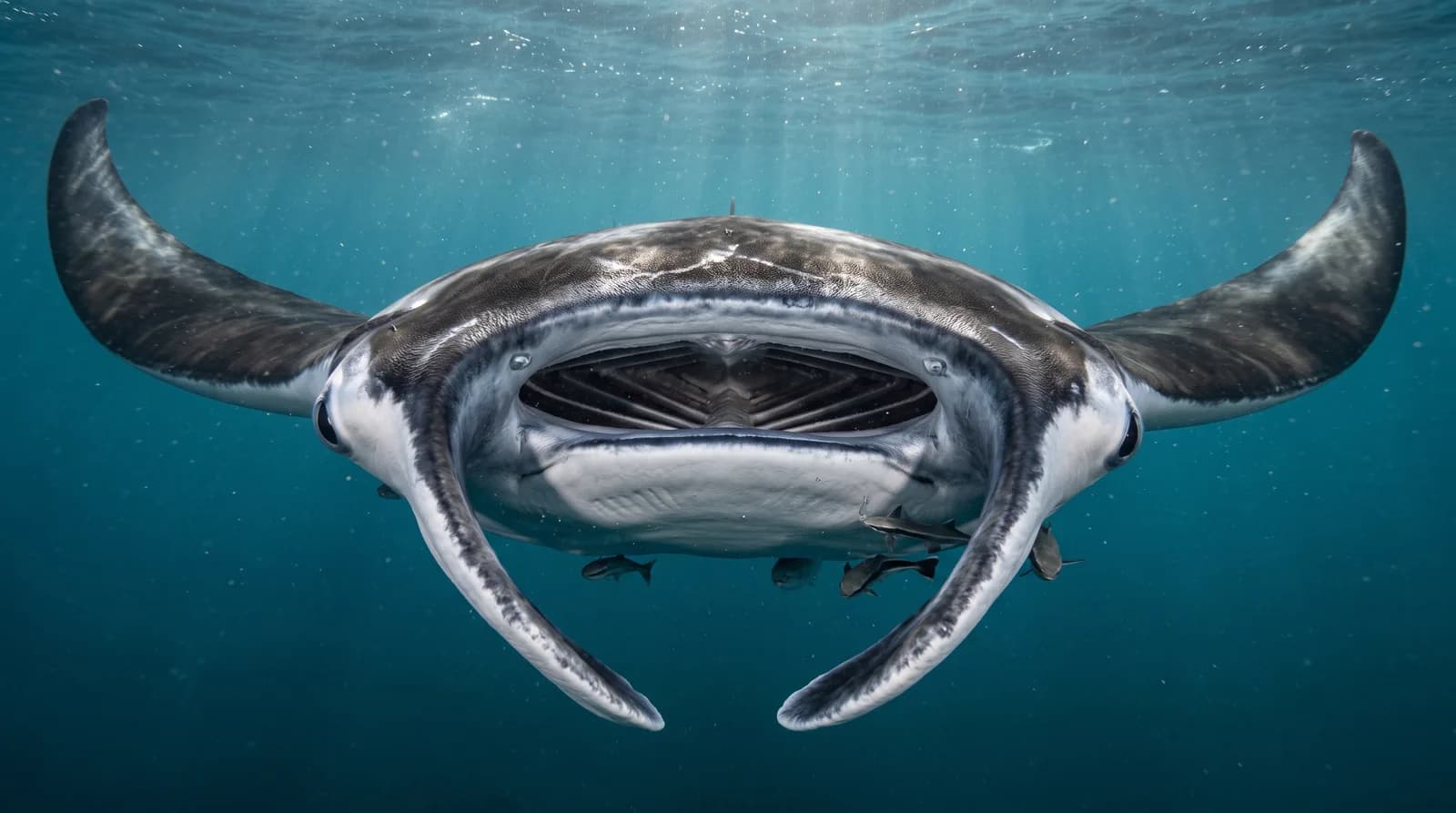 Endangered
Giant Manta
Mobula birostris
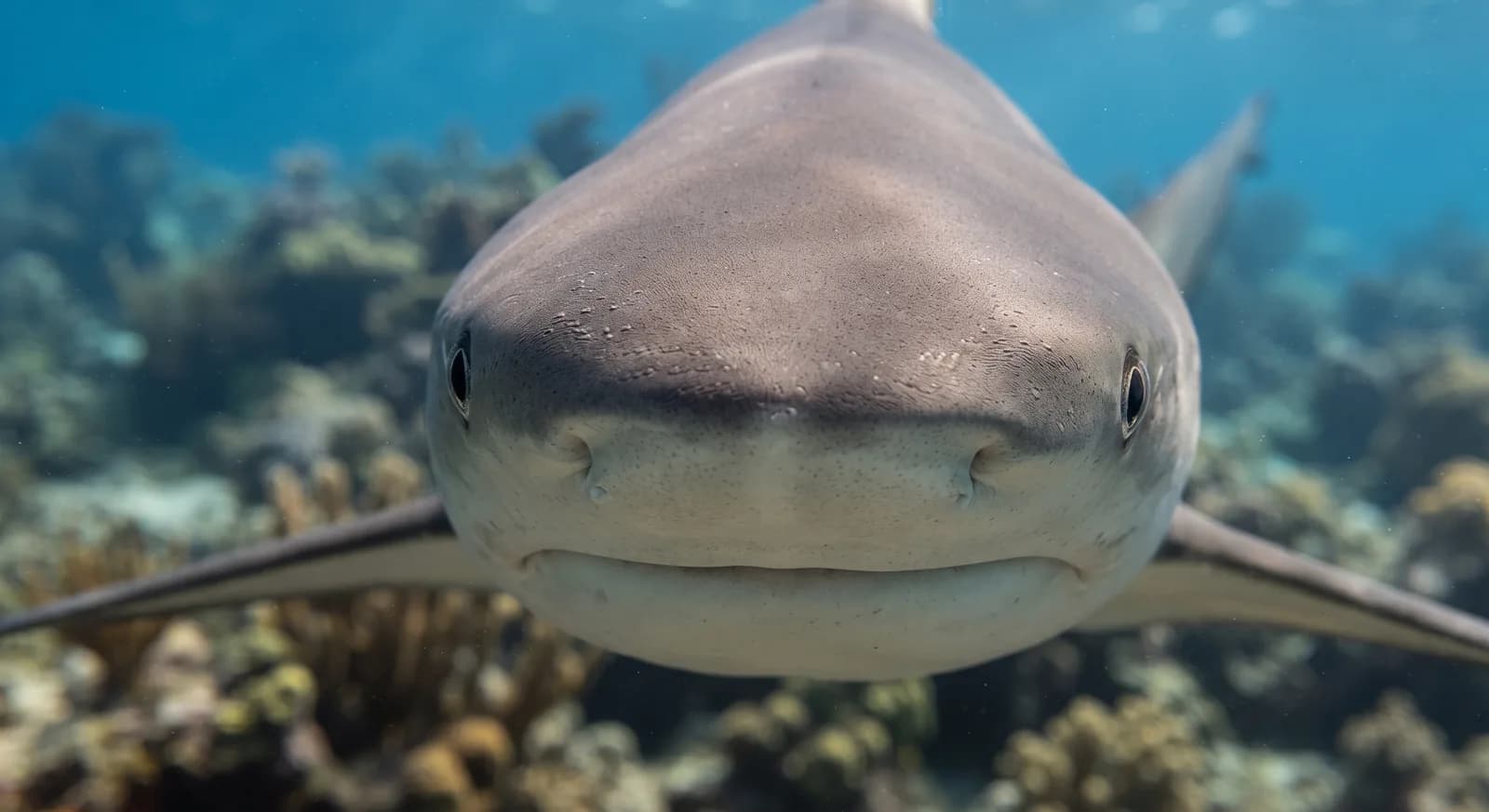 Endangered
Caribbean Reef Shark
Carcharhinus perezi
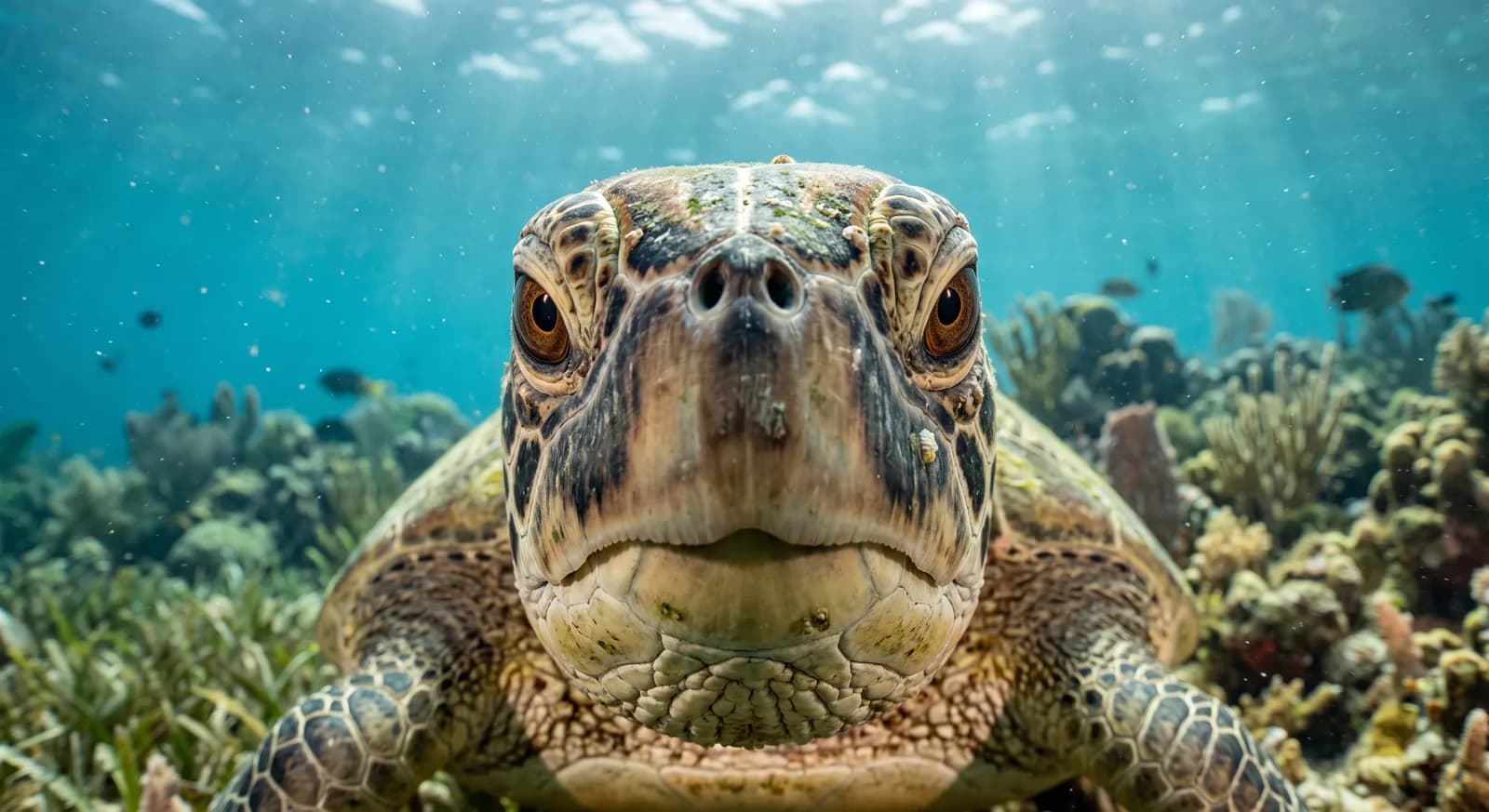 Endangered
Green Turtle
Chelonia mydas
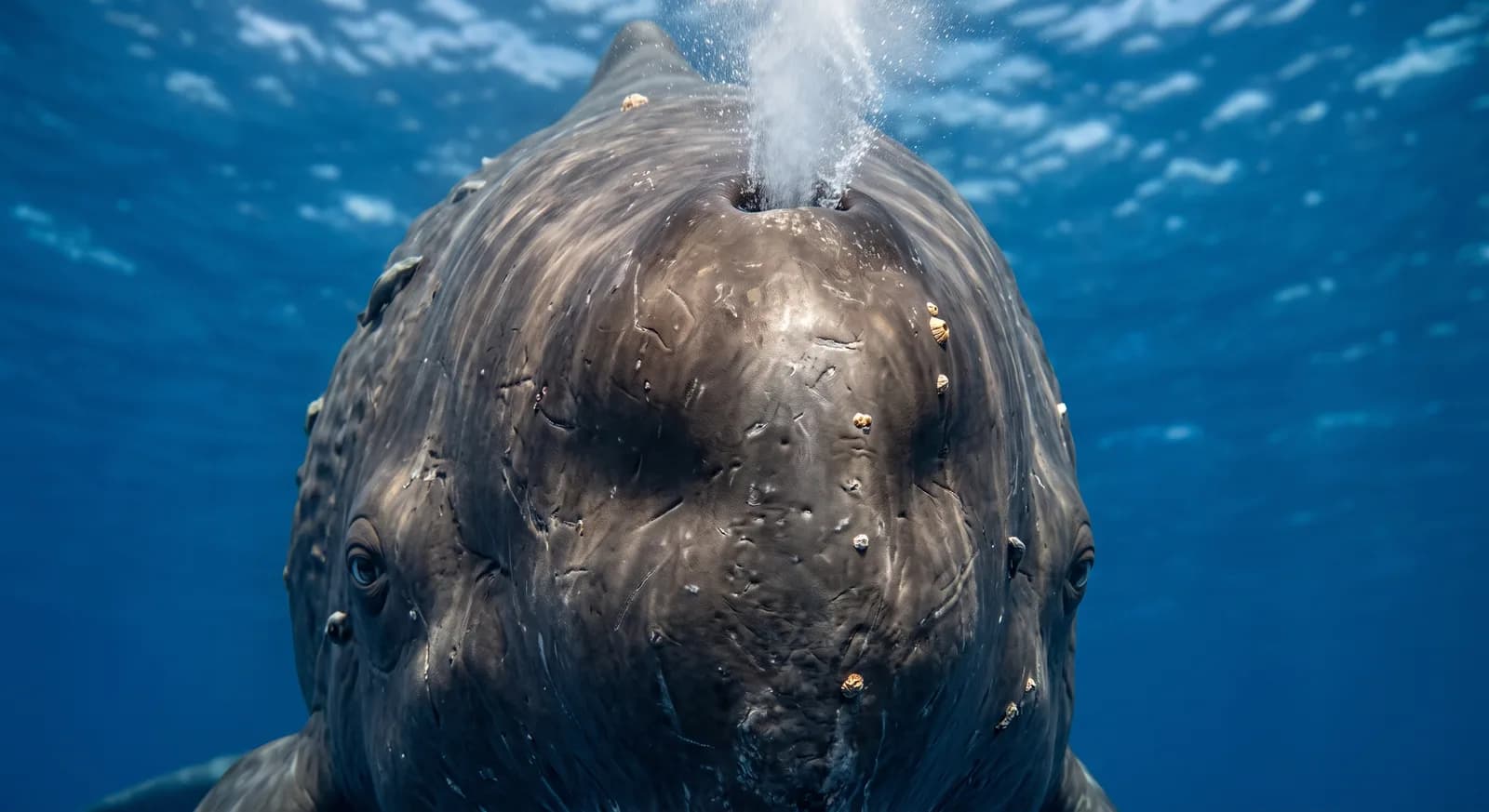 Vulnerable
Sperm Whale
Physeter macrocephalus
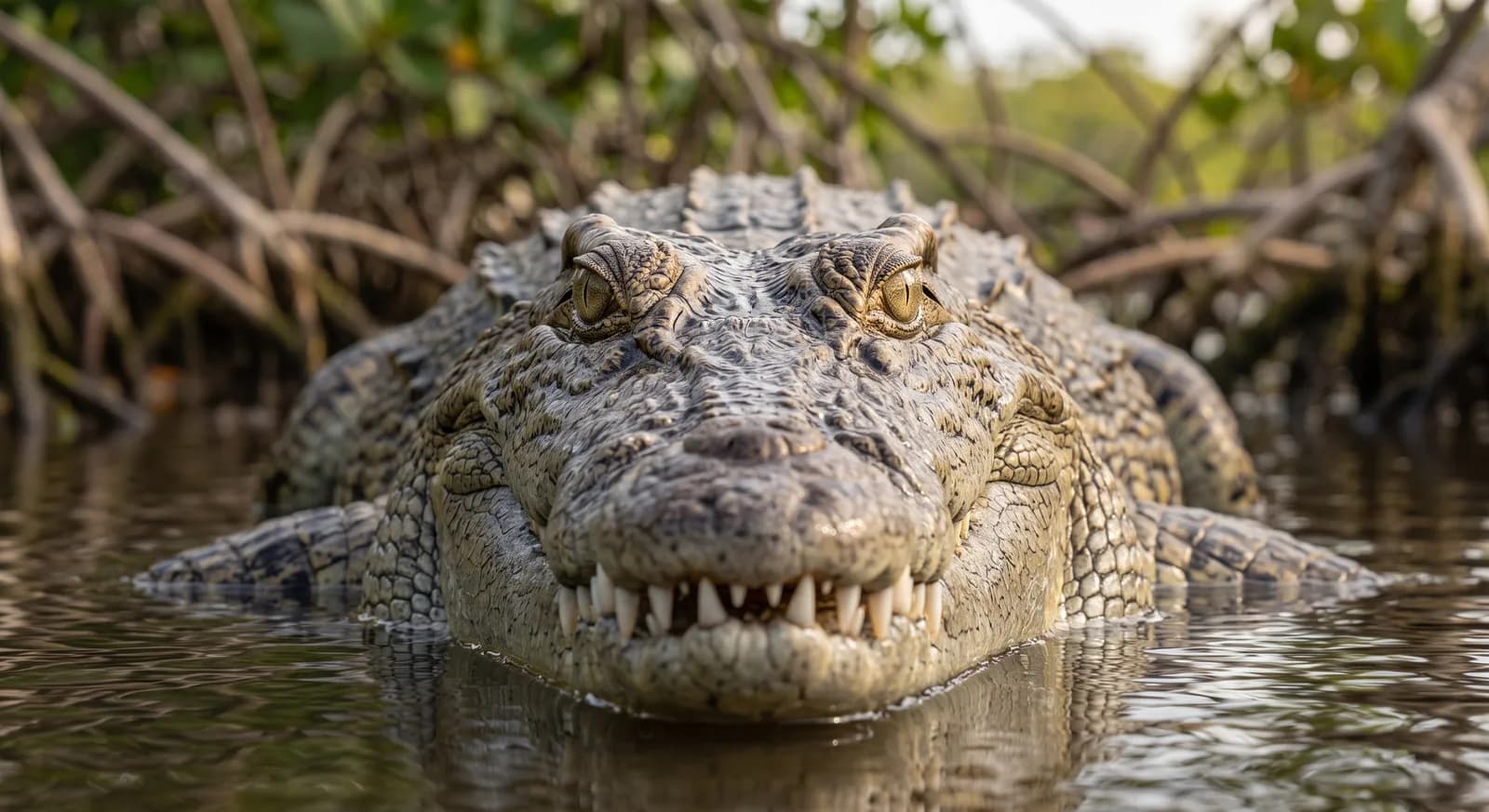 Vulnerable
American Crocodile
Crocodylus acutus
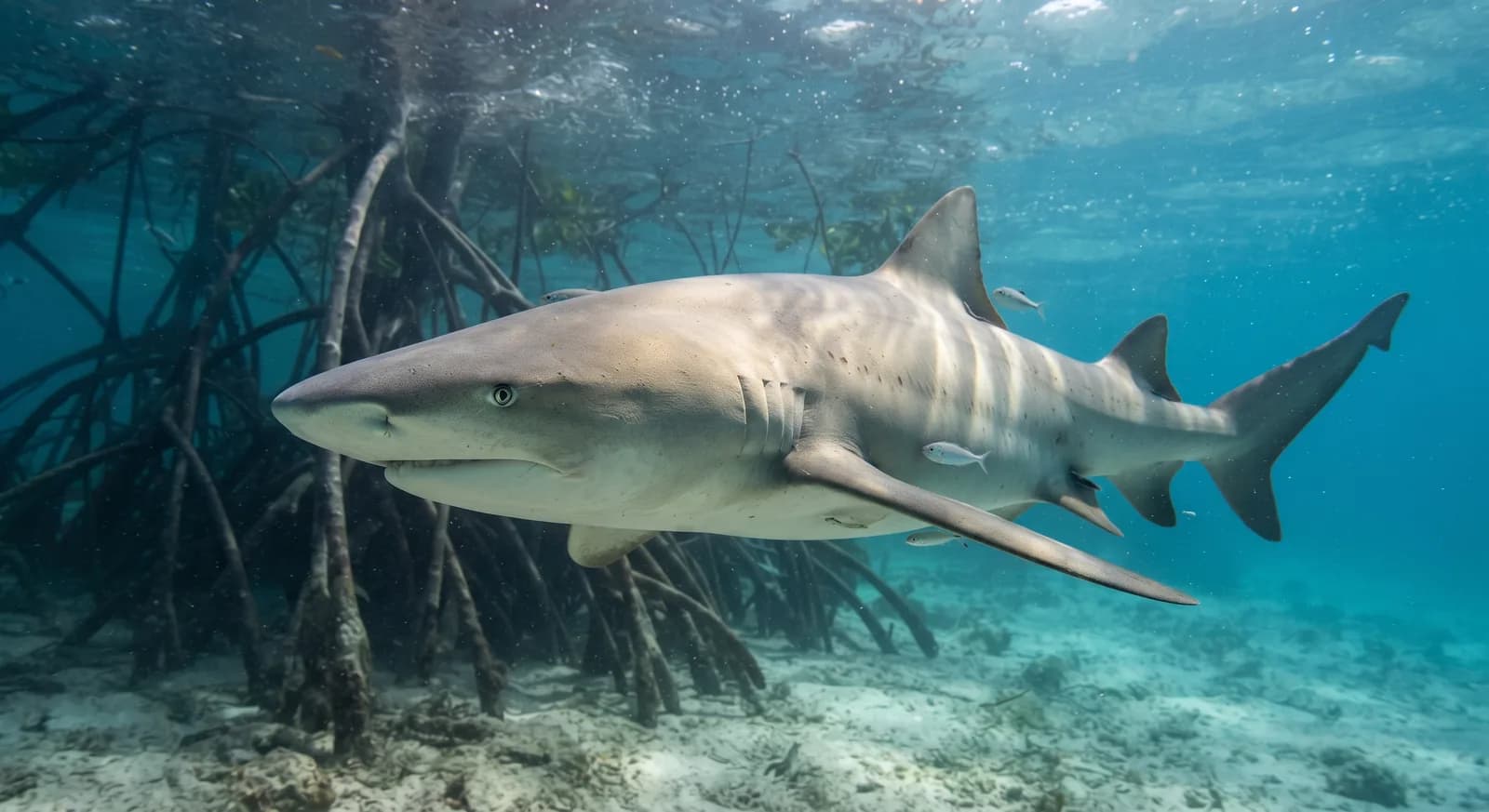 Vulnerable
Lemon Shark
Negaprion brevirostris
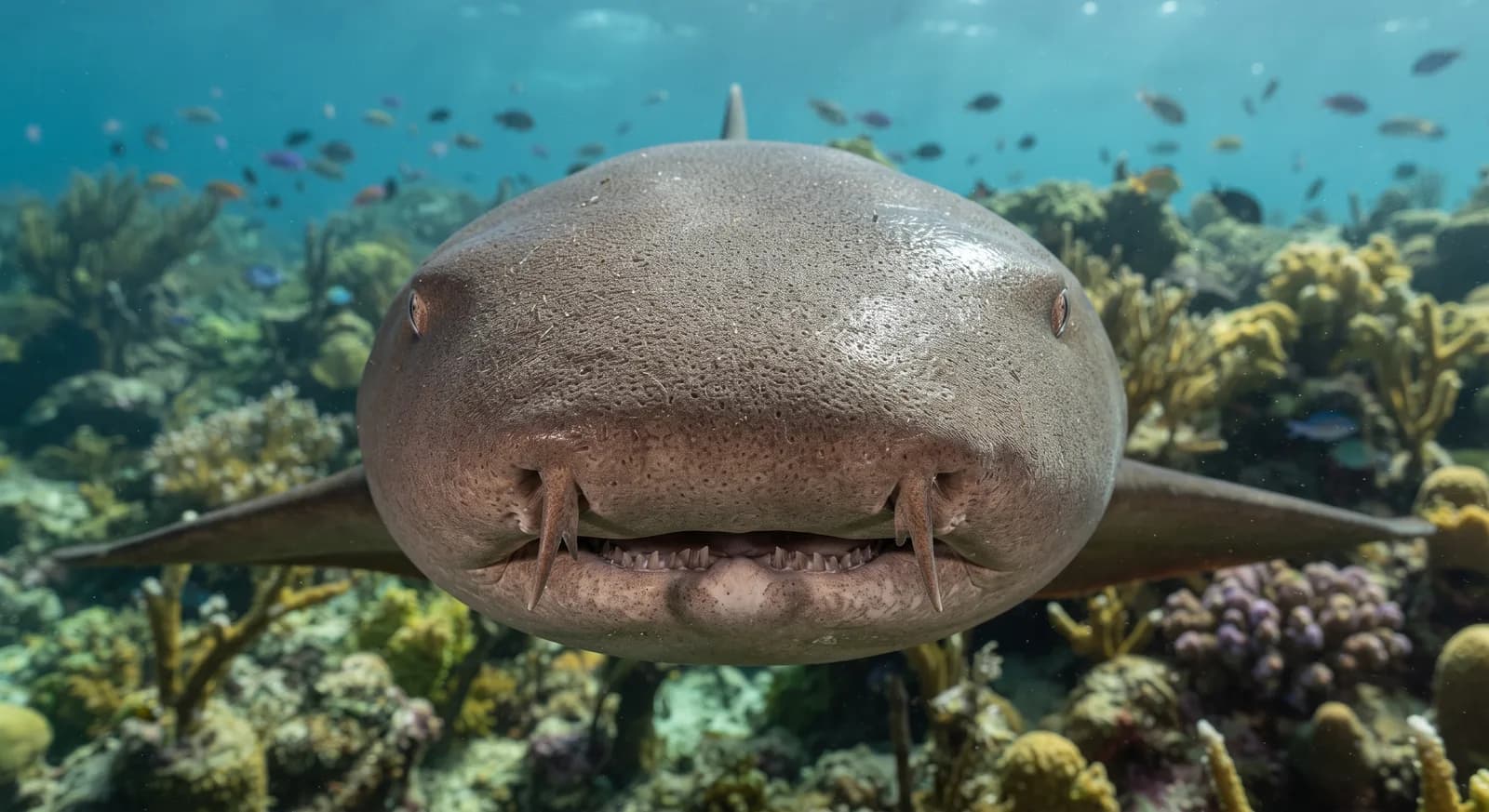 Vulnerable
Nurse Shark
Ginglymostoma cirratum
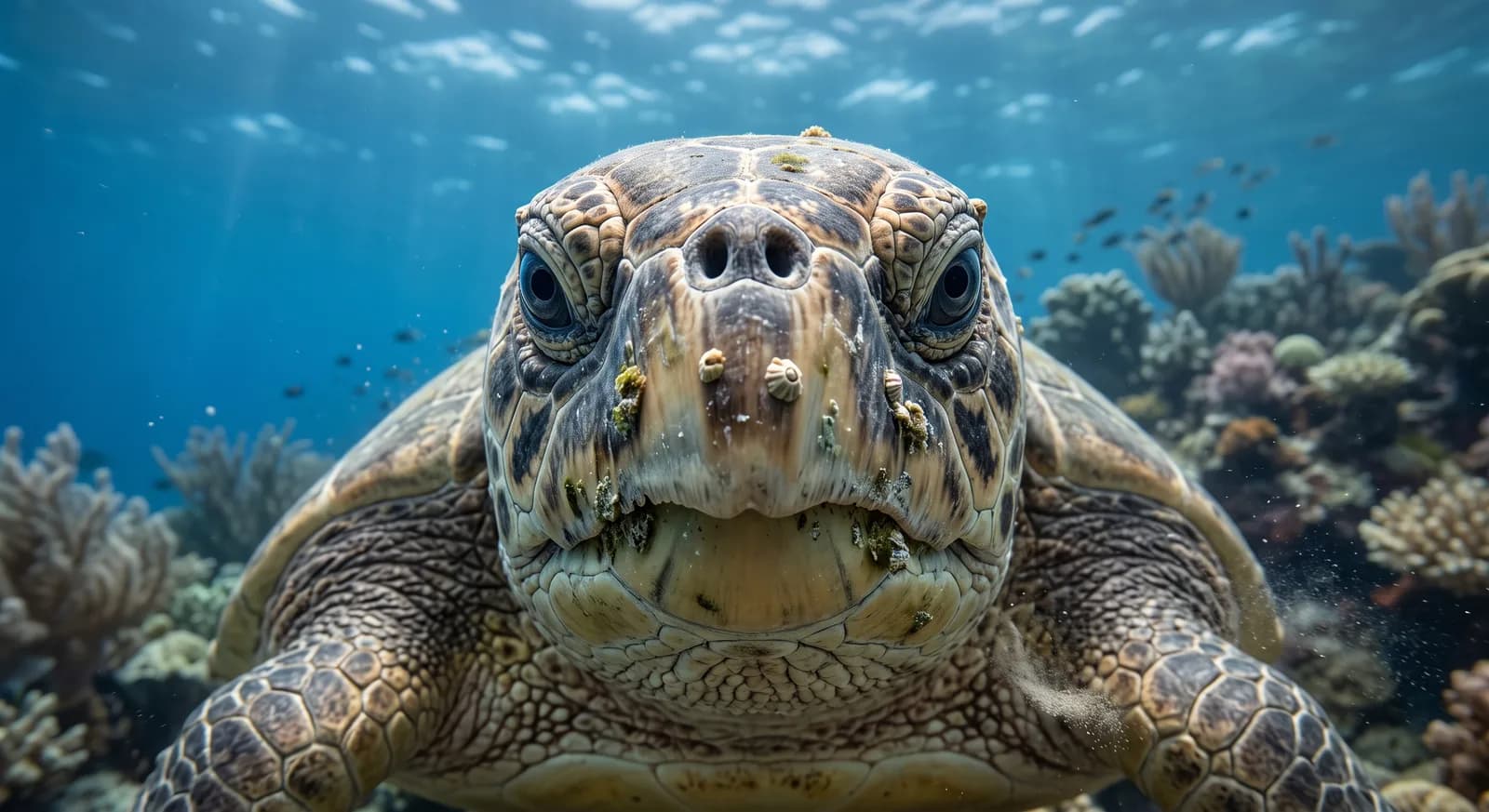 Vulnerable
Loggerhead Turtle
Caretta caretta
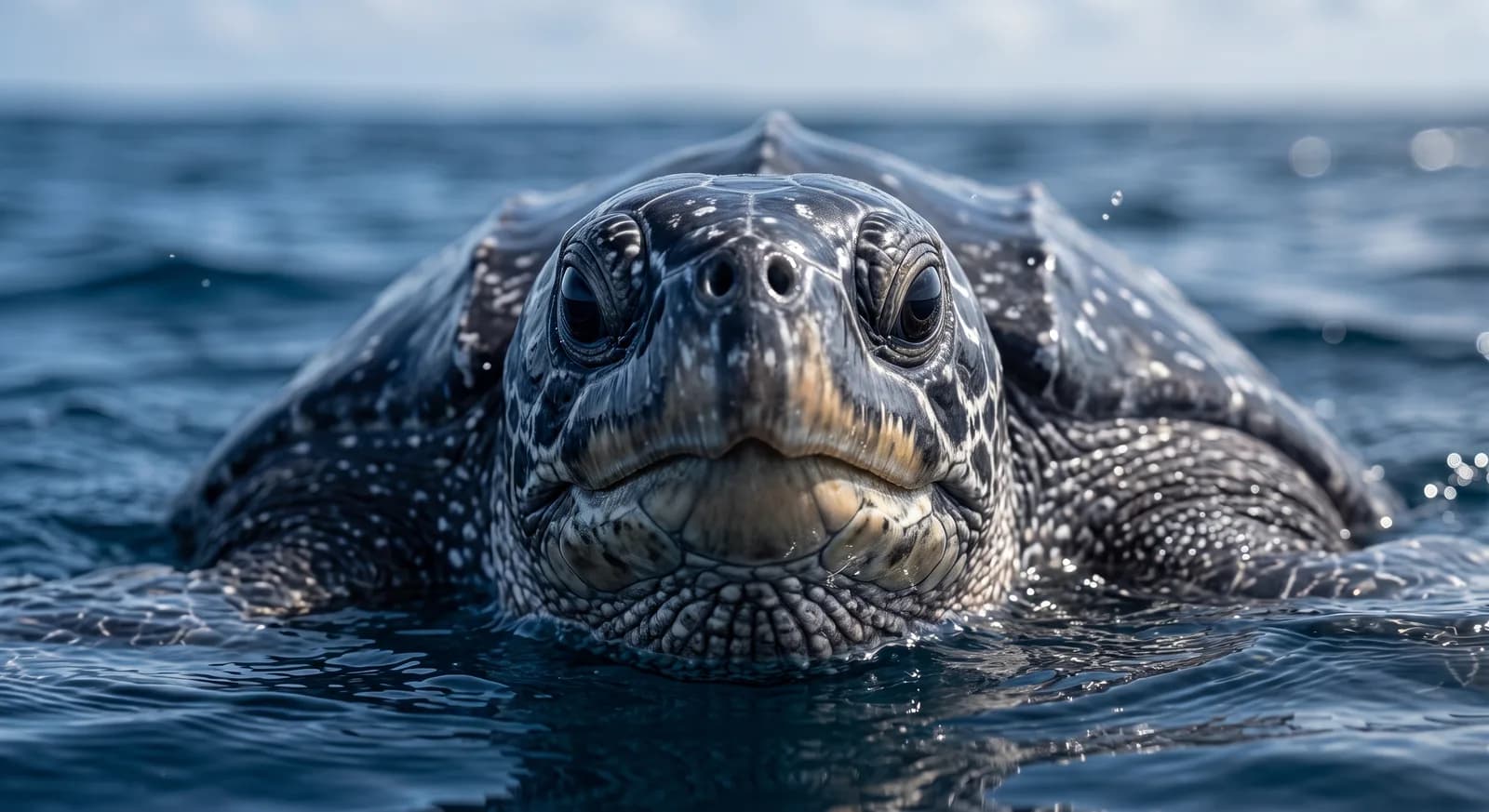 Vulnerable
Leatherback Sea Turtle
Dermochelys coriacea
Keep exploring
Based on what we already know about Dominican Republic.