One of the 3 herons on WAnimals
Birds · Pelecaniformes · Ardeidae
Cocoi Heron
Ardea cocoi
The species is abundant and widely distributed; it faces no significant short-term risk. See full glossary
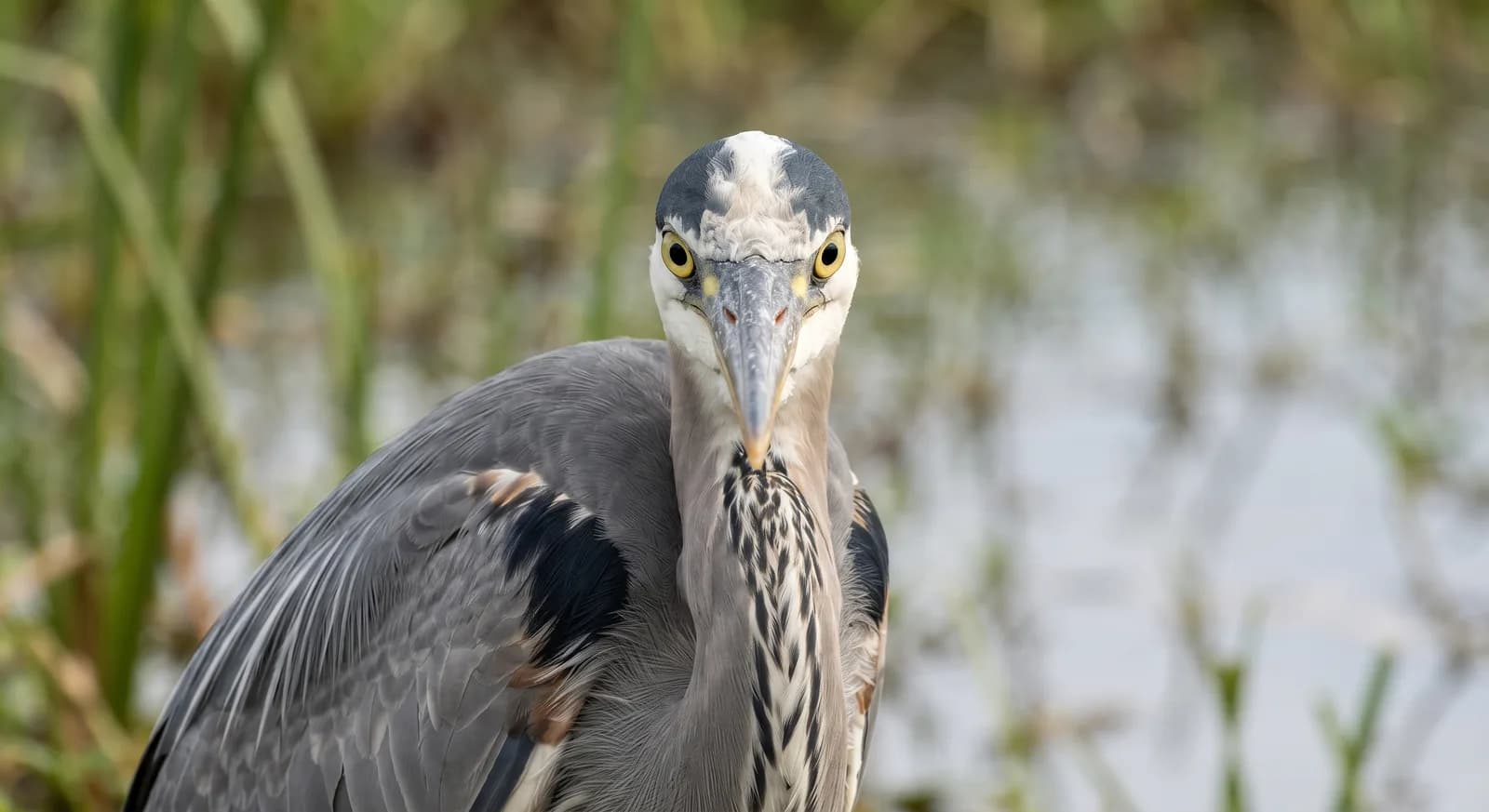
The largest of the South American herons. Grey on the back and wings, with a white neck held in an S, white thighs and undertail coverts and a wholly black crown extending into a pointed crest over the nape. A dull yellow bill, yellow iris and blue-grey bare skin around the eye.
Weight
1.1 kg – 3.2 kg
Lifespan
15 years
Diet
Carnivore
Feeds mainly on other animals.
Activity
Diurnal
Active mainly during the day.
Social structure
Solitary
Lives and hunts alone, joining others only to breed.
Sighting difficulty
Easy
Fun facts
- It forms a superspecies with the Eurasian grey heron and the North American great blue heron: all three have almost identical skeletal morphology.
- It takes fish of more than 20 cm, but also mammals, amphibians, reptiles and even carrion.
- It adapts its diet to its surroundings: on rivers and lakes it fishes, while in heavily vegetated areas it hunts insects and amphibians.
Life cycle & biology
- Skeleton type
- Vertebrate - internal bony skeleton (bird)
- Habitat & environment
- All kinds of aquatic habitats: rivers, streams, marshes, swamps, lagoons and freshwater lakes, as well as irrigation canals. Its long legs let it wade into deeper water than other herons
- Birth weight
- Altricial: born blind, naked or with sparse down and entirely dependent
- Size at birth
- Altricial: born blind, naked or with sparse down and entirely dependent
- Gestation / incubation
- 24-26 days of incubation
- Litter / clutch size
- 2-4 eggs per clutch
Sources consulted: IUCN Red List; Universidad de las Indias Occidentales (ficha Ardea cocoi); Dunning 2008; Hancock y Kushlan, The Heron Handbook; Heron Conservation (Heron Specialist Group); de la Paz Ducommun y Beltzer 2010; Birds of the World (Cornell Lab)
Where to find it
See its range on the interactive mapBest time: All year round; its activity peaks at midday and falls at dusk, though it can also feed at night
Where to watch it
Parques y spots de buceo donde se ha documentado esta especie — se muestran 10 de 71 documentados.
Related species
Other species in the catalogue with the most in common with Cocoi Heron — same habitat, park, country, tags or family.
Little Egret
Egretta garzetta
 Least Concern
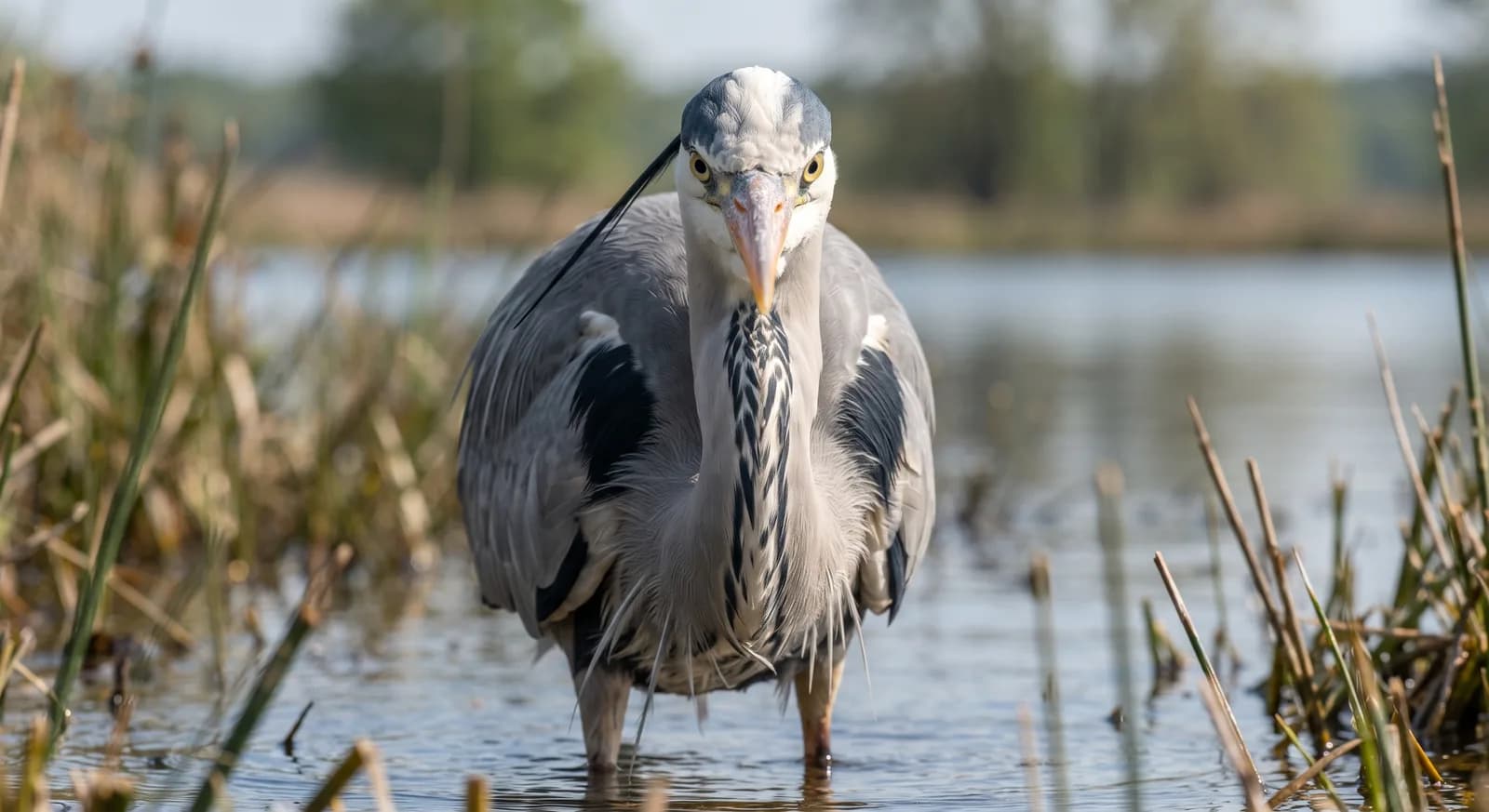
Grey Heron
Ardea cinerea
Cattle Egret
Bubulcus ibis
 Least Concern
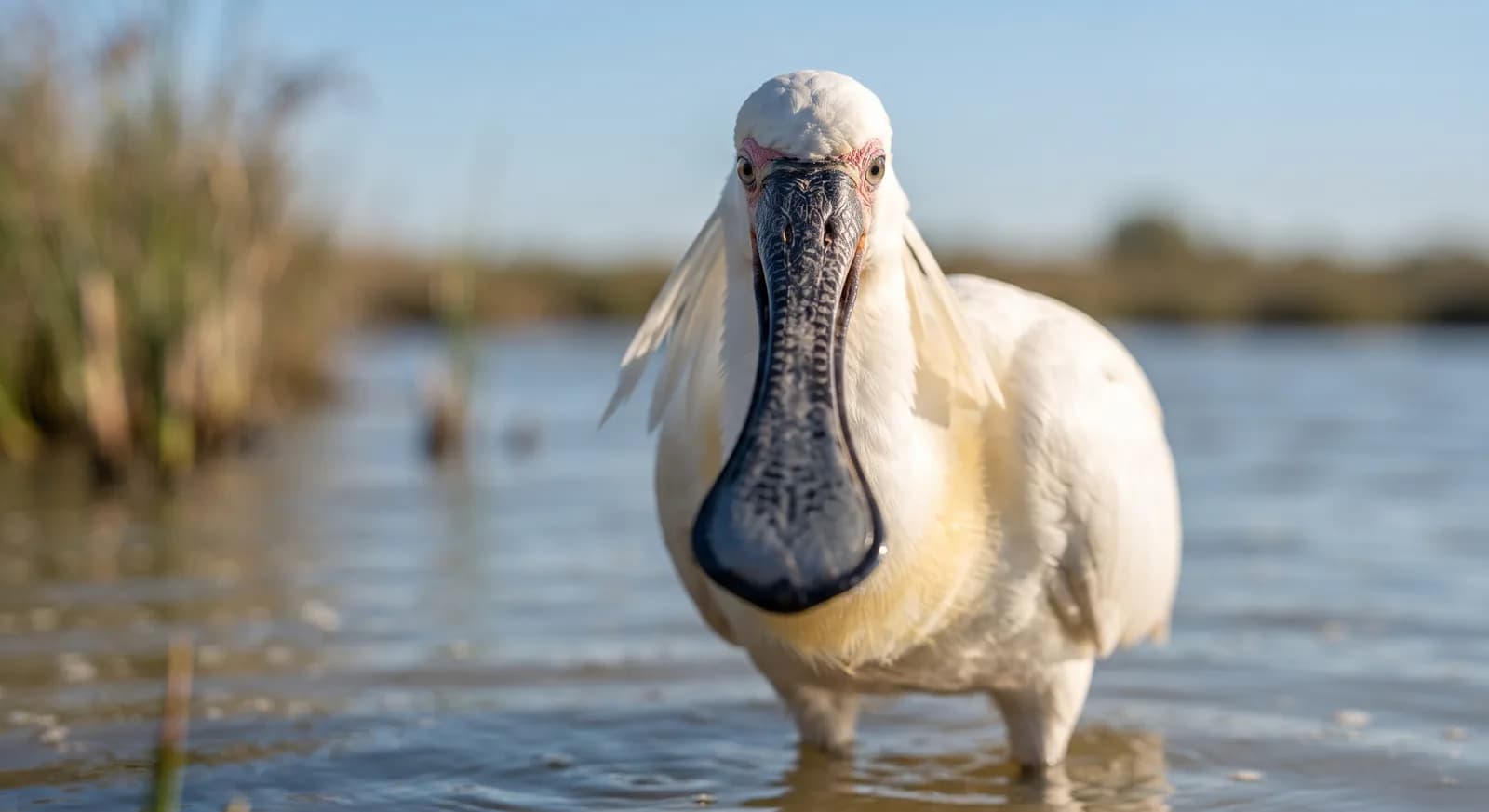
Eurasian Spoonbill
Platalea leucorodia
Helmeted Turtle
Pelomedusa subrufa
Giant Bullfrog
Pyxicephalus adspersus
Keep exploring
Based on what we already know about cocoi heron.
Comments
Share an experience, a fun fact or a tip for seeing the cocoi heron.
Be the first to comment.