Saint Kitts and Nevis
América del Norte
Saint Kitts and Nevis is the smallest country in the Americas and is made up of two volcanic islands separated by a narrow channel. Saint Kitts is dominated by the Liamuiga massif, a dormant volcano with a vegetation-covered crater, on whose slopes the largest expanse of rainforest in the country survives, protected as a national park. Nevis, smaller and almost circular in shape, has a central peak wrapped almost permanently in cloud, which is what gives it its name. Both islands keep mangroves, reefs and seagrass meadows, and their beaches receive the nesting of leatherback and hawksbill turtles. The southeast peninsula of Saint Kitts, drier, holds salt ponds and lagoons frequented by waterbirds.
The nature of Saint Kitts and Nevis
National animal: The brown pelican, the country's national bird
Did you know?
The green monkeys that populate the islands today arrived with the French colonists some three hundred and fifty years ago from West Africa and have multiplied until they outnumber the human population. Their abundance and their habit of stealing drinks from tourists on the beaches has made them, paradoxically, the subjects of scientific studies on alcohol consumption, as well as a serious problem for local crops.
Biodiversity profile
Climate
- •Tropical con estacion seca (Aw), islas volcanicas gemelas
Main biomes
- •Bosque tropical humedo de montaña (Reserva del Bosque Central, unico remanente de bosque tropical de la isla San Cristobal)
- •Vegetacion costera seca en zonas bajas
- •Bosque húmedo de montaña
- •Volcán dormido con cráter
- •Manglar y salina
- •Arrecife de coral
- •Pradera marina
- •Bosque seco de sotavento
- •Playa de puesta de tortugas
Marine and coastal ecosystems
- •Arrecifes de coral alrededor de ambas islas
Flagship wildlife
- •Mono verde vervet (introducido, hoy icono de la isla)
- •Aves tropicales de bosque humedo
- •Tortuga marina (anidacion costera)
- •Mono verde
- •Pelícano pardo
- •Tortuga laúd
- •Tortuga carey
- •Mangosta pequeña asiática
- •Colibrí caribeño
- •Rabijunco colirrojo
- •Iguana verde
- •Delfín mular
- •Langosta espinosa
Notable endemic species
- •Endemismo insular moderado, tipico de islas volcanicas pequeñas de las Leeward Islands, compartido en parte con la ecorregion de bosques humedos de las Leeward Islands (Antigua, Guadalupe, Islas Virgenes)
Notable threatened species
- •Dato no disponible con precision agregada en fuentes verificadas consultadas
Notable protected areas
- •Parque Nacional Reserva del Bosque Central (incluye el volcan Mount Liamuiga, 1.156 m)
- •Parque Nacional Fortaleza de Brimstone Hill (Patrimonio Mundial, valor principalmente cultural)
- •Parque Nacional de la Reserva Forestal Central
- •Monte Liamuiga
- •Pico de Nieves
- •Área Marina Protegida de San Cristóbal
- •Isla Booby
- •Salinas de la Península Sureste
Main conservation threats
- •Presion de desarrollo turistico
- •Reduccion historica de bosque original por la industria azucarera colonial
- •Vulnerabilidad a huracanes
Conservation
The mongoose, introduced to control the rats of the cane fields, and the green monkeys are the two exotic species that put the most pressure on native wildlife. The marine protected area created around Saint Kitts regulates fishing and anchoring over reefs and seagrass meadows.
Where and when to watch wildlife
The Central Forest Reserve at dawn for monkeys and forest birds. The southeastern salt ponds in winter for waterbirds. The northern beaches between March and August for turtles.
Sources: Wikipedia - Central Forest Reserve National Park | Wikipedia - Leeward Islands moist forests | endlesscaribbean.com - National Parks in the Caribbean
Países similares
¿A dónde más podría interesarme viajar?
Misma región: Centroamérica y Caribe
Misma región: Centroamérica y Caribe
Misma región: Centroamérica y Caribe
Misma región: Centroamérica y Caribe
Especies documentadas en Saint Kitts and Nevis
111 species found
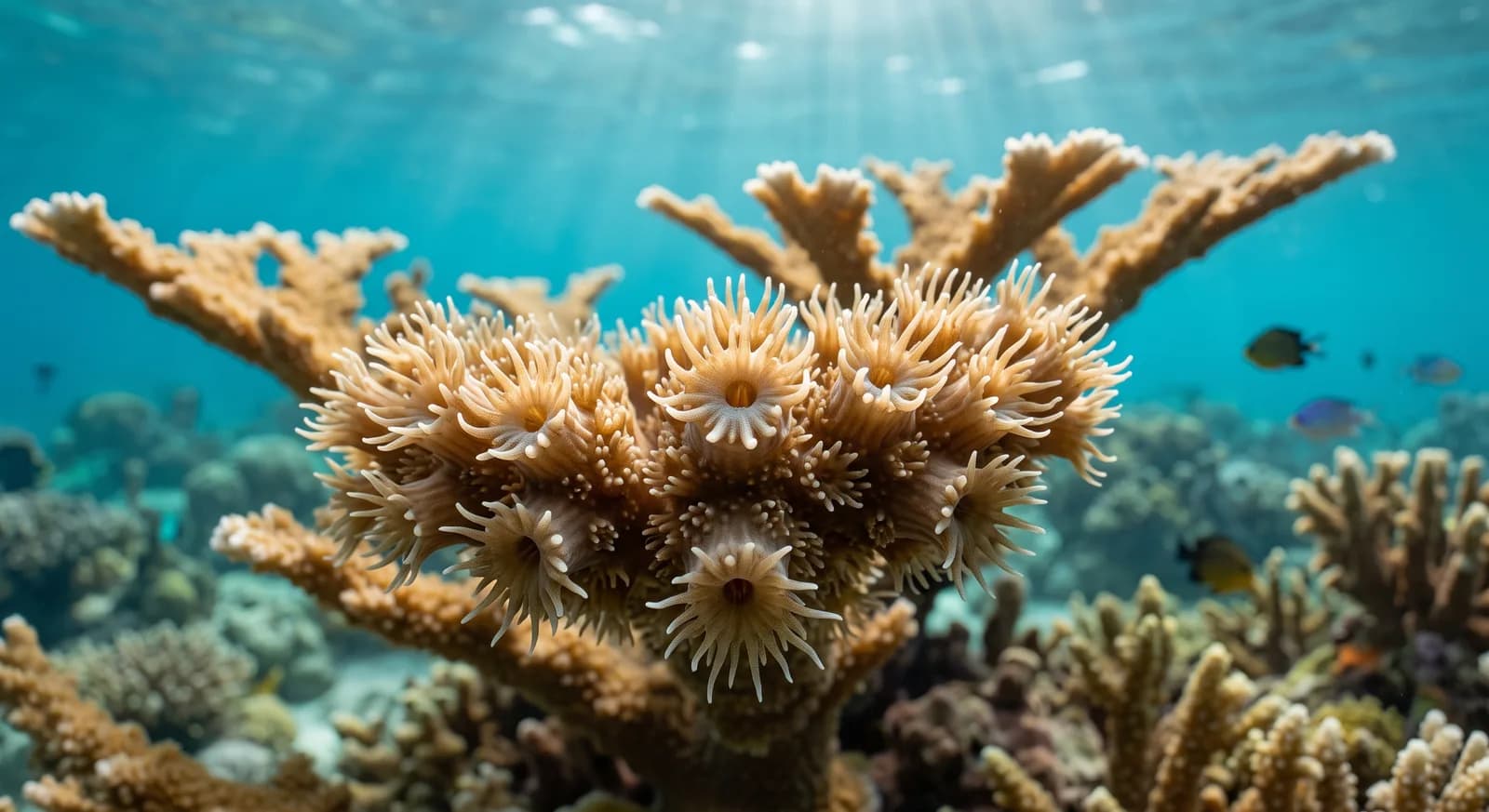 Critically Endangered
Elkhorn Coral
Acropora palmata
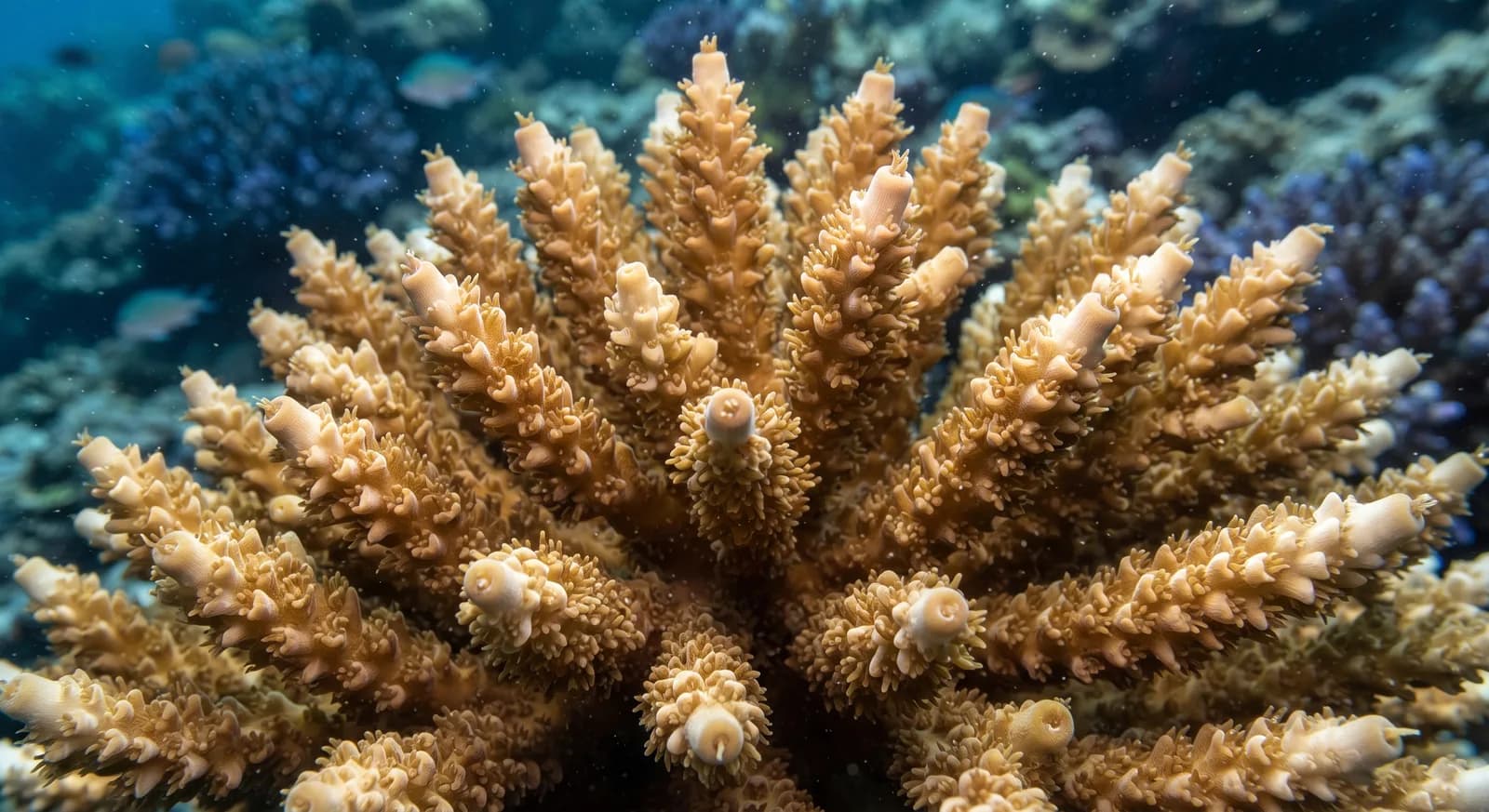 Critically Endangered
Staghorn Coral
Acropora cervicornis
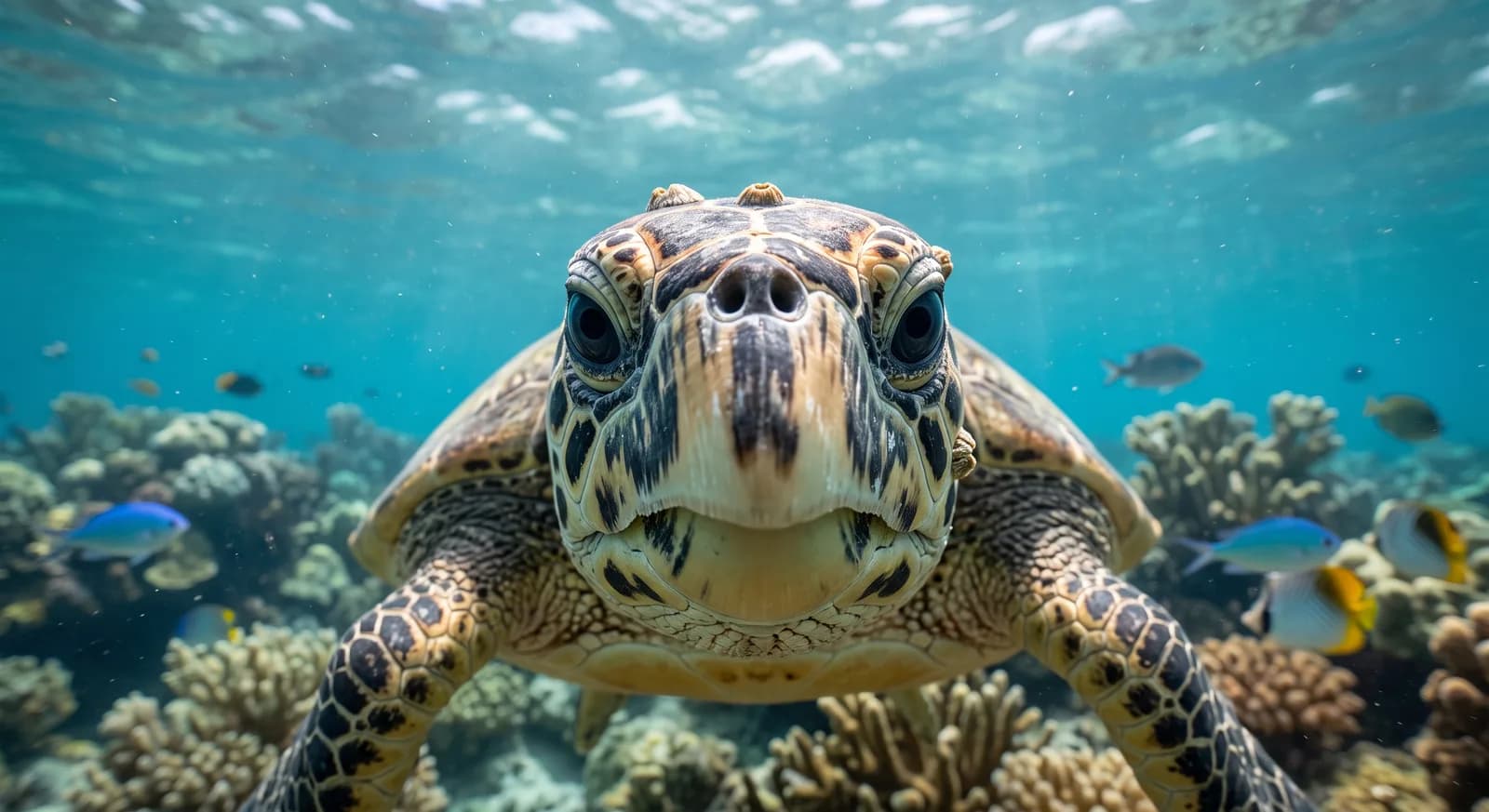 Critically Endangered
Hawksbill Turtle
Eretmochelys imbricata
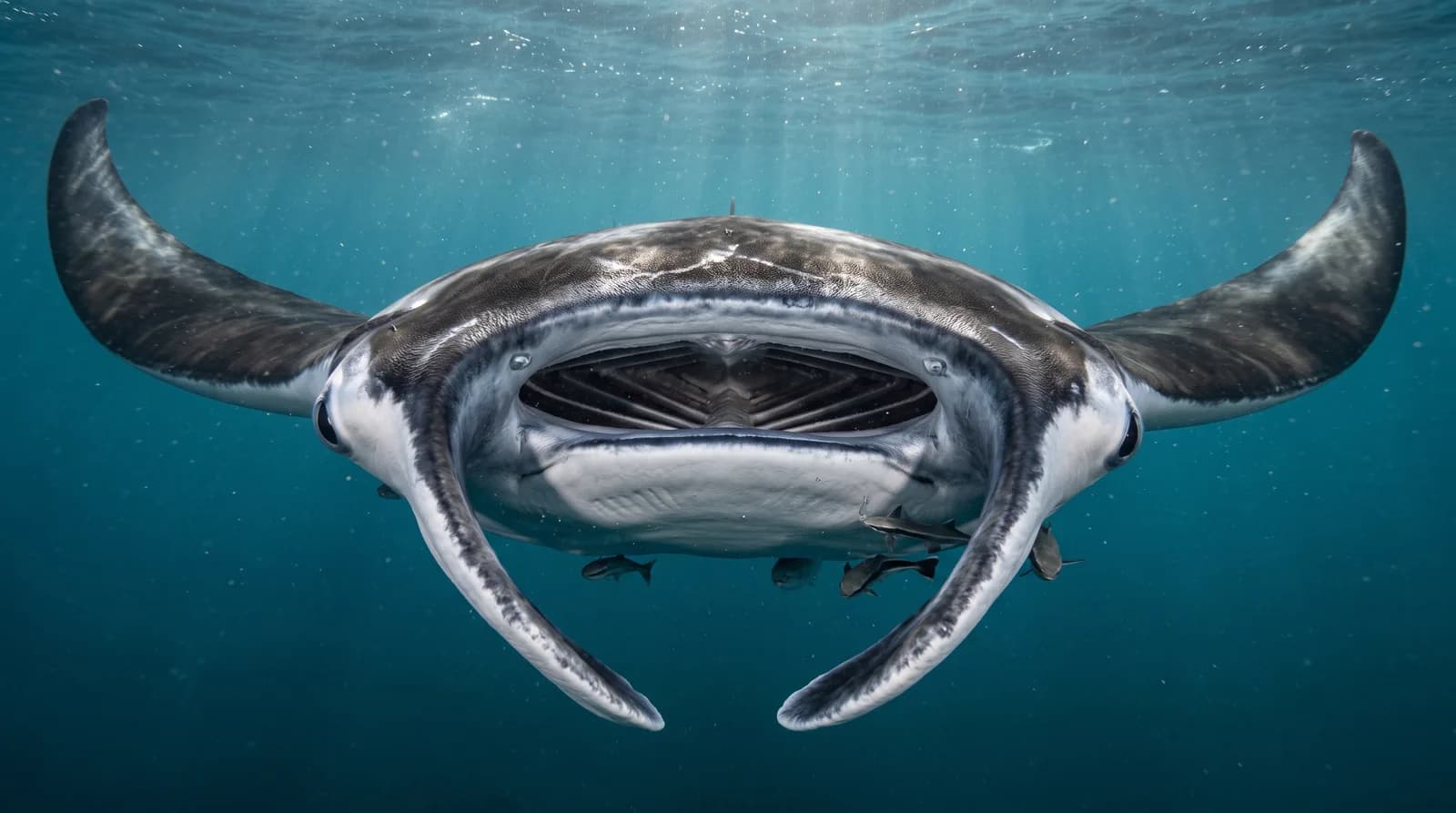 Endangered
Giant Manta
Mobula birostris
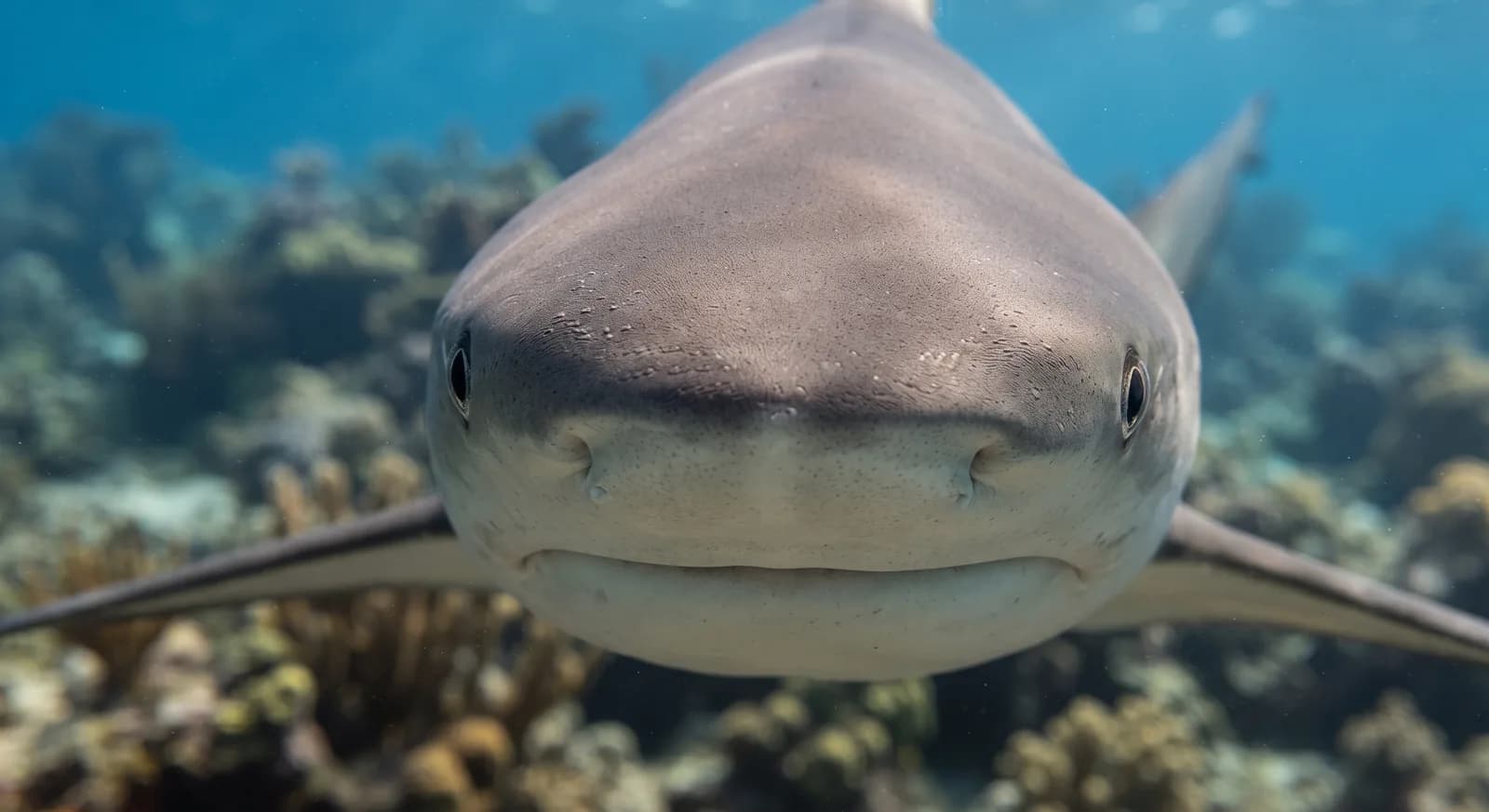 Endangered
Caribbean Reef Shark
Carcharhinus perezi
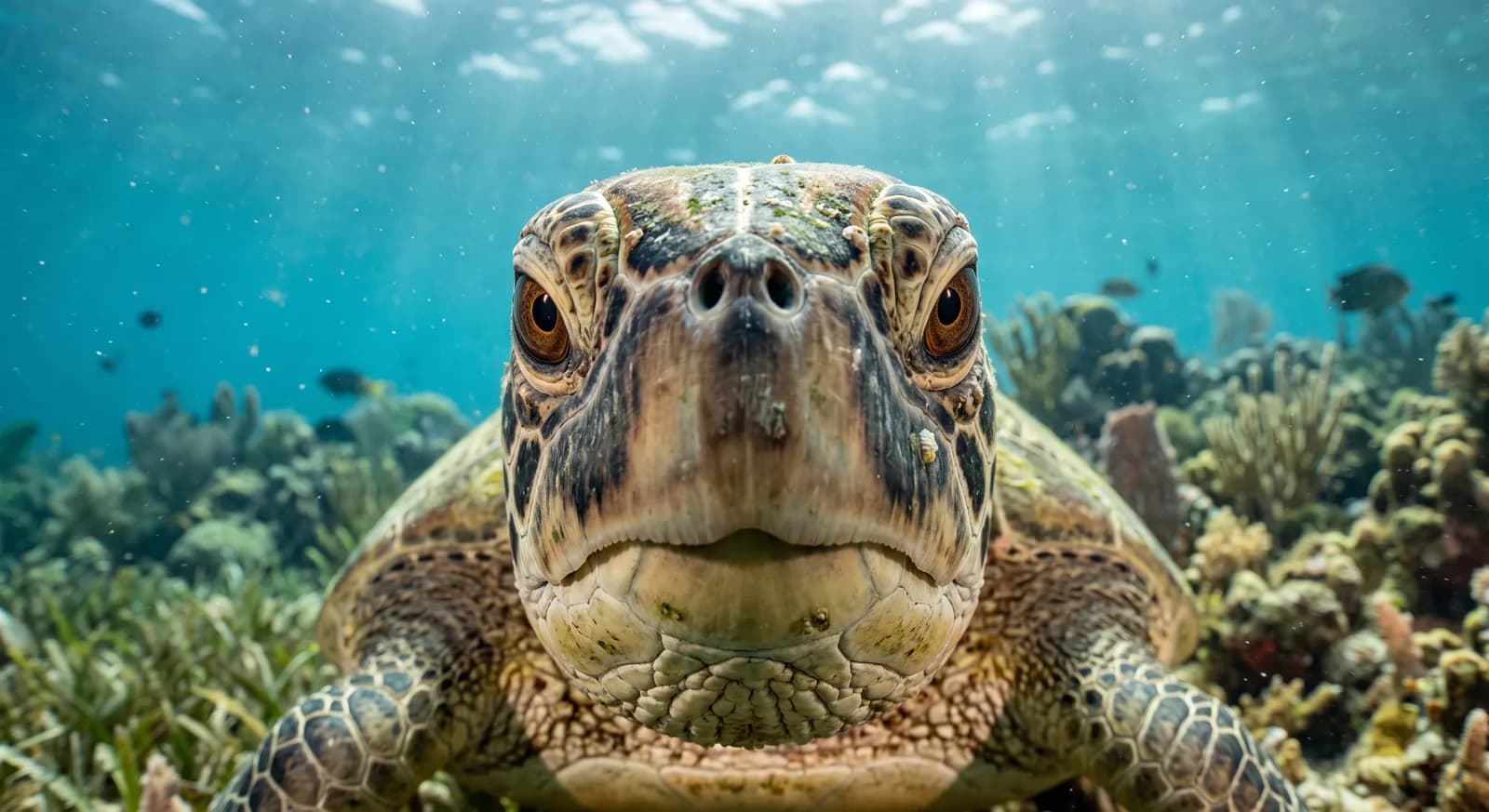 Endangered
Green Turtle
Chelonia mydas
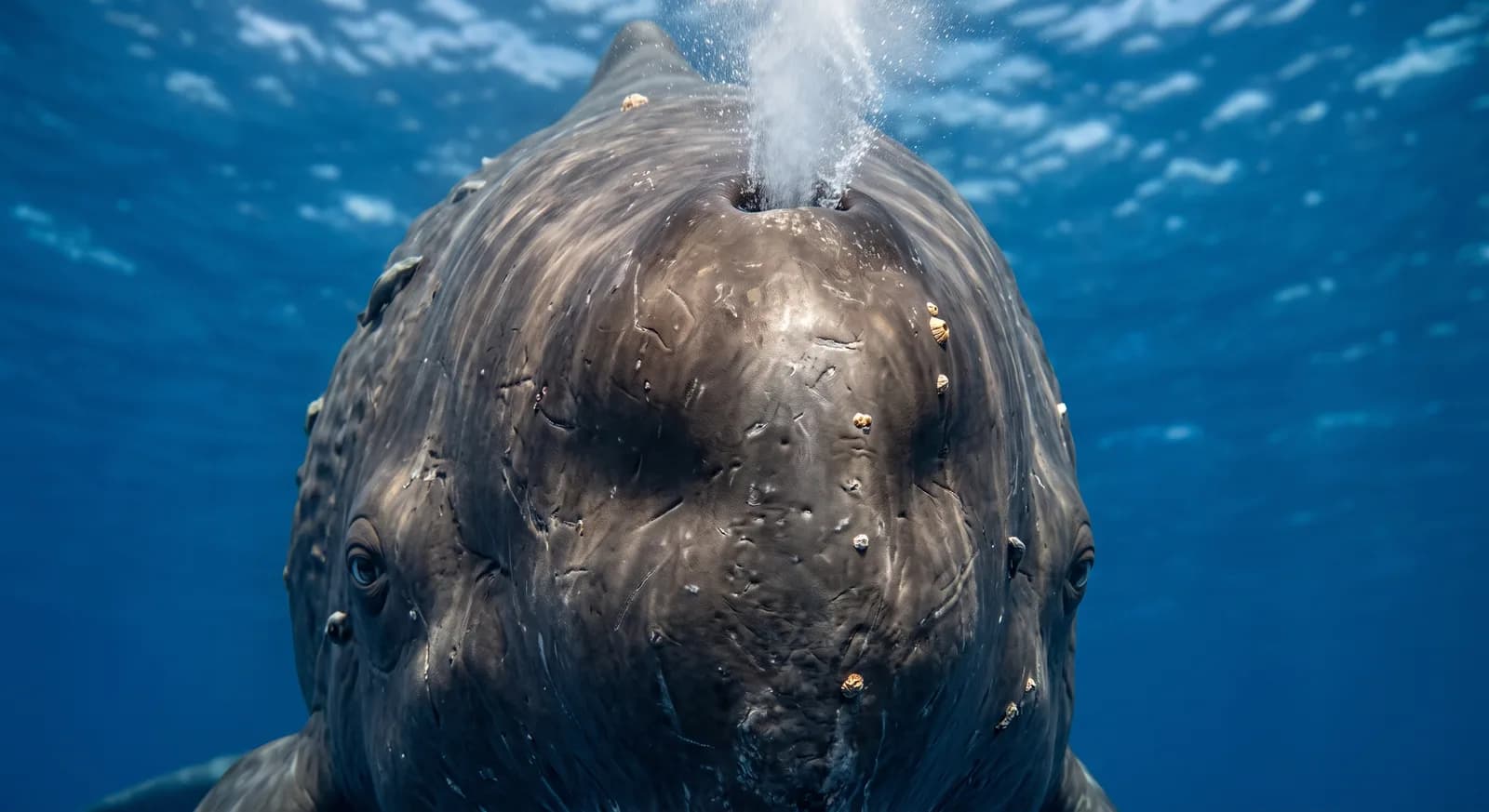 Vulnerable
Sperm Whale
Physeter macrocephalus
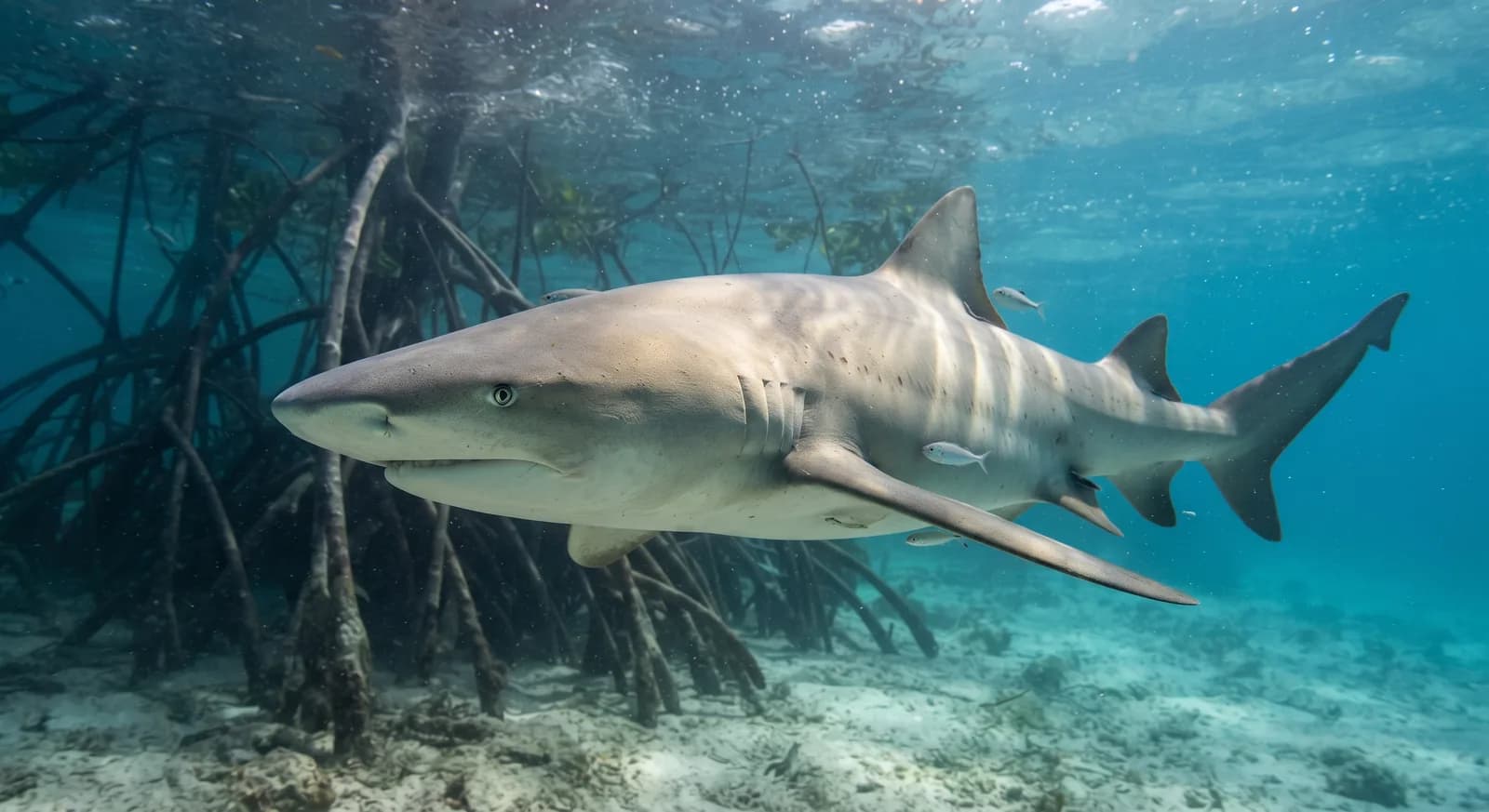 Vulnerable
Lemon Shark
Negaprion brevirostris
 Vulnerable
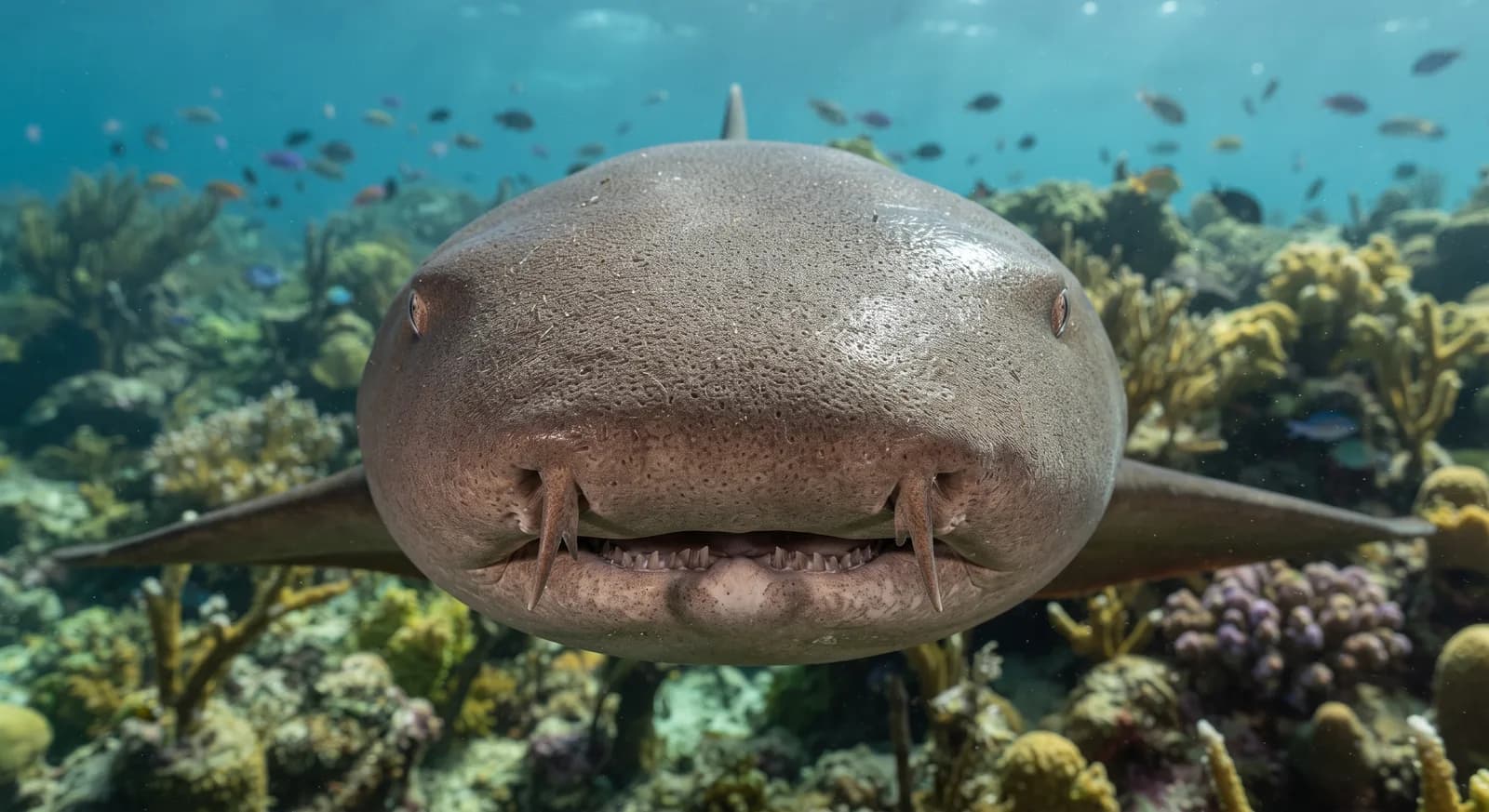
Nurse Shark
Ginglymostoma cirratum
 Vulnerable
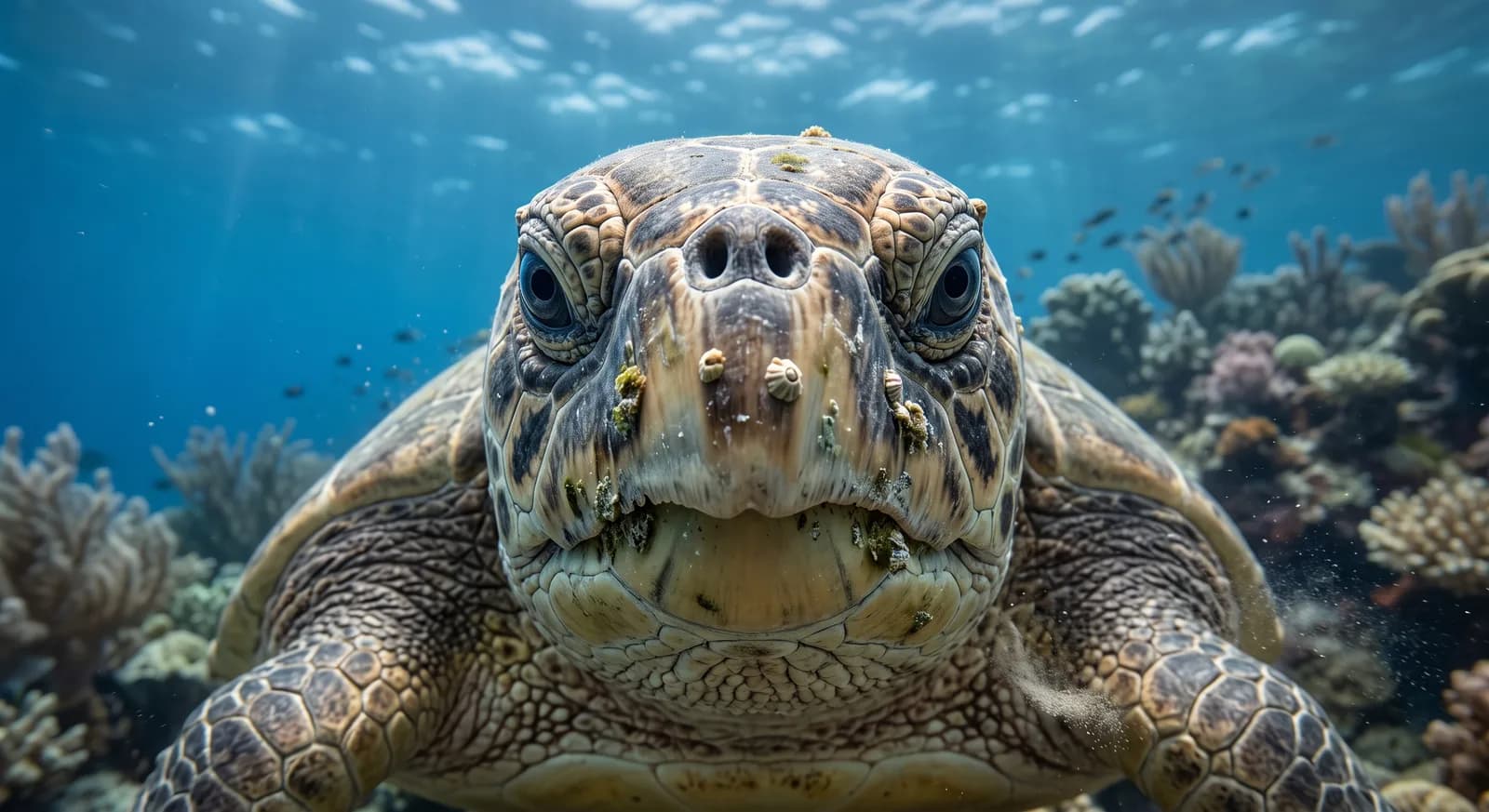
Loggerhead Turtle
Caretta caretta
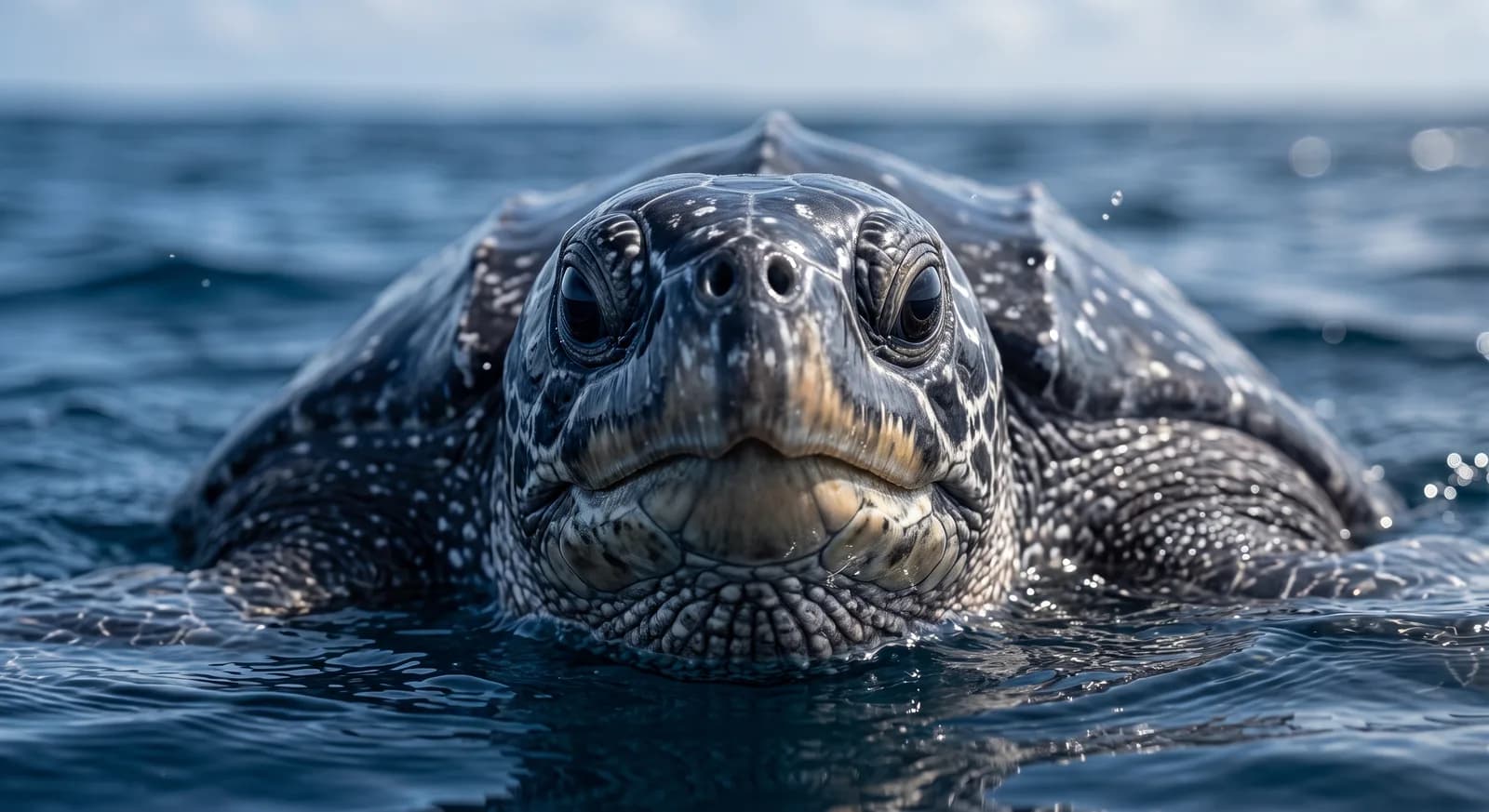 Vulnerable
Leatherback Sea Turtle
Dermochelys coriacea
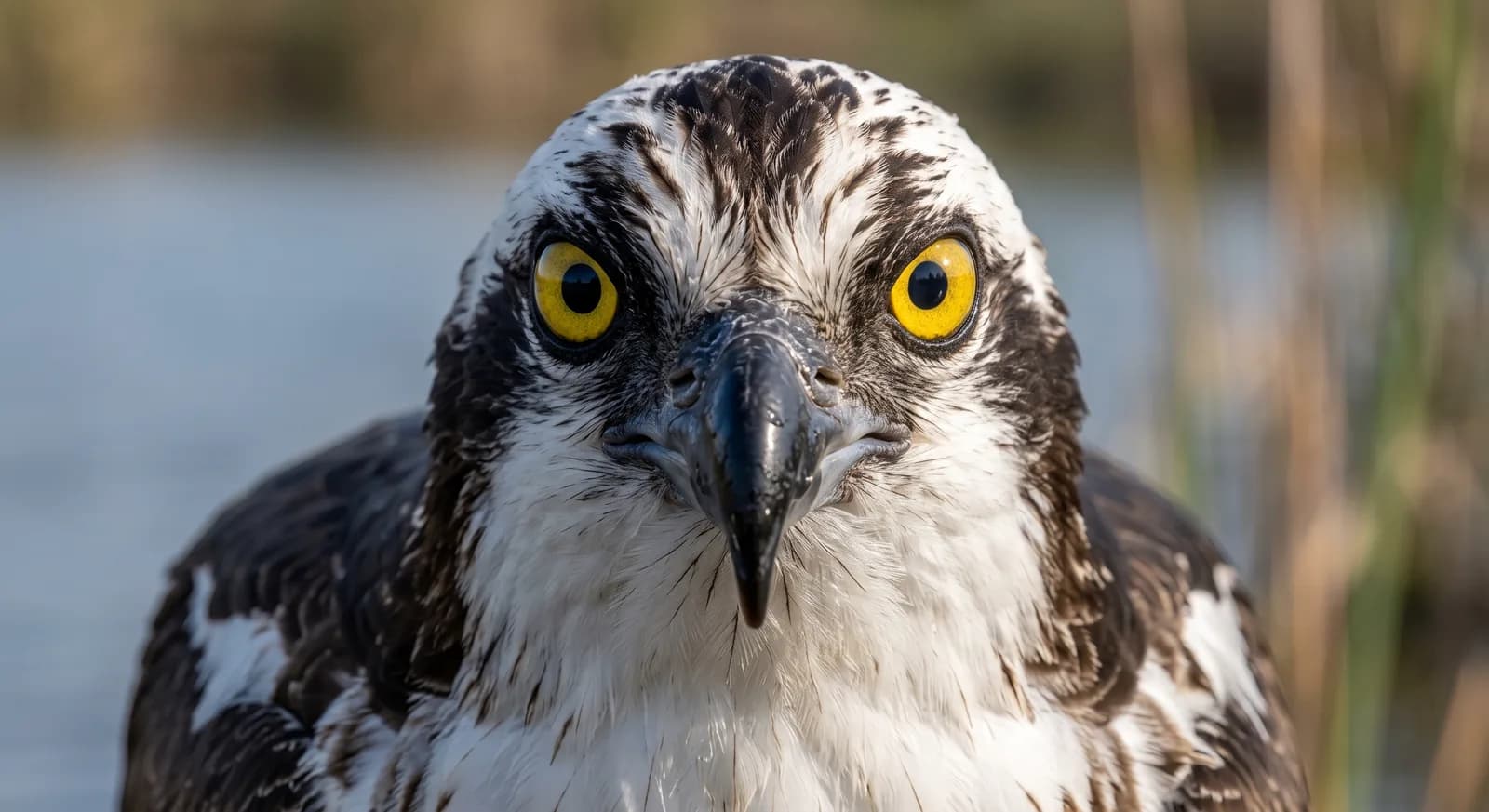 Least Concern
Osprey
Pandion haliaetus
Keep exploring
Based on what we already know about Saint Kitts and Nevis.