One of the 8 pelicans on WAnimals
Birds · Pelecaniformes · Pelecanidae
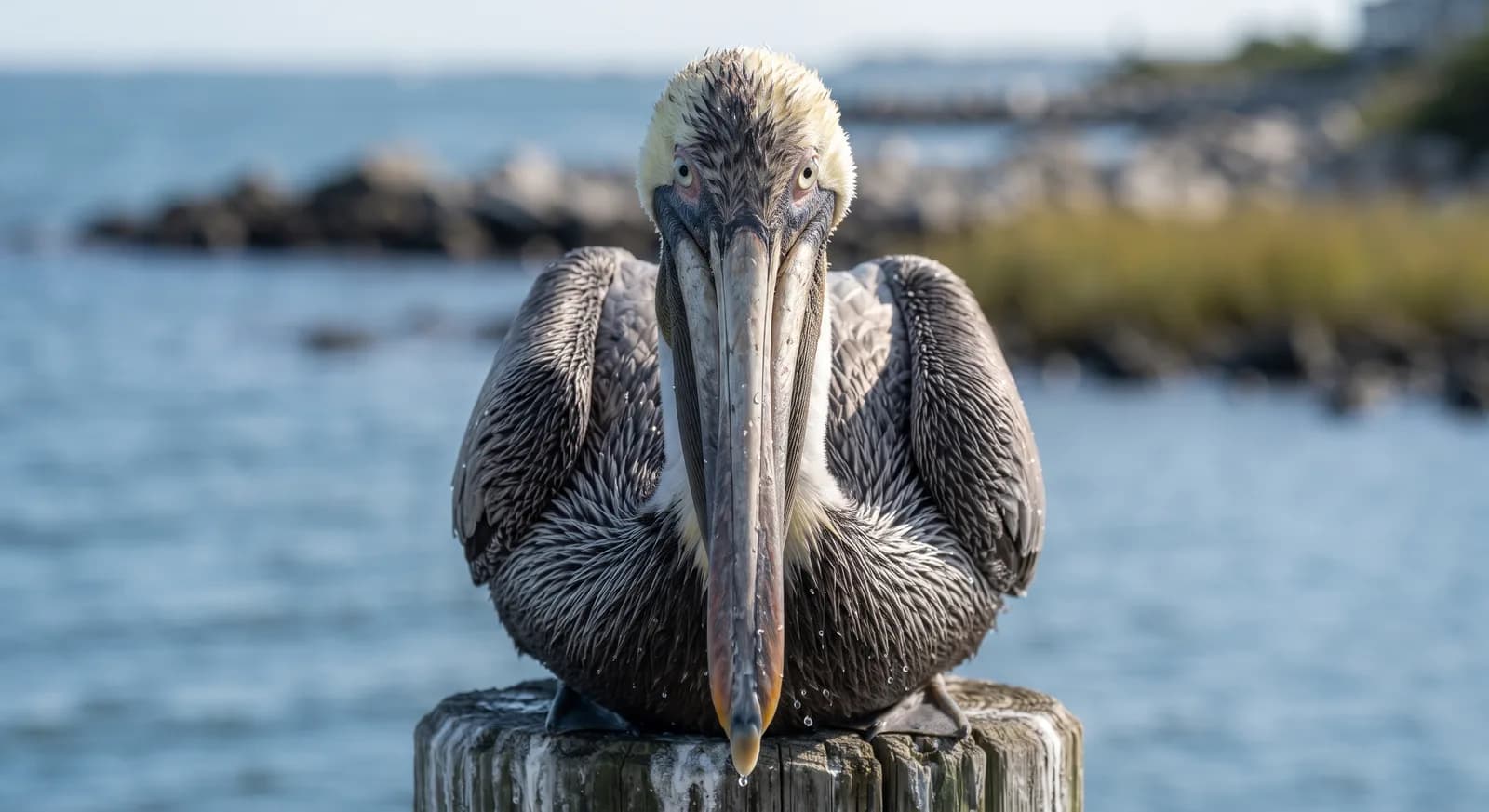
Brown Pelican
Pelecanus occidentalis
The species is abundant and widely distributed; it faces no significant short-term risk. See full glossary
It is the only pelican that plunge-dives to fish, dropping from heights of up to 18 metres.
Weight
2.7 kg – 5.5 kg
Size
1 m – 1.4 m
Lifespan
15 years
Diet
Piscivore
Feeds mainly on fish.
Activity
Diurnal
Active mainly during the day.
Social structure
Colony
Lives in large concentrations, often for breeding reasons.
Sighting difficulty
Easy
Fun facts
- It came close to extinction in the mid-twentieth century when the pesticide DDT thinned its eggshells, and recovered once it was banned.
- It feeds on small fish caught by plunge-diving from the air.
- It lives on the coasts, bays and estuaries of the American Pacific and Atlantic.
Life cycle & biology
- Skeleton type
- Vertebrate - pneumatised bony skeleton (bird)
- Habitat & environment
- Coasts, bays and estuaries of the American Pacific and Atlantic, from Canada to Peru and Brazil
- Birth weight
- ~63.5 grams at hatching
- Size at birth
- Featherless at hatching and completely dependent
- Sexual maturity
- 2.5-4 years
- Gestation / incubation
- 28-32 days
- Litter / clutch size
- 1 to 3 eggs per clutch (most commonly 2-3)
Sources consulted: SeaWorld/Busch Gardens; AnAge (genomics.senescence.info); Animal Diversity Web; NPS (California Brown Pelican); About Animals; Audubon Field Guide; Animalia.bio; FWC; NHPBS NatureWorks; Texas Parks & Wildlife
Where to find it
See its range on the interactive mapWhere to watch it
Parques y spots de buceo donde se ha documentado esta especie — se muestran 10 de 14 documentados.
Related species
Other species in the catalogue with the most in common with Brown Pelican — same habitat, park, country, tags or family.
 Least Concern
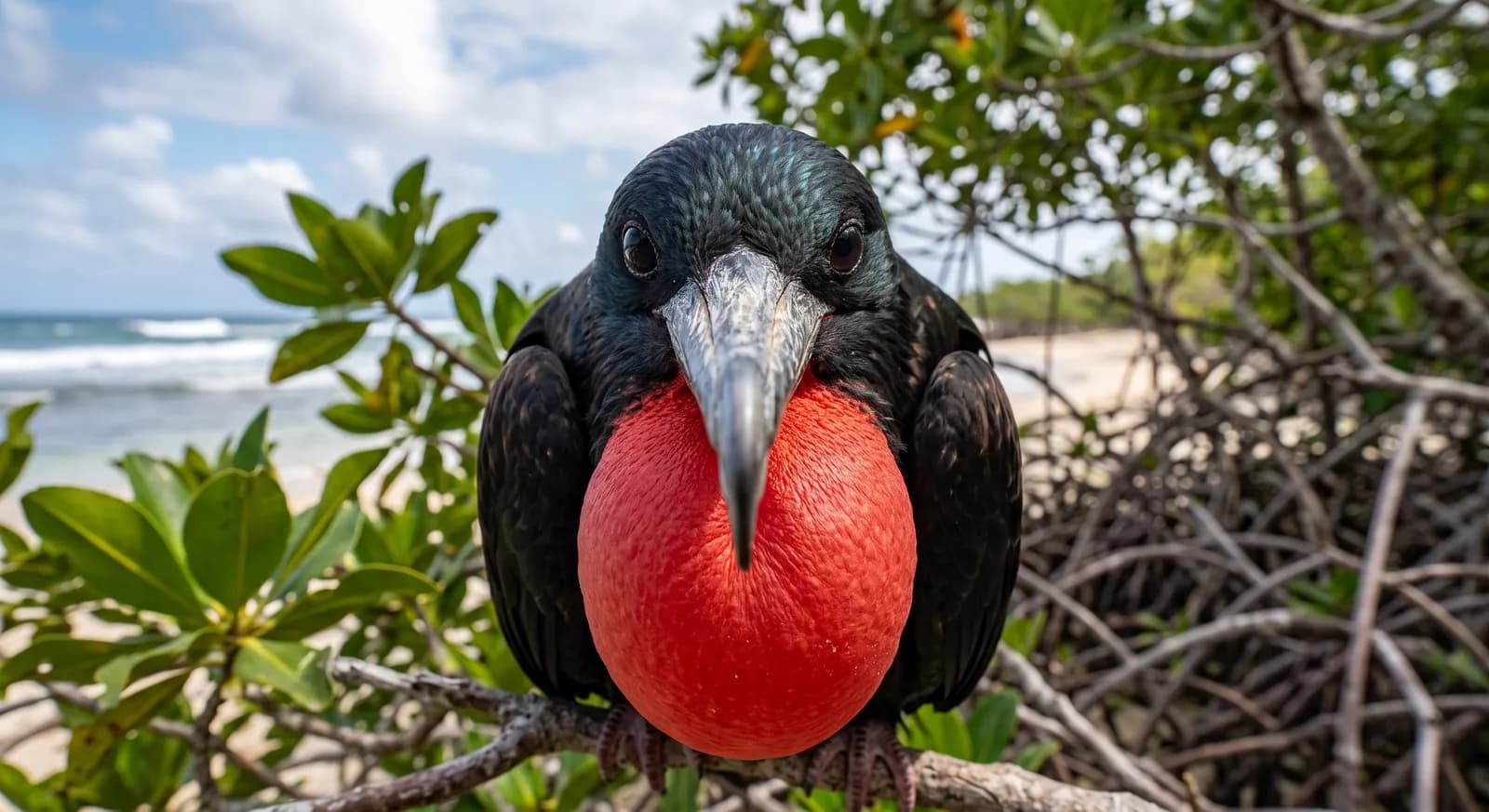
Magnificent Frigatebird
Fregata magnificens
Scarlet Ibis
Eudocimus ruber
 Least Concern
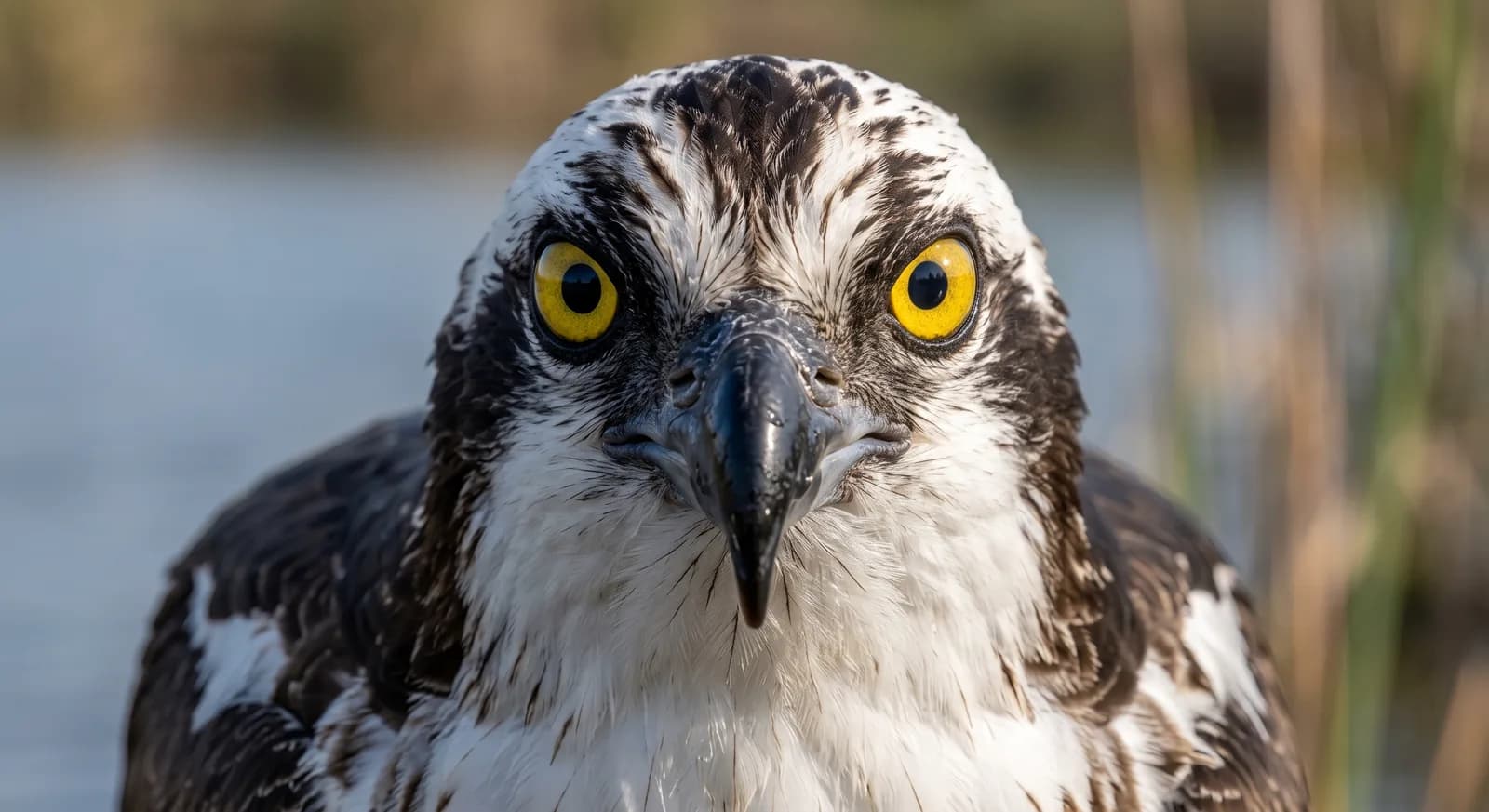
Osprey
Pandion haliaetus
Double-crested Cormorant
Phalacrocorax auritus
 Least Concern
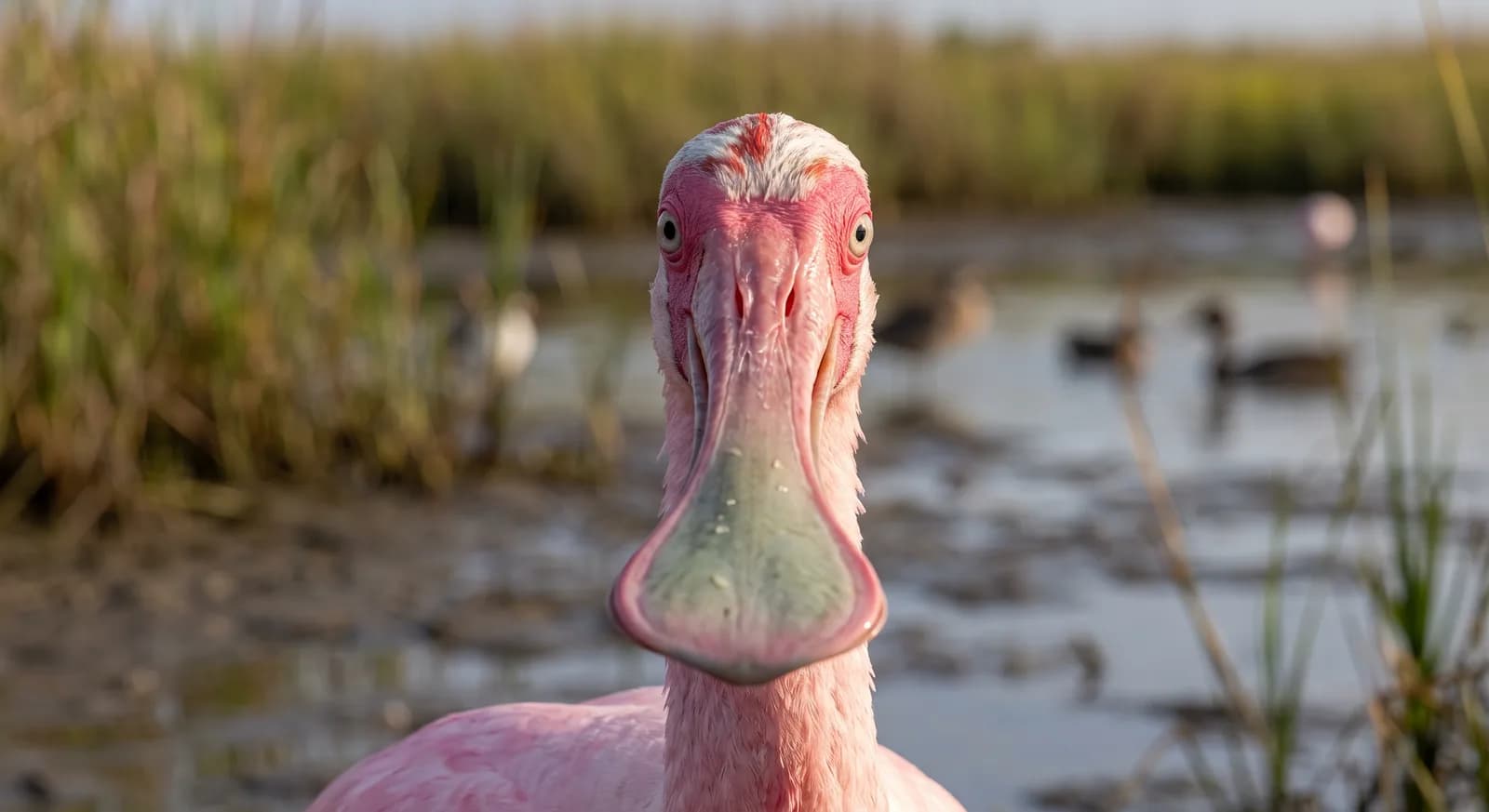
Roseate Spoonbill
Platalea ajaja
Royal Tern
Thalasseus maximus
Keep exploring
Based on what we already know about brown pelican.
Comments
Share an experience, a fun fact or a tip for seeing the brown pelican.
Be the first to comment.