Bivalves · Unionida · Unionidae
Freshwater Pearl Mussel
Margaritifera margaritifera
It faces a very high risk of extinction in the wild in the near future. See full glossary
A river mussel of extraordinarily long life that inhabits clean, nutrient-poor watercourses of the northern hemisphere. It filters up to 50 litres of water a day, and its presence is an indicator of excellent river quality. Its life cycle depends entirely on Atlantic salmon and brown trout: the larvae, called glochidia, must attach to the gills of a salmonid and spend between nine and twelve months there before dropping to the gravel bed. Its populations have fallen by more than 90 % in Europe over the past century.
Size
9 cm – 16 cm
Lifespan
100 years
Diet
Omnivore
Combines animal and plant food depending on availability.
Social structure
Colony
Lives in large concentrations, often for breeding reasons.
Sighting difficulty
Hard
Fun facts
- The oldest documented individual, in a river in northern Sweden, was 280 years old, which makes it one of the longest-lived animals on the planet.
- It is listed as Endangered globally and Critically Endangered in Europe.
- A female can release several million glochidia, of which a minute fraction survive.
- Most European natural freshwater pearls come from this species, and the historical harvest contributed to its decline.
- It can live for more than 250 years, which makes it one of the longest-lived freshwater invertebrates in the world.
- Its life cycle depends on salmon and trout. The larvae, called glochidia, have to attach themselves to the gills of a salmonid and spend several months there before dropping to the riverbed and burying themselves. Without the fish, there is no mussel.
- That chains its conservation to that of salmon rivers: the disappearance of salmonids cuts off its reproduction even if the adults remain alive, which is why there are entire populations of old individuals that have gone decades without recruiting young.
- It filters enormous quantities of water and its presence improves the quality of the watercourse, so it acts as an engineer of the river ecosystem.
- Its pearls were highly prized and were exploited for centuries in Scotland, Scandinavia and Spain; historical harvesting is one of the causes of its decline, together with pollution and the regulation of rivers.
- Its European population has fallen by more than 90% in the last century, and it is protected under the Habitats Directive.
Life cycle & biology
- Skeleton type
- Invertebrate - external calcareous shell (mollusc)
- Habitat & environment
- Clean, cold, lime-poor rivers and streams with a gravel bed
- Sexual maturity
- 12-20 years
- Gestation / incubation
- 9-12 months (glochidium stage on the host fish)
- Litter / clutch size
- Up to 4 million glochidia per female and season
Sources consulted: Lista Roja de la UICN; Geist (2010), Hydrobiologia; Directiva Hábitats de la UE; Ministerio para la Transición Ecológica de España
Where to find it
See its range on the interactive mapWhere to watch it
Parques y spots de buceo donde se ha documentado esta especie — se muestran 10 de 87 documentados.
Related species
Other species in the catalogue with the most in common with Freshwater Pearl Mussel — same habitat, park, country, tags or family.
Common Cockle
Cerastoderma edule
White-clawed Crayfish
Austropotamobius pallipes
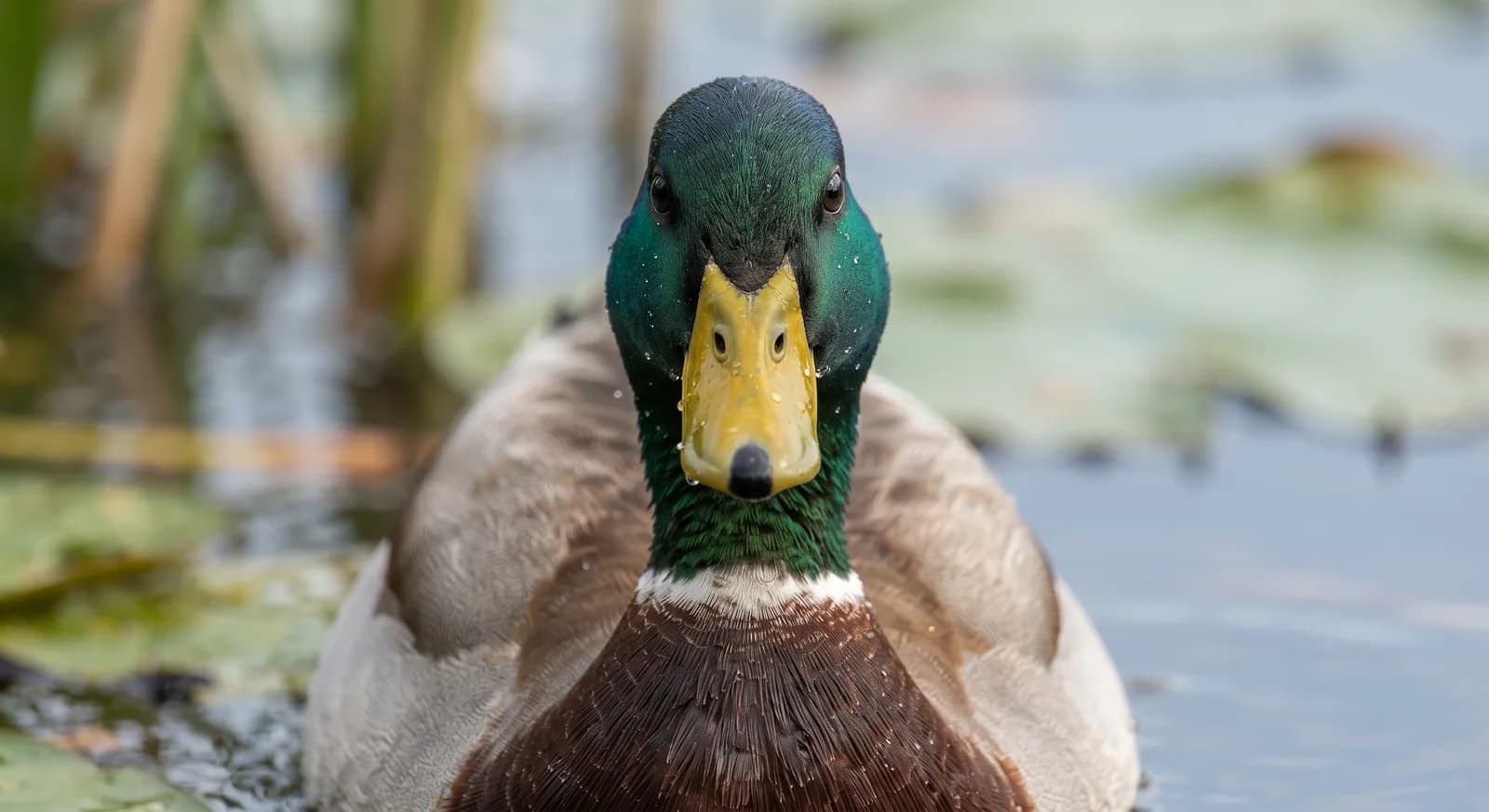 Least Concern
Mallard
Anas platyrhynchos
Eurasian Coot
Fulica atra
Common Shelduck
Tadorna tadorna
Black-headed Gull
Chroicocephalus ridibundus
How to help
The freshwater pearl mussel is classified as endangered. Organizations such as UICN, WWF y Wildlife Conservation Society work specifically on its conservation and that of its habitat; looking into their programs is a good starting point if you want to get involved.
It's documented in 10 real protected areas — part of why protecting these places matters for its conservation.
Keep exploring
Based on what we already know about freshwater pearl mussel.
Comments
Share an experience, a fun fact or a tip for seeing the freshwater pearl mussel.
Be the first to comment.