One of the 2 coots on WAnimals
Birds · Gruiformes · Rallidae
Eurasian Coot
Fulica atra
The species is abundant and widely distributed; it faces no significant short-term risk. See full glossary
Its striking white frontal shield gave rise to the English expression 'as bald as a coot', recorded since the 15th century. When food is short, the parents may deliberately kill the weakest chick in the brood.
Weight
600 g – 1 kg
Size
36 cm – 42 cm
Lifespan
10 years
Diet
Omnivore
Combines animal and plant food depending on availability.
Activity
Diurnal
Active mainly during the day.
Social structure
Colony
Lives in large concentrations, often for breeding reasons.
Sighting difficulty
Easy
Fun facts
- reproducciónThe chicks hatch in striking red and orange down, which may help the parents tell them apart and favour particular ones.
Life cycle & biology
- Skeleton type
- Vertebrate - pneumatised bony skeleton (bird)
- Habitat & environment
- Freshwater lakes, ponds and wetlands of Europe, Asia, Australia, New Zealand and North Africa
- Birth weight
- Exact weight at hatching not found as a precise figure
- Size at birth
- Precocial, covered in black down tipped yellow-orange with a red face, strikingly unlike the adult
- Sexual maturity
- 1 year
- Gestation / incubation
- 21-26 days
- Litter / clutch size
- 6 to 10 eggs per clutch
Sources consulted: AnAge; Birda; Birdfact; Birds of the World; Bilderreich; Animalia.bio; eBird; Avibase; PMC
Where to find it
See its range on the interactive mapWhere to watch it
Parques y spots de buceo donde se ha documentado esta especie — se muestran 10 de 207 documentados.
Related species
Other species in the catalogue with the most in common with Eurasian Coot — same habitat, park, country, tags or family.
Red-Knobbed Coot
Fulica cristata
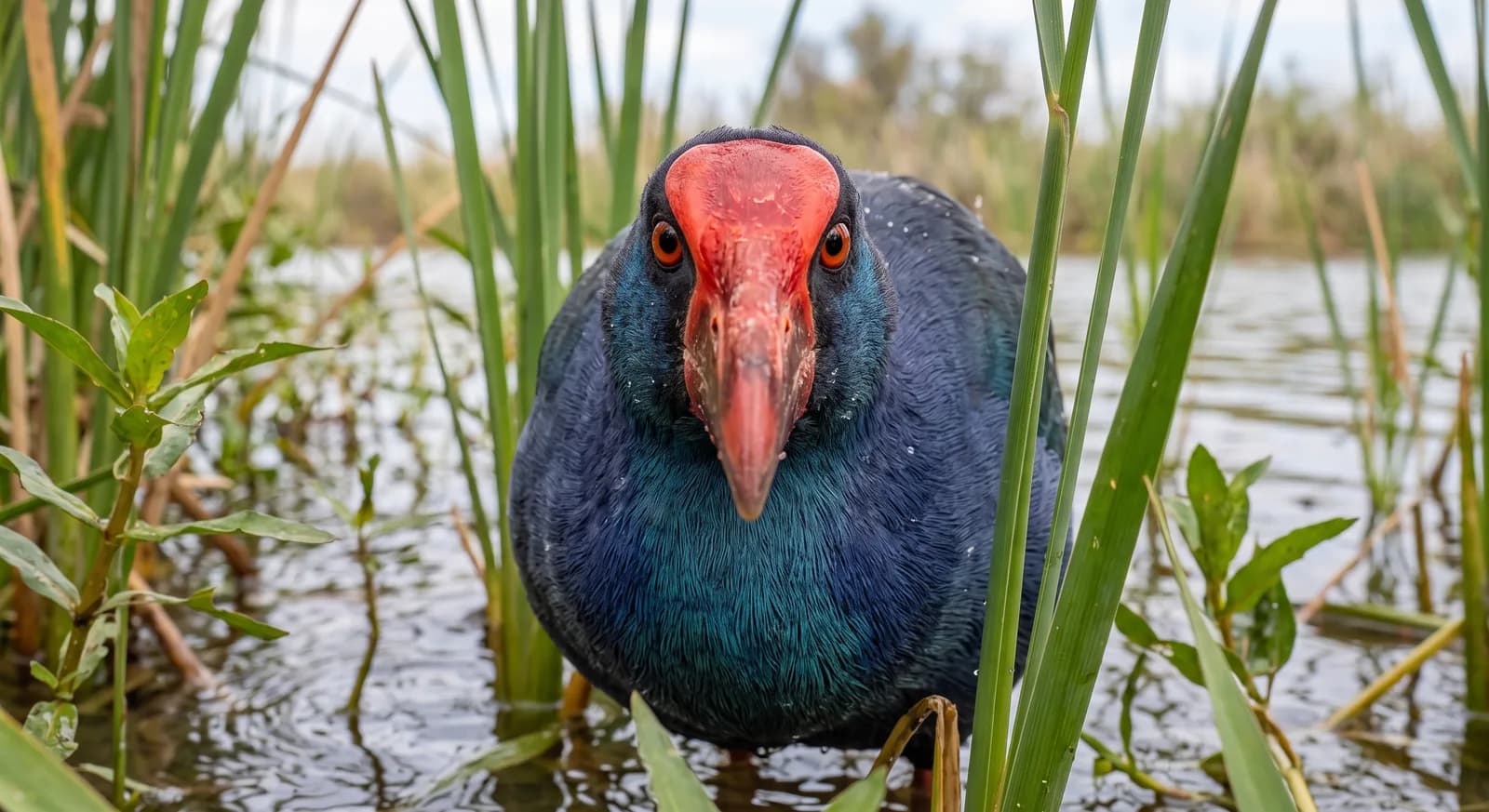 Least Concern
Purple Swamphen
Porphyrio porphyrio
Common Moorhen
Gallinula chloropus
Water Rail
Rallus aquaticus
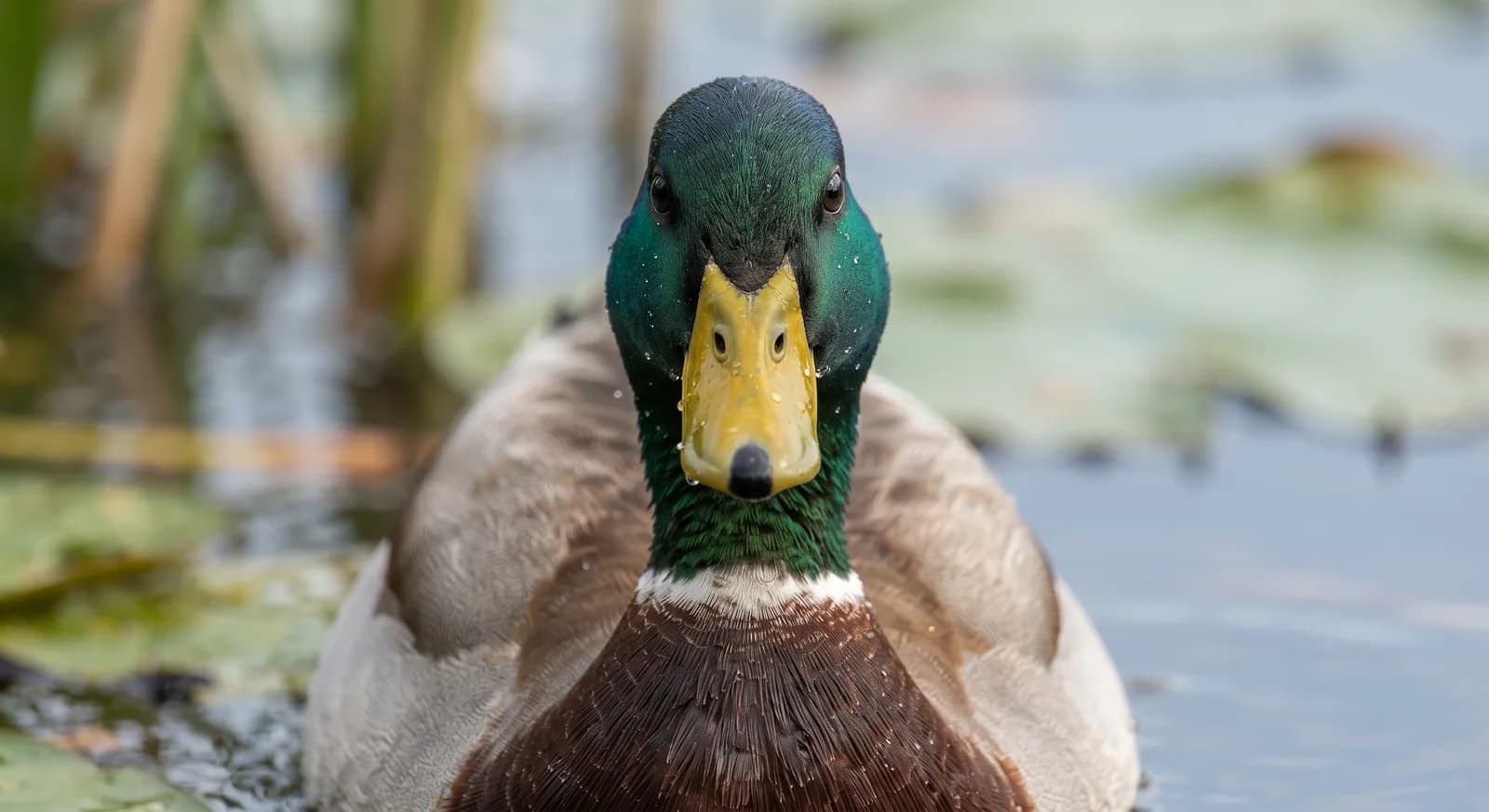 Least Concern
Mallard
Anas platyrhynchos
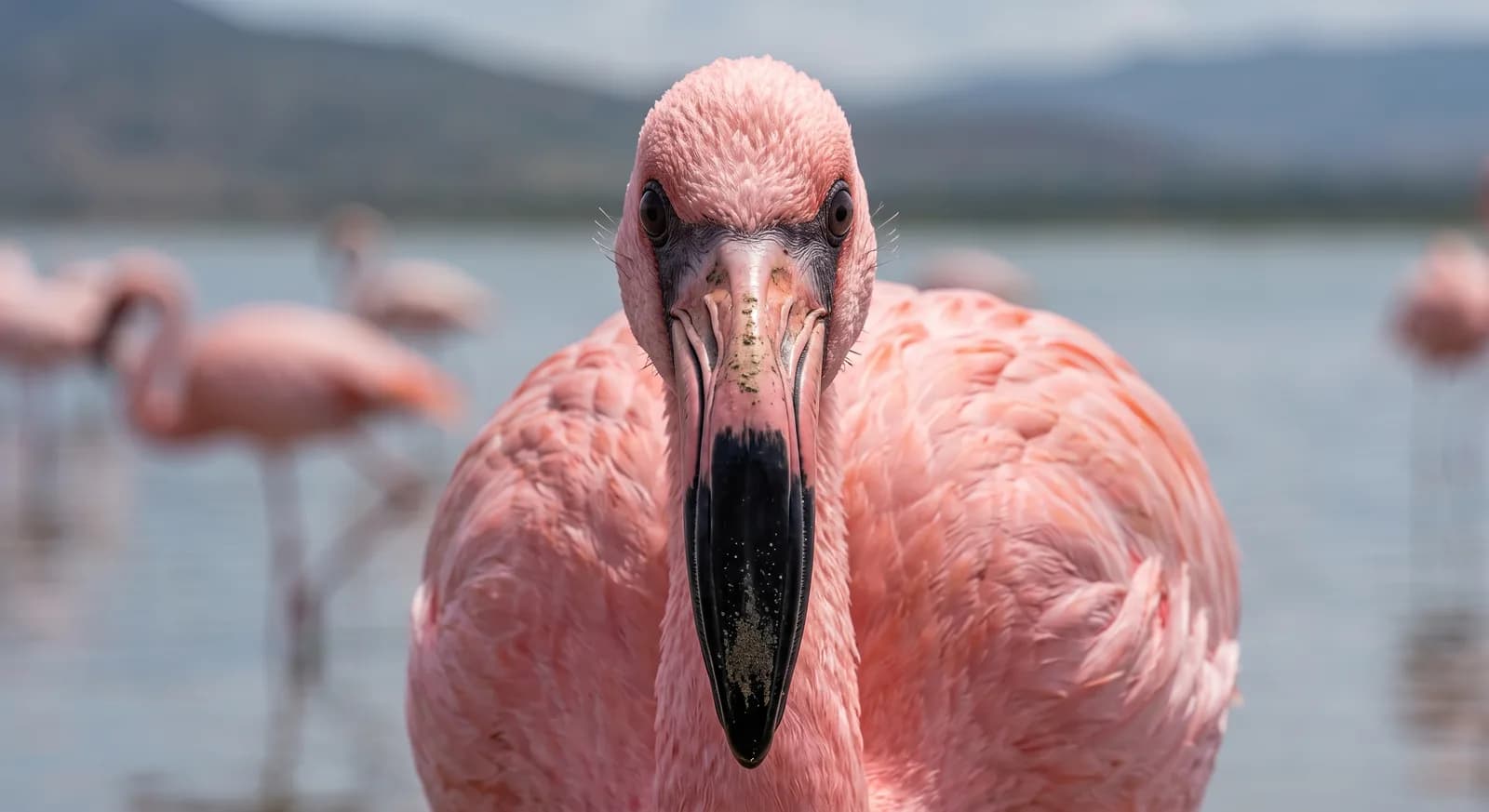 Least Concern
Greater Flamingo
Phoenicopterus roseus
Keep exploring
Based on what we already know about eurasian coot.
Comments
Share an experience, a fun fact or a tip for seeing the eurasian coot.
Be the first to comment.