Birds · Gruiformes · Rallidae
Common Moorhen
Gallinula chloropus
The species is abundant and widely distributed; it faces no significant short-term risk. See full glossary
It has an unusual breeding system: females compete aggressively with one another for access to males, reversing the pattern seen in most birds.
Weight
192 g – 500 g
Size
30 cm – 38 cm
Lifespan
2 years
Diet
Omnivore
Combines animal and plant food depending on availability.
Activity
Diurnal
Active mainly during the day.
Social structure
In pairs
Usually lives in pairs, sometimes for life.
Sighting difficulty
Easy
Fun facts
- Females compete aggressively with one another for access to males.
- Chicks from the first brood usually help feed the young of later ones.
- It can swim shortly after hatching, though it partly loses the knack as it matures.
Life cycle & biology
- Skeleton type
- Vertebrate - pneumatised bony skeleton (bird)
- Habitat & environment
- Well-vegetated freshwater wetlands — lakes, marshes, slow rivers and town parks — in Europe, Africa and Asia
- Birth weight
- 11.3 grams
- Size at birth
- Precocial, covered in black down with a red face, able to swim soon after hatching though it partly loses that ability as it matures
- Sexual maturity
- 1 year
- Gestation / incubation
- 18-22 days
- Litter / clutch size
- 2 to 17 eggs per clutch (5-9 most often), up to 2-3 times a year
- Lifespan in captivity
- Documented record of up to 10 years in captivity
Sources consulted: AnAge (genomics.senescence.info); Birds Wiki Fandom; Birda; EBSCO Research Starters; Animal Diversity Web; SeaWorld/Busch Gardens; Find a Bird BBA1; Connecticut DEEP
Where to find it
See its range on the interactive mapBest time: All year round on ponds, channels and vegetated banks; it is easier to see in winter, when the marsh vegetation is thinner.
Where to watch it
Parques y spots de buceo donde se ha documentado esta especie — se muestran 10 de 136 documentados.
Related species
Other species in the catalogue with the most in common with Common Moorhen — same habitat, park, country, tags or family.
Red-Knobbed Coot
Fulica cristata
Eurasian Coot
Fulica atra
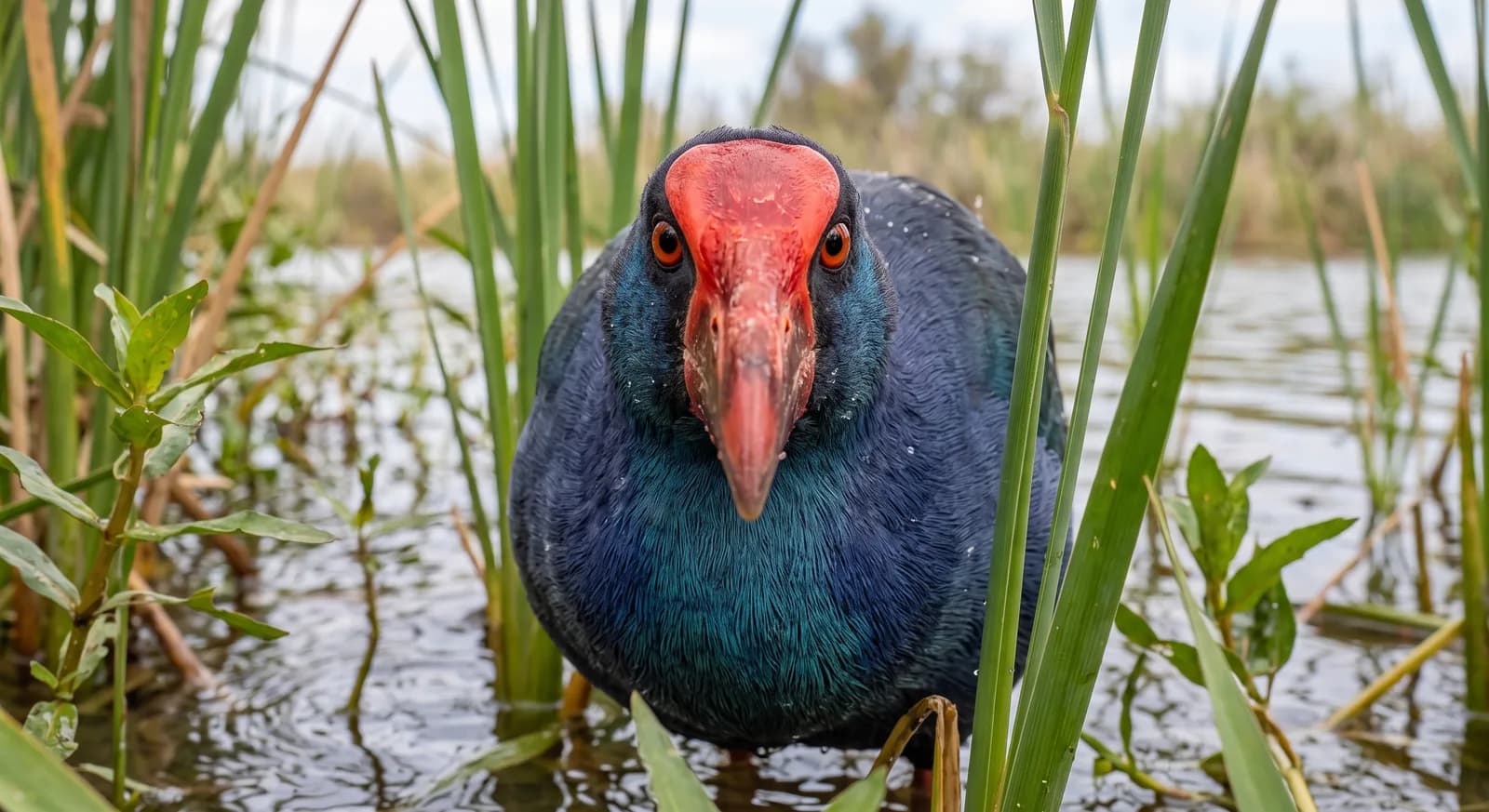 Least Concern
Purple Swamphen
Porphyrio porphyrio
Water Rail
Rallus aquaticus
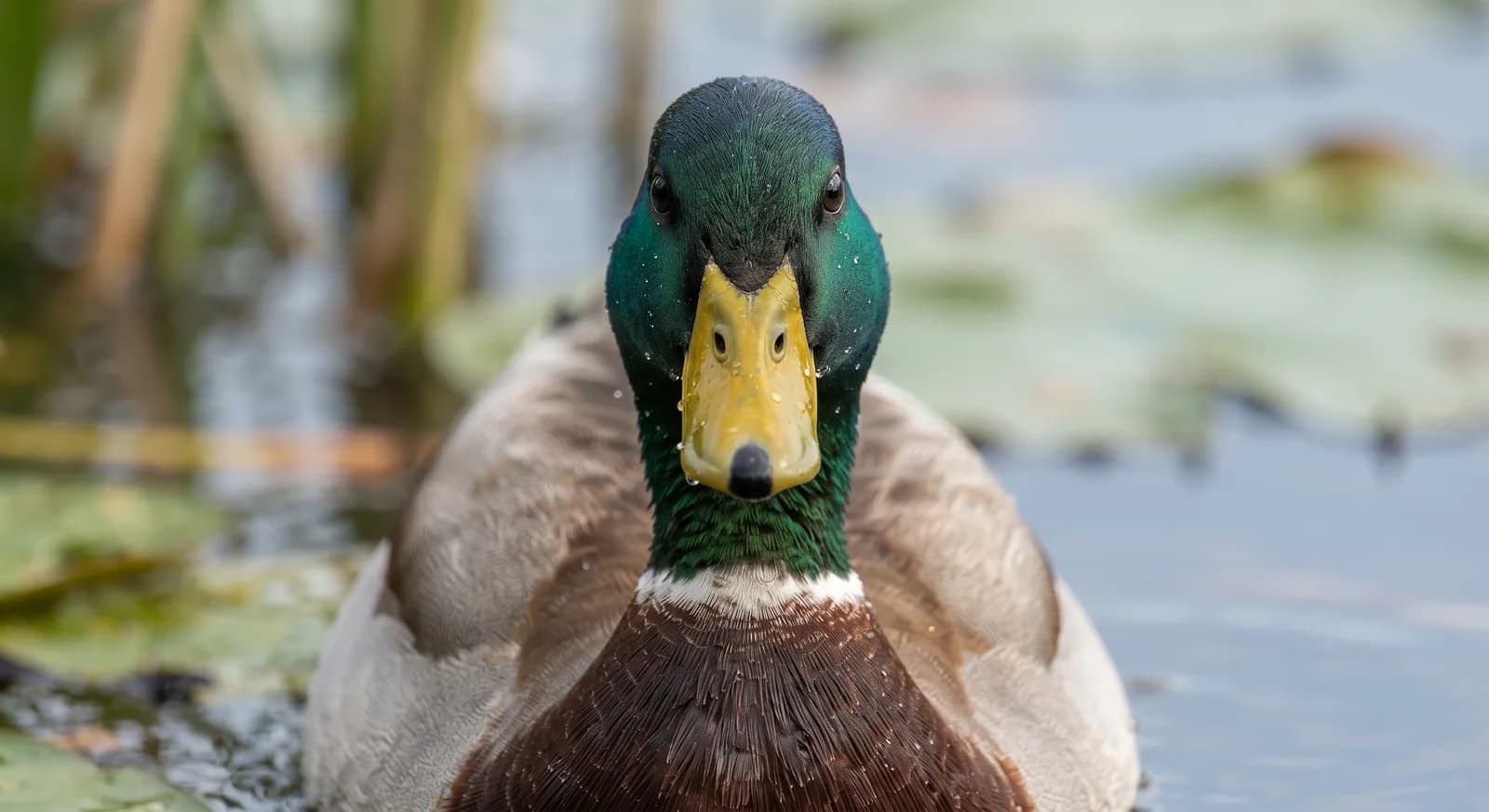 Least Concern
Mallard
Anas platyrhynchos
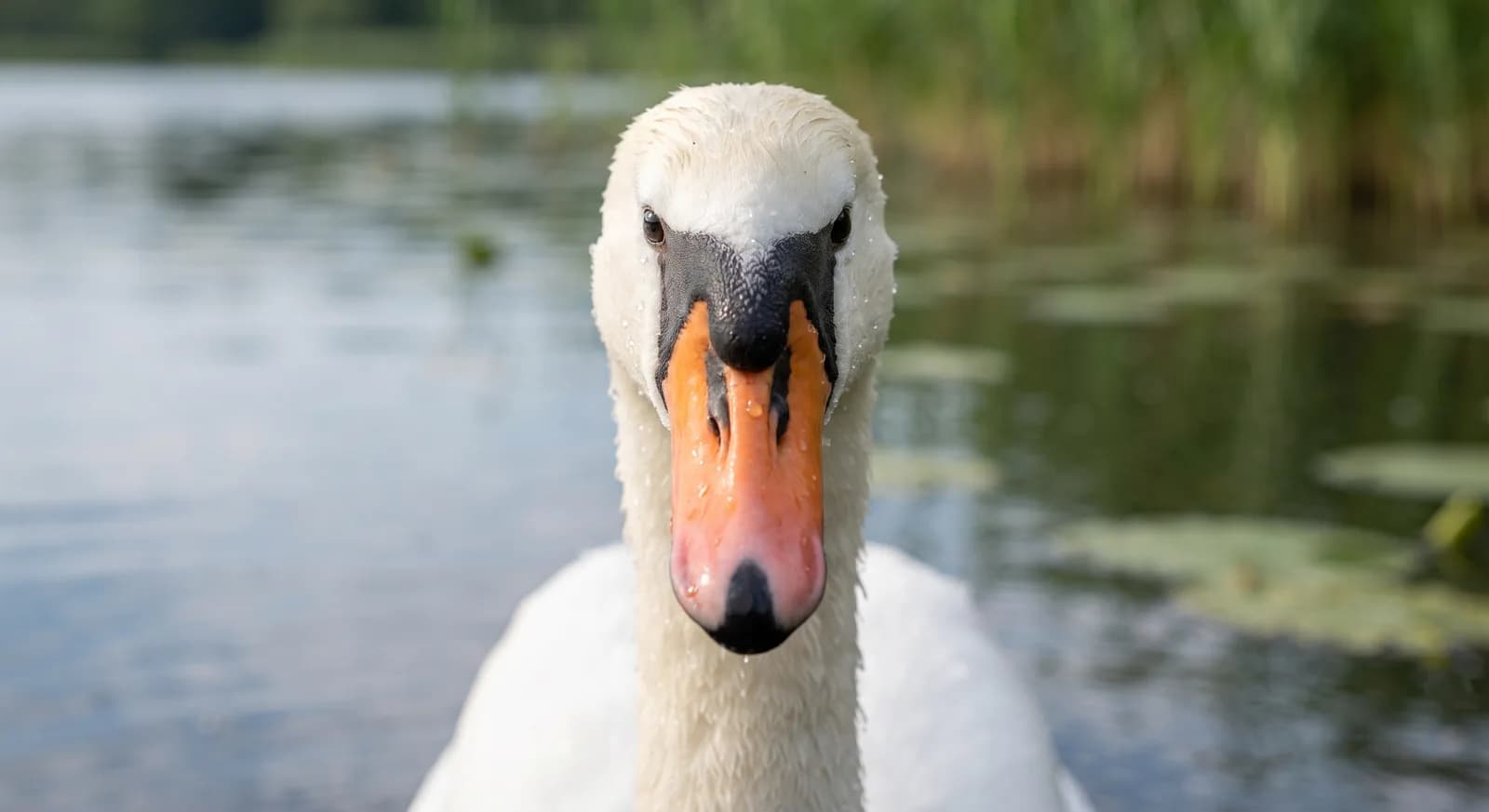 Least Concern
Mute Swan
Cygnus olor
Keep exploring
Based on what we already know about common moorhen.
Comments
Share an experience, a fun fact or a tip for seeing the common moorhen.
Be the first to comment.