Azerbaijan
Asia
Azerbaijan brings together a climatic variety out of all proportion to its size, with semi-deserts, steppes, high Caucasian mountains, Caspian wetlands and a corner of subtropical forest. The Hyrcanian forests of the south, in Talysh, are a relict that survived the glaciations thanks to the shelter of the Caspian and the mountains: trees such as the Persian ironwood grow there that vanished from the rest of Europe millions of years ago, and the Persian leopard moves along their slopes once more. The Shirvan plain protects goitered gazelles on saline steppe, and the Gizilagaj wetland, on the Caspian coast, is one of the largest wintering grounds for waterbirds in the region, with flamingos, pelicans and hundreds of thousands of wildfowl. The mud volcanoes of Gobustan, the most numerous in the world, complete a unique geological landscape.
The nature of Azerbaijan
National animal: The Karabakh horse, a native breed regarded as a national symbol
Did you know?
The Caspian seal is the only marine mammal of the Caspian Sea and one of the smallest seals in the world. Its ancestors arrived from the north during the Pleistocene and were trapped when the sea closed, evolving in isolation in brackish water. Its population has fallen by more than ninety per cent in little over a century through hunting, pollution and the loss of the winter ice in the northern Caspian, where it needs to give birth.
Biodiversity profile
Climate
- •Semiarido y arido en gran parte de las tierras bajas (Kura-Aras)
- •Subtropical humedo en la region de Lankaran/Talish (sureste)
- •Continental de montaña en el Gran y Pequeño Caucaso
Main biomes
- •Bosque hircano-caspico relicto en la region de Talish (Lankaran), compartido biogeograficamente con el norte de Iran
- •Estepa y semidesierto en las tierras bajas centrales
- •Bosque de montaña del Caucaso Mayor y Menor
- •Bosque hircanio subtropical
- •Semidesierto salino
- •Estepa continental
- •Humedal caspiano
- •Alta montaña caucásica
- •Volcán de lodo
- •Delta fluvial
Marine and coastal ecosystems
- •Costa del Mar Caspio, el mayor lago del mundo, con importancia critica para el esturion y la foca del Caspio
Flagship wildlife
- •Leopardo persa (Reserva de Zakatala)
- •Foca del Caspio (endemica del Mar Caspio)
- •Esturion (varias especies, historicamente clave para la produccion mundial de caviar)
- •Gacela de las montañas
- •Gacela de Persia
- •Flamenco común
- •Pelícano ceñudo
- •Oso pardo
- •Lobo gris
- •Tur del Cáucaso oriental
- •Esturión beluga
- •Águila imperial oriental
Notable endemic species
- •Foca del Caspio, endemica del Mar Caspio, unico mamifero marino de este mar interior
- •Bosques relictos de Talish/Lankaran con especies de flora terciaria compartidas solo con el norte de Iran
- •Foca del Caspio
- •Esturión del Caspio
Notable threatened species
- •Foca del Caspio (En Peligro, poblacion en fuerte declive historico por caza, contaminacion y perdida de habitat de hielo)
- •Esturion beluga y otras especies de esturion (En Peligro Critico, colapso historico por sobrepesca de caviar)
- •Leopardo persa (En Peligro Critico en la Reserva de Zakatala)
Notable protected areas
- •Reserva de Zakatala (bosque montano del Caucaso, habitat de leopardo persa)
- •Bosques de Talish (Lankaran, relictos hircano-caspicos)
- •Parque Nacional de Hirkan
- •Parque Nacional de Shirvan
- •Reserva de Gizilagaj
- •Parque Nacional de Shahdag
- •Parque Nacional de Absheron
- •Reserva de Gobustán
Main conservation threats
- •Colapso historico de poblaciones de esturion por sobrepesca de caviar en el Mar Caspio
- •Contaminacion del Caspio por actividad petrolera
- •Fragmentacion de bosques relictos de Talish
Notable natural phenomena
- •El Mar Caspio, mayor cuerpo de agua interior del mundo, sostiene ecosistemas unicos como la foca del Caspio y las poblaciones historicas de esturion productoras del caviar mas valorado del mundo
Conservation
The goitered gazelle recovered in Shirvan from a few hundred to thousands of animals and has been used to reintroduce the species to Georgia. The Caspian sturgeons remain critically endangered through illegal fishing for caviar.
Where and when to watch wildlife
Gizilagaj between November and February for flamingos and wintering wildfowl. Shirvan in spring for gazelles. Hirkan in autumn through the relict forests and their woodland birds.
Sources: CEPF - Caucasus | One Earth - Caucasus Mixed Forests | Caucasus Nature Fund - Ecoregion
Parks and reserves
Países similares
¿A dónde más podría interesarme viajar?
Misma región: Oriente Medio y Asia Occidental
Misma región: Oriente Medio y Asia Occidental
Misma región: Oriente Medio y Asia Occidental
Misma región: Oriente Medio y Asia Occidental
Especies documentadas en Azerbaijan
381 species found
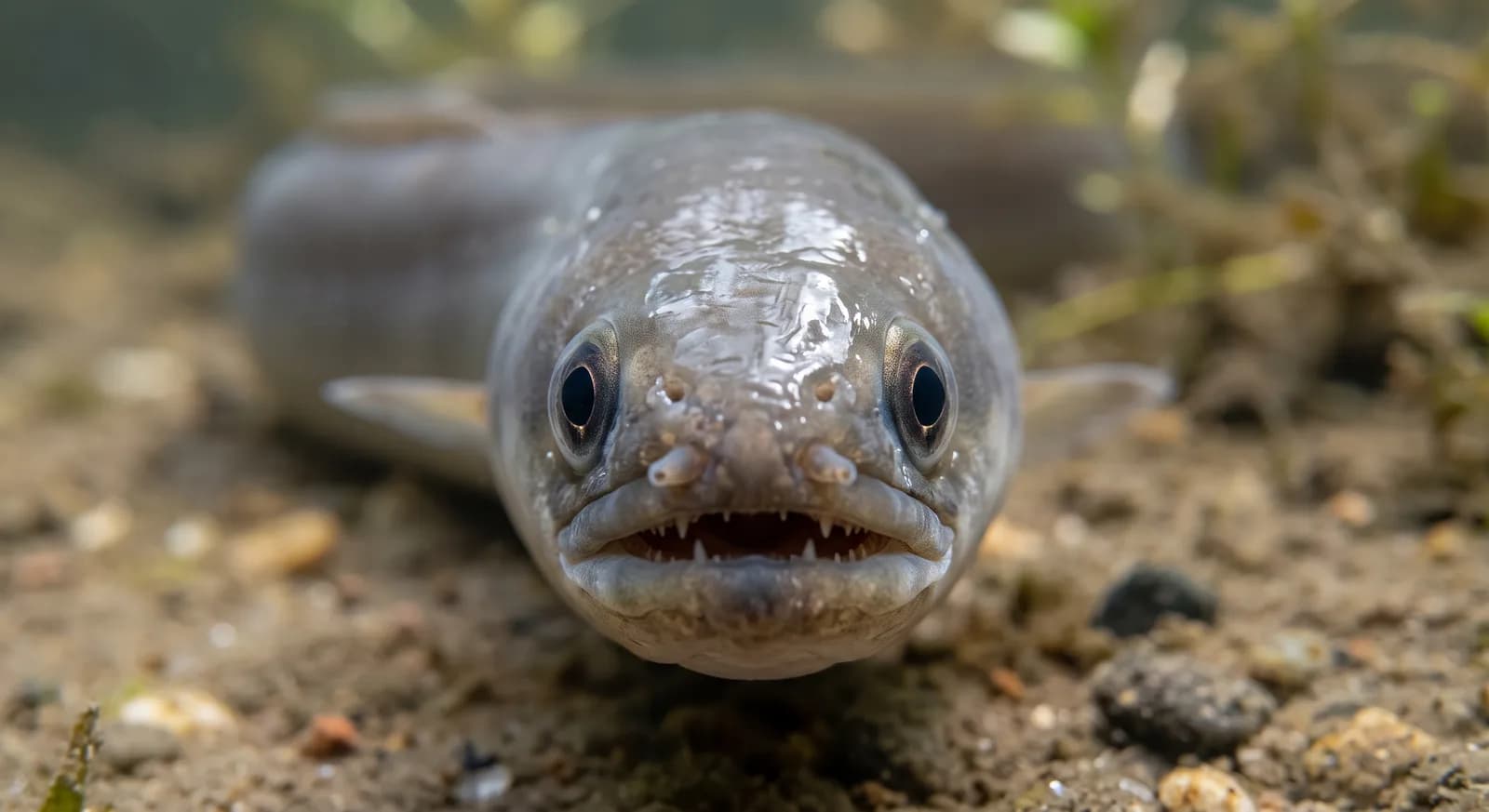 Critically Endangered
European Eel
Anguilla anguilla
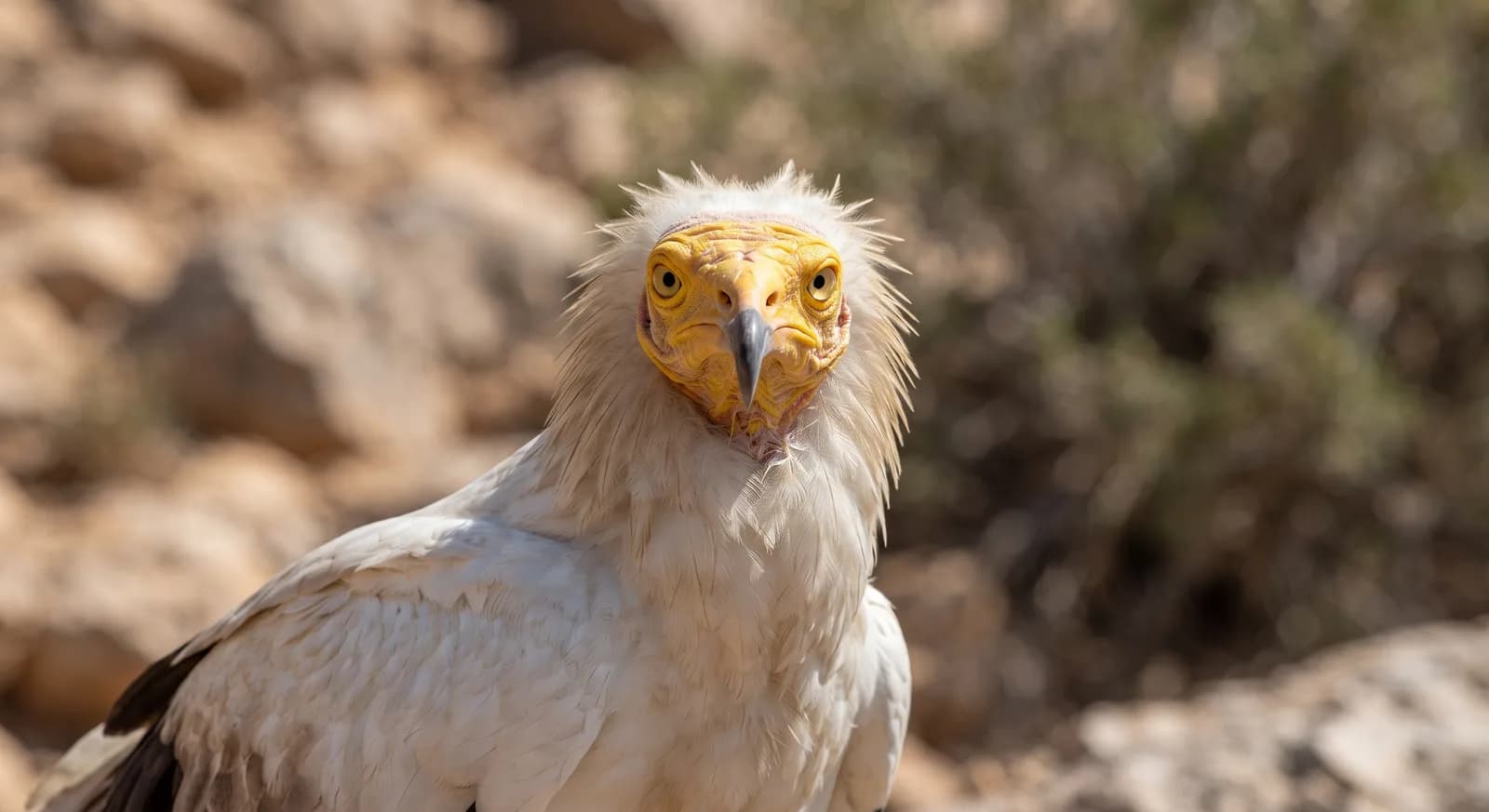 Endangered
Egyptian Vulture
Neophron percnopterus
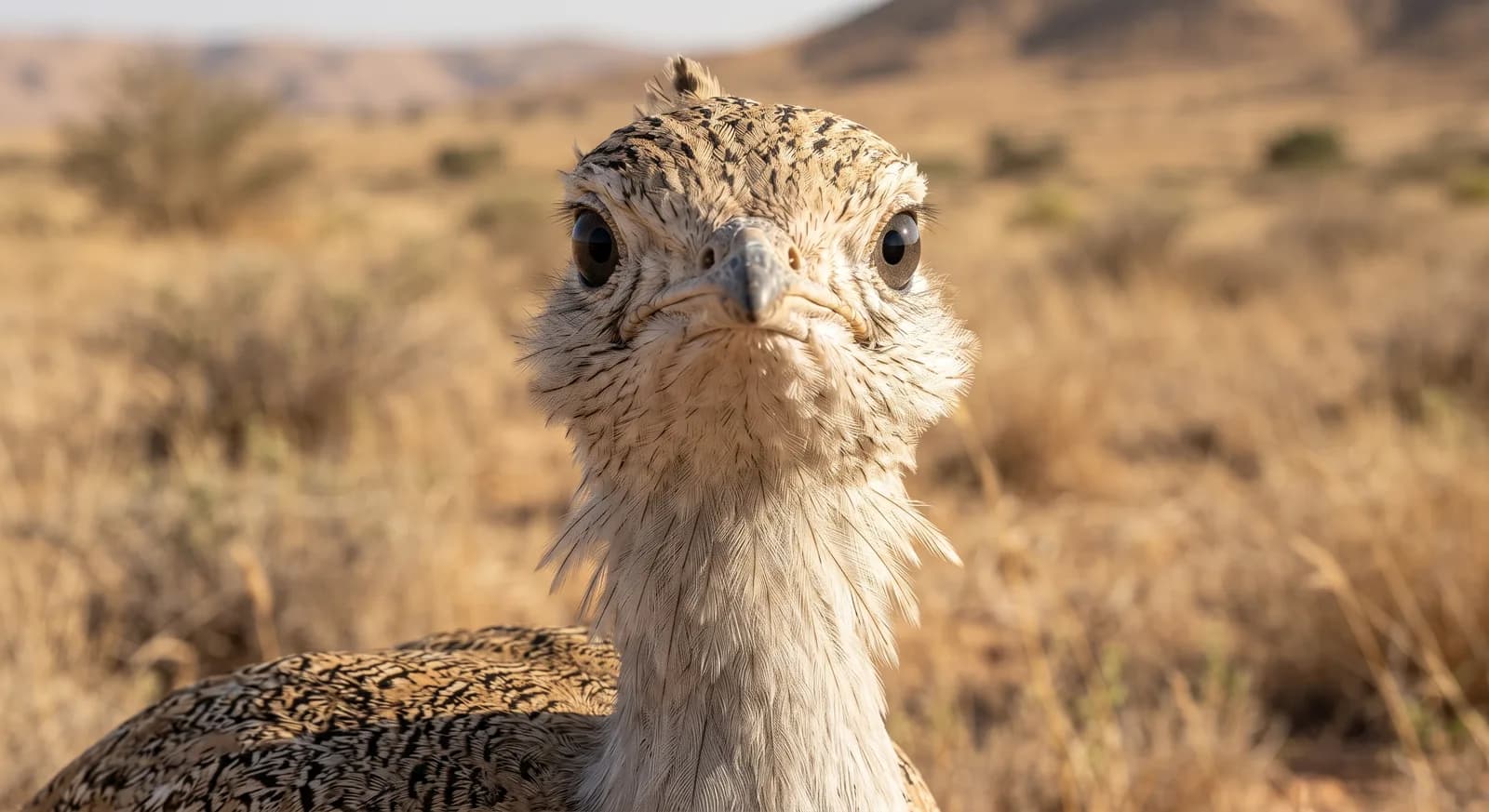 Vulnerable
Houbara Bustard
Chlamydotis undulata
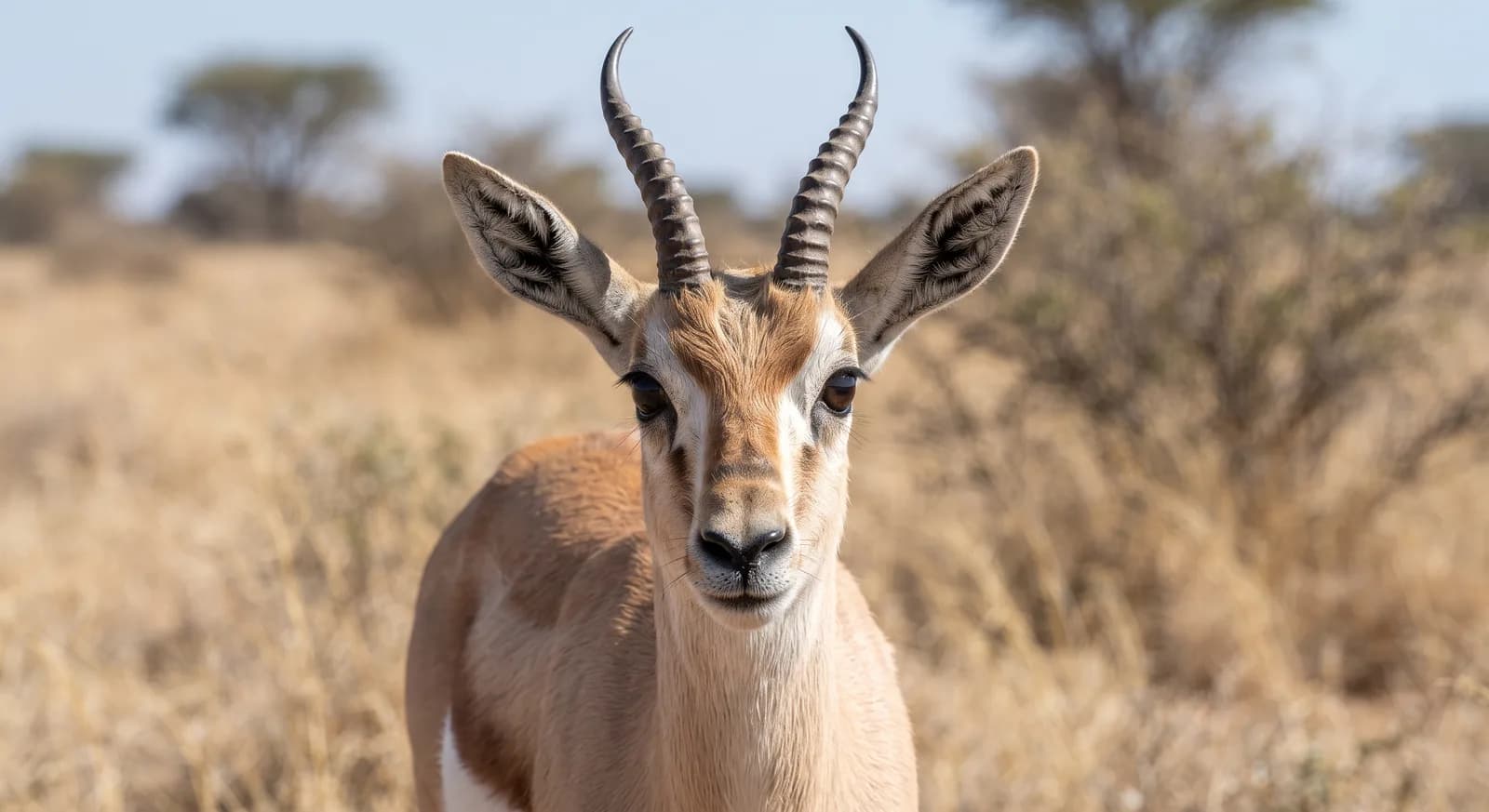 Vulnerable
Dorcas Gazelle
Gazella dorcas
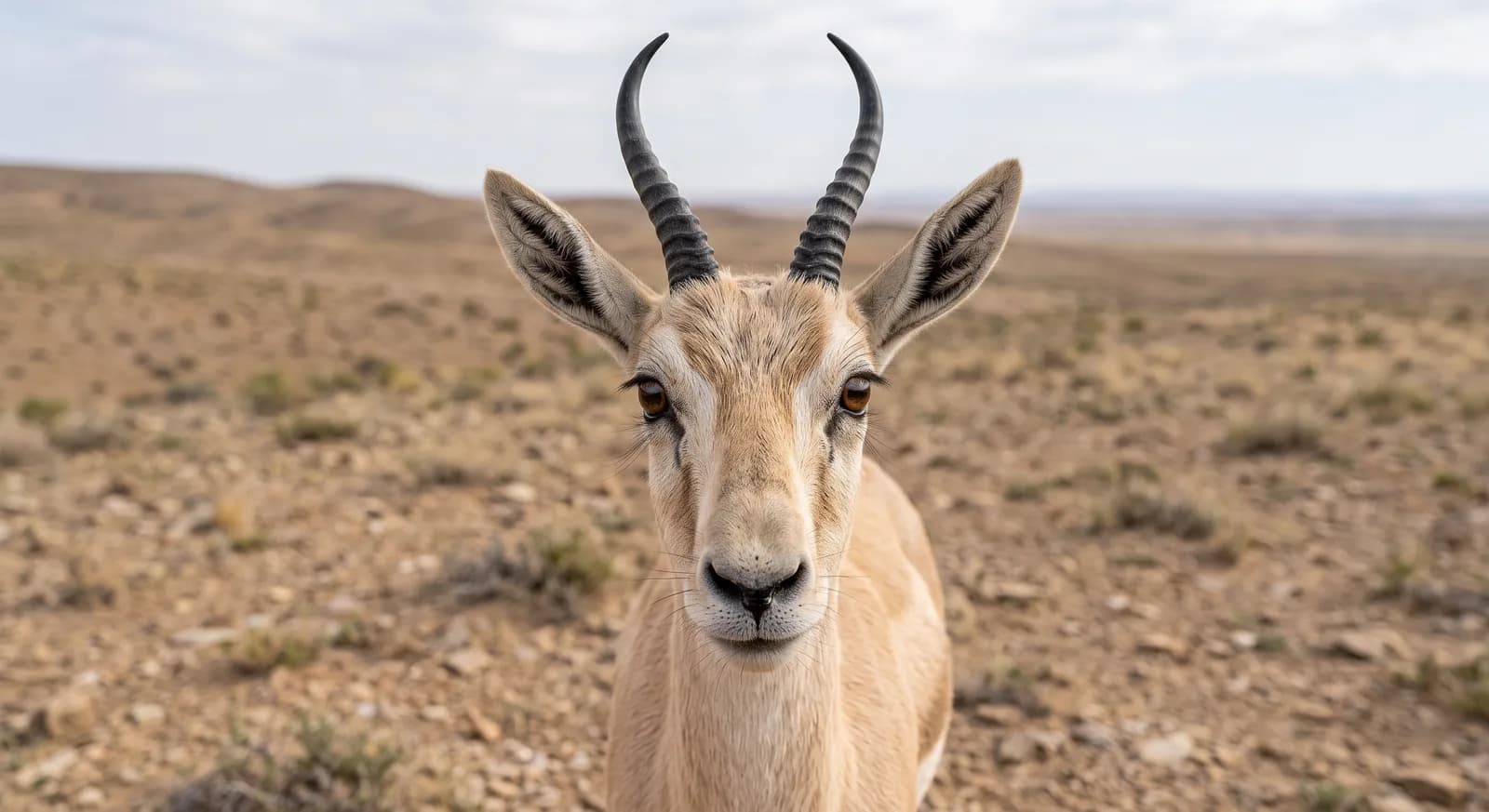 Vulnerable
Goitered Gazelle
Gazella subgutturosa
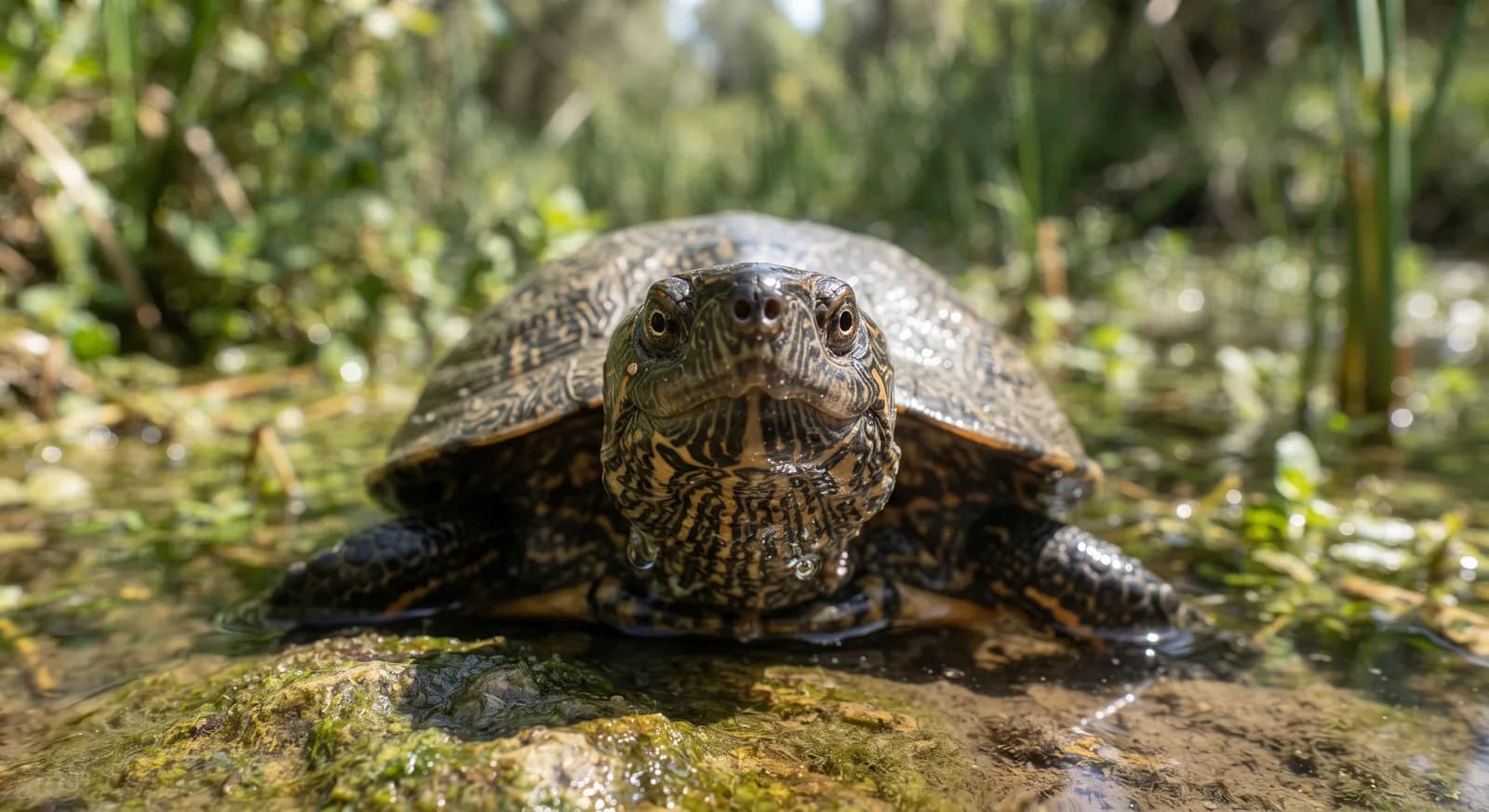 Vulnerable
Spanish Terrapin
Mauremys leprosa
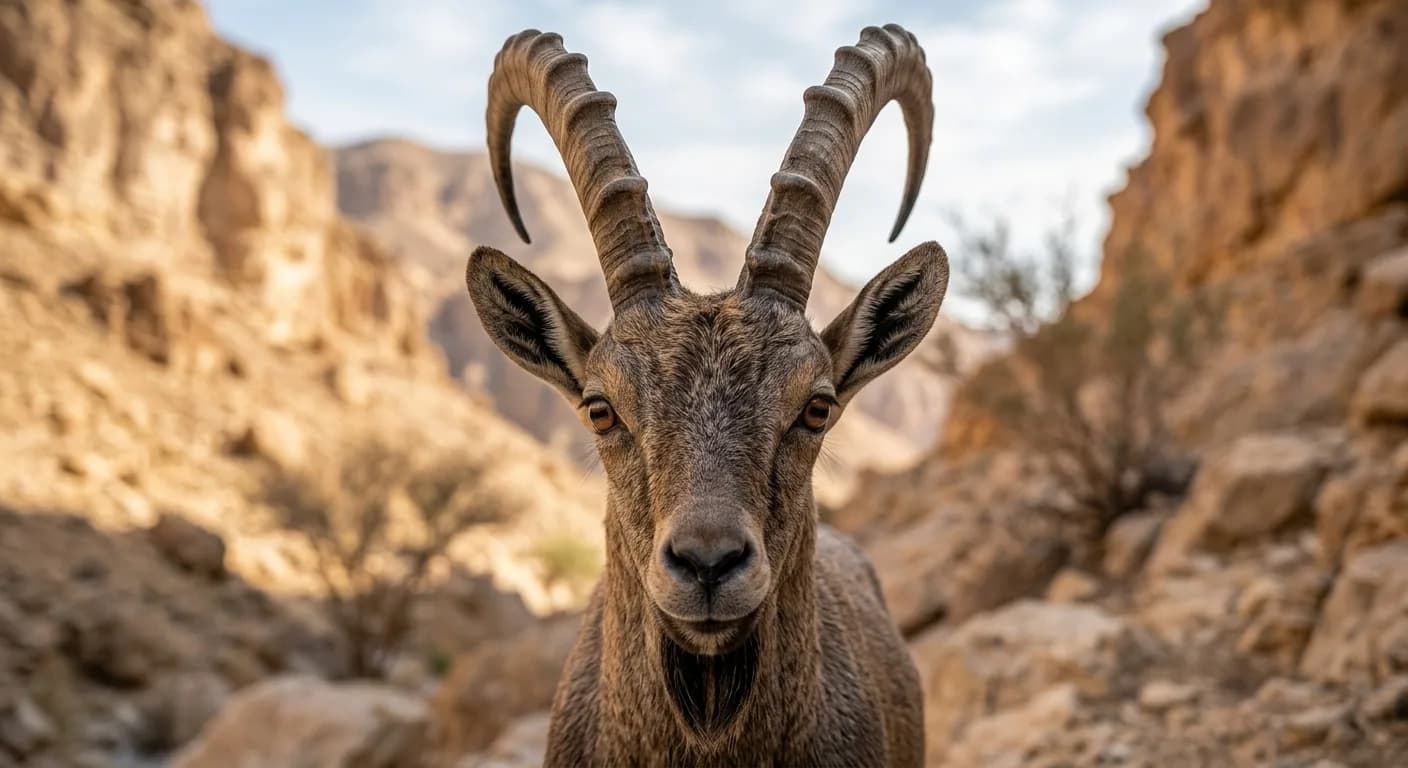 Vulnerable
Nubian Ibex
Capra nubiana
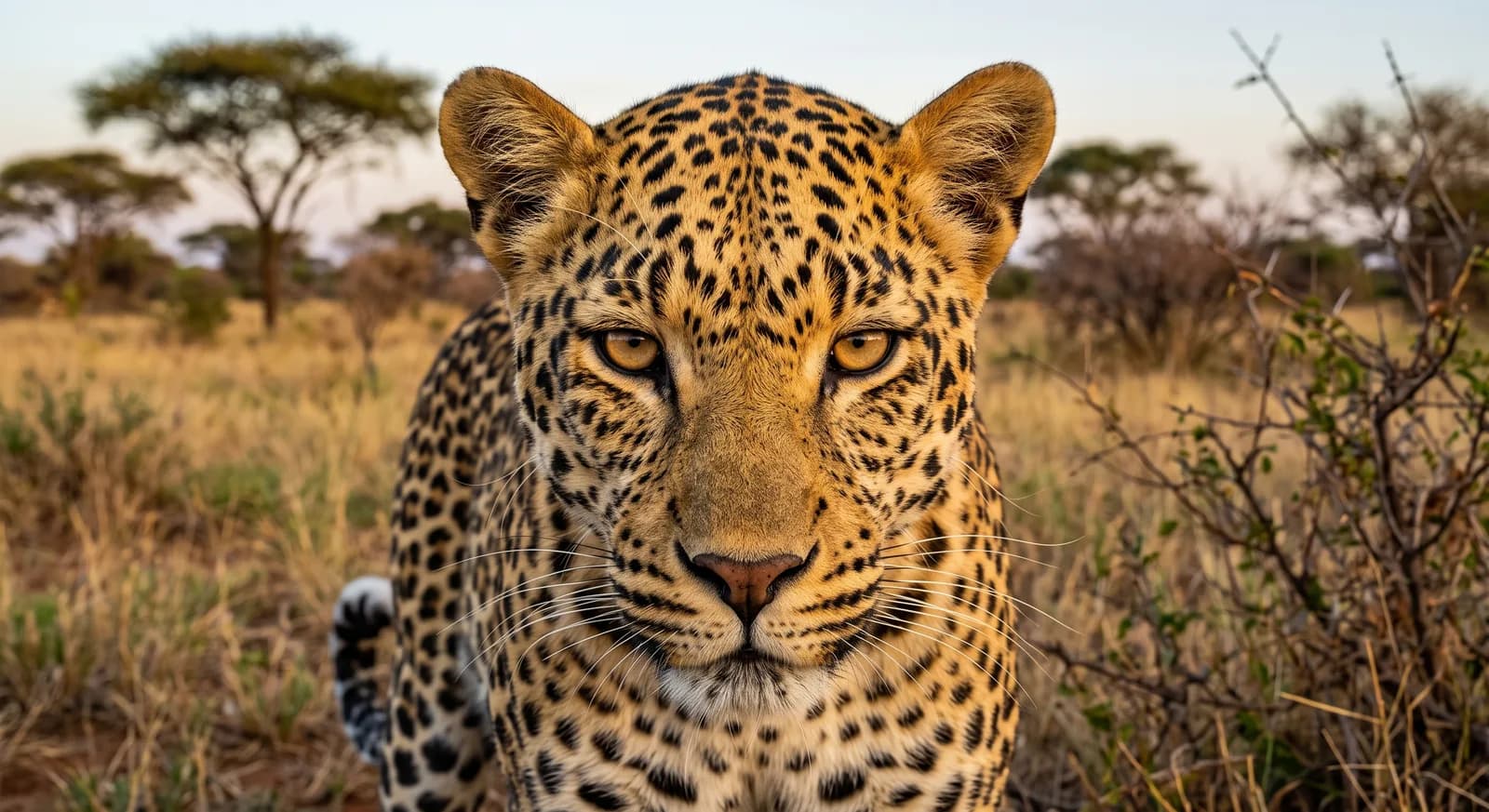 Vulnerable
Leopard
Panthera pardus
 Near Threatened
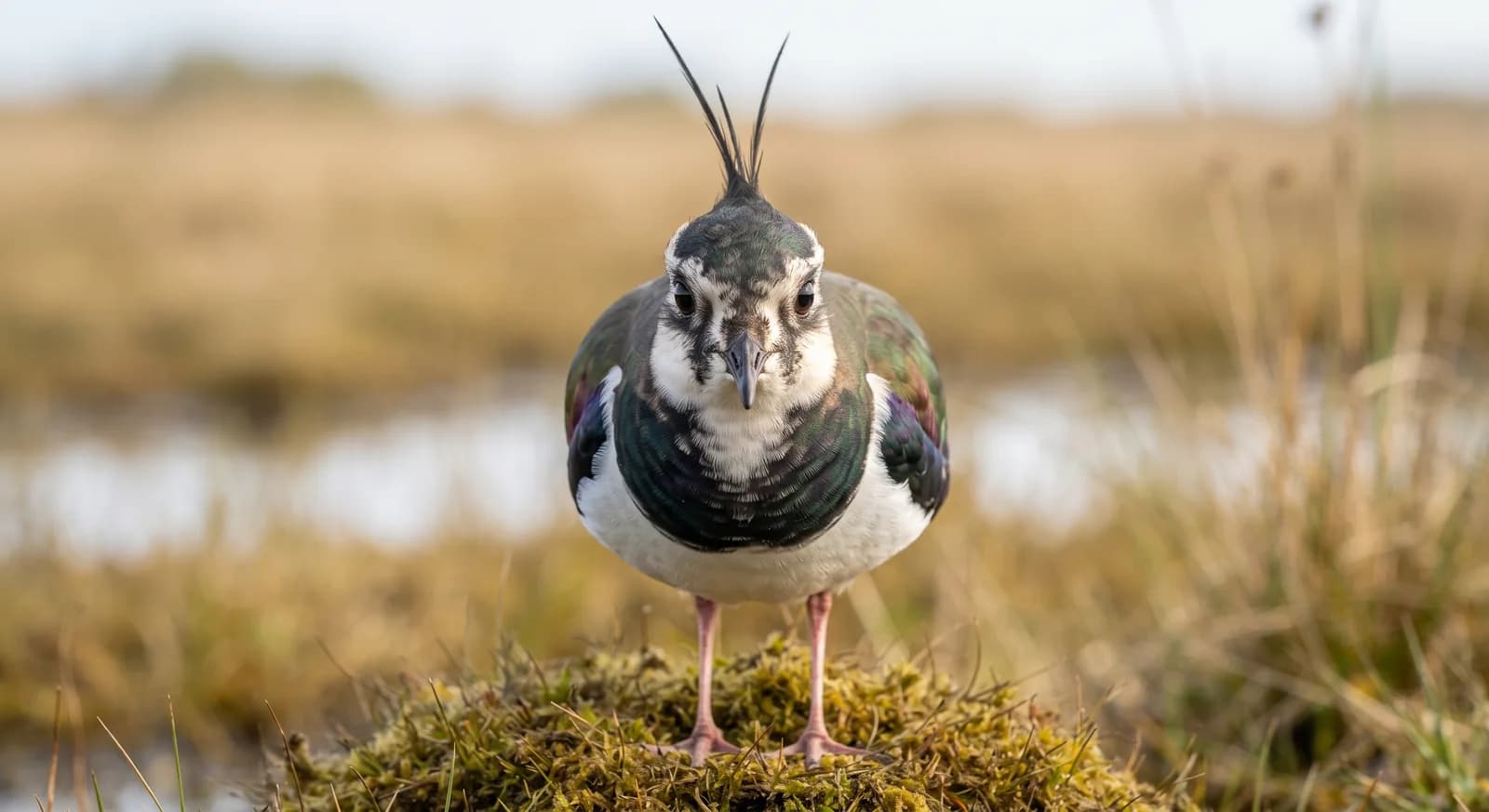
Northern Lapwing
Vanellus vanellus
 Near Threatened
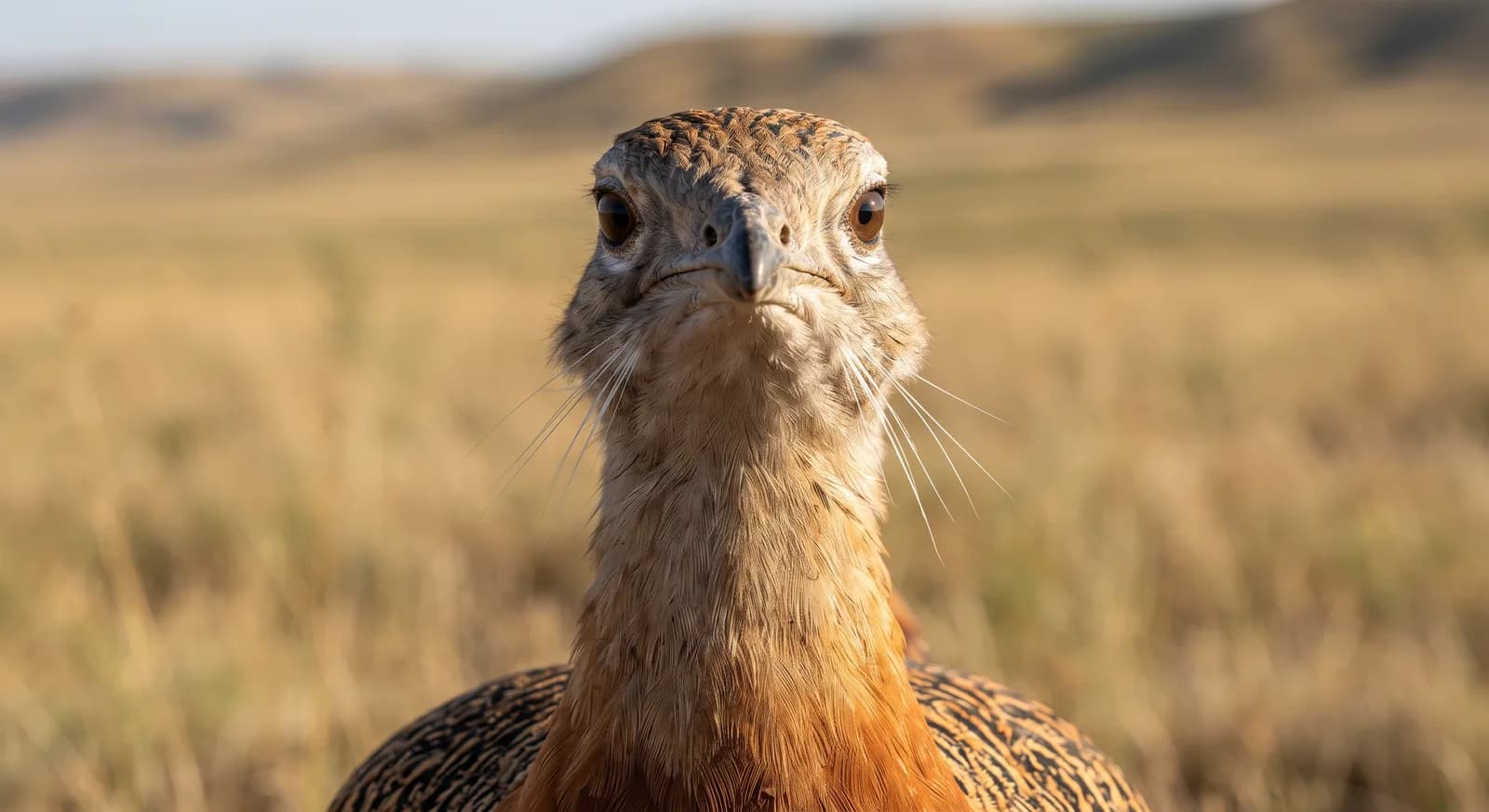
Great Bustard
Otis tarda
 Near Threatened
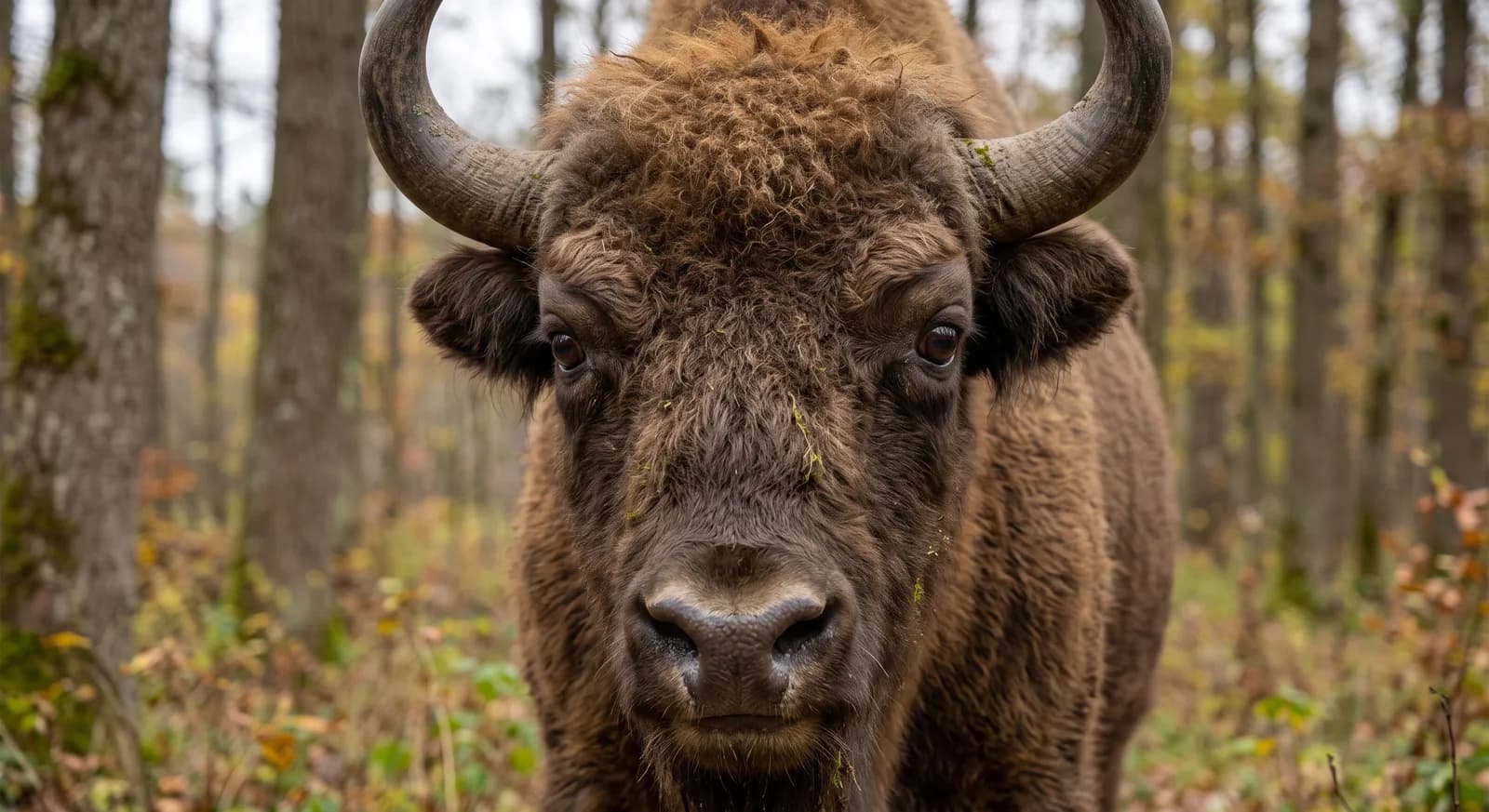
European Bison
Bison bonasus
 Near Threatened
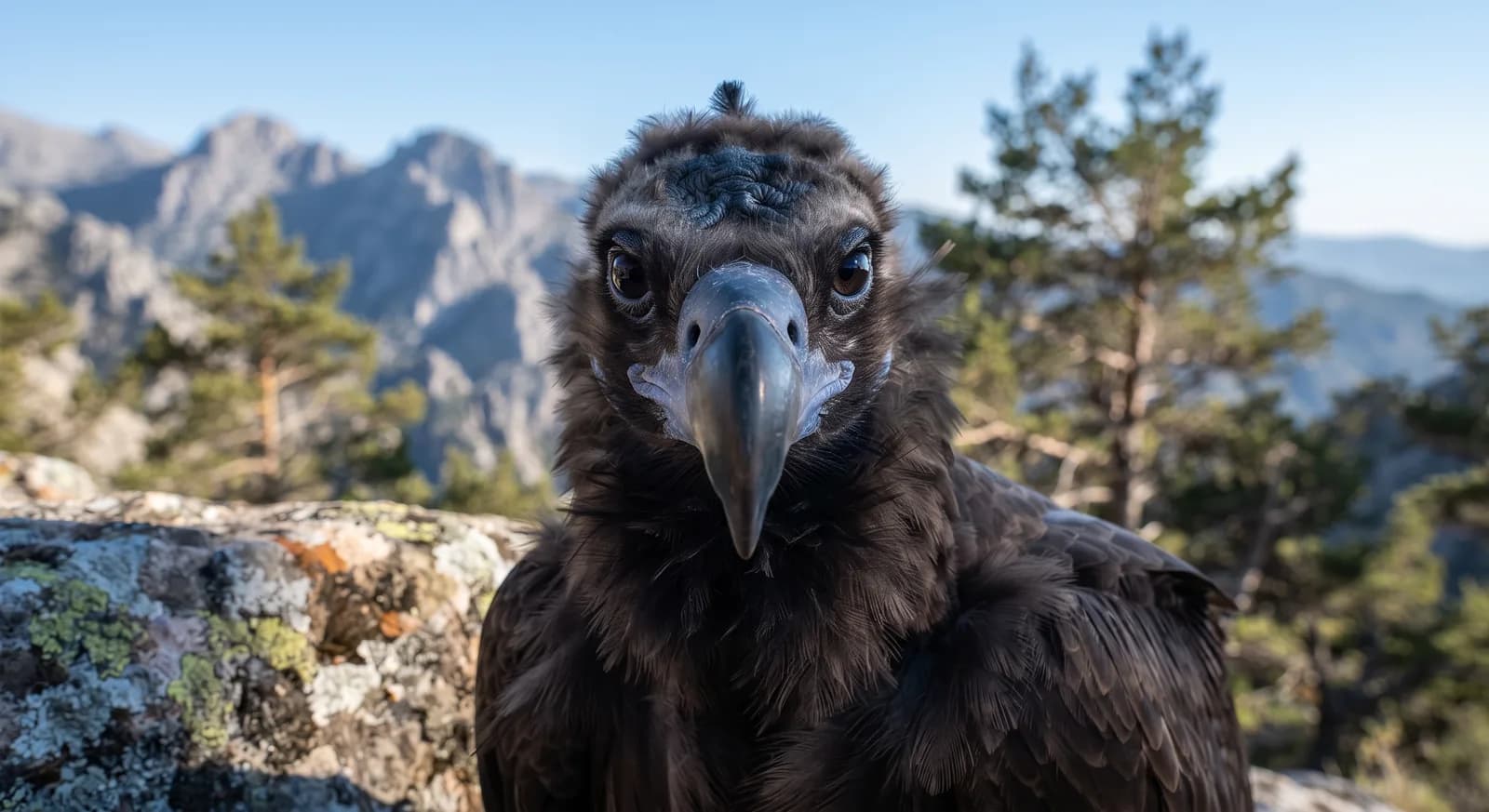
Cinereous Vulture
Aegypius monachus
Keep exploring
Based on what we already know about Azerbaijan.