One of the 3 sturgeons on WAnimals
Bony fish · Acipenseriformes · Acipenseridae
Beluga
Huso huso
It faces an extremely high risk of imminent extinction in the wild. See full glossary
The beluga sturgeon is an acipenseriform fish of the family Acipenseridae. It is found mainly in the basins of the Black Sea and the Caspian, and occasionally in the Adriatic.
Weight
1.1 t on average
Size
up to 7.2 m
Lifespan
100 years
Diet
Carnivore
Feeds mainly on other animals.
Social structure
Solitary
Lives and hunts alone, joining others only to breed.
Sighting difficulty
Very hard
Fun facts
- It is the largest freshwater fish in the world. The biggest one ever caught weighed 1,571 kg and measured 7.2 m.
- It is one of the longest-lived vertebrates: it can live beyond a hundred years.
- Fishing has cut that longevity short. Today no individuals older than 56 years are found, because almost all are caught soon after reaching maturity.
- And that maturity comes extremely late: females do not breed until past 15 years of age, and sometimes not until their mid-twenties. A depleted population takes decades to respond.
- Its roe is beluga caviar, the most expensive in the world, and demand is what has driven the species down: overfishing, poaching and dams that cut off its access to the spawning grounds.
- Today a 500 kg specimen makes world news; the average size in the wild is under 60 kg.
- Its family, the Acipenseridae, is one of the oldest among fishes: its ancestors go back to the Early Jurassic, almost 200 million years ago.
Life cycle & biology
- Skeleton type
- Vertebrate - internal bony skeleton (fish)
- Habitat & environment
- Anadromous: it lives in the Caspian Sea, the Black Sea and the Adriatic and ascends the great rivers to spawn, further upstream than any other sturgeon
- Sexual maturity
- 17.5 years
Sources consulted: https://es.wikipedia.org/wiki/Huso_huso
Where to find it
See its range on the interactive mapWhere to watch it
Parks and dive sites where this species has been documented.
Related species
Other species in the catalogue with the most in common with Beluga — same habitat, park, country, tags or family.
Sturgeon
Acipenser sturio
Zander
Sander lucioperca
 Least Concern
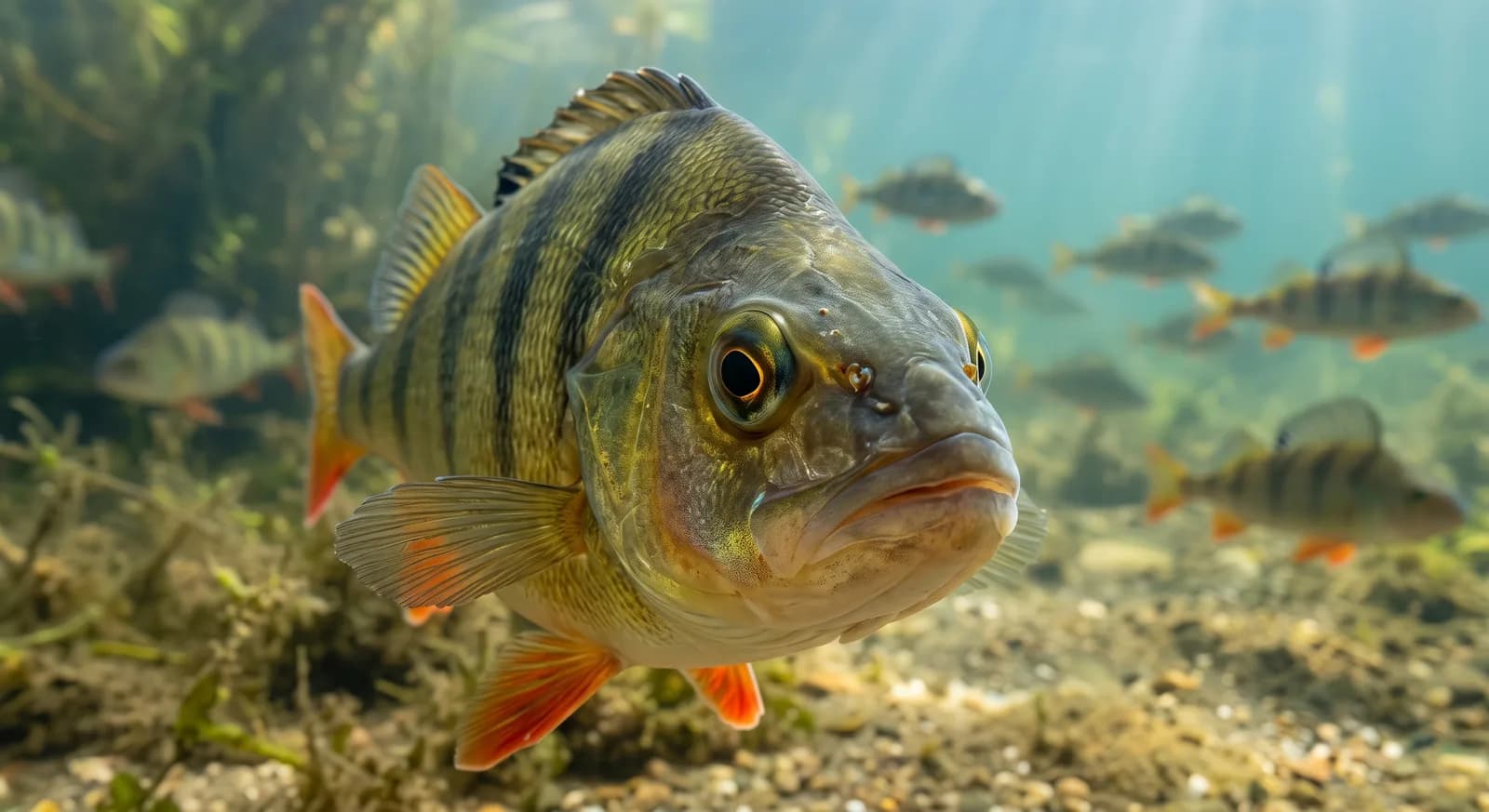
Perch
Perca fluviatilis
 Least Concern
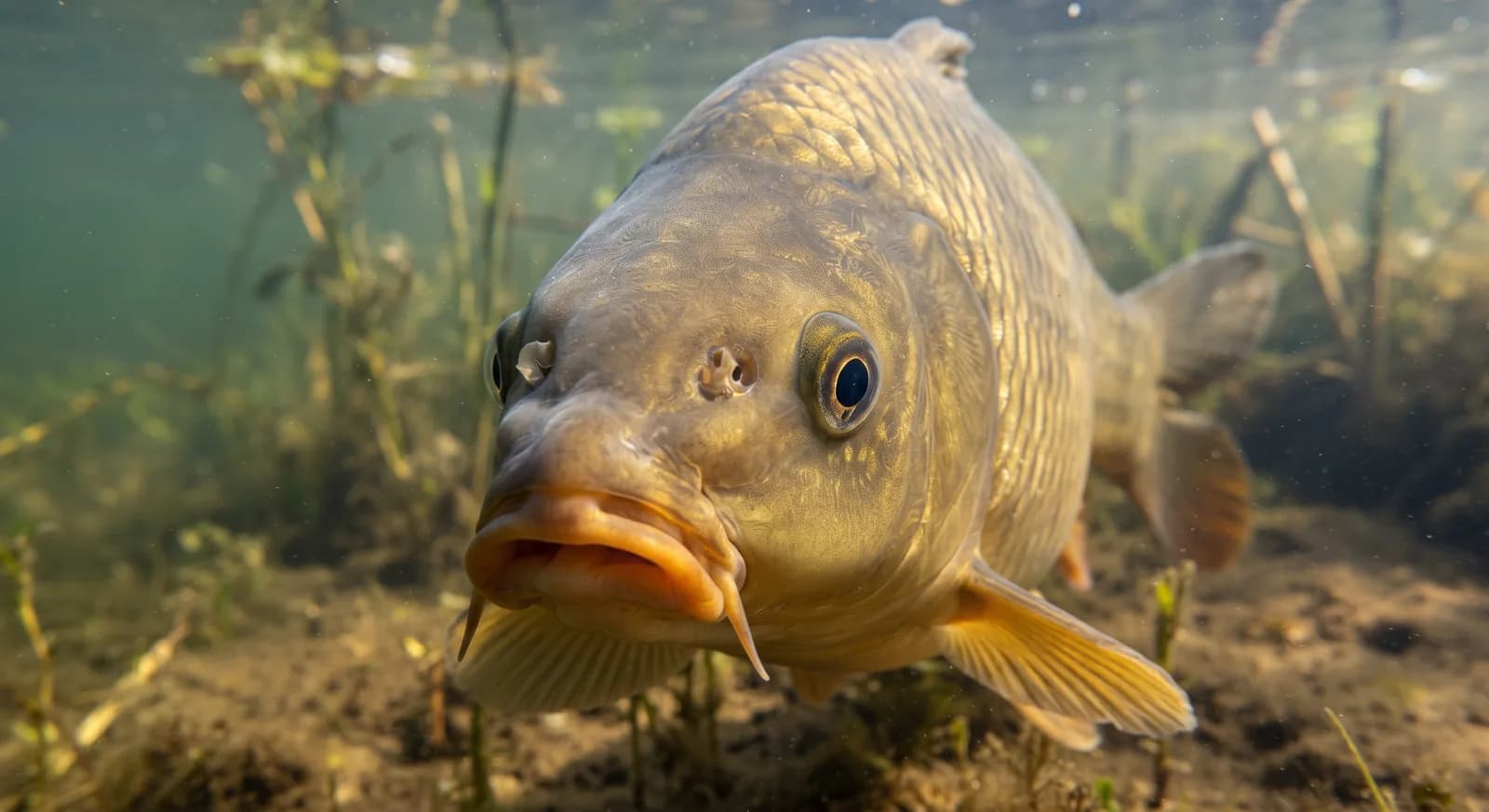
Common Carp
Cyprinus carpio
Common Bream
Abramis brama
European Mink
Mustela lutreola
How to help
The beluga is classified as critically endangered. Organizations such as UICN, WWF y Wildlife Conservation Society work specifically on its conservation and that of its habitat; looking into their programs is a good starting point if you want to get involved.
It's documented in 5 real protected areas — part of why protecting these places matters for its conservation.
Keep exploring
Based on what we already know about beluga.
Comments
Share an experience, a fun fact or a tip for seeing the beluga.
Be the first to comment.